

Deep dives into the future of digital experiences, creative technology, and brand storytelling from our team.
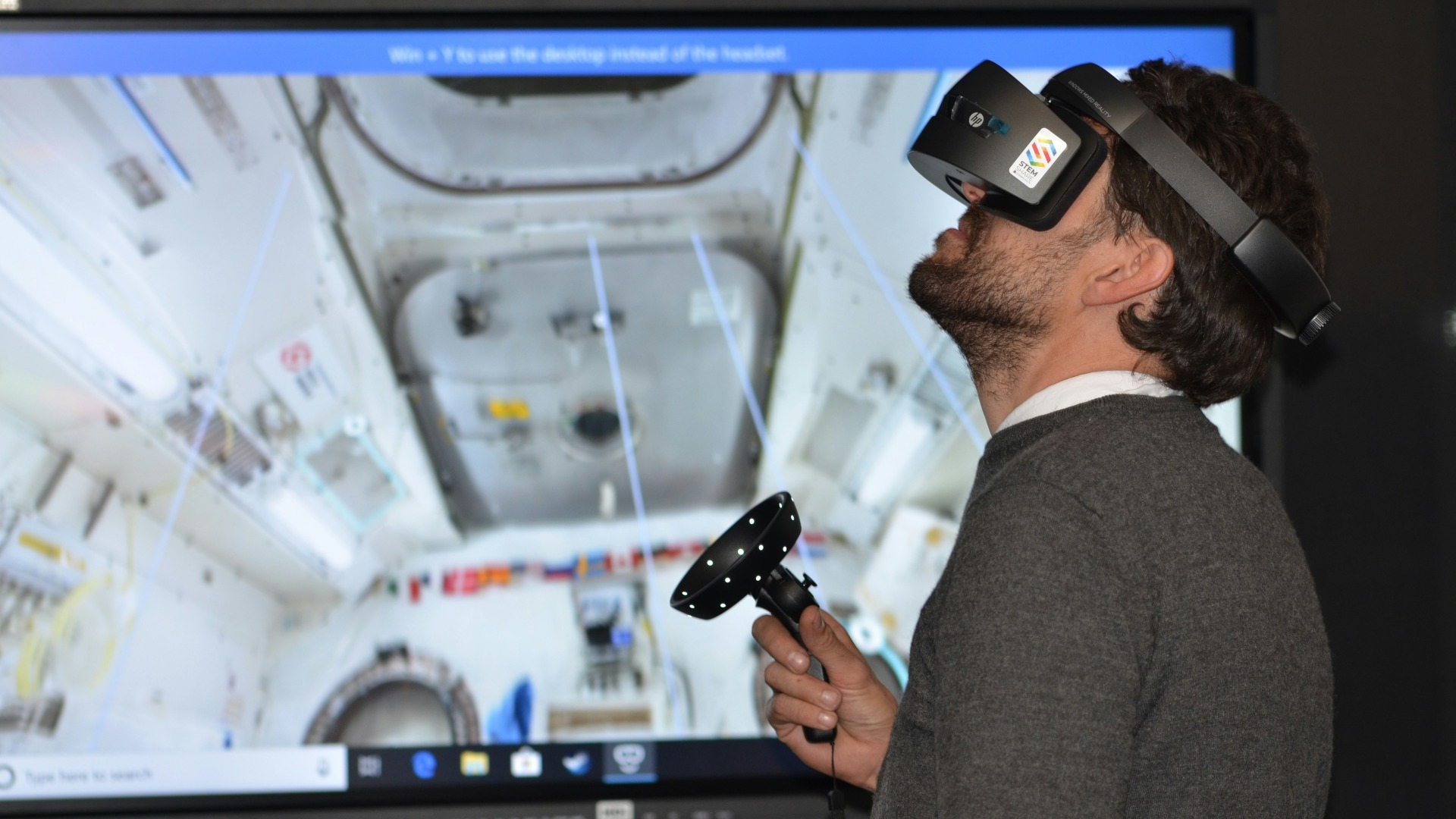
Discover how the technology behind Virtual Show Unit 360 is transforming real estate marketing. Learn how 360° visualization, interactive features, and immersive digital experiences help potential buyers explore properties remotely and make more informed decisions.
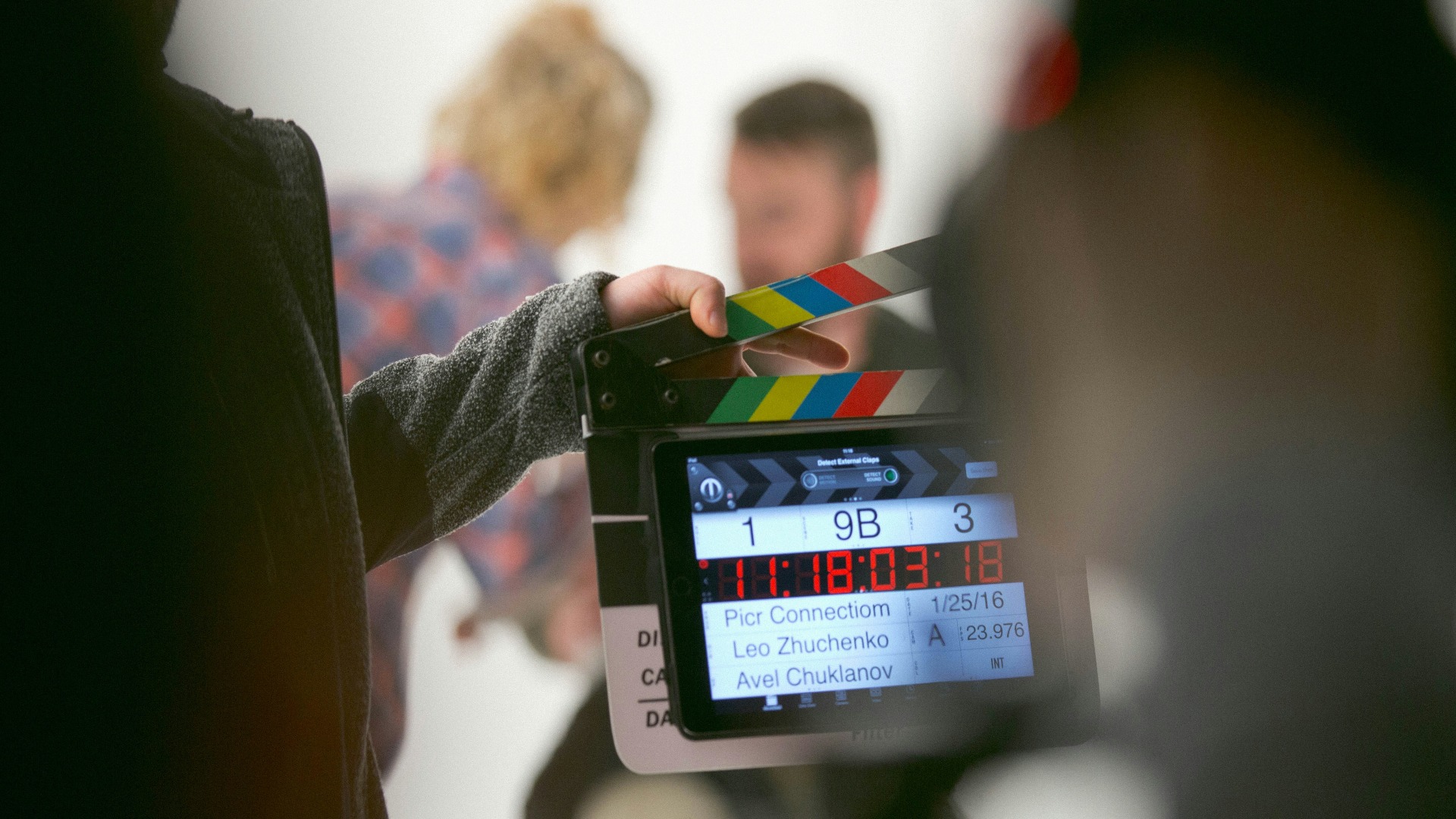
Discover how cinematography transforms ordinary footage into premium visual content. From lighting and composition to camera movement, learn why intentional visual decisions matter more than expensive equipment in creating professional videos that strengthen your brand.
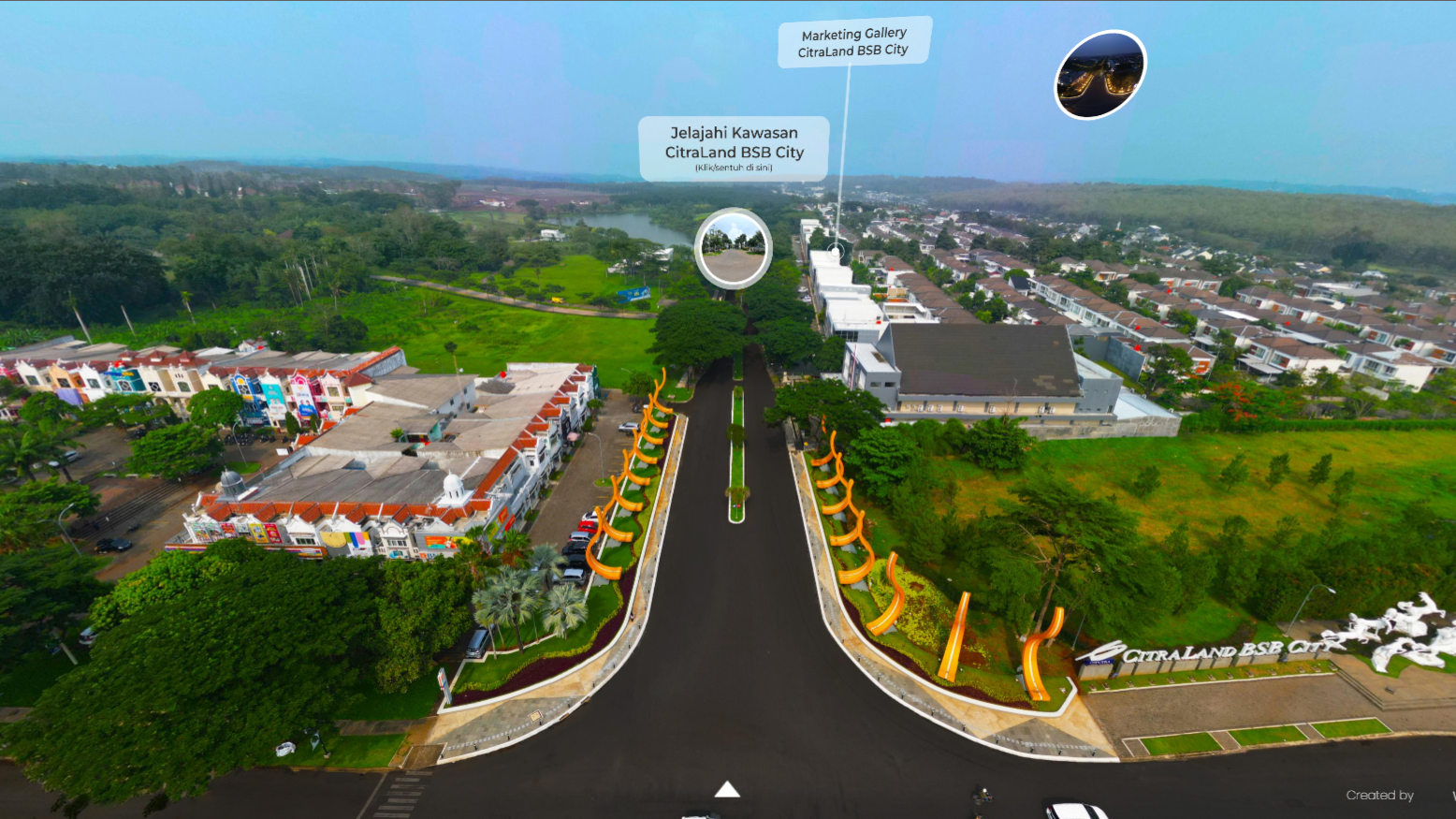
Discover how 360° virtual tour software is transforming real estate marketing. Learn the key features, business benefits, and best practices for creating immersive property experiences that attract buyers, generate qualified leads, and accelerate sales.
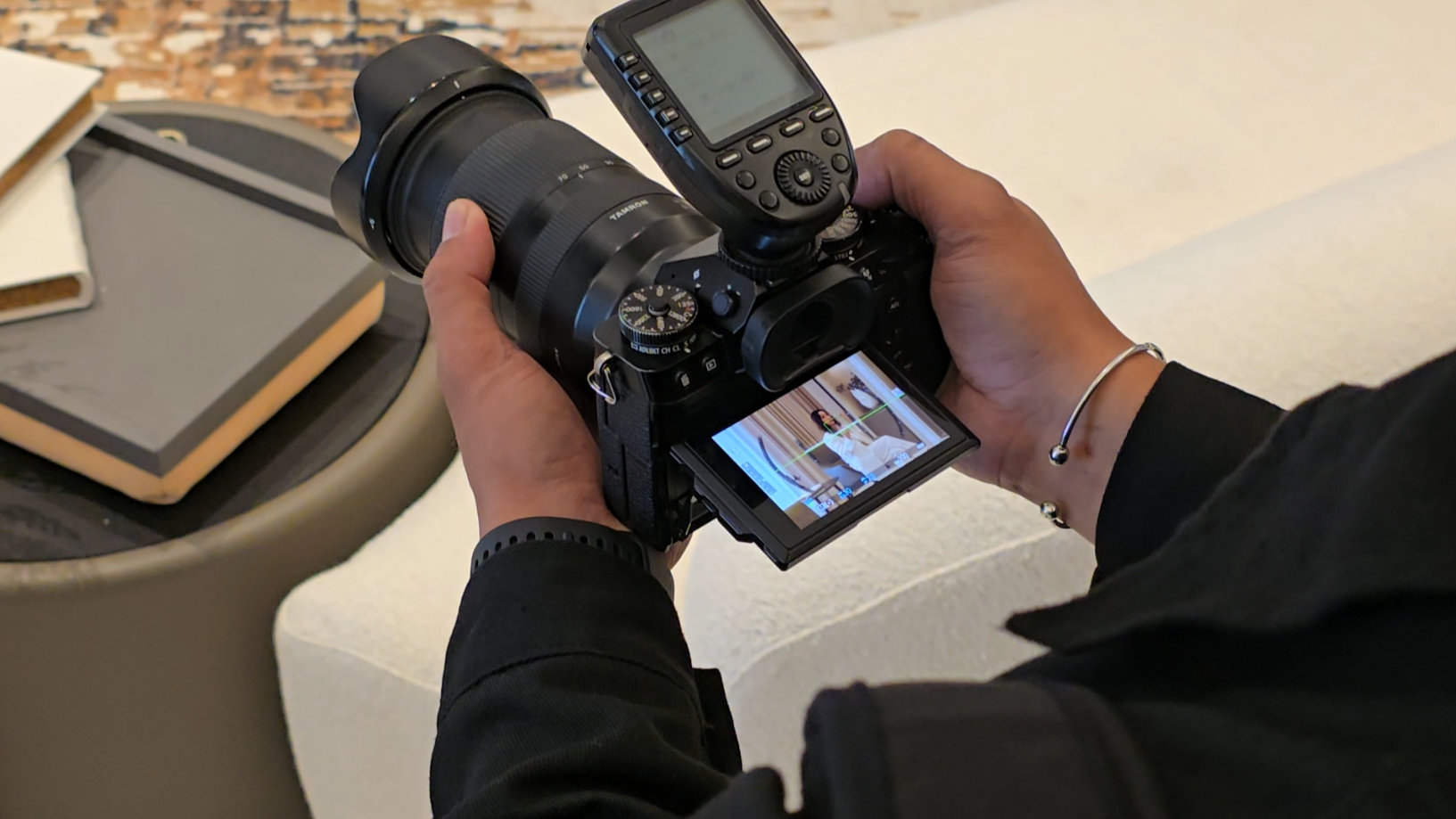
Corporate cinematography helps businesses transform ordinary marketing videos into compelling visual stories that build trust, strengthen brand identity, and increase customer engagement. Discover how different types of corporate video production can elevate your business through authentic storytelling and cinematic visuals.
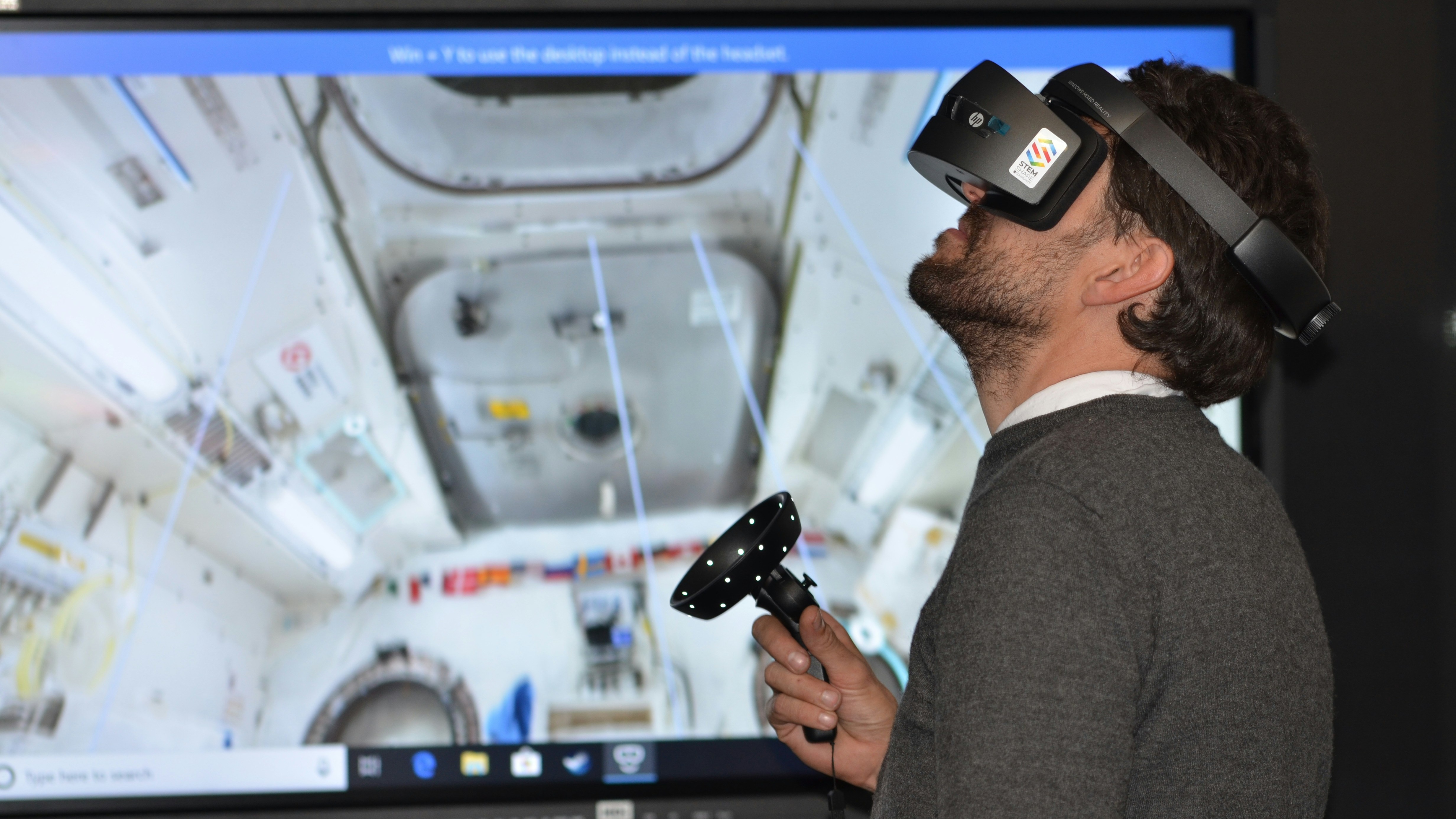
Virtual Reality has evolved from an ambitious experiment into a transformative technology that is changing how people learn, communicate, and experience the world around them. As adoption continues to grow, organizations that embrace immersive experiences today will be better positioned to engage audiences, improve decision-making, and create meaningful digital interactions in the future.
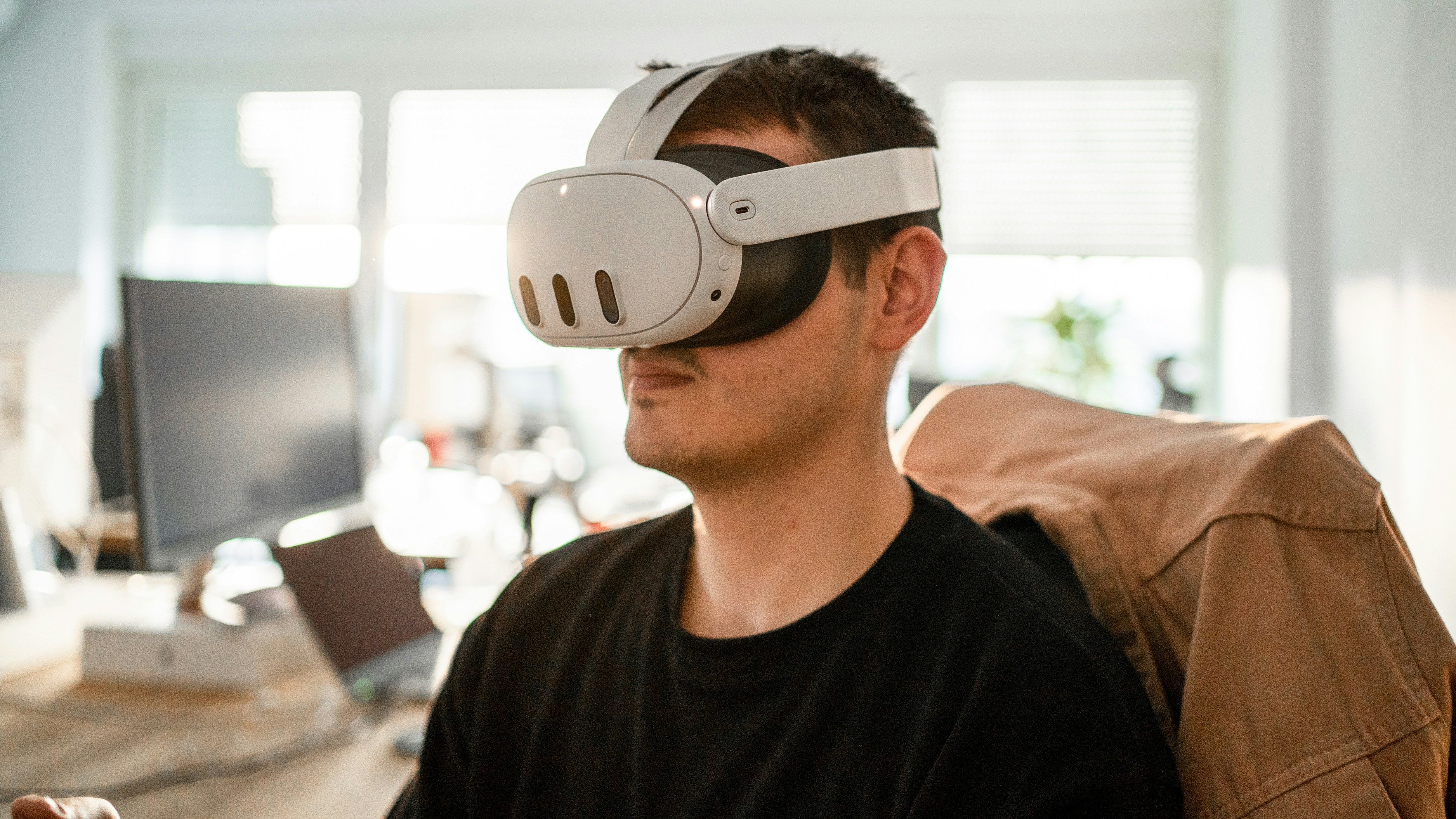
Virtual Reality (VR) is transforming the way businesses communicate, train, and engage with their audiences. From immersive learning experiences to interactive marketing and virtual property tours, VR helps bridge the gap between digital content and real-world experiences, making information easier to understand and decisions easier to make.
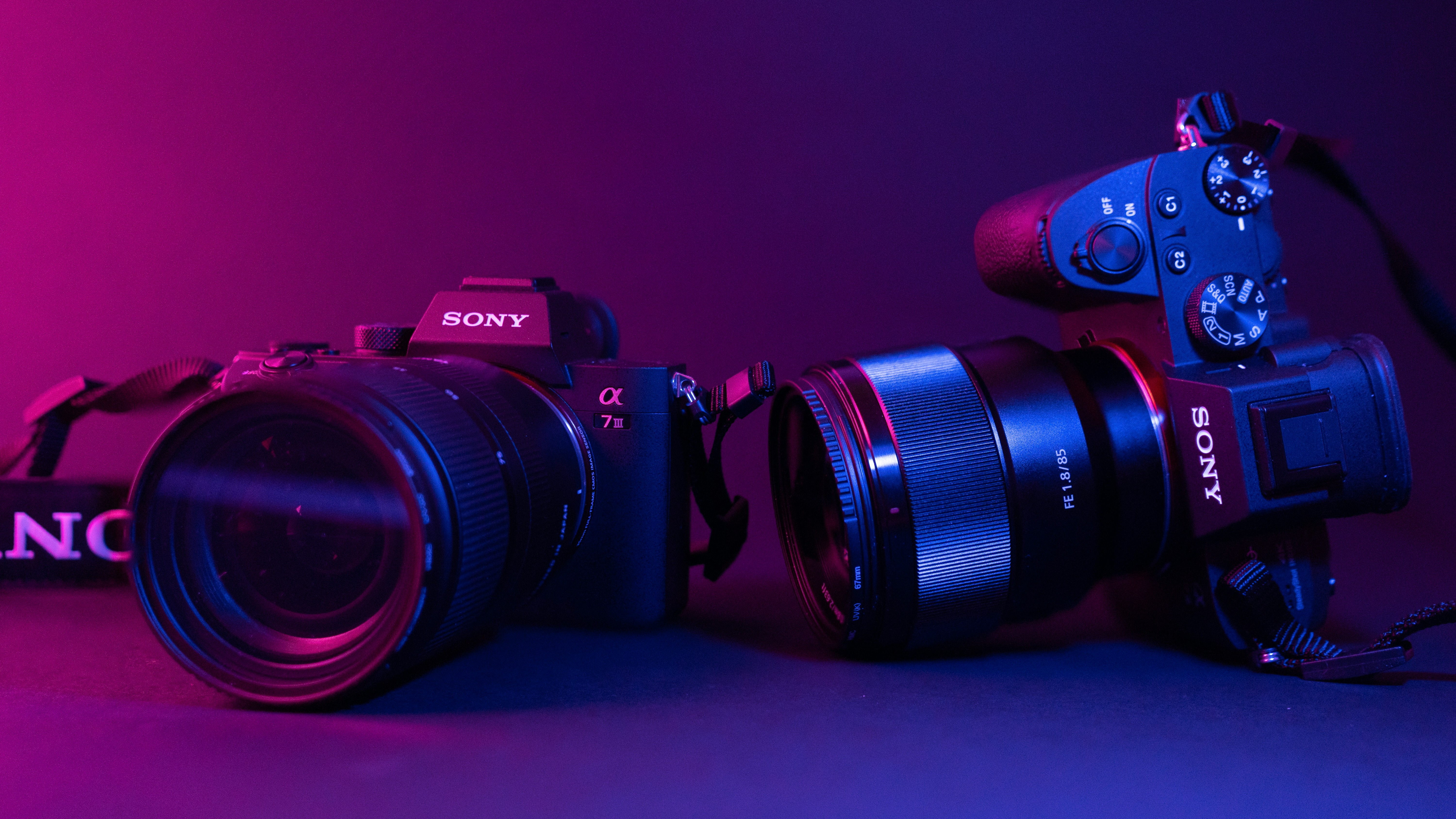
Professional cinematography goes beyond creating visually appealing videos. It helps brands communicate stories, build emotional connections, and create memorable experiences that stand out in an increasingly competitive digital landscape.
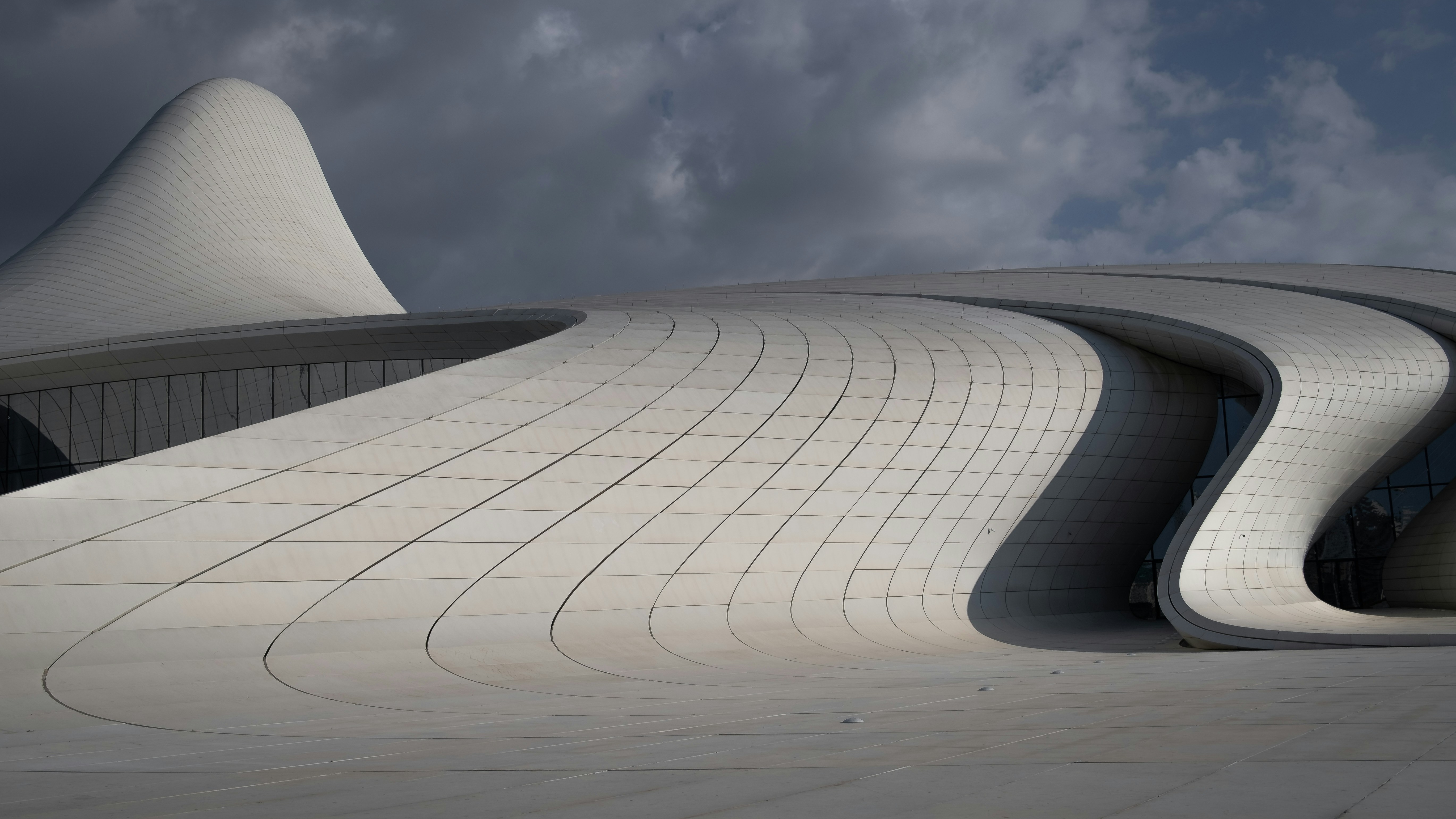
Emerging technologies such as VR, AR, real-time rendering, and AI are reshaping architectural visualization. These innovations are helping architects create more immersive experiences, improve sustainability, and accelerate project development.
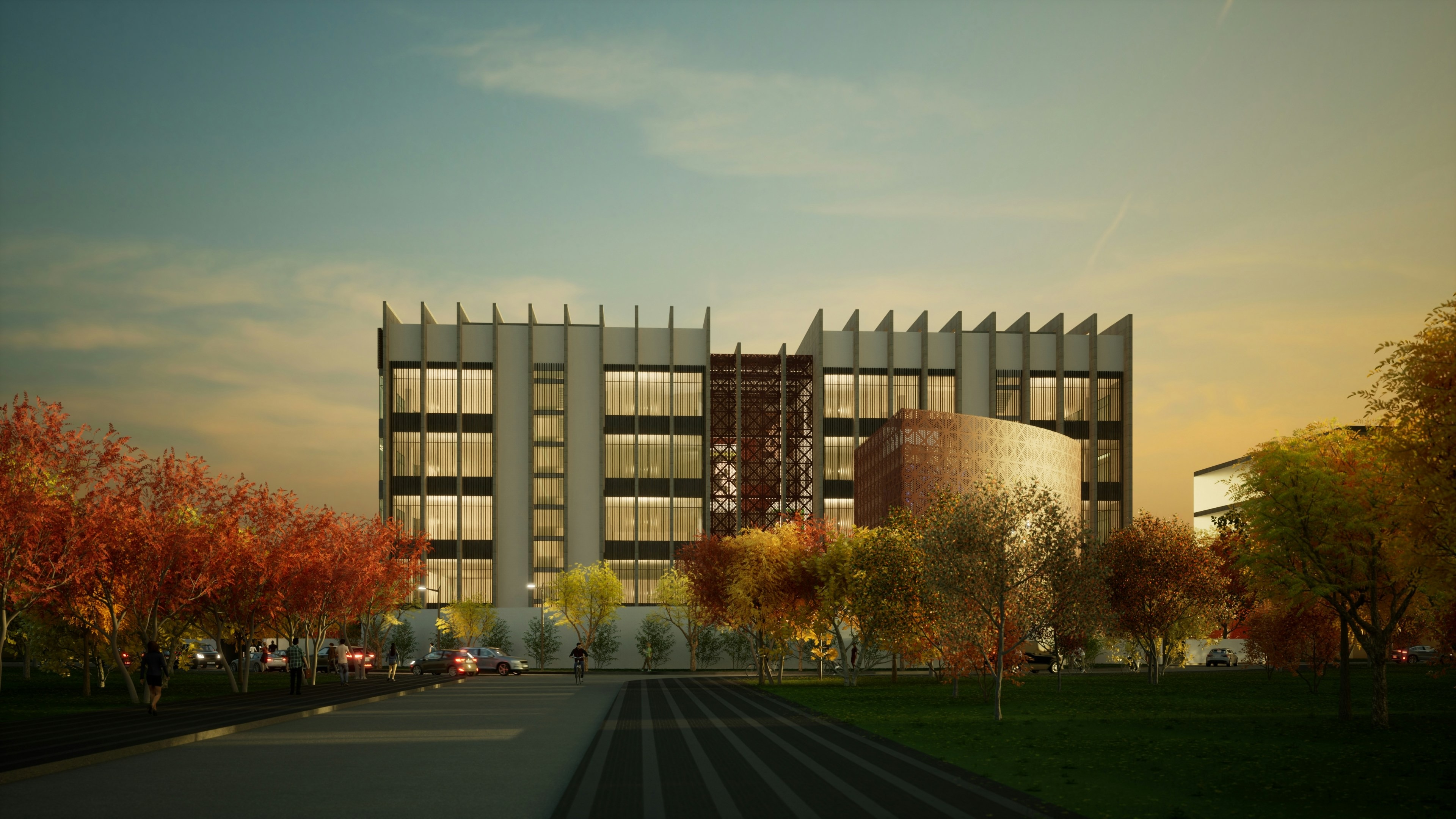
Modern visualization tools allow architects to test ideas, explore alternatives, and communicate designs more effectively. From 3D rendering to virtual tours, these technologies support smarter planning and better project outcomes.
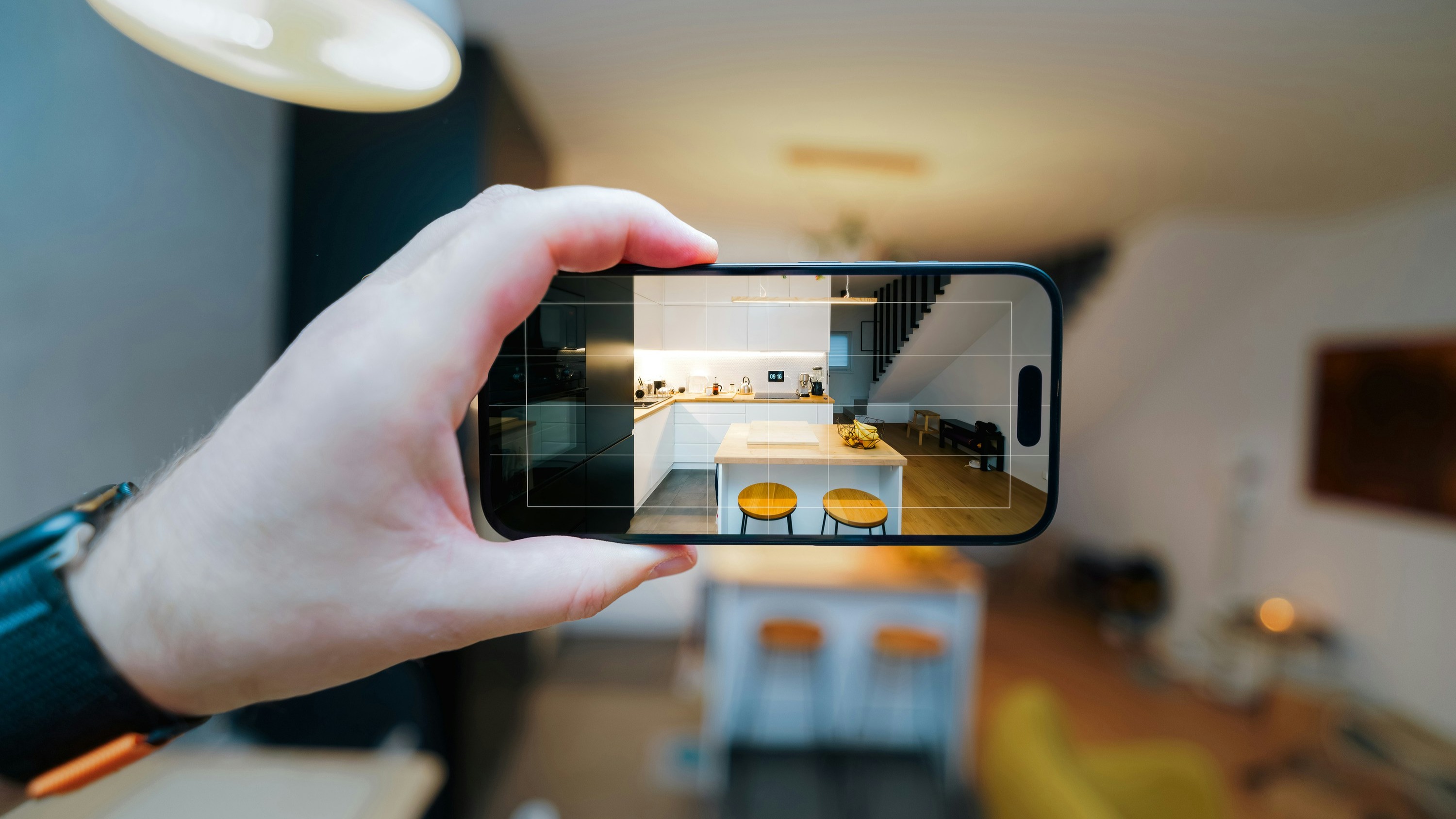
Architectural visualization is no longer just a presentation tool. From improving communication to reducing project risks, visualization helps architects, clients, and stakeholders make more informed decisions before construction begins.

Interactive 360° virtual tours are redefining how businesses showcase spaces online. By combining immersive visuals, intuitive navigation, and interactive features, virtual tours help increase engagement, improve decision-making, and create memorable digital experiences across industries such as real estate, architecture, and retail.

Architectural visualization has evolved far beyond static drawings and blueprints. From 3D renderings to virtual reality experiences, modern visualization tools help architects communicate ideas more effectively, improve collaboration, and make smarter design decisions before construction begins.