

Deep dives into the future of digital experiences, creative technology, and brand storytelling from our team.
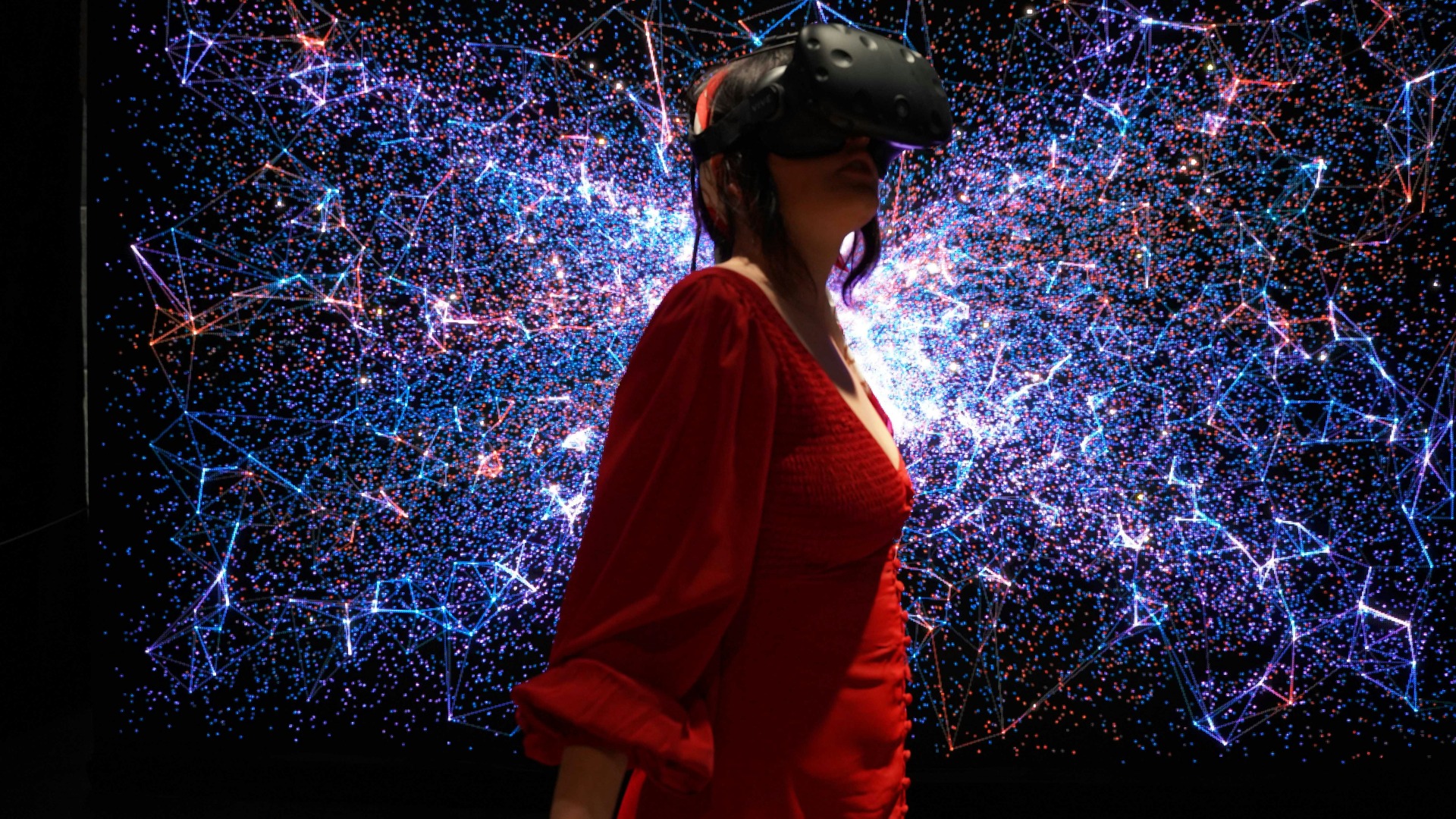
Virtual Reality is evolving beyond gaming into a powerful tool for education, healthcare, training, engineering, and other fields. Explore how immersive technology is creating new ways to learn, simulate, interact, and experience digital environments while opening up new possibilities for the future.
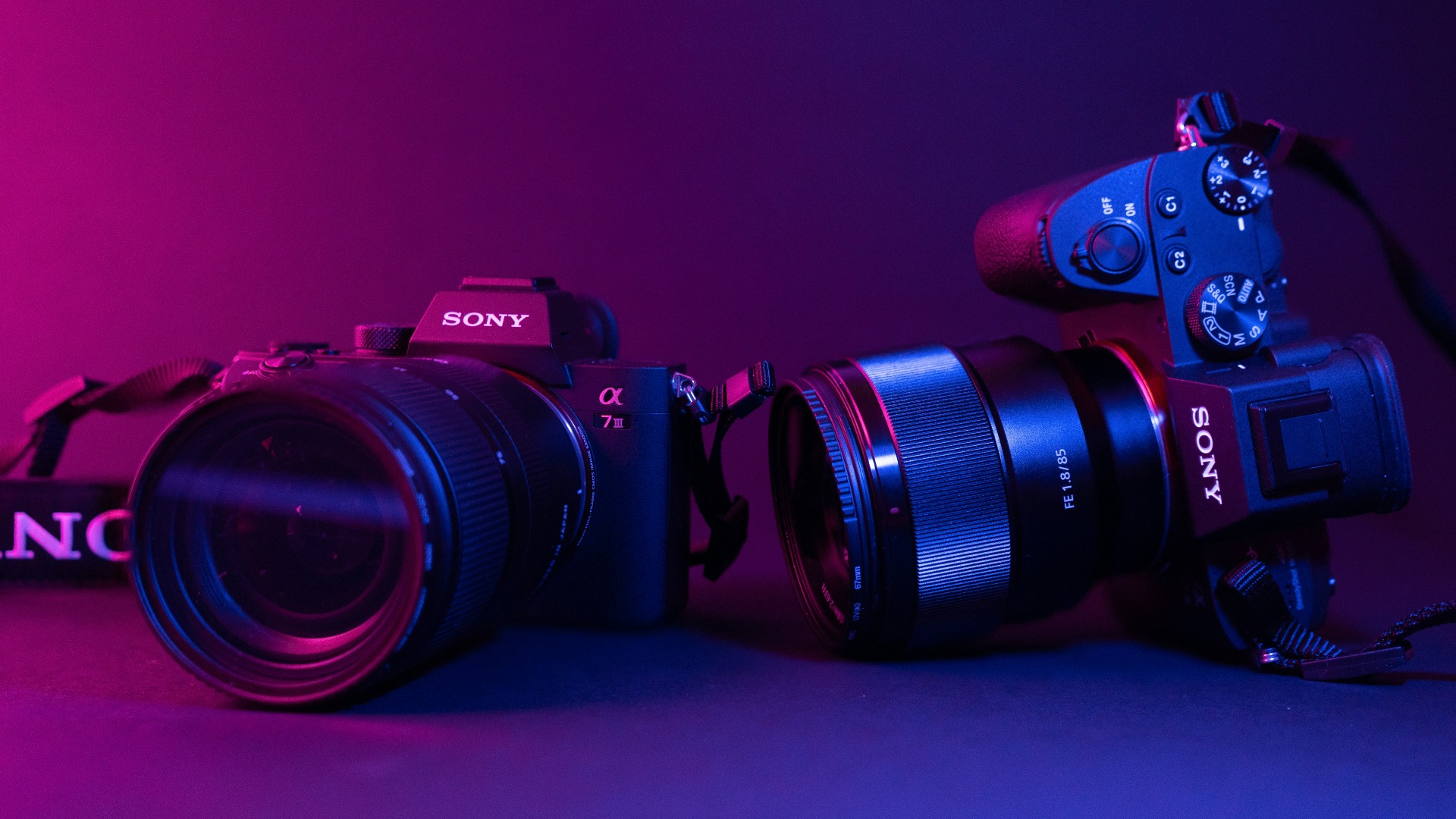
Professional photography helps businesses create stronger first impressions, communicate their brand identity, and showcase products or services with greater impact. Discover how high-quality visuals can build credibility, strengthen digital presence, and support more consistent and engaging marketing across platforms.
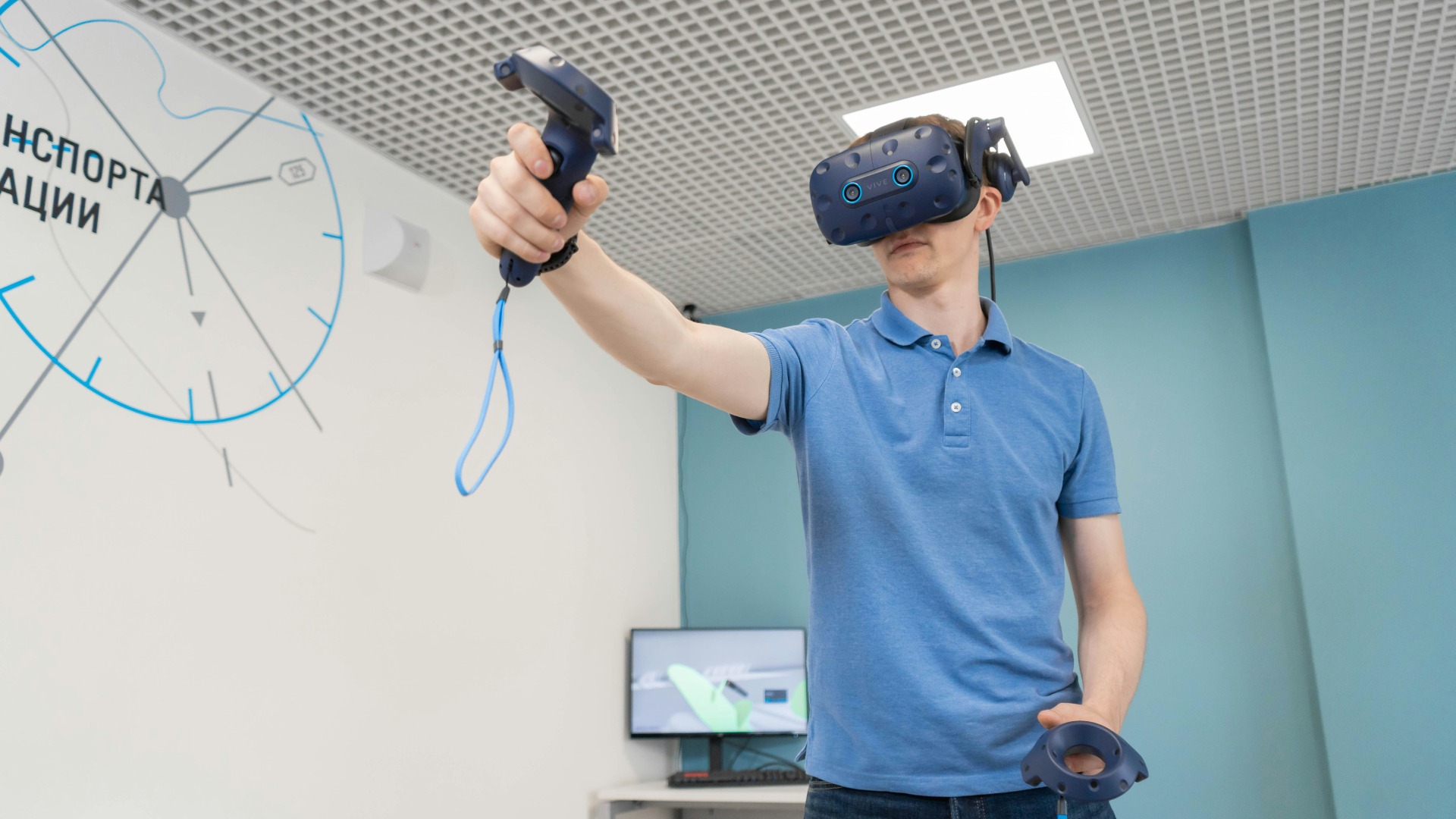
Discover how 360° virtual tours are helping industries such as real estate, hospitality, education, healthcare, and more create engaging digital experiences. By turning physical spaces into interactive environments, businesses can showcase their value, build trust, and help audiences explore before they visit.

Photography is more than capturing an image it is the art of using light, composition, and camera techniques to communicate a story. Learn the fundamentals of photography and how thoughtful visual decisions can turn ordinary images into compelling visual experiences.

Explore 9 practical tips for creating better architectural visualizations, from accurate 3D modeling and camera composition to realistic materials, lighting, and immersive 360° experiences. Learn how thoughtful visualization can turn architectural concepts into clear, engaging experiences for clients and stakeholders.

3D architectural visualization transforms technical drawings and concepts into realistic digital experiences, helping architects, developers, investors, and clients see a project before it is built. From evaluating design details and materials to creating compelling property presentations, 3D visualization bridges the gap between imagination and reality while supporting better decisions throughout the development process.
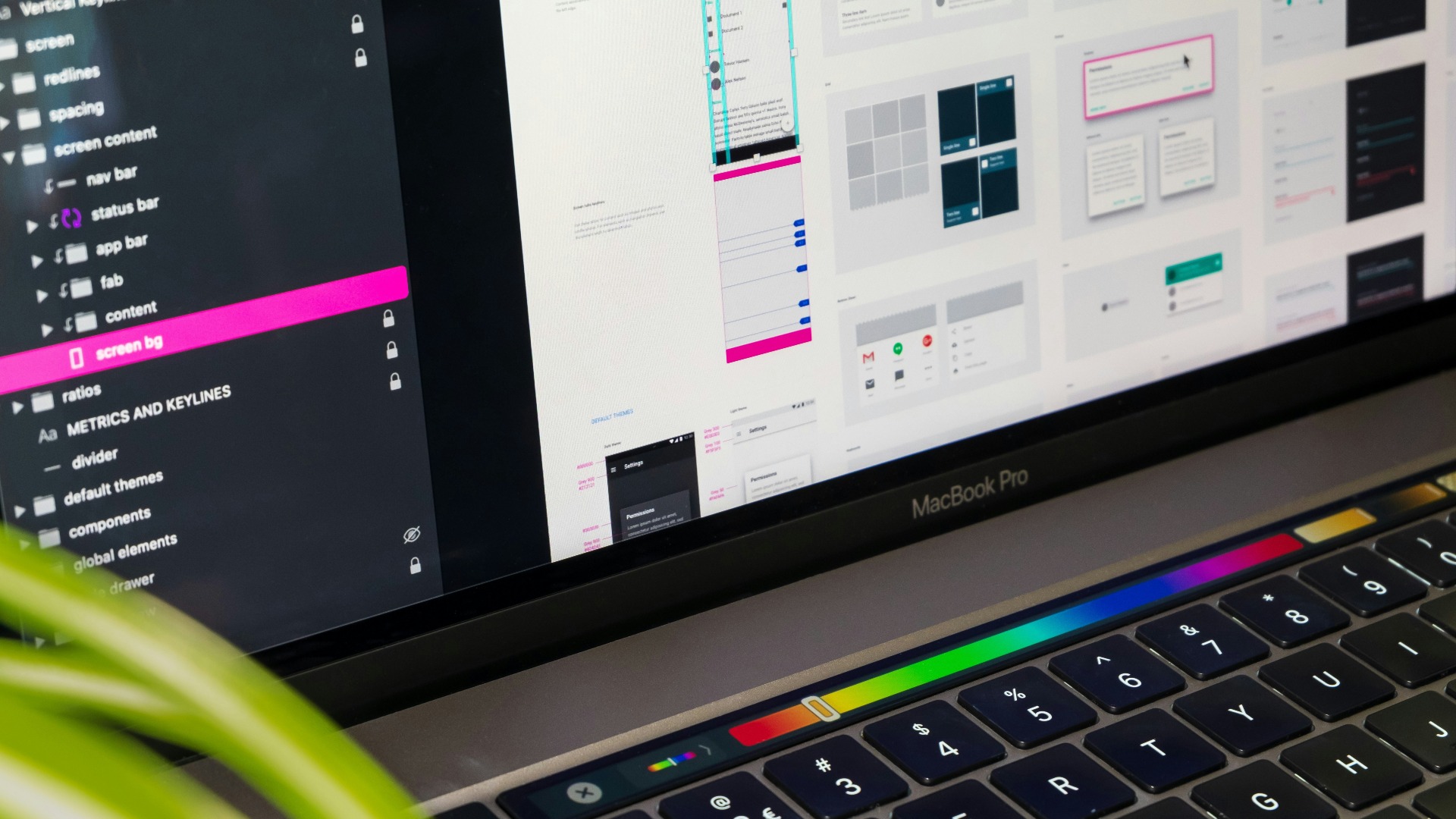
Your website is often the first place potential customers experience your brand. Professional web development brings together design, functionality, performance, and technology to create a digital platform that not only looks credible but also supports engagement, lead generation, and long-term business growth.

A modern website needs to work across devices, connect with digital systems, and deliver a consistent experience. From responsive design and JavaScript frameworks to databases and APIs, today’s web development combines multiple technologies to create faster, smarter, and more scalable digital platforms.

Every website has two sides: the interface users experience and the technology working behind it. Understanding the difference between front-end and back-end web development reveals how modern websites deliver seamless interactions, process information, and support complex business functions.

Web development is the foundation behind every modern website, from corporate platforms and property websites to interactive digital experiences. Learn how front-end, back-end, databases, and core web technologies work together to create websites that are functional, secure, responsive, and ready to support business growth.
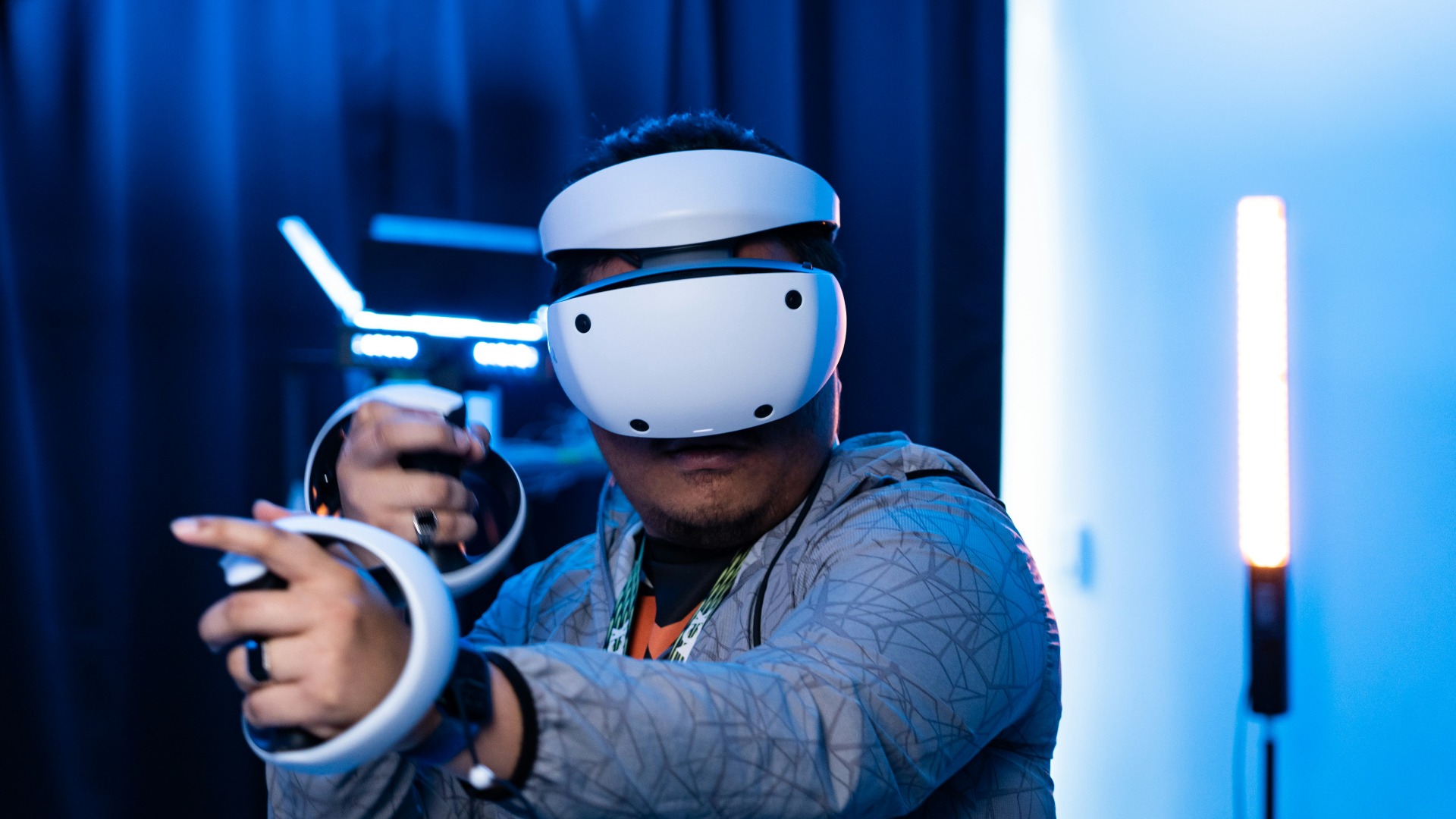
Virtual Reality is moving beyond gaming to transform industries such as real estate, architecture, hospitality, healthcare, education, and marketing. Explore how immersive technology helps businesses visualize spaces, engage audiences, support decision making, and create more interactive digital experiences.
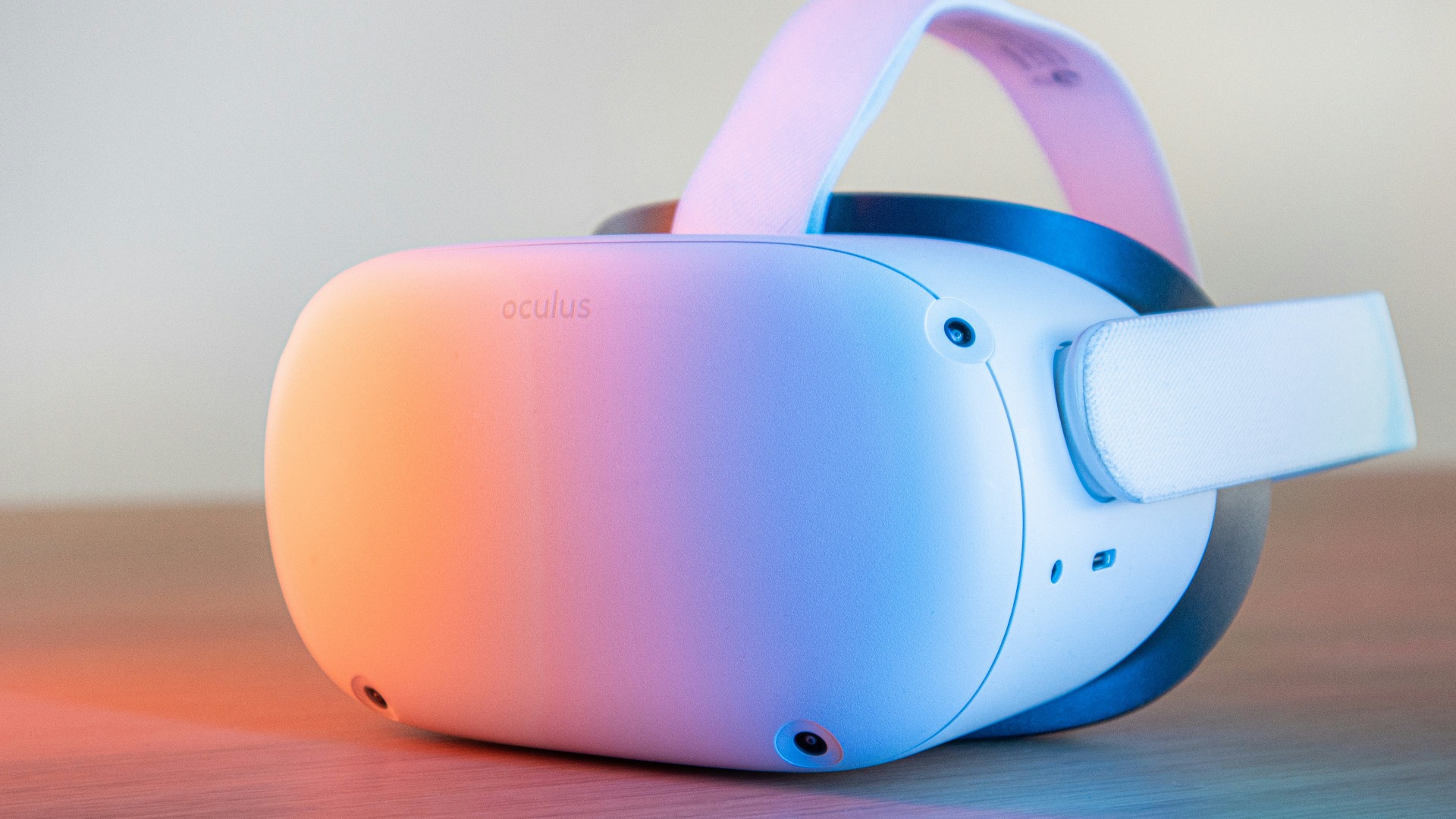
Discover what Virtual Reality really is, how the technology works, and the key components behind immersive digital experiences. From VR headsets and motion tracking to different levels of immersion, this article explores the technology shaping how we interact with digital environments.