Virtual Reality is evolving beyond gaming into a powerful tool for education, healthcare, training, engineering, and other fields. Explore how immersive technology is creating new ways to learn, simulate, interact, and experience digital environments while opening up new possibilities for the future.
Source: Unsplash/James Yerena
Virtual Reality (VR) is often associated with gaming and entertainment, but its potential extends far beyond immersive digital experiences. Today, VR is being explored and applied across fields such as education, healthcare, engineering, training, simulation, and exercise.
At its core, VR creates a computer-generated three-dimensional environment that users can interact with. Depending on the technology, users can experience these environments through conventional screens or immersive head-mounted displays that respond to movement and provide a 360-degree perspective.
As the technology continues to develop, VR is becoming a tool for experiencing, learning, practicing, and understanding environments in ways that traditional media cannot always provide.
Virtual Reality is a technology that creates a simulated three-dimensional environment for users to interact with. Unlike conventional digital content, which is primarily viewed through a flat screen, immersive VR can place users inside a virtual environment.
VR systems can generally be understood through two approaches: non-immersive and immersive VR.
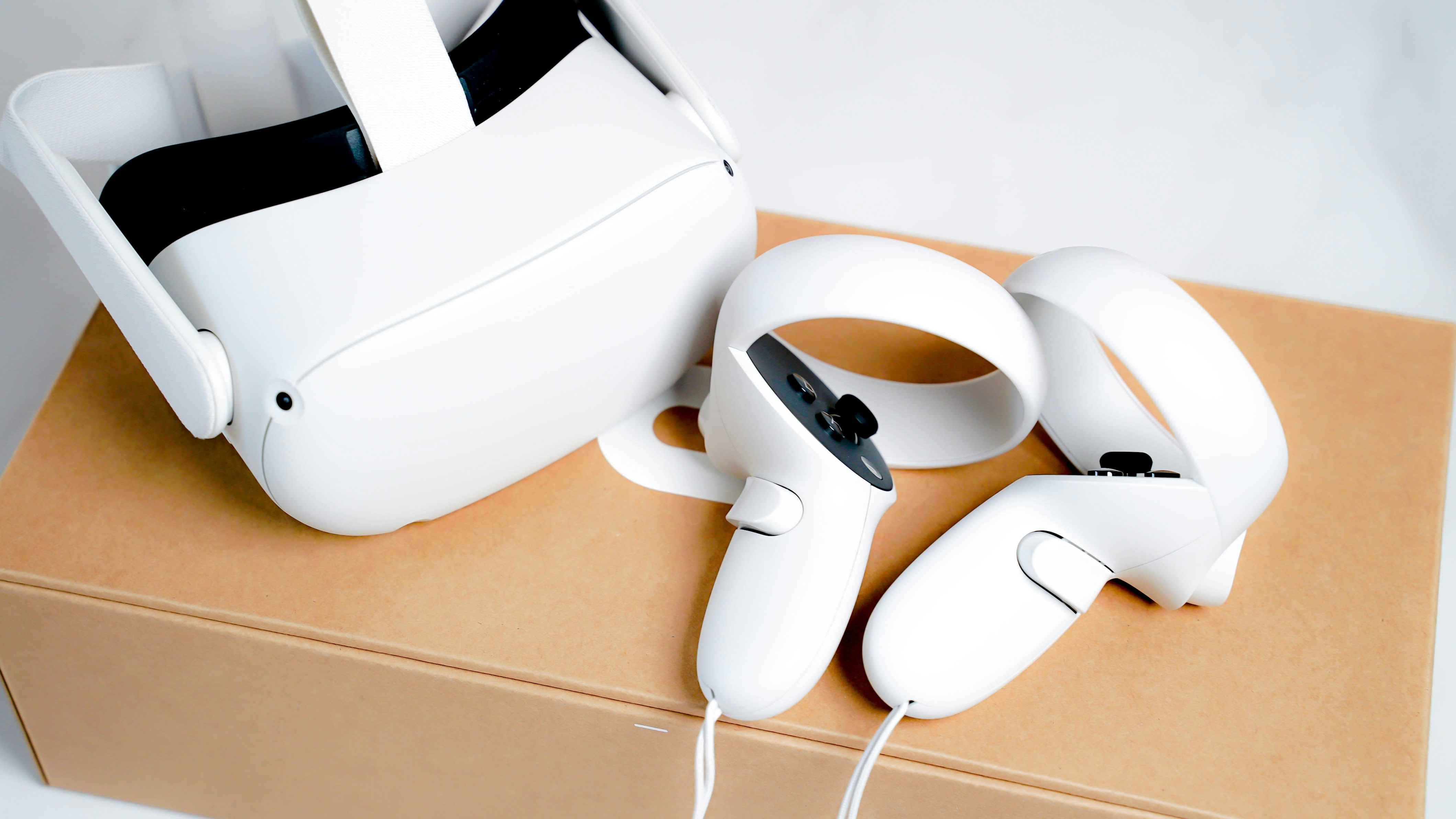
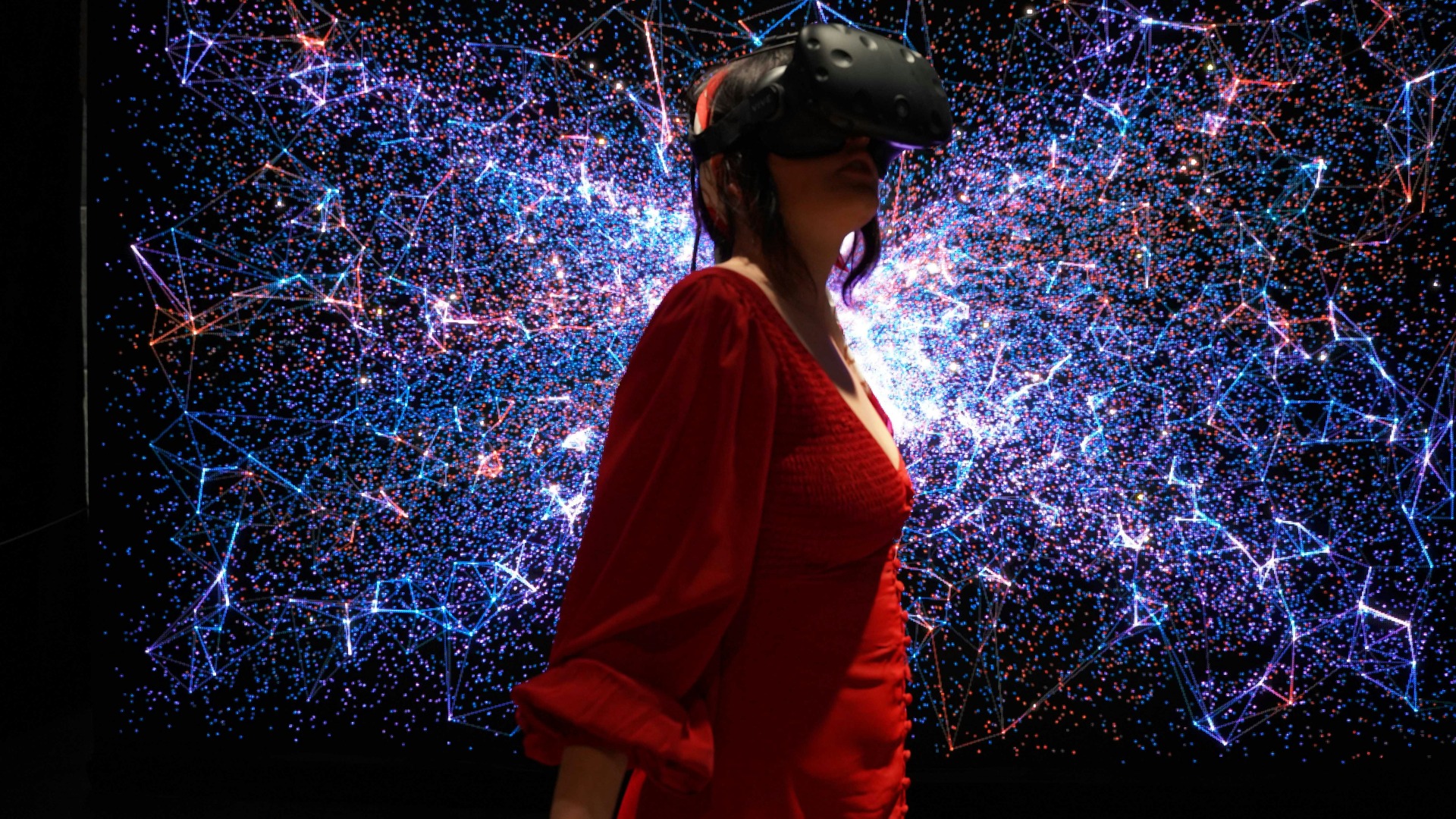
Non-immersive experiences present virtual environments through screens, while immersive VR typically uses a head-mounted display and tracking technology to respond to the user's movements. This creates a stronger sense of presence within the digital environment.
This ability to create interactive environments is what makes VR useful beyond entertainment.
VR was initially widely associated with gaming, but its potential applications have expanded considerably.
One of its most valuable characteristics is the ability to simulate situations that may be difficult, expensive, dangerous, or impractical to recreate in the physical world. Instead of simply watching information on a screen, users can interact with a simulated environment and experience scenarios more directly.
This makes VR relevant to professional training, education, simulations, healthcare, engineering, and other fields.
Education is one area where immersive technology can provide new ways of presenting information.
Traditional learning often relies on books, presentations, videos, and two-dimensional illustrations. VR can introduce an additional layer by allowing learners to explore simulated environments and interact with visual information.
For example, complex concepts or environments can potentially be represented as interactive 3D experiences rather than being explained solely through text or static images.
The value of VR in education is therefore not simply about making learning more visually impressive. It is about creating opportunities for learners to engage with information in a more experiential way.
Training is another important application of VR.
Some professional environments require employees to understand complex procedures or practice specific situations before performing them in the real world. Physical training can require specialized equipment, facilities, or controlled environments.
VR simulations can provide an alternative environment where users can practice scenarios repeatedly.
This can be particularly relevant when real-world practice is costly, difficult to arrange, or involves potential risks. By recreating selected situations digitally, organizations can create controlled training experiences while giving users opportunities to become familiar with procedures and environments.
Healthcare is another field where VR has attracted significant interest.
The technology can be used to create simulated environments for training, education, and certain therapeutic or exercise-related applications. Its ability to create controlled and interactive scenarios makes it relevant to different aspects of healthcare and medical practice.
Rather than replacing traditional healthcare methods, VR can function as an additional technological tool that supports specific activities.
Engineering involves understanding complex systems, structures, machinery, and environments. Many of these concepts can be difficult to communicate through conventional drawings or static representations alone.
Interactive 3D environments can provide another way to visualize and explore complex designs.
VR can potentially allow professionals and learners to examine digital environments from different perspectives, interact with simulated systems, and understand spatial relationships more intuitively.
This makes immersive technology particularly interesting for fields where spatial understanding is an important part of the process.
VR is also being explored in exercise and physical activity.
By combining movement with interactive virtual environments, VR can turn certain physical activities into more engaging experiences. The technology can provide users with simulated environments and interactive elements that complement traditional exercise approaches.
This demonstrates how VR can extend beyond purely visual experiences and become an interactive medium involving physical movement.
The broader significance of VR lies in how it changes the relationship between people and digital information.
Traditional digital content often asks users to look at information. Immersive technology can allow users to enter, explore, and interact with information.
This distinction is especially relevant for industries that depend on spatial experiences.
For example, property developers can use immersive environments to help audiences explore spaces before they are physically accessible. Hospitality businesses can present rooms and facilities through interactive experiences. Educational institutions can introduce digital environments that extend beyond the classroom.
In these contexts, VR becomes more than a technological feature. It becomes a way of communicating experiences.
Despite its potential, VR is not without limitations. The technology is still developing, and its adoption depends on factors such as hardware, accessibility, user familiarity, and the quality of the experience being created.
The research also emphasizes that there is still a need for greater understanding of both the strengths and limitations of VR across different application areas.
This is important because successful VR implementation is not simply about using the newest technology. The technology needs to serve a clear purpose and provide meaningful value to its users.
The development of VR represents a broader shift in digital communication—from simply displaying information toward creating experiences around it.
For industries working with physical spaces, products, training environments, and complex concepts, this shift creates new possibilities for how information can be presented and experienced.
As VR technology continues to evolve, its role may extend further into everyday professional and consumer experiences. The research describes VR as still being in a relatively early stage while interest in its potential continues to grow.
Ultimately, the future of VR may not be defined by entertainment alone. Its greater potential lies in its ability to help people see, explore, practice, and experience things in ways that traditional digital media cannot always achieve.

Let's collaborate to turn your vision into an impactful digital success story.
Contact Expert