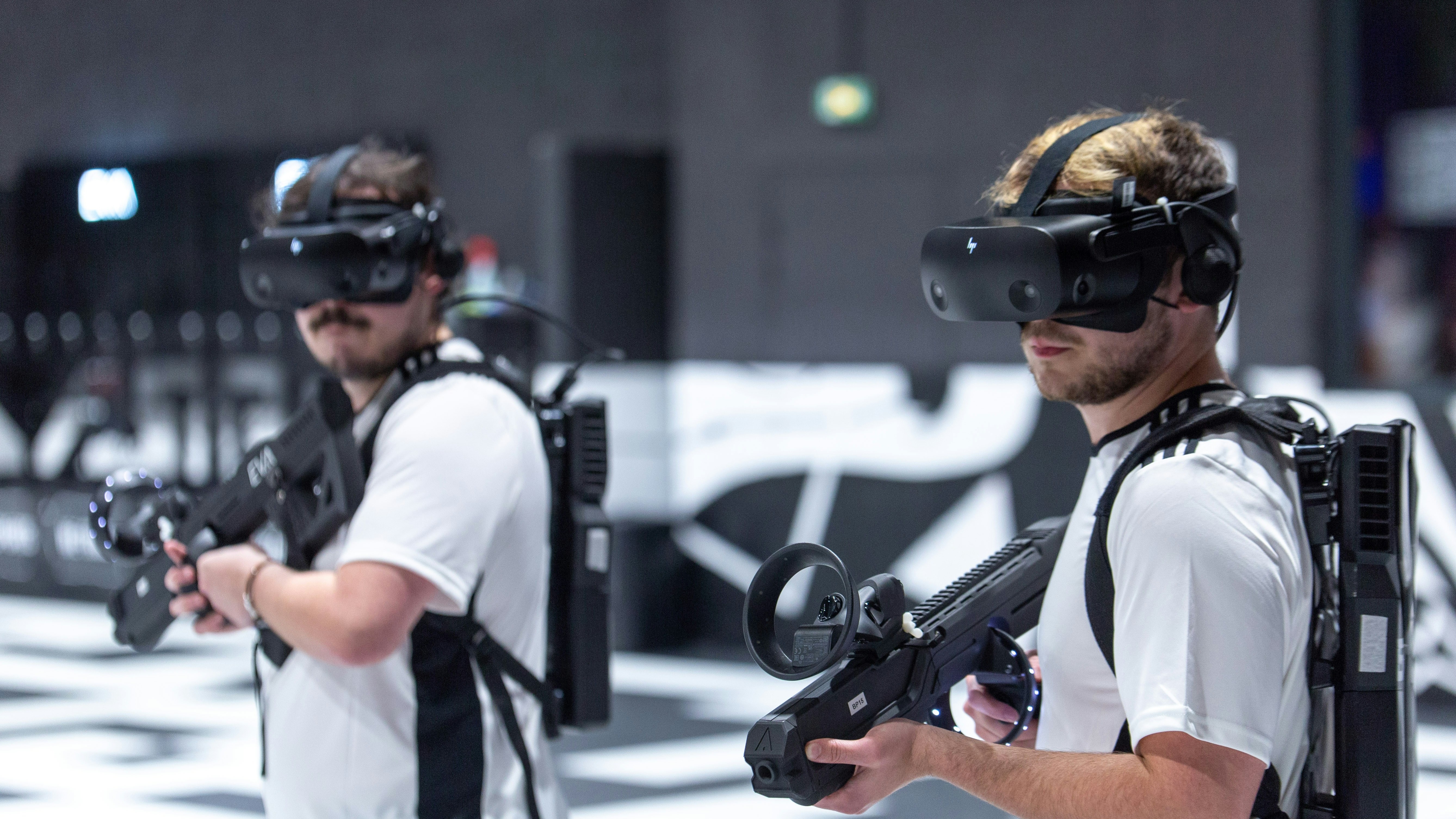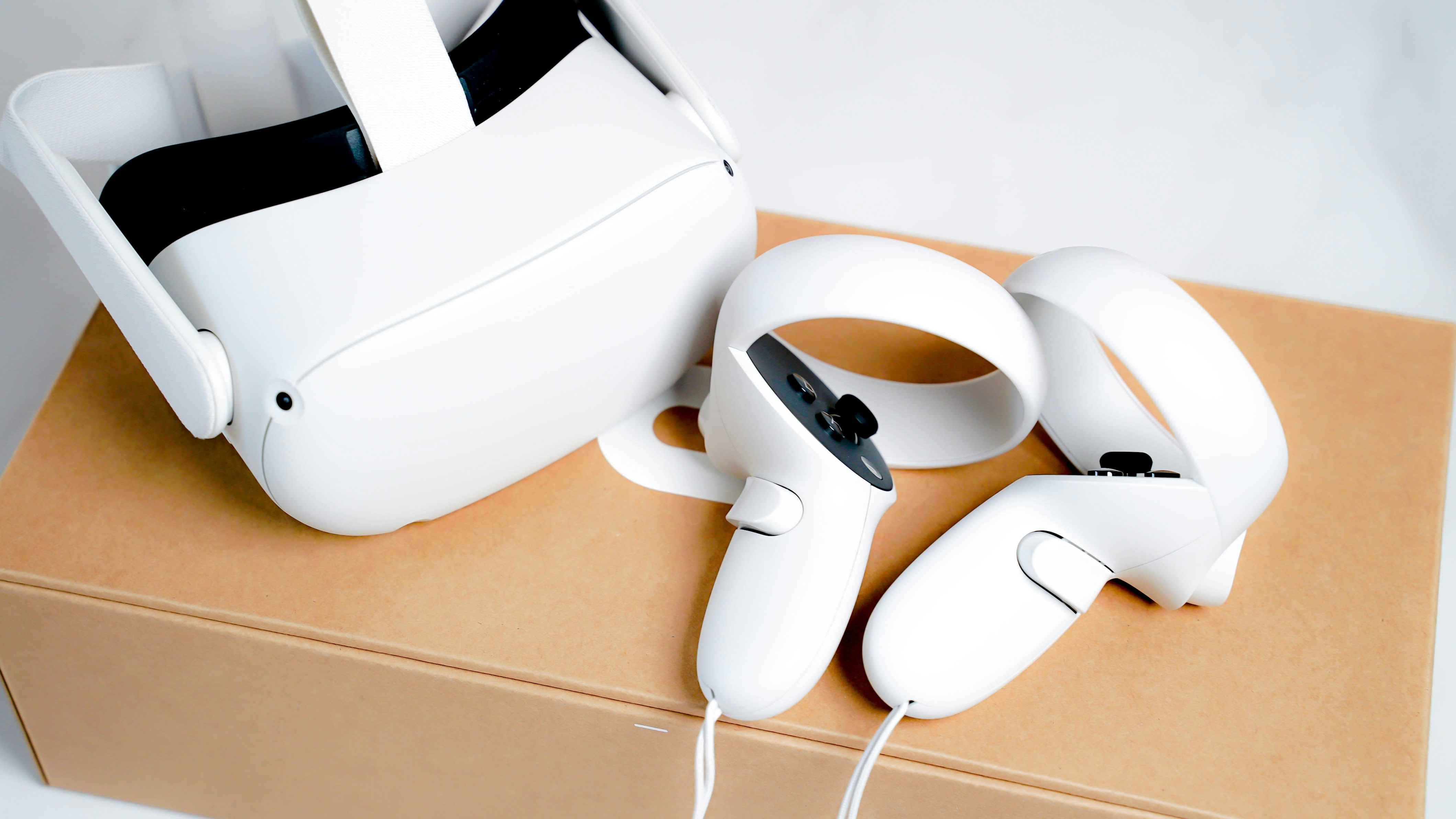
Virtual Reality (VR) and Augmented Reality (AR) are reshaping manufacturing by improving efficiency, safety, and collaboration—unlocking faster production cycles and smarter decision-making.
Source: Unsplash/Conny Schneider
Virtual technology has been around for decades, but only recently have Virtual Reality (VR) and Augmented Reality (AR) begun transforming the manufacturing industry in meaningful ways. What was once considered experimental is now becoming a practical tool for improving operations, reducing costs, and enhancing productivity.
Today, forward-thinking companies are leveraging these technologies to streamline workflows, train employees more effectively, and accelerate innovation.
Source: Unsplash/Centre for Ageing Better
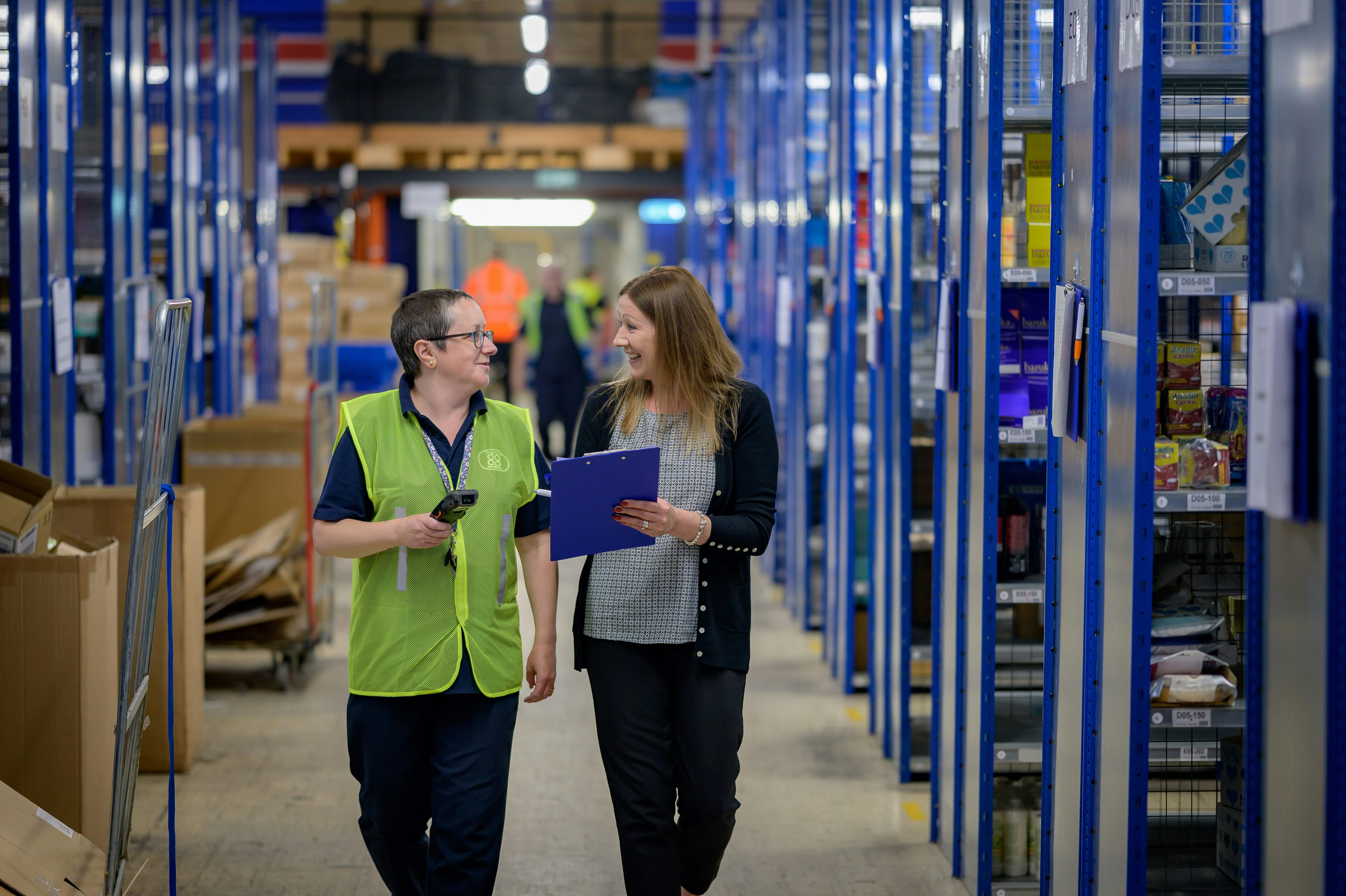
One of the earliest real-world applications of AR in manufacturing comes from DHL. By implementing AR-powered smart glasses in warehouse operations, workers receive real-time visual guidance for picking items.
This system not only reduces errors but also speeds up the process significantly. In fact, early implementations showed up to a 15% increase in efficiency—demonstrating how immersive technology can directly impact productivity.
Source: Unsplash/Kumpan Electric
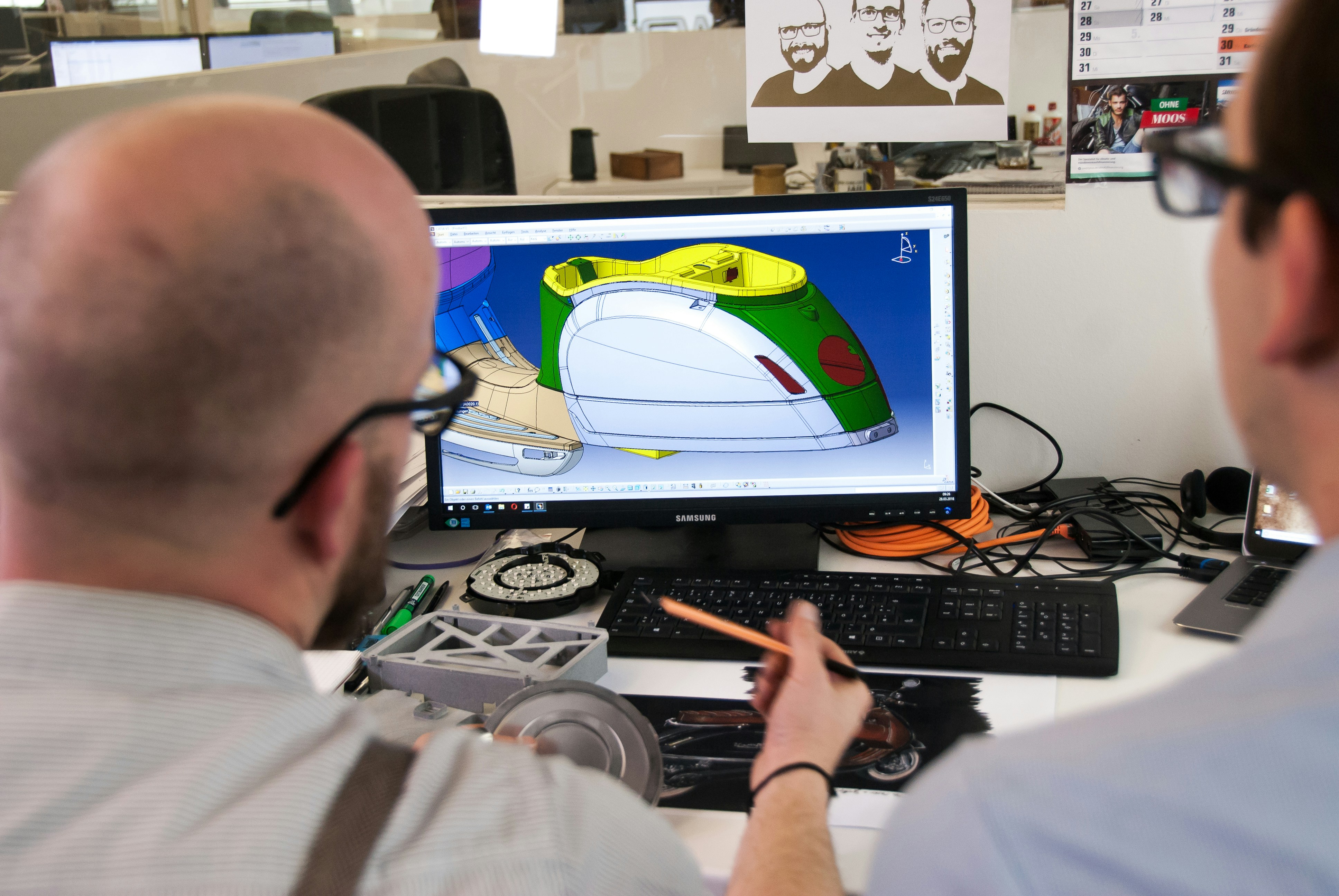
VR is revolutionizing how products are designed and assembled. Instead of relying on physical prototypes, teams can now visualize and test concepts in a fully virtual environment.
This allows companies to:
Iterate designs faster
Reduce development costs
Identify issues before production begins
In practical use, companies like Boeing utilize VR-enabled smart glasses to guide technicians through complex tasks, such as wiring repairs—reducing work time by up to 25%.

Source: Unsplash/Vitaly Gariev
Training in manufacturing often involves complex processes and potential safety risks. VR and AR offer a safer, more efficient alternative.
With immersive simulations, employees can:
Learn assembly processes step by step
Practice machine operations in a risk-free environment
Understand safety procedures more effectively
Compared to traditional training, these methods improve knowledge retention while reducing training time and costs.
Source: Unsplash/Declan Sun
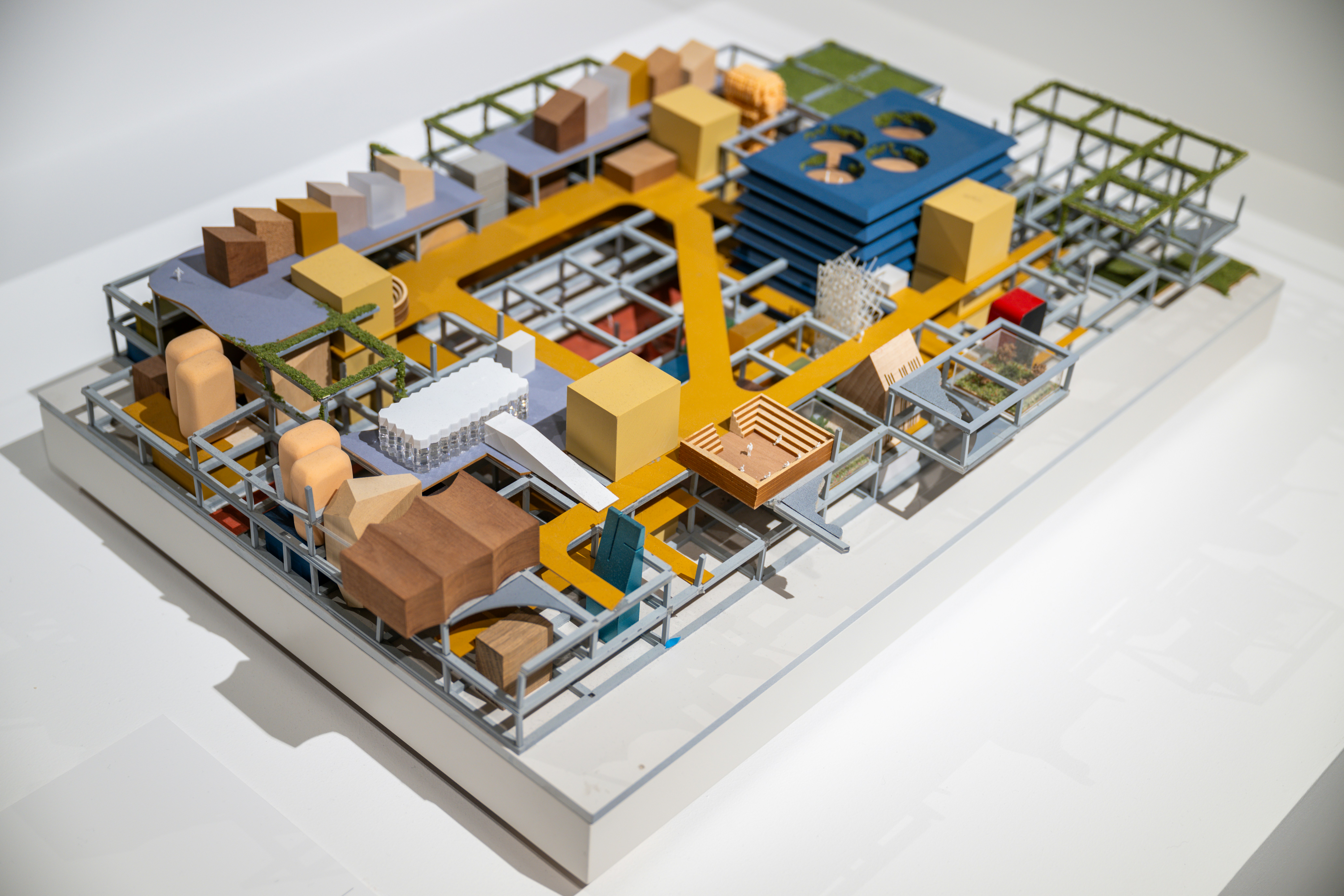
Designing or upgrading a factory layout is a complex and expensive process. VR allows manufacturers to simulate entire production environments before making physical changes.
Through virtual planning, companies can:
Test workflows and production lines
Optimize equipment placement
Improve ergonomics and worker efficiency
This reduces costly errors and accelerates the time needed to launch new production setups.

Source: Unsplash/Vitaly Gariev
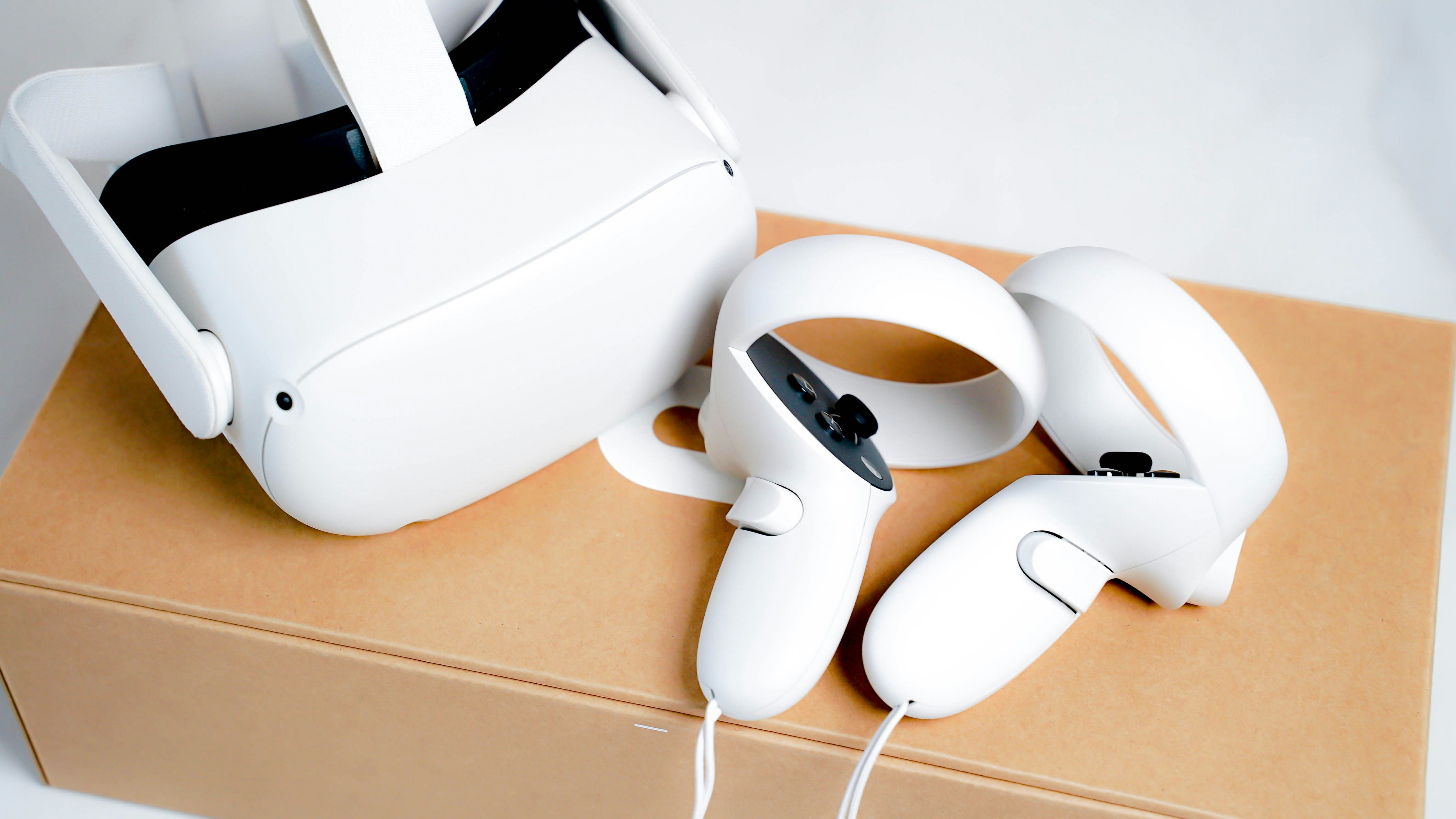
In global manufacturing environments, collaboration can be challenging. VR removes geographical barriers by enabling teams to meet in shared virtual spaces.
Engineers, designers, and stakeholders can:
Interact with 3D models in real time
Review designs collaboratively
Make faster, more informed decisions
This reduces the need for travel while improving alignment across teams.
Source: Unsplash/Vitaly Gariev
While adoption is growing, challenges such as hardware limitations—like battery life and comfort—still exist. However, rapid advancements suggest these barriers won’t last long.
Looking ahead, several innovations are expected to shape the future:
Combining VR with Artificial Intelligence and the Internet of Things will enable real-time data visualization and predictive maintenance within virtual environments.
Digital twins—virtual replicas of physical systems—will allow manufacturers to simulate and optimize entire production lines before implementation.
VR and AR will also play a bigger role in field operations, helping technicians perform maintenance, troubleshoot issues, and access real-time guidance remotely.
Virtual Reality is no longer just an emerging technology—it’s becoming a strategic asset in modern manufacturing. From improving efficiency and safety to enabling smarter collaboration and innovation, VR is reshaping how industries operate.
As technology continues to evolve, manufacturers that embrace VR and AR today will be better positioned to lead in a future defined by speed, precision, and digital transformation.

Let's collaborate to turn your vision into an impactful digital success story.
Contact Expert