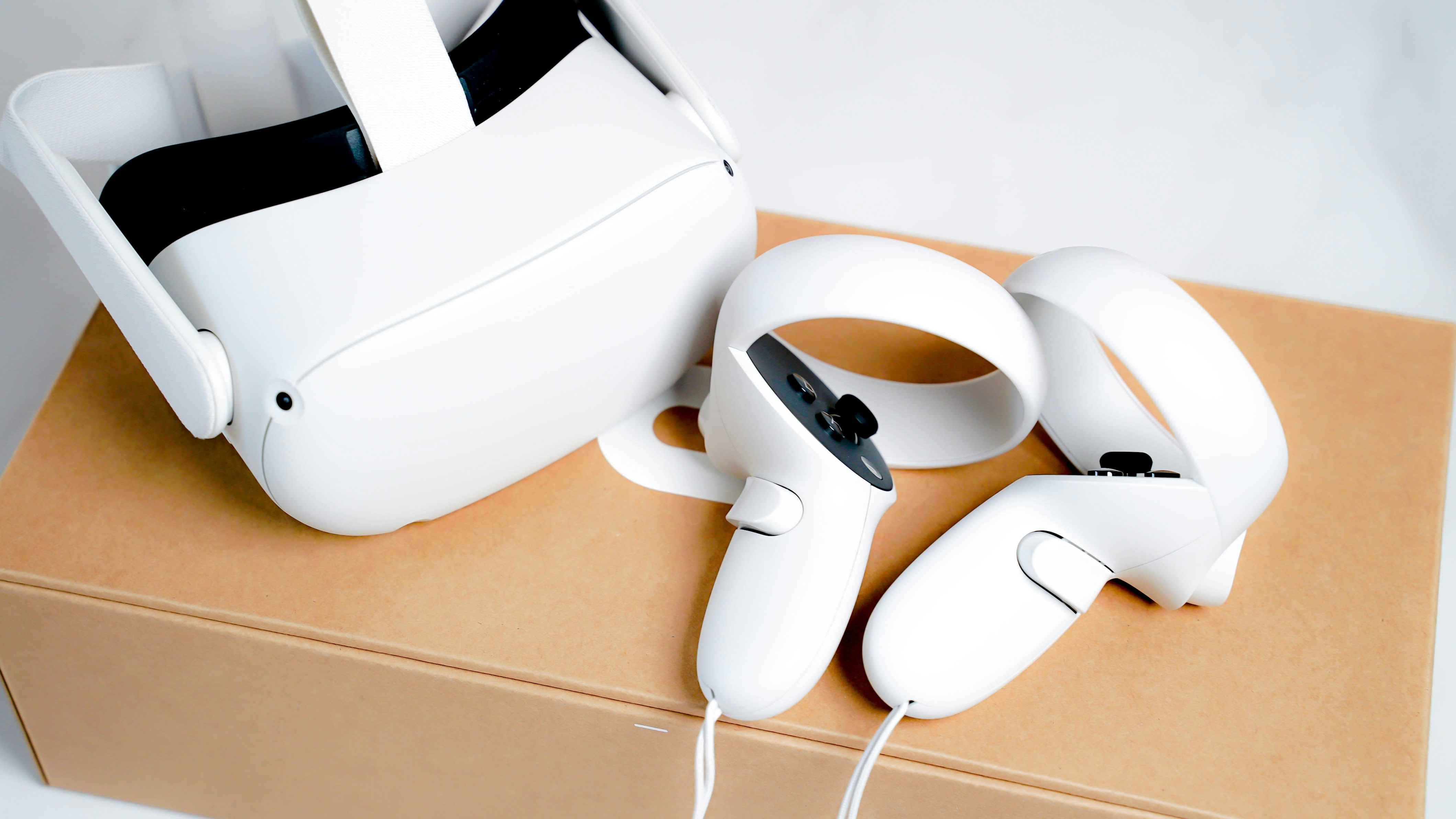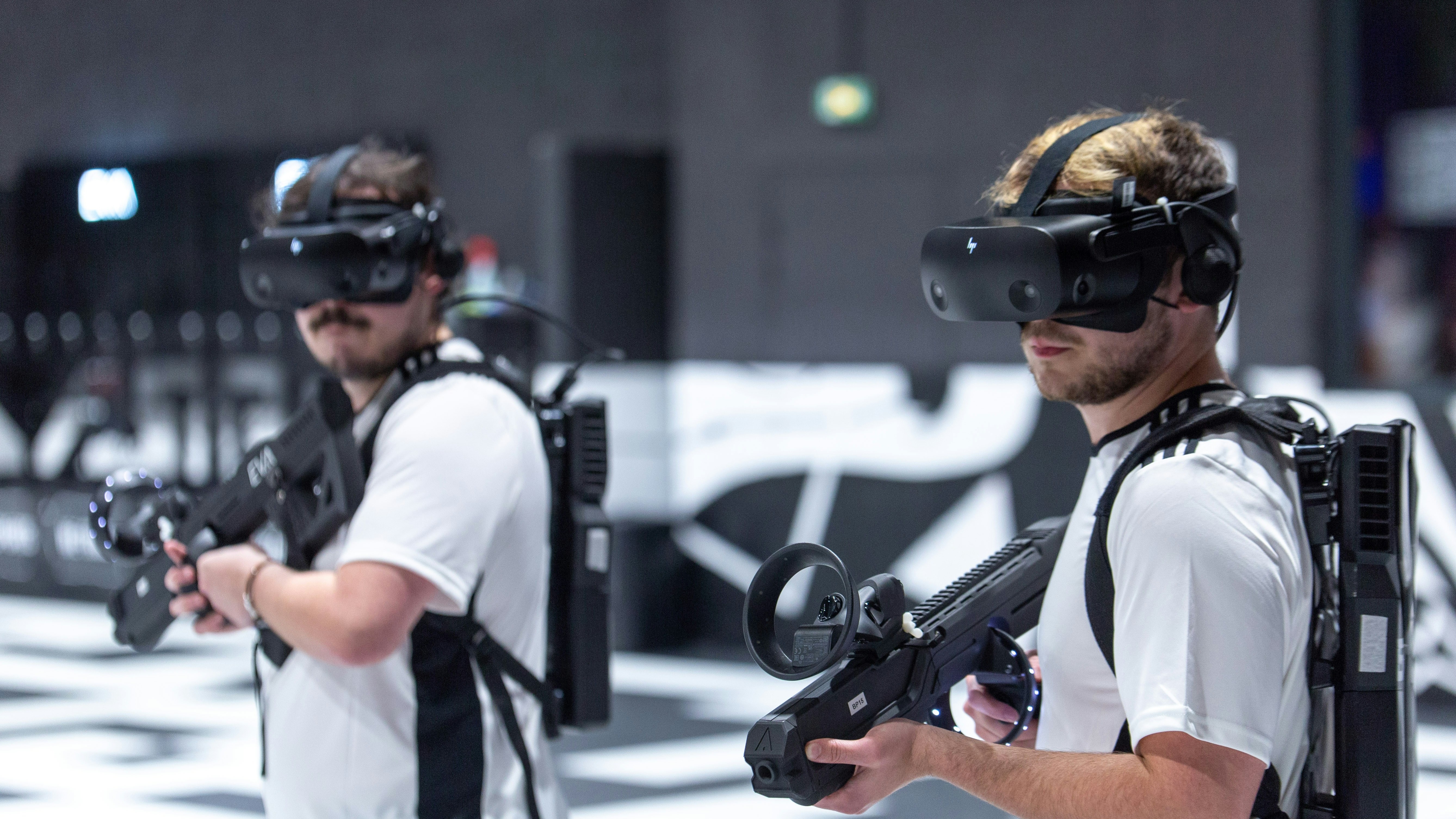
Virtual tours are widely used across industries—from real estate and tourism to retail and events—to showcase spaces, enhance customer engagement, and help audiences make more confident decisions without being physically present.
As digital experiences continue to evolve, virtual tours have become a powerful tool across multiple industries—not just for showcasing spaces, but for telling stories, building trust, and influencing decisions. By allowing audiences to explore environments remotely, businesses can create deeper engagement without requiring physical presence.
Here’s how different industries are making the most of virtual tours:

Source: Unsplash/Pablo Heimplatz
For event organizers, choosing the right venue is a critical decision. Virtual tours simplify this process by offering a realistic preview of a location’s layout, size, and overall atmosphere. Instead of relying solely on photos or floor plans, organizers can “walk through” the space and better understand how an event might flow—from entrance points to seating arrangements.
On the other side, hotels and event venues use virtual tours as a strategic marketing tool. By showcasing their facilities in an interactive way, they can attract potential clients more effectively and stand out in a competitive market.

Source: Study Case by wiFinite
Physical businesses such as retail stores, restaurants, hotels, and even fitness centers are increasingly using virtual tours to enhance customer experience before the first visit.
A virtual tour acts as a digital storefront—giving potential customers a sense of the ambiance, layout, and overall vibe. This can be especially influential in decision-making, as customers feel more confident visiting a place they’ve already “experienced” online.
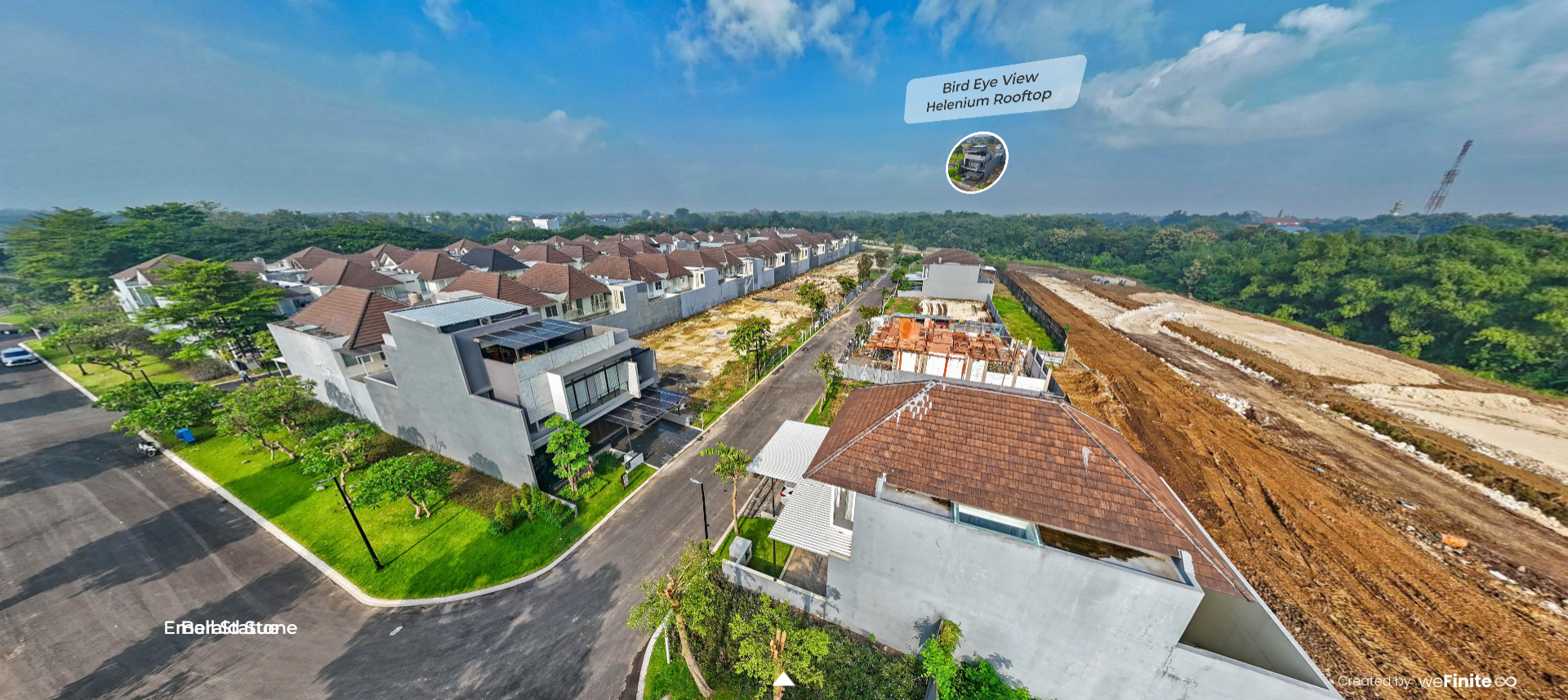
Source: Study Case by wiFinite
The real estate industry is one of the biggest adopters of virtual tour technology. Buyers and renters can explore properties anytime, anywhere, without the need for multiple in-person visits.
Virtual tours provide a clearer understanding of space, layout, and flow compared to static images. They are also highly valuable for showcasing properties that are still under construction, helping potential buyers visualize the final result and make more informed decisions.

Source: Unsplash/Sebastian Pena Lambari
In the tourism sector, virtual tours serve as a powerful promotional tool. They allow travelers to preview destinations, hotels, and attractions before booking a trip.
By offering a glimpse of the experience—whether it’s a scenic beach, a luxury resort, or a cultural landmark—virtual tours help spark interest and build confidence. This can significantly influence travel decisions and increase booking conversions.
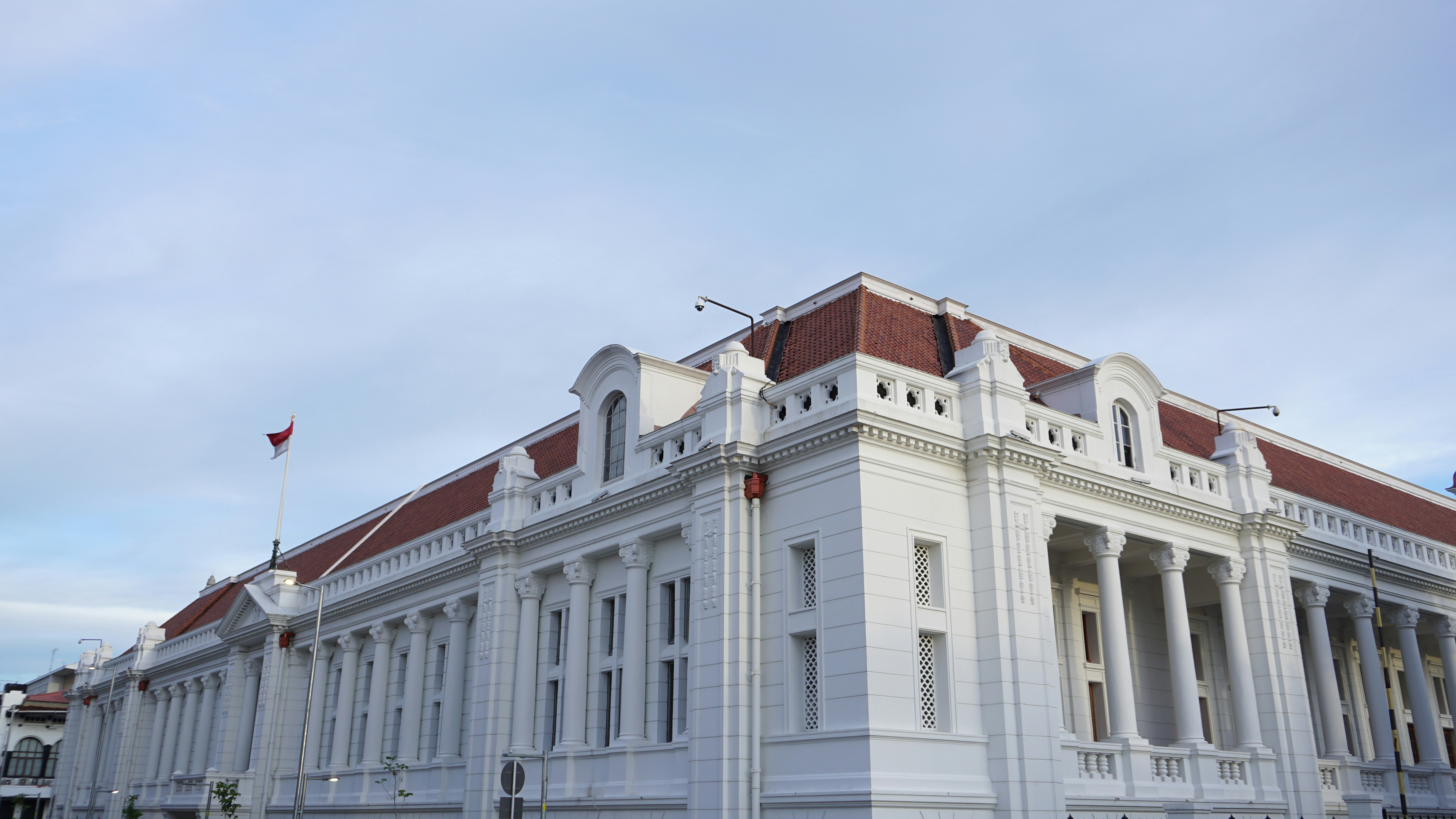
Source: Unsplash/Rifan 29
Museums, galleries, and cultural institutions use virtual tours to make art and history more accessible to a global audience.
Through interactive features such as zoom, guided navigation, and audio storytelling, users can engage with exhibits in a more meaningful way. This not only enhances the educational experience but also ensures that cultural content can be enjoyed beyond physical boundaries.

Source: Unsplash/Nathan Trampe
In the automotive world, virtual tours offer a new way for customers to explore vehicles in detail. Instead of relying on static images or videos, users can navigate through a car’s interior, examine features, and get a closer look at design elements.
This interactive experience helps potential buyers feel more connected to the product, making the research process more engaging and informative.
Virtual tours are no longer just an innovative add-on—they have become an essential part of how businesses communicate and connect with their audiences.
From marketing and sales to education and storytelling, virtual tours provide a dynamic way to showcase spaces and experiences. When used effectively, they don’t just present information—they create memorable interactions, build trust, and ultimately drive better decision-making.

Let's collaborate to turn your vision into an impactful digital success story.
Contact Expert