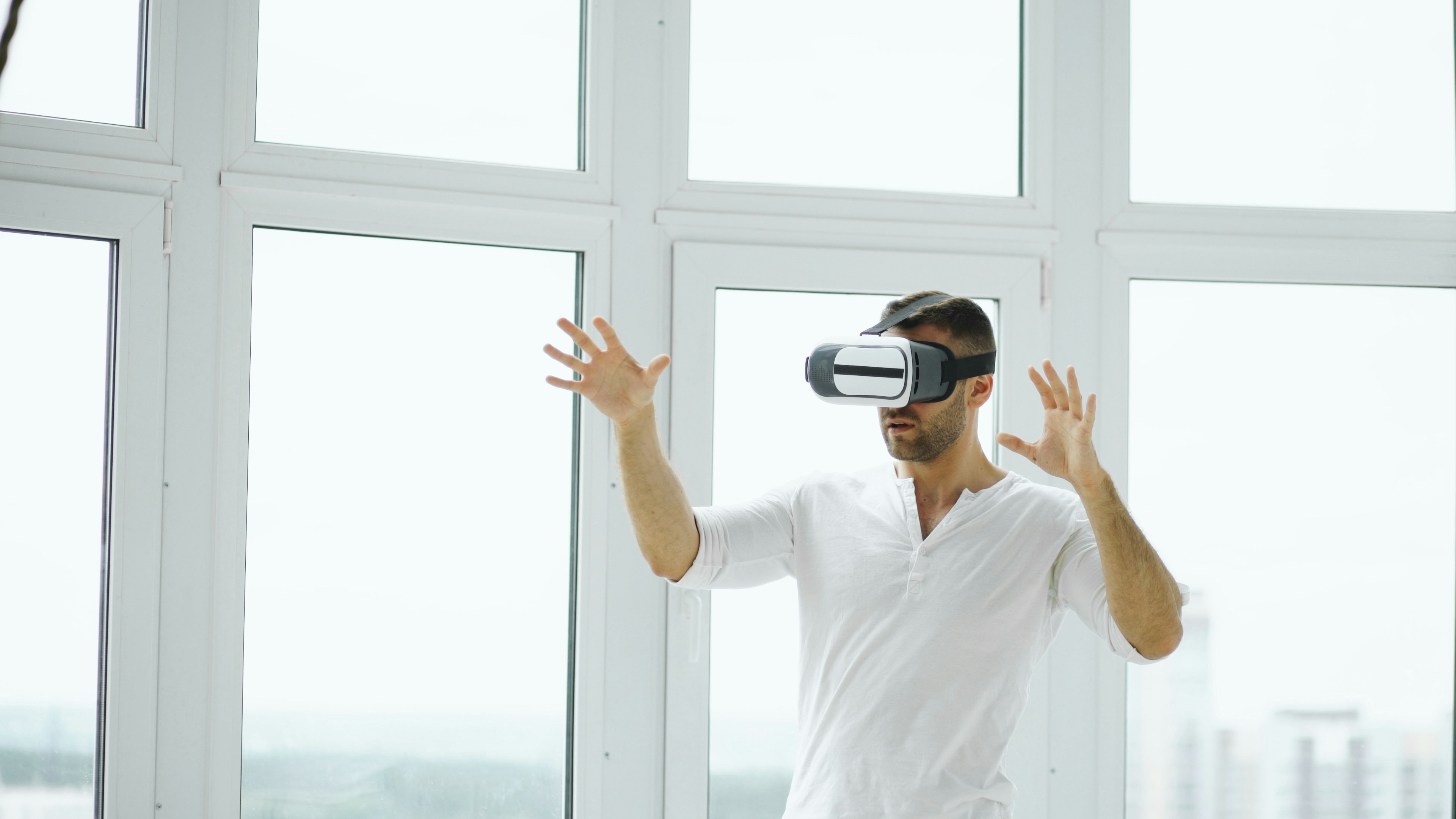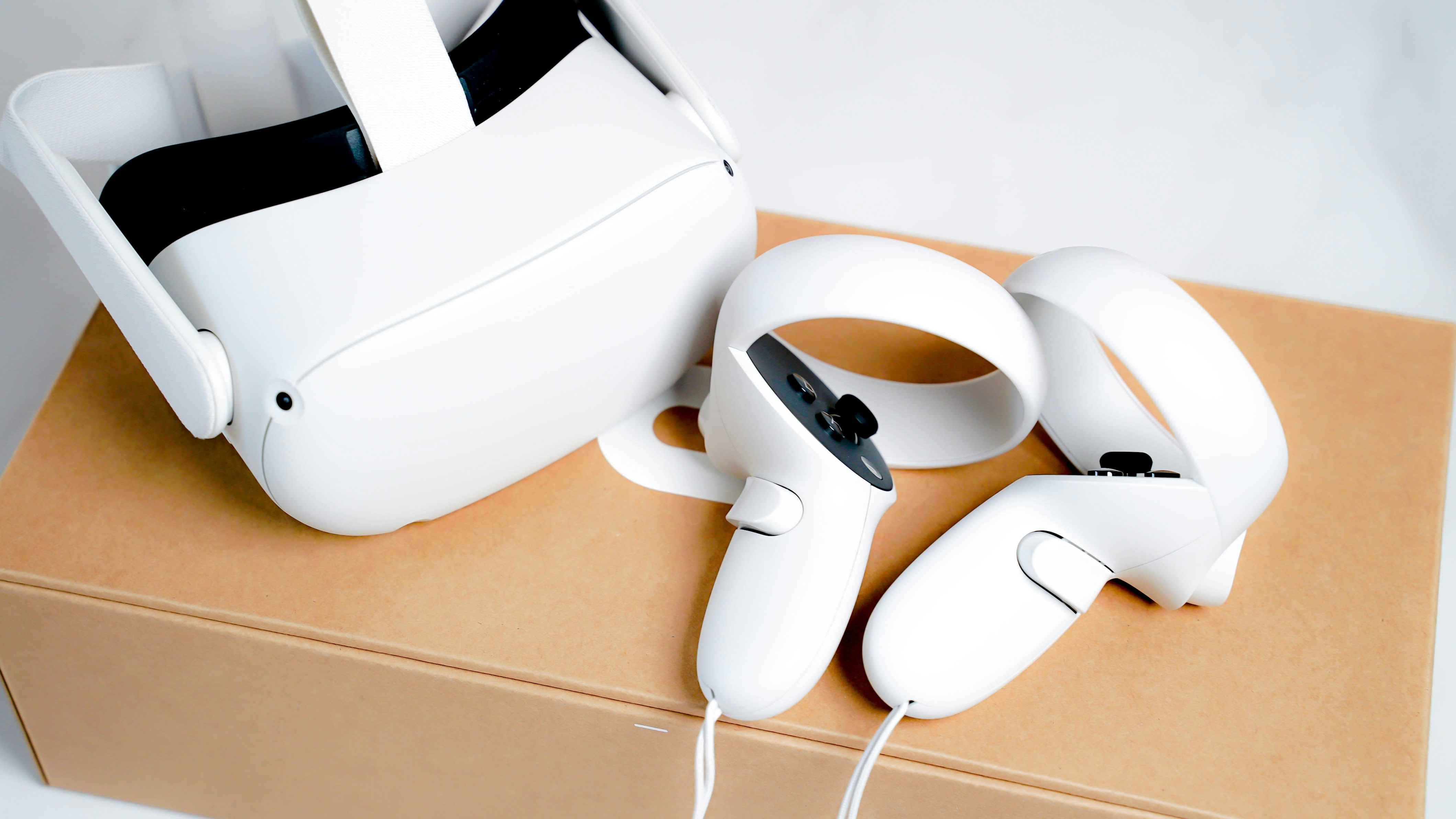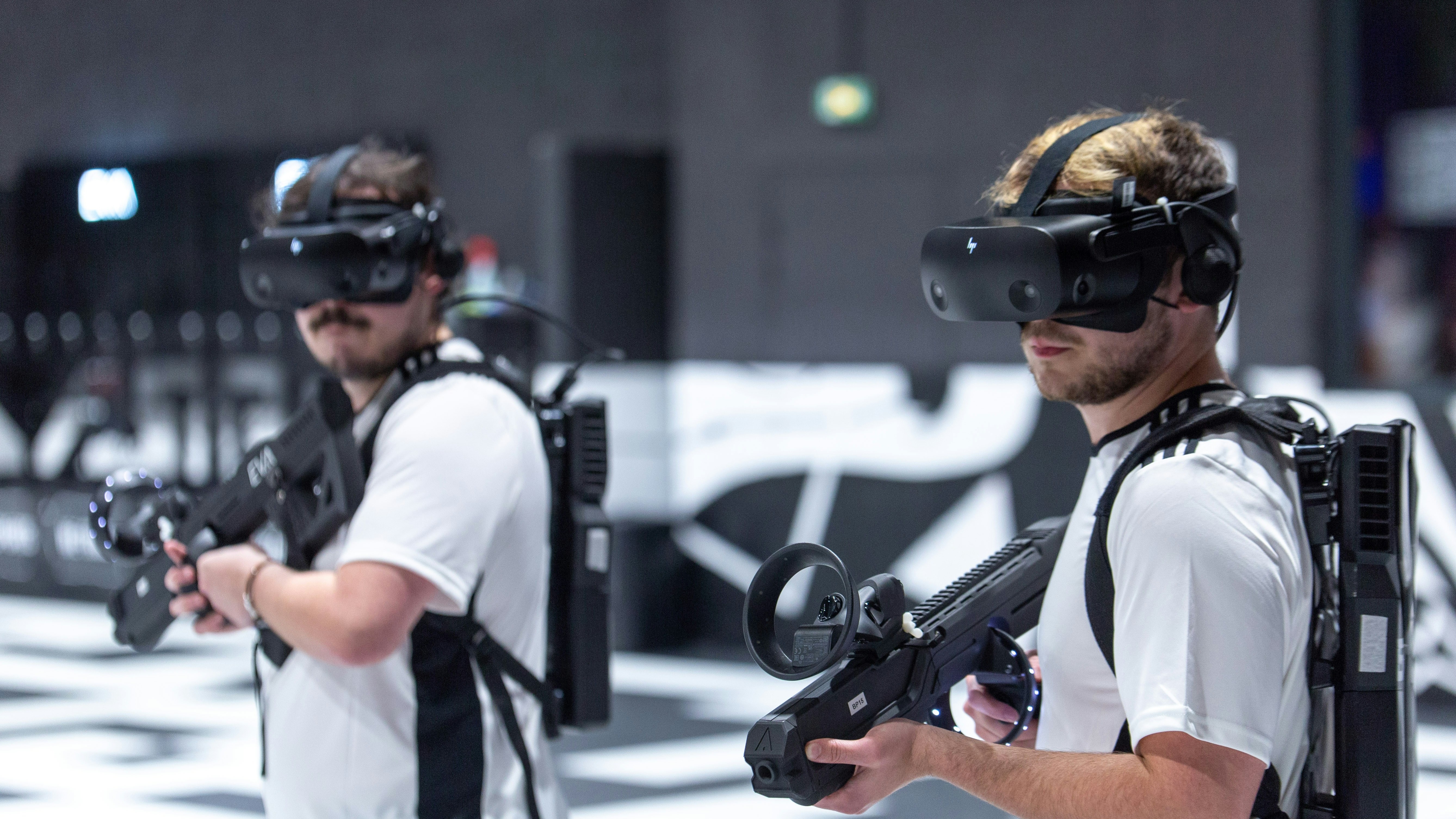
Virtual Reality (VR) is transforming how we learn, play, and interact by creating immersive digital experiences making it one of the most promising technologies shaping the future across industries.
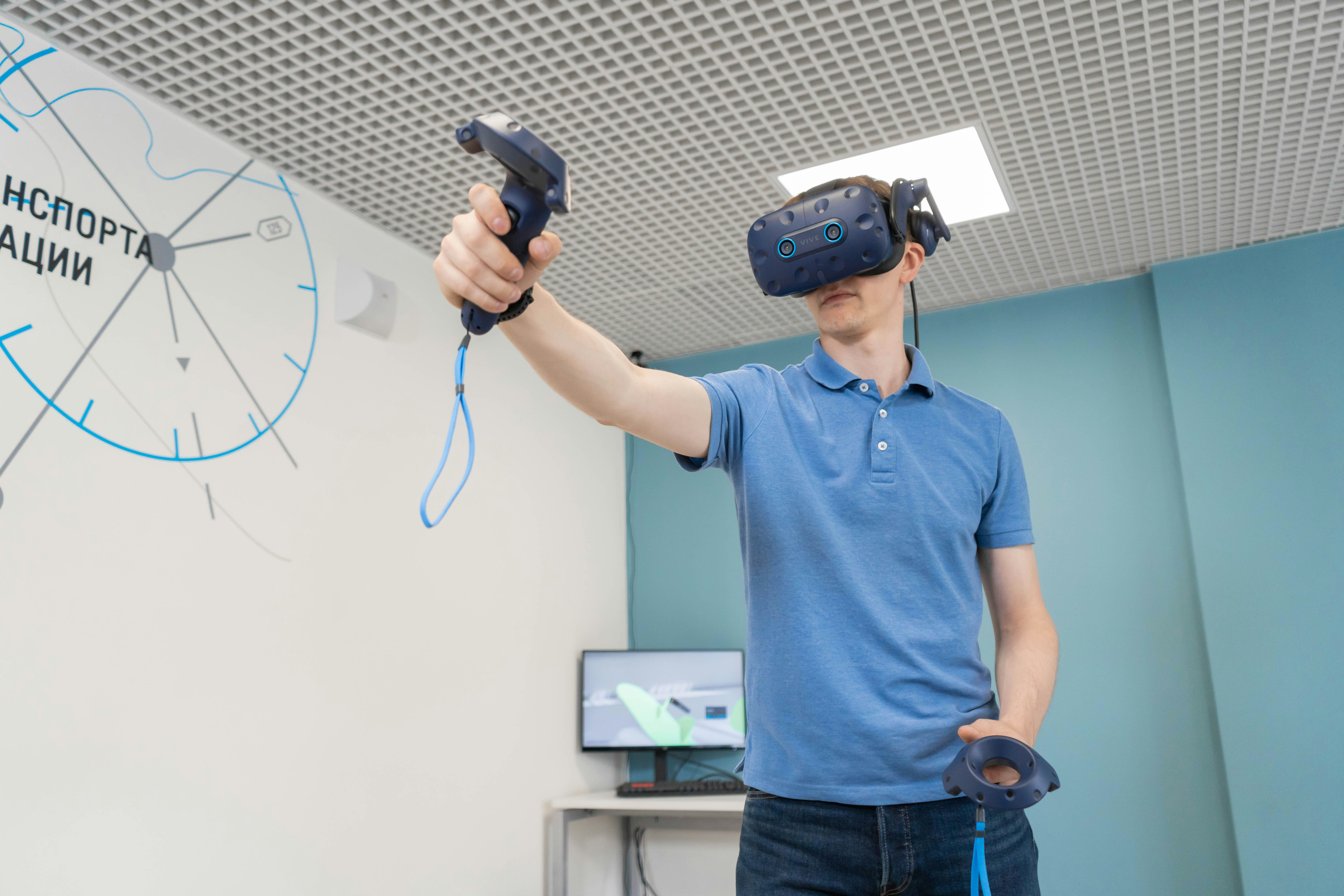
Source: Unsplash/RUT MIT
Have you ever played games on a console using a TV screen? For many of us, that was the peak of interactive entertainment. But technology has evolved rapidly—and today, we’re entering a new era where you don’t just play the game… you step inside it.
This is the world of Virtual Reality (VR).
In Indonesia and around the globe, VR is no longer limited to gaming. It’s becoming part of education, business, and everyday digital experiences. So the question is: Is VR really the future?
Let’s explore.
This is the simulated environment where users exist digitally, often represented by avatars. It’s the foundation of the VR experience.
Immersion is what makes VR feel real. It can be:
Mental immersion: feeling mentally present in the virtual space
Physical immersion: sensing physical presence in the environment
Emotional immersion: becoming deeply engaged in the experience
VR stimulates your senses—primarily sight and sound, and sometimes touch—making the experience feel more lifelike.
Users can interact with objects and environments in real time. This responsiveness is what turns VR into an experience, not just a visual.
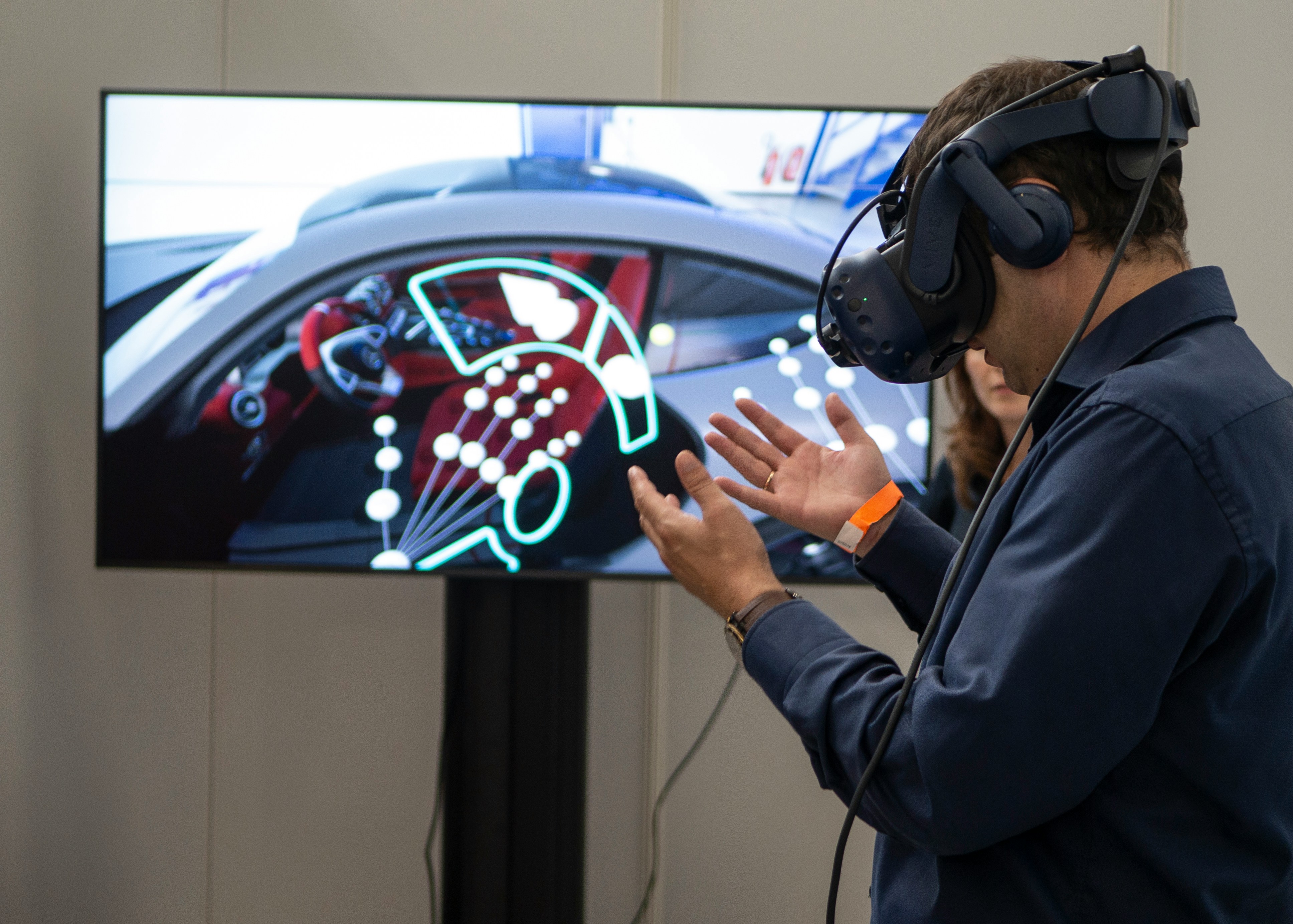
Source: Unsplash/XR Expo
VR works by projecting visuals through a headset connected to a device (such as a PC or console). These visuals are processed by software and displayed through specialized lenses.
Your brain then interprets these images as a real environment. Over time, your senses adapt, making the experience feel natural and immersive.
However, it’s important to note that prolonged use can sometimes cause discomfort, such as dizziness or motion sickness.

Source: Unsplash/Vitaly Gariev
All signs point to yes.
VR is no longer just a trend—it’s becoming a core technology across industries. From education and healthcare to real estate and marketing, VR is reshaping how we learn, explore, and make decisions.
As technology continues to evolve, VR will become more accessible, more realistic, and more integrated into our daily lives.
Virtual Reality is changing the way we interact with the digital world. It turns imagination into experience, making learning more engaging, entertainment more immersive, and communication more impactful.
While it still has limitations, its potential is undeniable. VR is not just the future of gaming—it’s the future of how we experience reality itself.

Let's collaborate to turn your vision into an impactful digital success story.
Contact Expert