Virtual tours are immersive digital experiences—ranging from 360 views to VR—that allow people to explore spaces remotely while helping businesses showcase locations, engage audiences, and influence decisions more effectively.
In today’s digital era, the way people explore places has evolved significantly. You no longer need to physically visit a location to experience it—you can now “walk through” a space right from your screen. This is what we call a virtual tour.
Source: Unsplash/Patrick Schneider
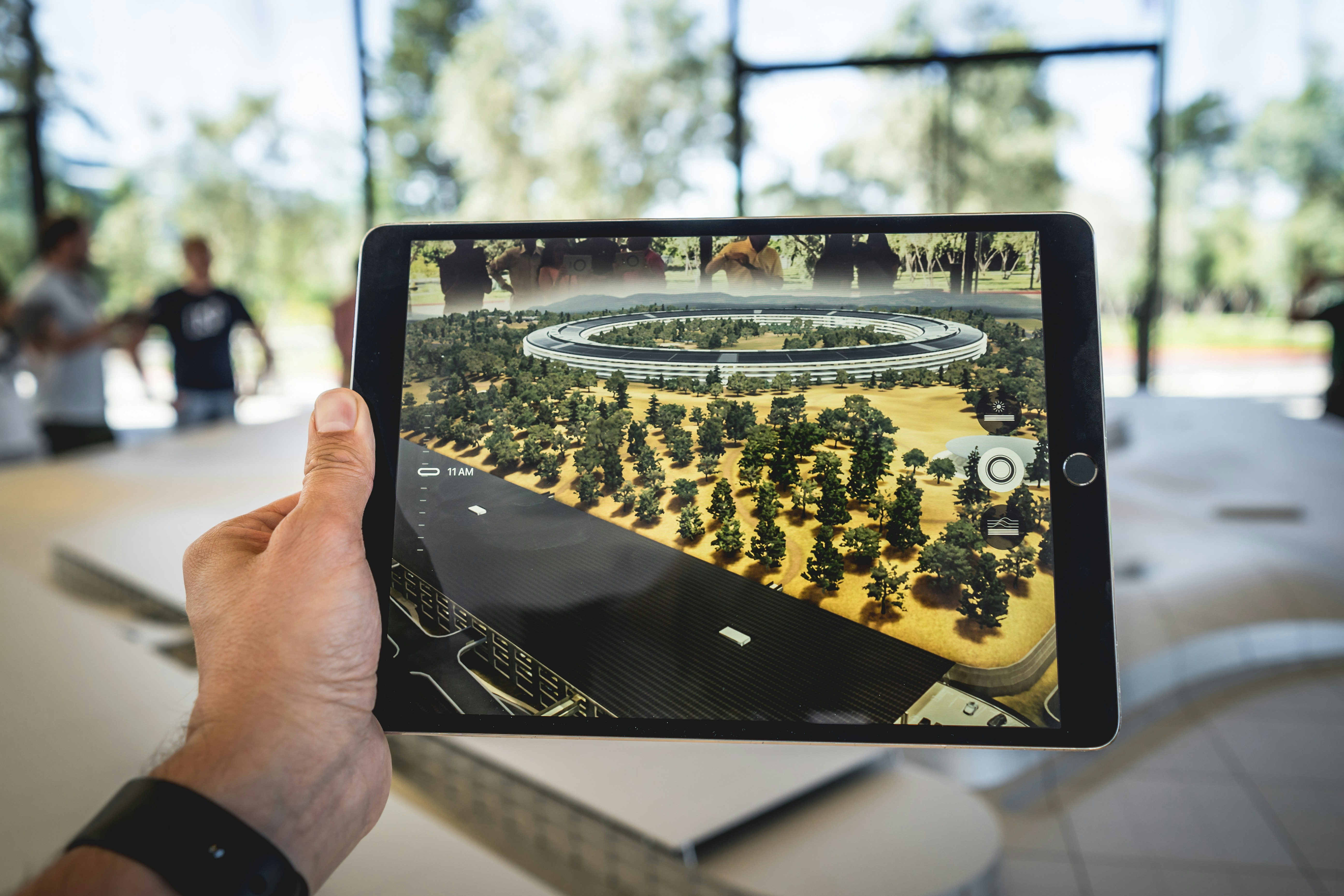
A virtual tour is a digital representation of a real or imagined space, designed to simulate the experience of being there. It often uses 360-degree visuals or 3D rendering to create an immersive environment.
Most virtual tours include interactive elements called hotspots, which allow users to navigate from one point to another—just like moving through a physical space.
You might hear different terms for virtual tours, such as:
360 tour
3D tour
Immersive experience
Interactive tour
Virtual Reality (VR) tour
While the names vary, the goal remains the same: to recreate the feeling of exploring a place in a realistic and engaging way.
Types of Virtual Tours
Virtual tours come in different formats, each offering a unique level of experience. Here are the main types:
Source: Unsplash/Jose De Queiroz
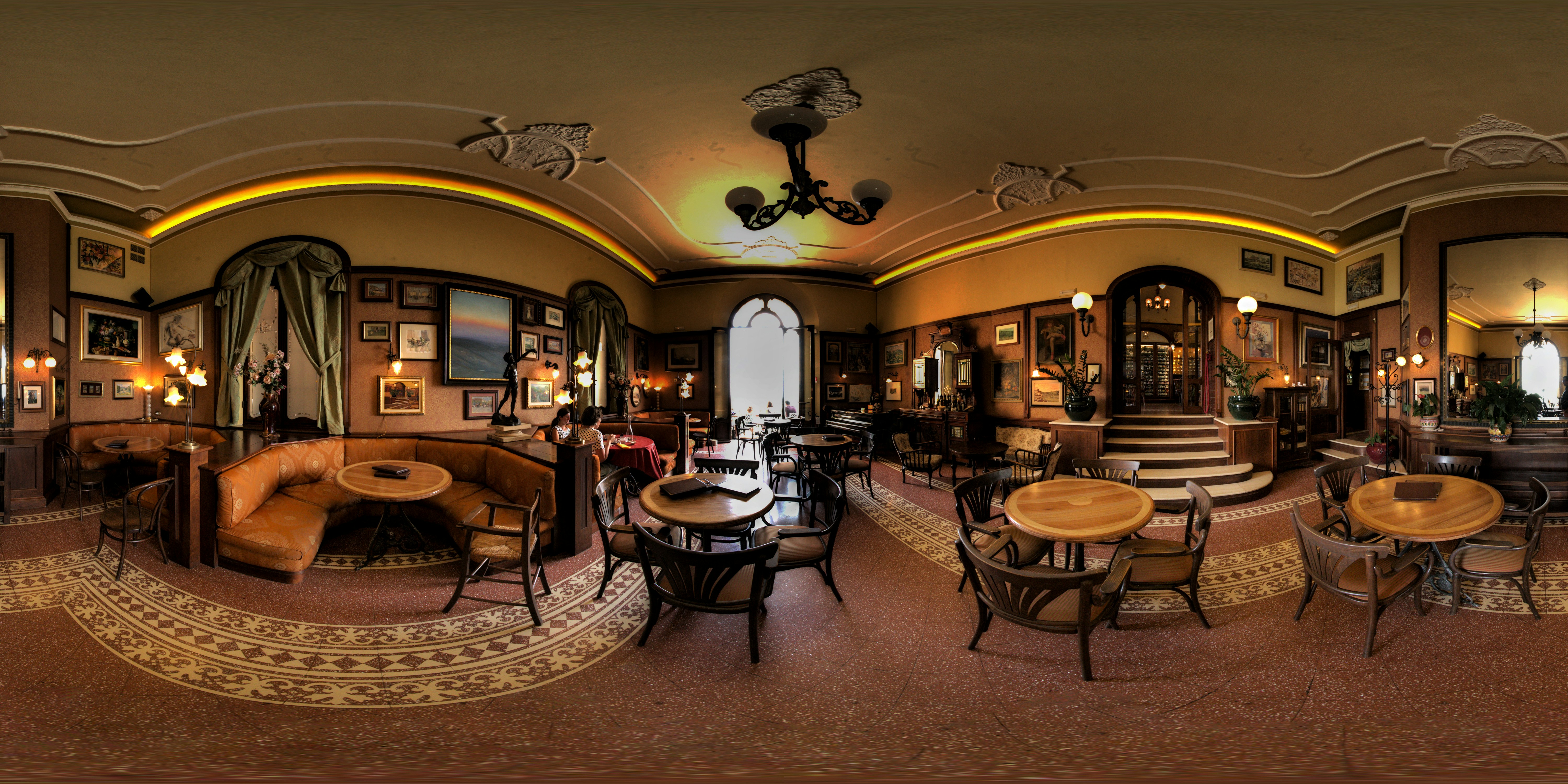
This is the most common and accessible type of virtual tour. It allows users to view a space from all angles using 360-degree images. Source: Unsplash/Jose De Queiroz
These tours are typically created by stitching multiple photos together or using a 360-degree camera. They are lightweight and easy to integrate into websites or apps.
Best used for:
Real estate listings
Tourism destinations
Event venues
Hotel

Source: Unsplash/Dinuka Lankaloka
A 3D virtual tour offers a more advanced and immersive experience. Instead of relying on photos, the entire environment is built in three dimensions.
This allows users to explore a space more freely and realistically. It’s also useful for showcasing places that haven’t been built yet or no longer exist.
Key advantages:
Highly interactive
More detailed visuals
Accessible across multiple devices
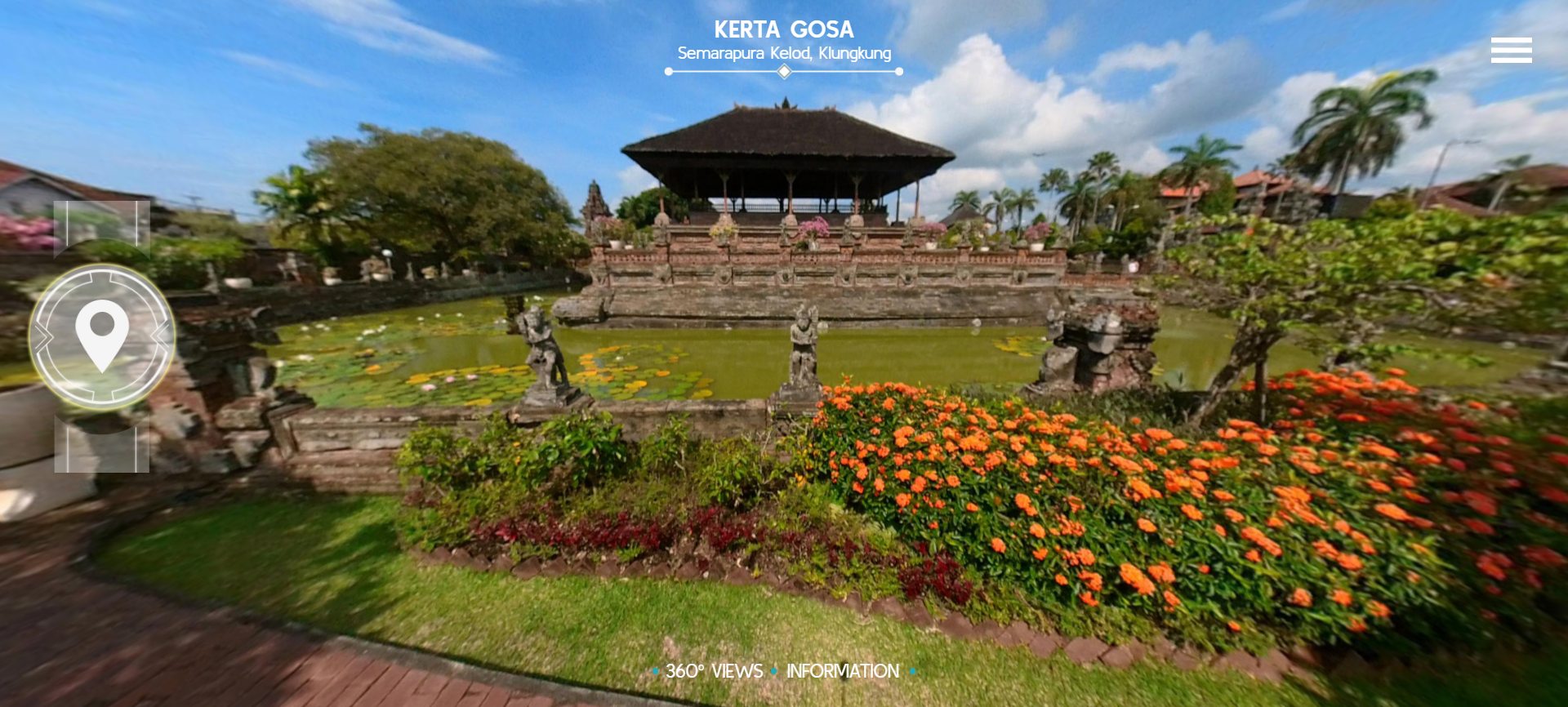
Source: virtualtour360.baliprov.go.id
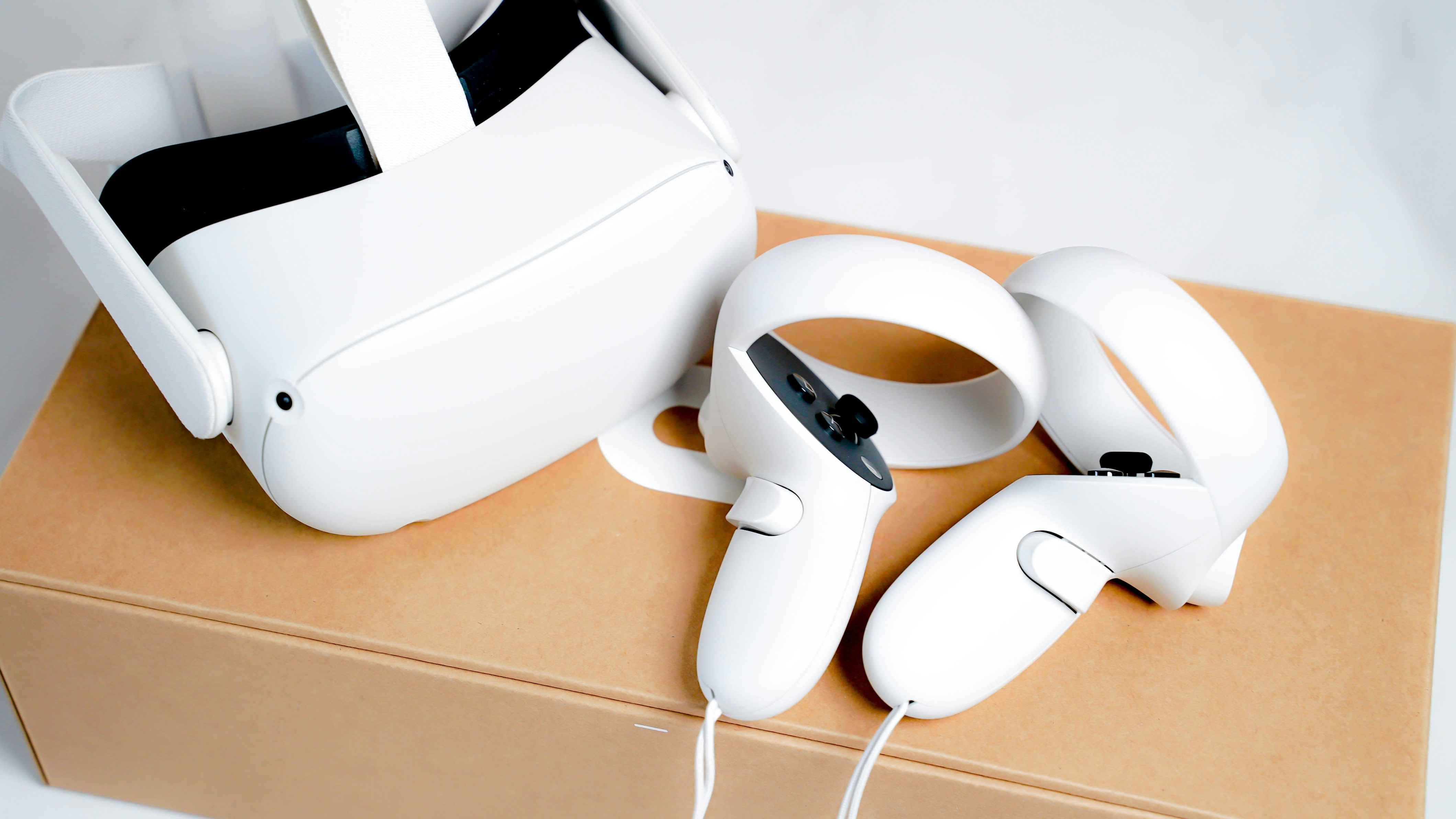
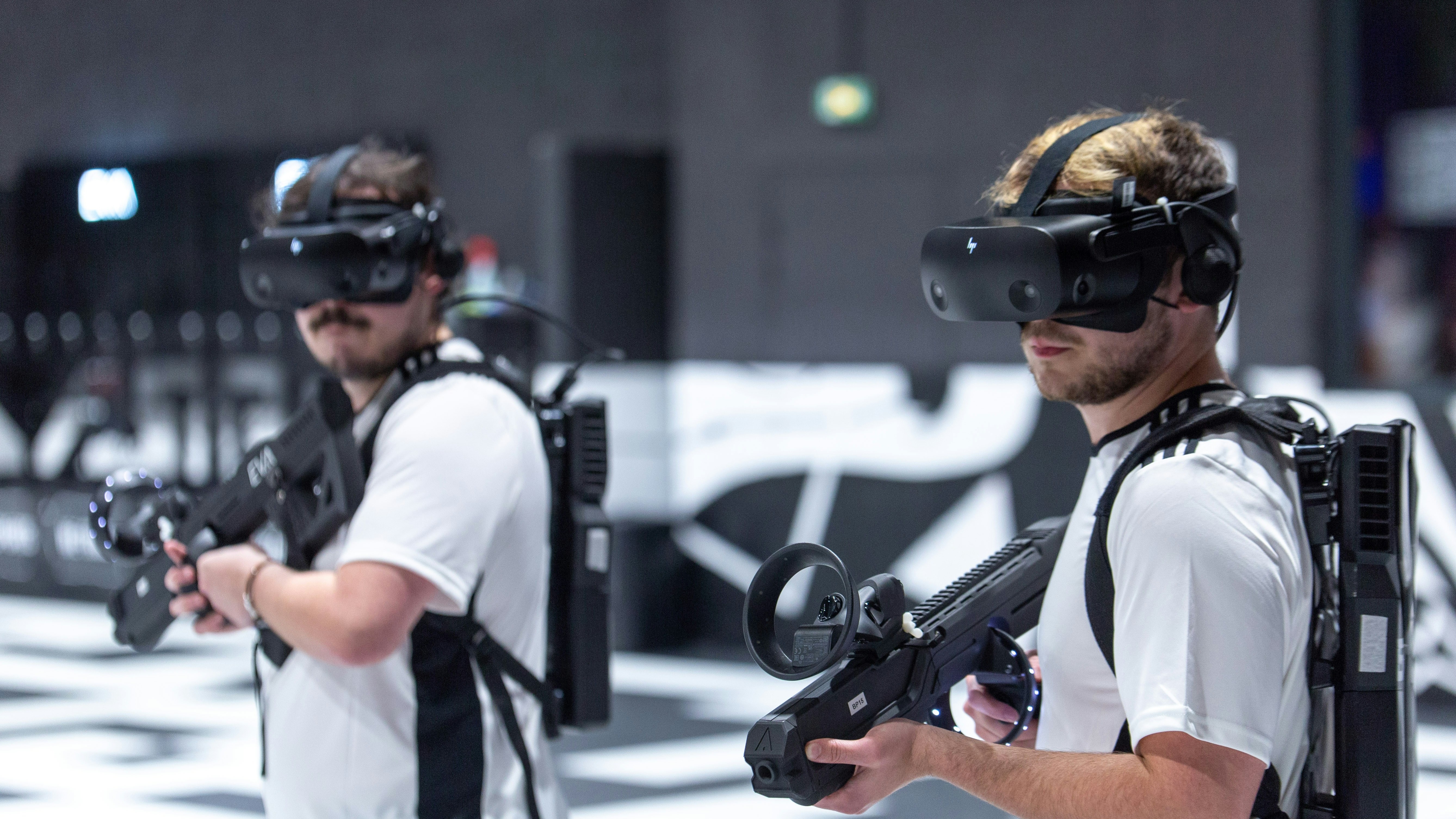
VR tours take immersion to the next level. By using a VR headset, users can feel as if they are physically present in the space.
Their view changes naturally as they move their head, and they can interact with the environment using controllers.
With the rapid growth of VR technology, this type of tour is becoming increasingly popular—especially for experiences that require deep engagement.
Ideal for:
Museums
Historical sites
Experiential venues
Virtual tours are redefining how we experience spaces—making exploration more accessible, engaging, and impactful than ever before. Whether you're showcasing a property, promoting a destination, or creating an immersive brand experience, virtual tours offer a powerful way to connect with your audience anytime, anywhere.

Let's collaborate to turn your vision into an impactful digital success story.
Contact Expert