Discover what Virtual Reality really is, how the technology works, and the key components behind immersive digital experiences. From VR headsets and motion tracking to different levels of immersion, this article explores the technology shaping how we interact with digital environments.
Source: Unsplash/Adrià García Sarceda
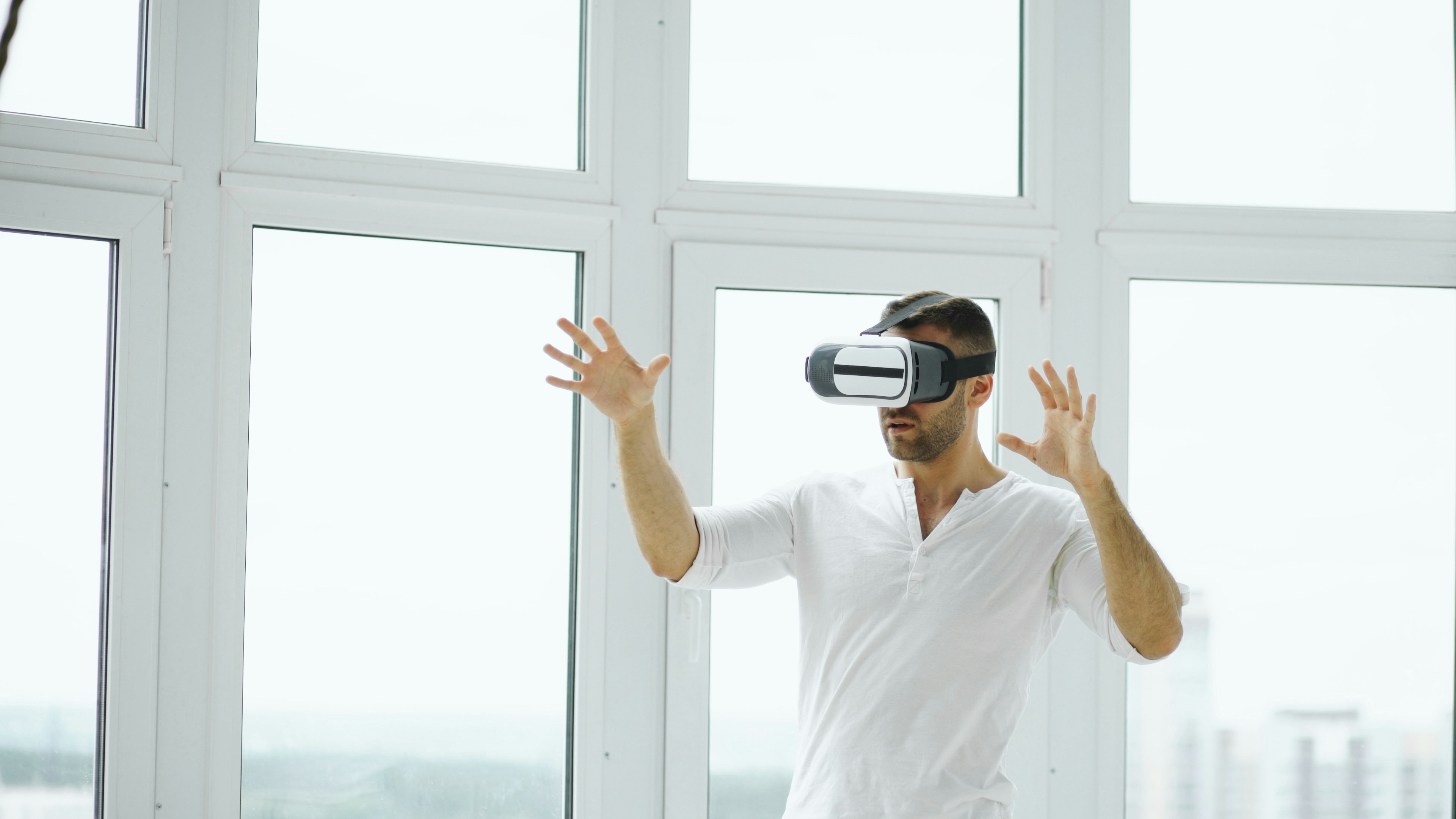
Virtual Reality, or VR, is a technology that creates a computer generated environment where users can interact with a digital world in an immersive way. Unlike traditional screens, VR allows users to feel as though they are inside the environment rather than simply viewing it.
Today, VR is used across various industries, including gaming, education, healthcare, architecture, tourism, and marketing. Its ability to create interactive digital experiences makes it useful for visualizing complex concepts, exploring environments, and simulating real world situations.
Virtual Reality is a technology that allows users to immerse themselves in an artificial, computer generated environment and interact with it in real time.
The digital environment can be designed to replicate real spaces or create entirely fictional worlds. This makes VR particularly useful when users need to understand a space, experience a situation, or explore something that may not be physically accessible.
The development of VR technology dates back to the 1960s, when early head mounted display systems were introduced. Since then, VR has evolved through improvements in display technology, motion tracking, sensors, and computer generated graphics.
VR works by combining hardware and software to simulate a realistic three dimensional environment.
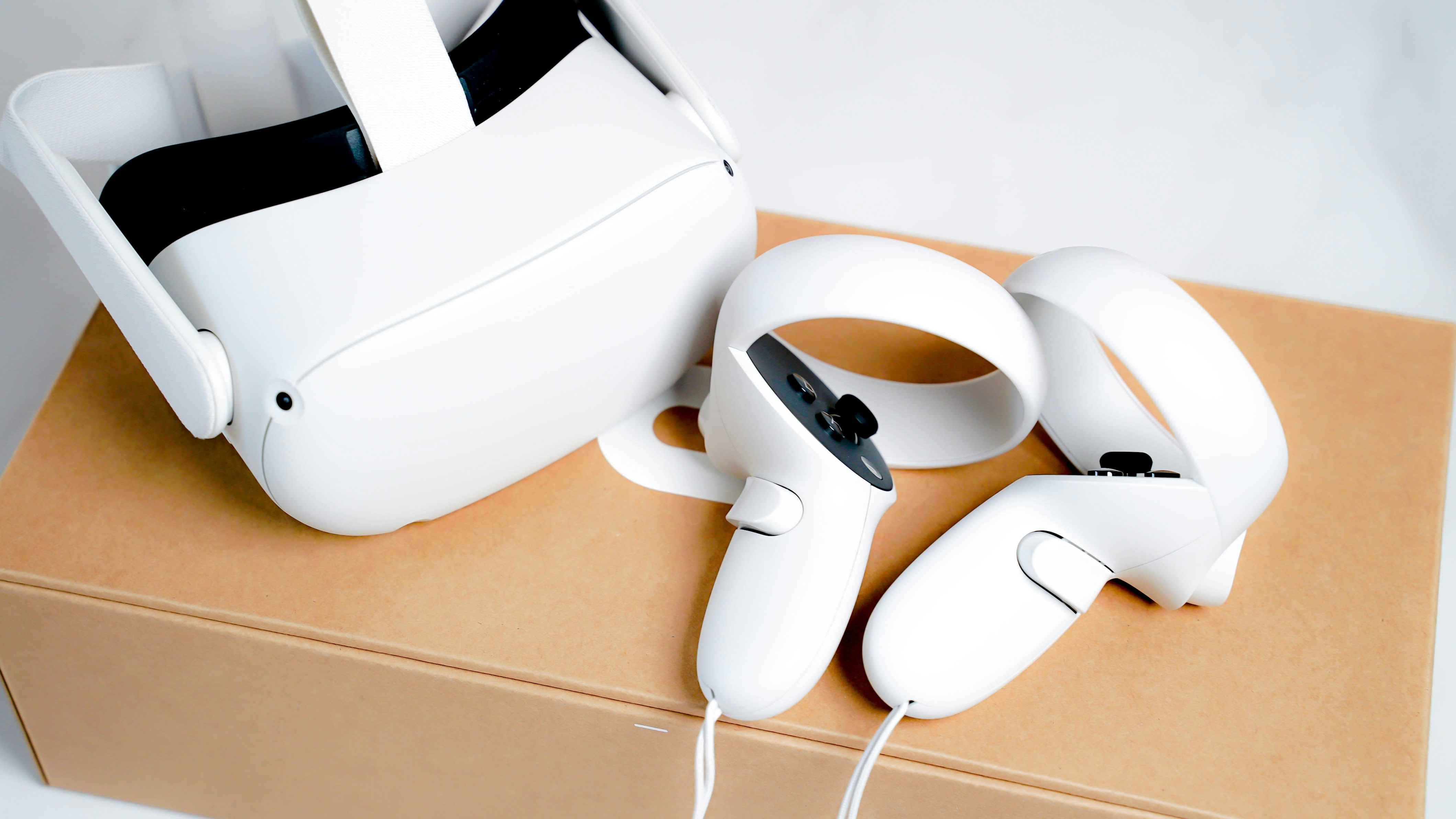
The hardware typically includes a VR headset, screens, lenses, sensors, and input devices. These components work together to display the virtual environment and detect the user's movements.
The software creates the digital environment using computer generated graphics, audio, and other sensory elements. Motion tracking then allows the virtual environment to respond to the user's movements in real time.
This combination creates the sense that users are physically present inside a digital environment.
Several components contribute to a VR experience.
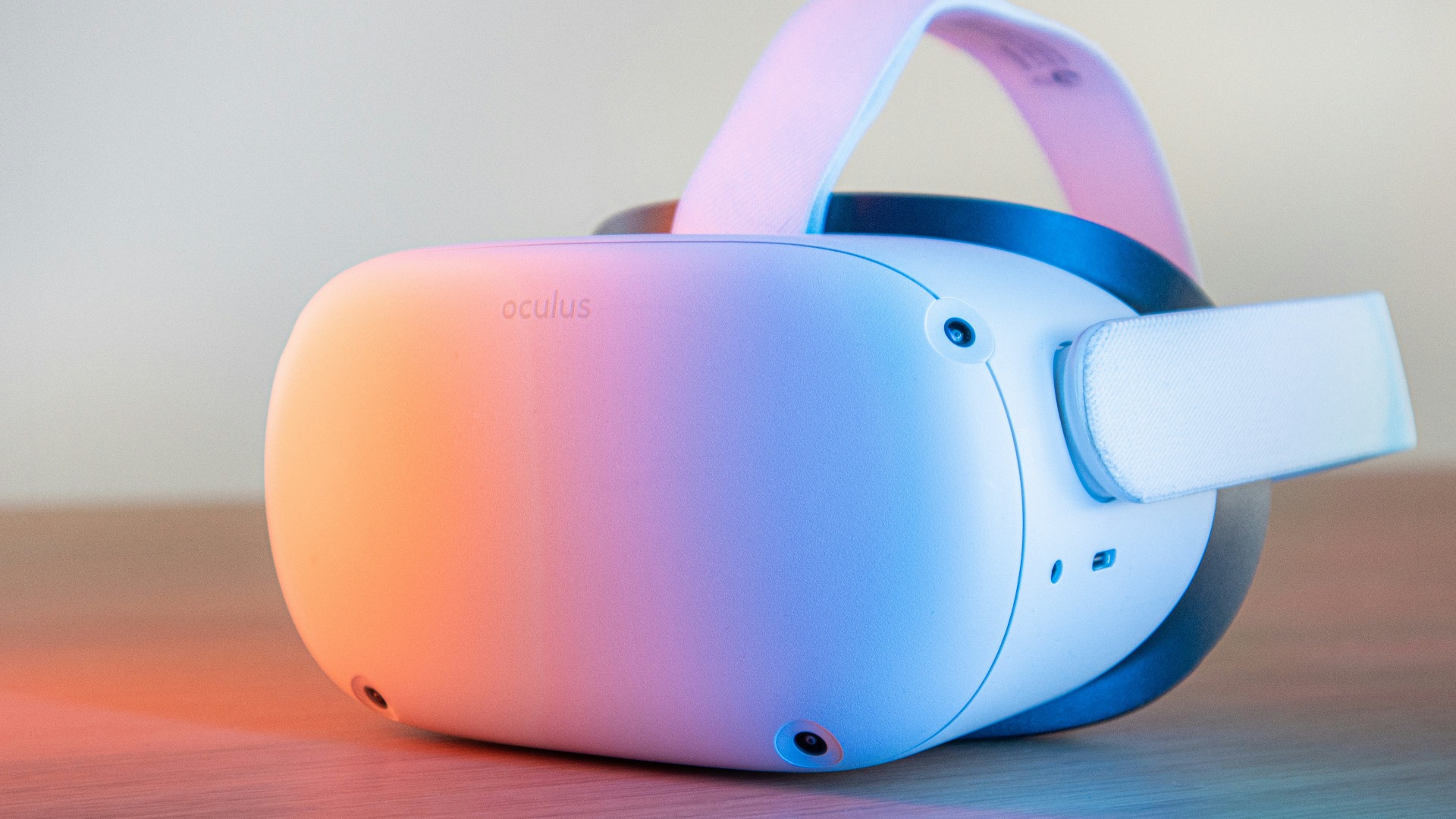
The headset replaces the user's normal field of view with a computer generated environment. It contains screens, cameras, motion sensors, and other technologies that help create an immersive experience.
Screens display the virtual environment while lenses help create a spatial effect by presenting slightly different images to each eye.
Tracking systems detect the user's movements and adjust the virtual environment accordingly. More advanced systems can track movement across multiple directions, allowing users to interact more naturally with the digital environment.
Controllers and other input devices allow users to interact with objects and elements inside the virtual environment.
VR can be categorized into several levels of immersion.
Non immersive VR uses a conventional screen to display a digital environment. Users can interact with the environment, but they remain aware of the physical world around them.
Semi immersive VR provides a greater sense of presence by combining digital environments with physical surroundings. It is often used for training and educational purposes.
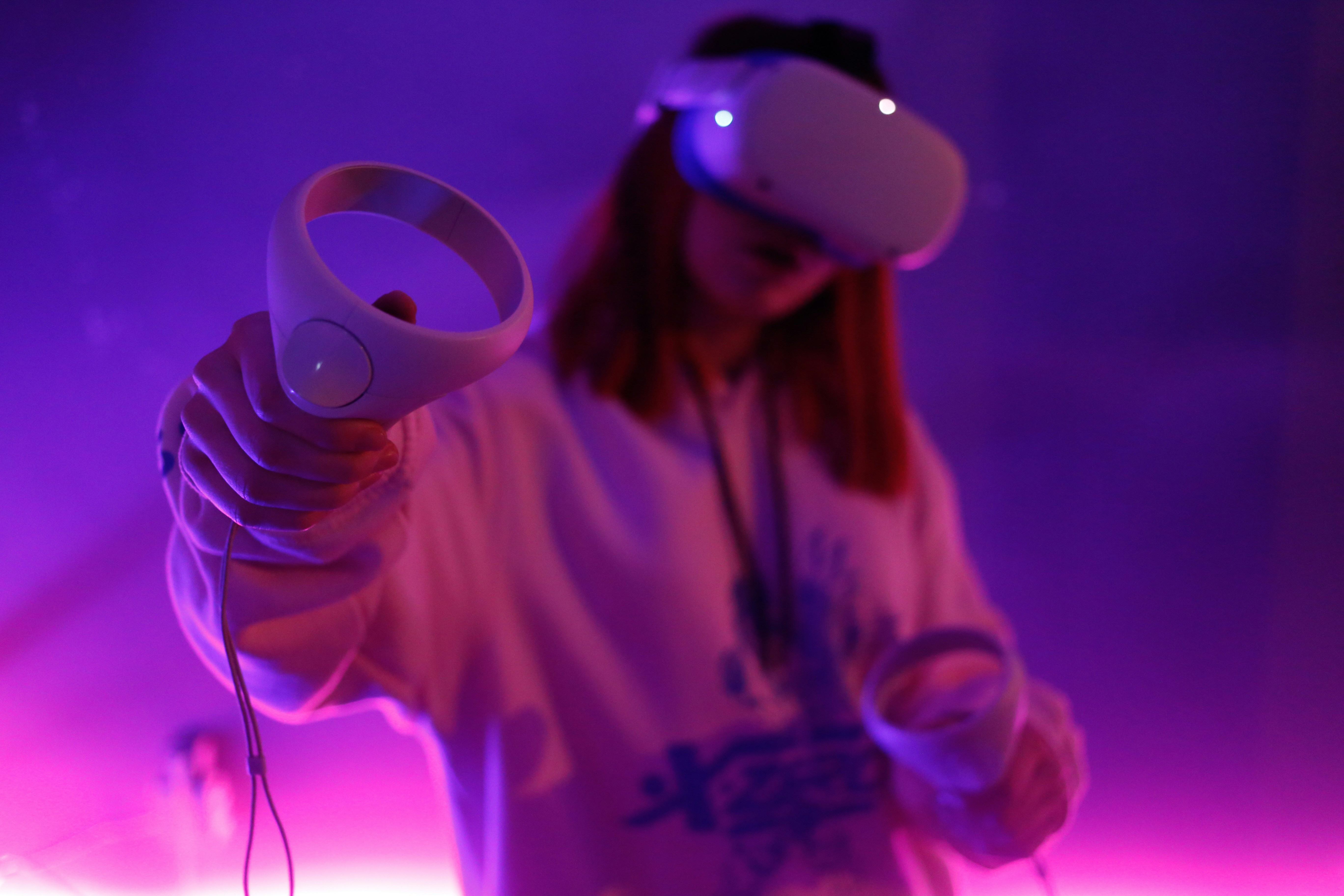
Fully immersive VR places users inside a completely digital environment. Headsets, motion tracking, controllers, and other sensory technologies work together to create a more realistic experience.
Related technologies such as Augmented Reality and Mixed Reality also combine digital elements with the physical world, although they provide different experiences from traditional VR.
The importance of VR comes from its ability to bridge the gap between physical and digital experiences.
Instead of simply looking at information, users can explore and interact with it. This can make complex concepts easier to understand and provide opportunities for learning, training, visualization, and exploration.
As VR technology continues to develop, its applications are expected to expand across more industries and everyday experiences

Let's collaborate to turn your vision into an impactful digital success story.
Contact Expert