Discover how 360° virtual tours are helping industries such as real estate, hospitality, education, healthcare, and more create engaging digital experiences. By turning physical spaces into interactive environments, businesses can showcase their value, build trust, and help audiences explore before they visit.
Source: Unsplash/Jakub Zerzicki
A 360° virtual tour does more than let people look around a space. It creates an interactive digital experience where users can explore rooms, move between areas, zoom in on details, and discover additional information from anywhere.
As more customers research products, services, and destinations online before making a decision, businesses need better ways to communicate what a physical space actually feels like. A virtual tour helps bridge the gap between online discovery and real-world experiences, giving potential customers more context before they visit, book, or make a purchase.
From property and hospitality to education and healthcare, here are seven industries that can benefit from incorporating 360° virtual tours into their digital experience.
For property buyers and tenants, photographs often provide only a limited view of a space. A 360° virtual tour allows them to explore a property at their own pace and better understand its layout, room flow, and surrounding spaces.
For residential developments, virtual tours can help potential buyers explore show units and amenities before arranging a physical visit. This can be particularly useful for people who live outside the project’s city or cannot easily visit the property in person.
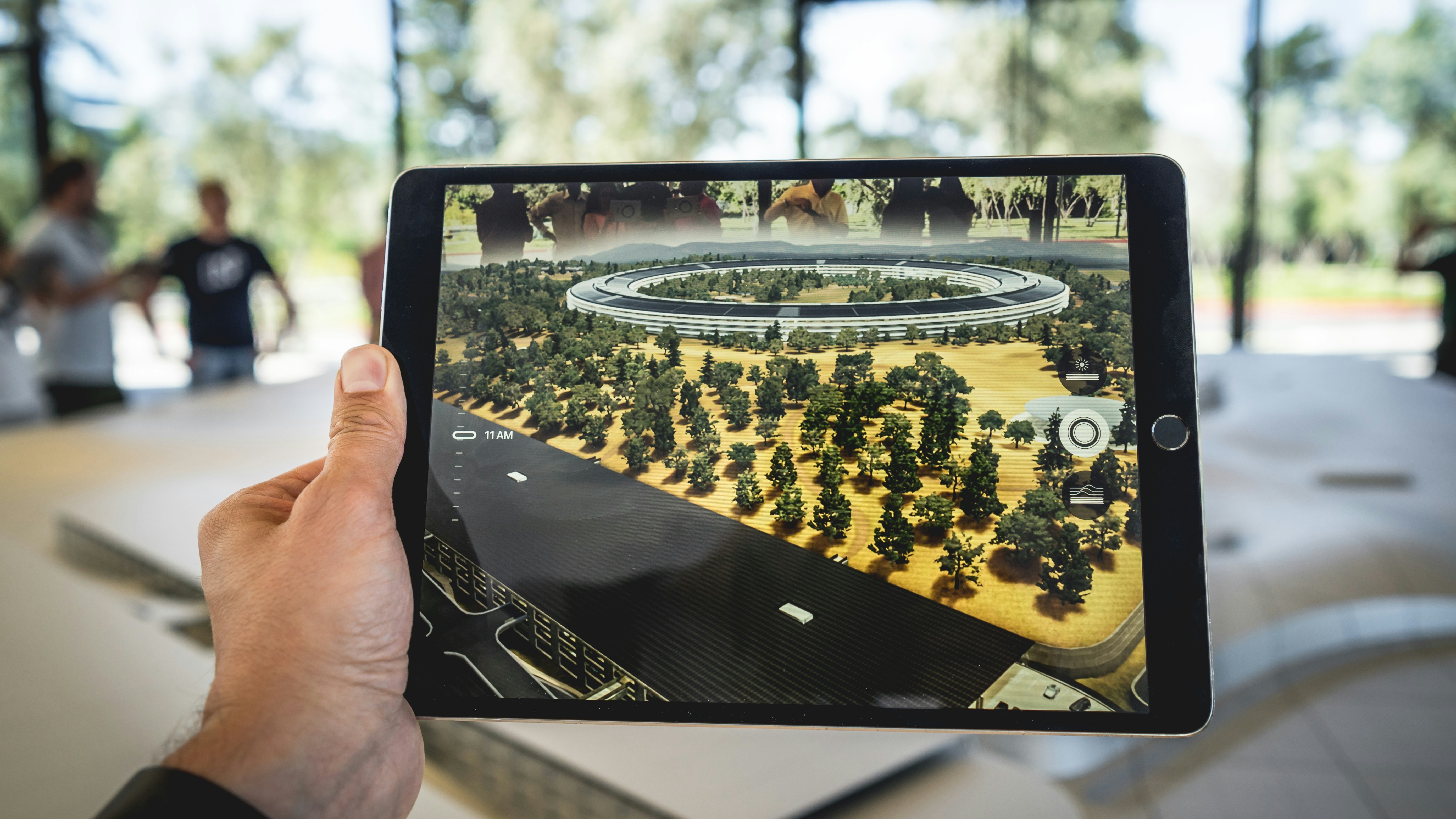
Developers can also use virtual tours to present properties that are still under development. Show units, sales galleries, facilities, and planned spaces can be presented through an immersive digital experience, helping potential buyers visualize the project before completion.
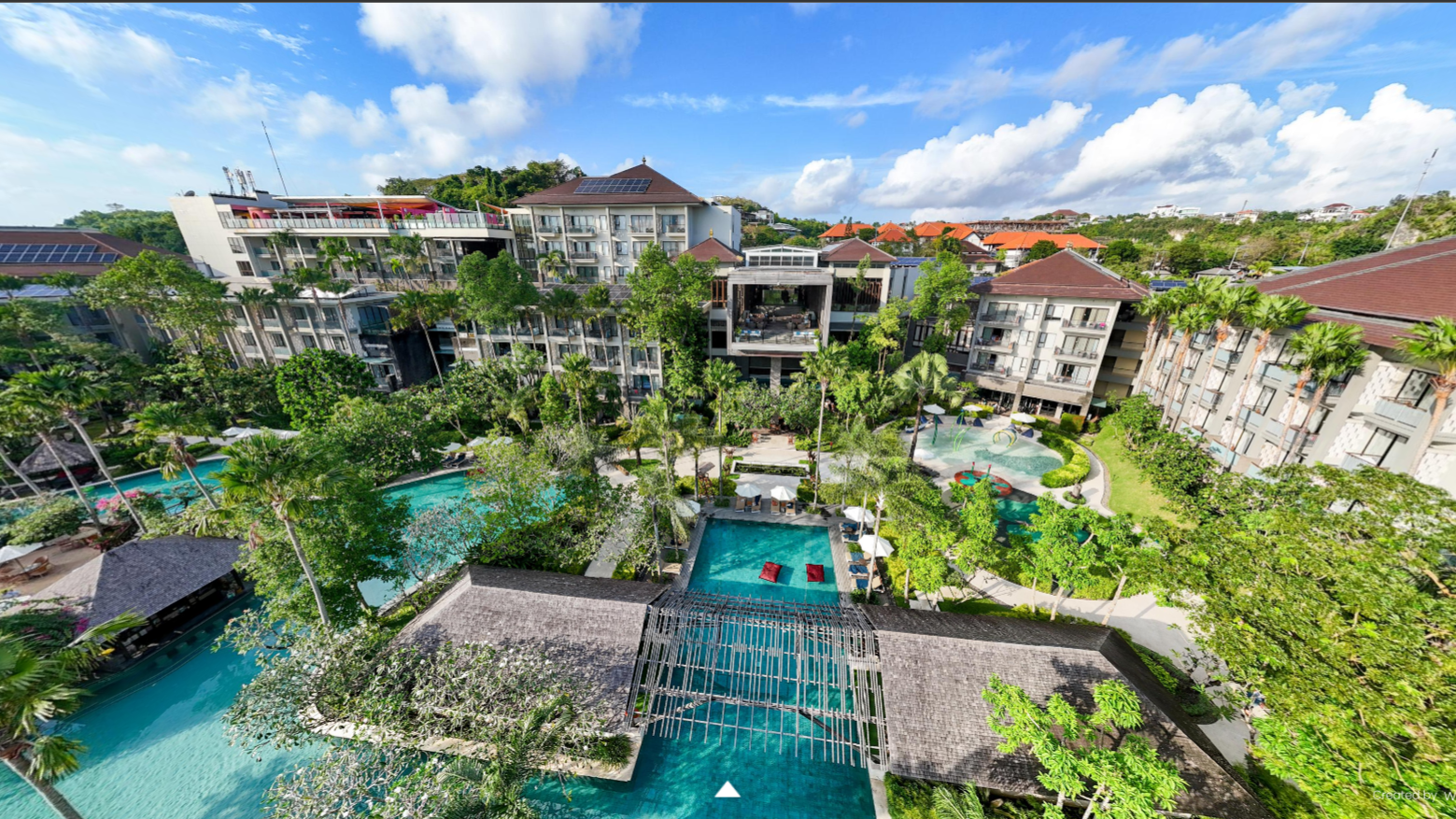
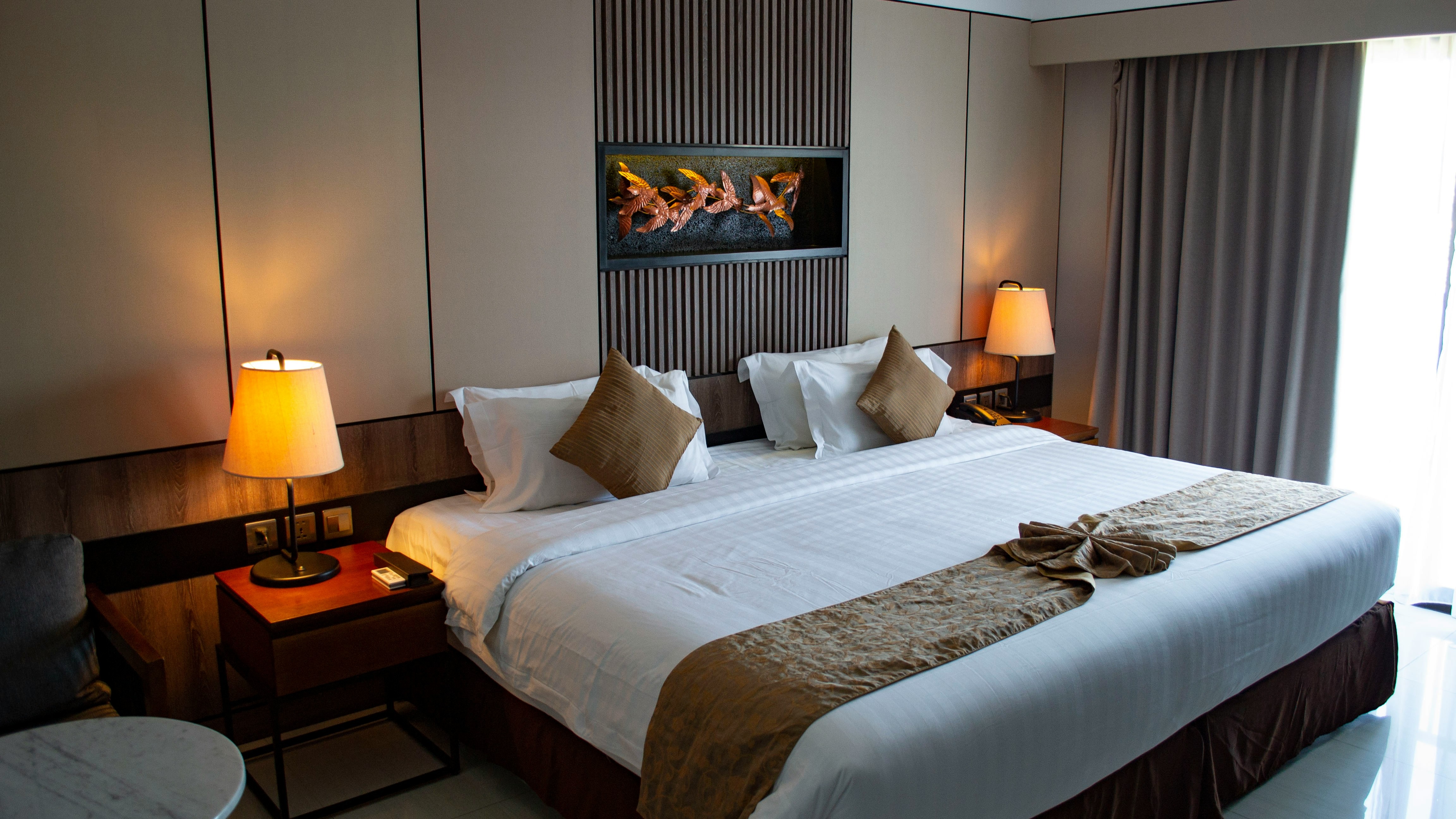
Choosing a hotel is often influenced by what guests can see and imagine before booking. Beyond room photographs, travelers want to understand the actual space, views, facilities, and overall atmosphere.
A 360° virtual tour allows hotels and resorts to showcase guest rooms, suites, lobbies, restaurants, pools, spas, meeting rooms, and other facilities in an interactive format. Guests can explore different areas and get a clearer understanding of what the property offers.
For event and MICE businesses, virtual tours can also help planners review ballrooms, meeting rooms, breakout spaces, and venue layouts remotely. This can make the early planning and selection process more efficient by allowing stakeholders to explore the venue before arranging an on-site inspection.
Museums, galleries, and heritage sites have an important role in preserving and sharing culture. Virtual tours can extend that experience beyond physical walls.
Through a digital representation of a museum or cultural site, students, researchers, and audiences from different locations can explore exhibitions and architectural spaces remotely. Interactive elements such as annotations, audio, and multimedia hotspots can provide additional context throughout the experience.
Virtual tours can also support education by becoming part of lesson plans, pre-visit activities, or assignments. For audiences who live far away or have difficulty visiting a location physically, digital access creates another way to experience important cultural spaces.
Choosing an event venue involves more than knowing its address and capacity. Event organizers need to understand the layout, guest flow, access points, stage positioning, and available spaces.
A 360° virtual tour can give planners a realistic view of a venue before scheduling an in-person visit. Interactive information such as floor plans, capacity details, and location tags can make it easier to evaluate whether a space is suitable for a wedding, conference, corporate event, or social gathering.
Instead of replacing physical visits, virtual tours can make them more purposeful by helping potential clients narrow down their choices beforehand.
Industrial facilities can be challenging to present to prospective clients, investors, and partners. Production environments may have operational, safety, or access restrictions that make frequent physical tours impractical.
A 3D or 360° virtual tour provides an alternative way to showcase factories, assembly lines, workshops, equipment, and production processes without requiring every stakeholder to be physically present.
Businesses can use interactive tours to highlight important production areas, certifications, safety procedures, and capabilities. Beyond marketing and sales, virtual tours can also support internal purposes such as helping new employees understand facility layouts and routes.
Educational institutions are increasingly competing for the attention of prospective students and their families. A virtual campus tour can help schools and universities communicate their environment before students make enrollment decisions.
With 360° technology, prospective students can explore classrooms, laboratories, libraries, sports facilities, dormitories, studios, and other important areas.
This is especially useful for international students or families who cannot easily travel for an initial campus visit. Instead of relying only on photographs, they can interact with a digital representation of the campus and gain a stronger sense of the environment before making their decision.
For patients, visiting an unfamiliar healthcare facility can sometimes feel stressful. Even simple questions—such as where to park, where reception is located, or what a treatment area looks like—can create uncertainty.
A 3D virtual tour can help patients become familiar with a clinic, diagnostic center, or hospital before arriving. They can explore key areas remotely and understand the basic flow of the facility in advance.
This can be particularly useful for families, older visitors, and patients preparing for more complex treatments. By making the environment more familiar, virtual tours can provide practical information before the physical visit.
Although these industries have different audiences and objectives, they share one common challenge: how to communicate a physical experience through a digital channel.
Traditional photographs can show individual views, but an interactive virtual tour gives users more freedom to explore. They can move through a space, examine details, and understand how different areas connect.
For businesses, this creates opportunities to:
Present physical spaces more clearly
Engage audiences for longer through interactive content
Help potential customers make more informed decisions
Reduce unnecessary early-stage site visits
Reach audiences who cannot visit physically
Add richer digital content to websites and marketing campaigns
The value of a virtual tour therefore goes beyond simply making a website more visually interesting. It can become part of the customer journey—from initial online research to consideration and, eventually, an in-person visit or purchase.
Not every virtual tour needs to serve the same purpose. The right experience depends on the industry, audience, space, and business objective.
Important considerations include image quality, lighting, color accuracy, device compatibility, hosting, and interactive features. Businesses may also consider additional elements such as tags, labels, floor plans, multimedia content, drone views, and other forms of digital storytelling.
The goal should not simply be to create a digital copy of a physical location. A successful virtual tour should make the space easier to understand and the experience more engaging for its intended audience.
Real estate, hotels, museums, event venues, factories, educational institutions, and healthcare facilities all have something valuable in common: they depend on physical spaces to communicate their value.
360° virtual tours provide a way to bring those spaces into the digital world.
By turning a physical location into an interactive experience, businesses can give audiences the freedom to explore before they arrive. More importantly, they can make digital communication feel closer to the real experience.
The future of digital presentation is not only about showing people what a space looks like. It is about giving them a way to experience it.

Let's collaborate to turn your vision into an impactful digital success story.
Contact Expert