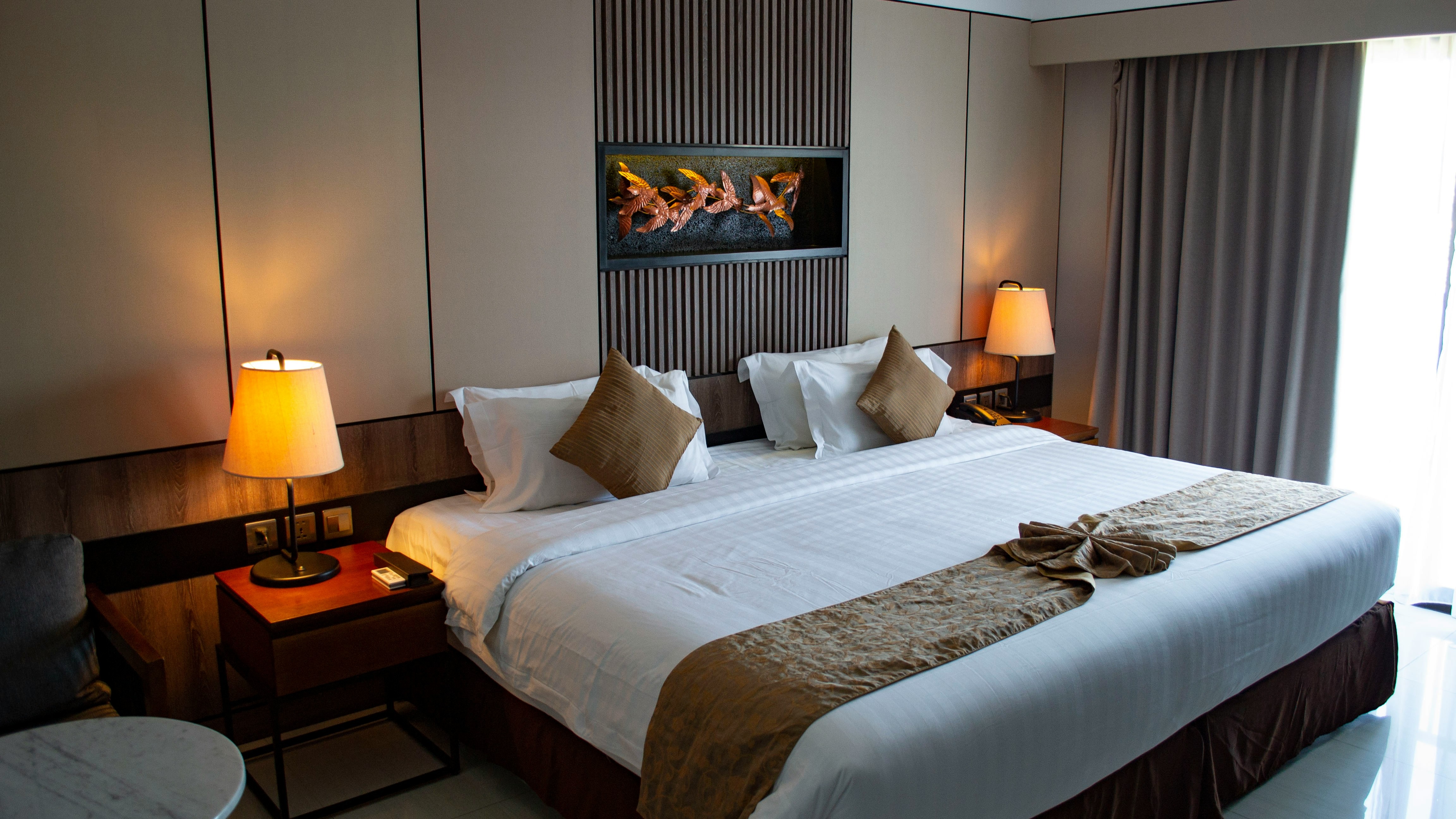
Hotel virtual tours use immersive 360° and VR technology to let guests explore rooms and facilities online—building trust, increasing engagement, and driving more direct bookings.
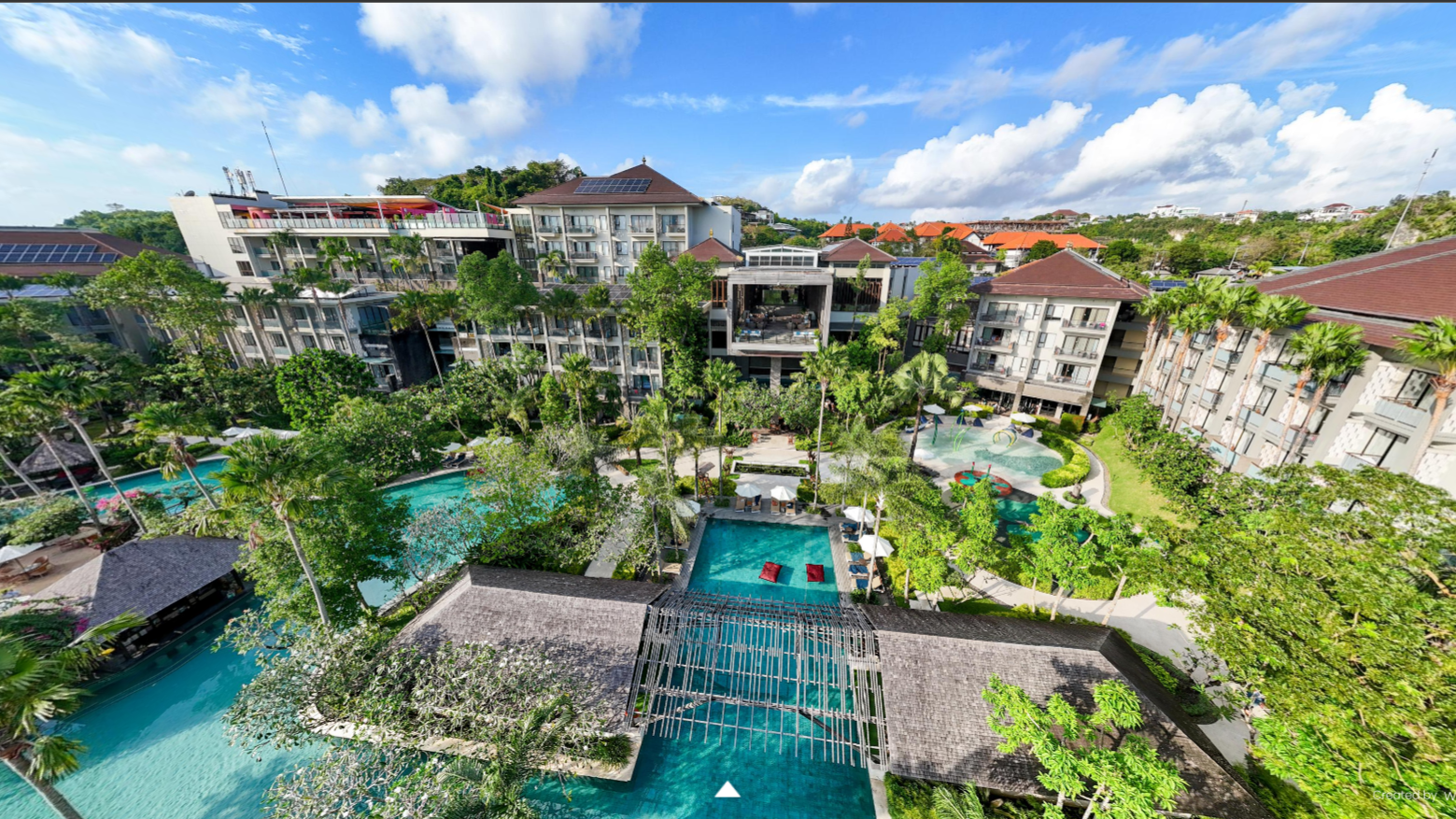
Source: Movenpick Bali by weFinite
A hotel virtual tour is an interactive digital experience that allows potential guests to explore a hotel without physically being there. Using 360-degree panoramic images or videos, users can navigate through different areas—such as guest rooms, lobbies, restaurants, and amenities like swimming pools or fitness centers.
These tours are typically embedded on a hotel’s website and can be accessed easily via desktop or mobile devices. Instead of relying on static images, users get a more realistic sense of the space, layout, and overall atmosphere.
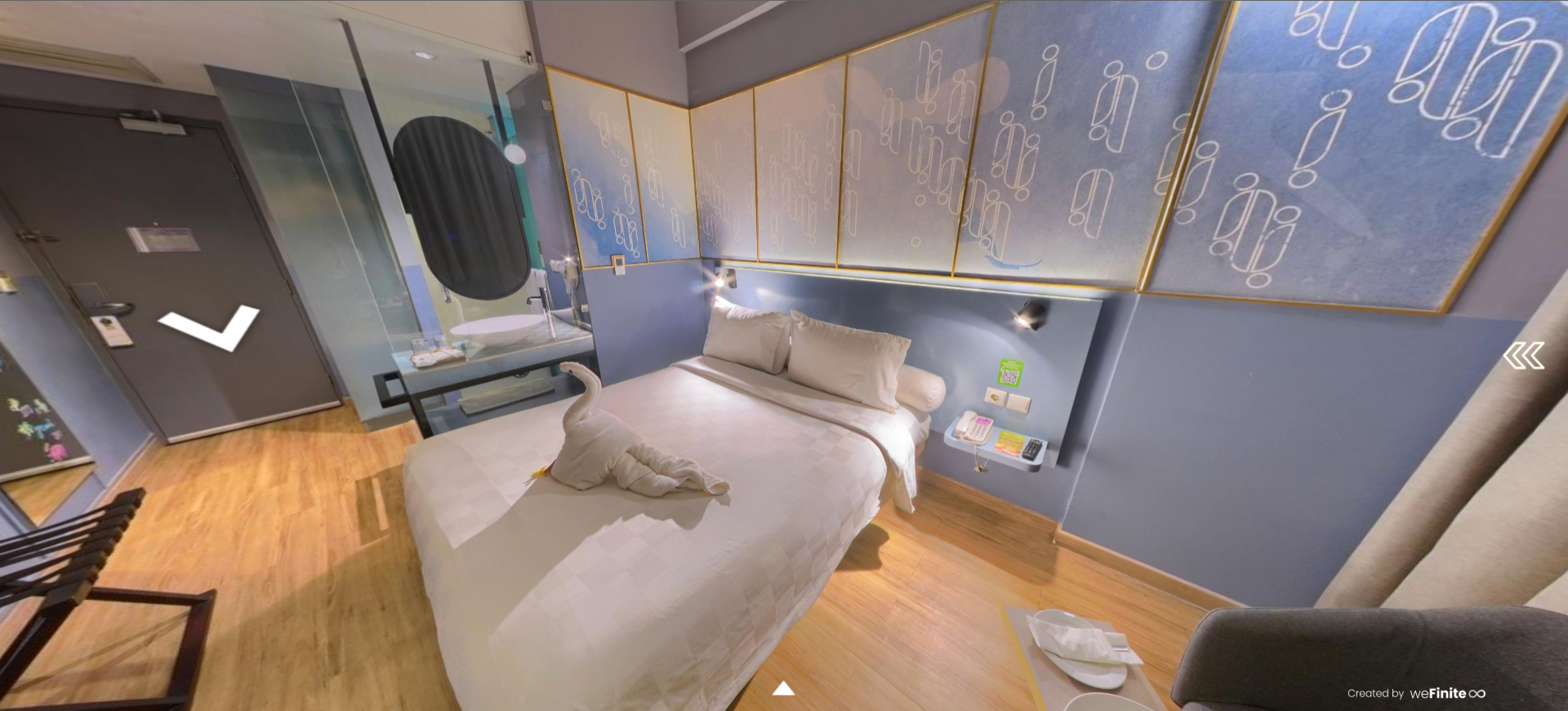
Source: All Seasons Jakarta Thamrin by weFinite
As technology continues to evolve, hotels are increasingly adopting innovative tools to stay competitive—and virtual reality (VR) is one of the most impactful.
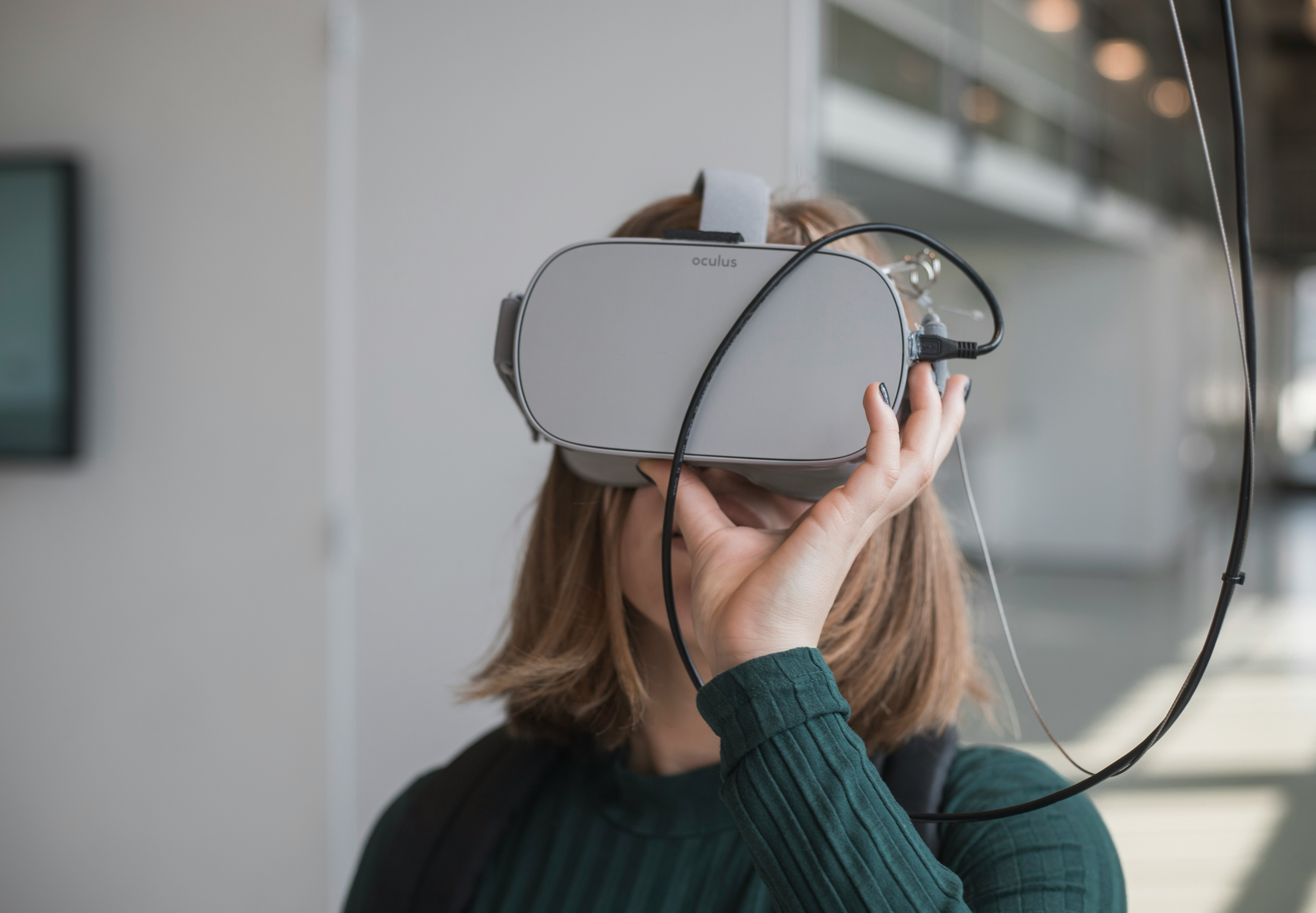
Originally popular in the gaming industry, VR has quickly expanded into hospitality. Hotels now use it to create immersive virtual tours that allow guests to “walk through” their property before making a booking.
With this approach, potential guests can:
Explore rooms in 360°
Move through spaces as if they are physically there
Experience the ambiance in a more realistic way
This goes far beyond traditional photos. Instead of imagining the experience, guests can truly feel it—making virtual tours a powerful marketing tool.
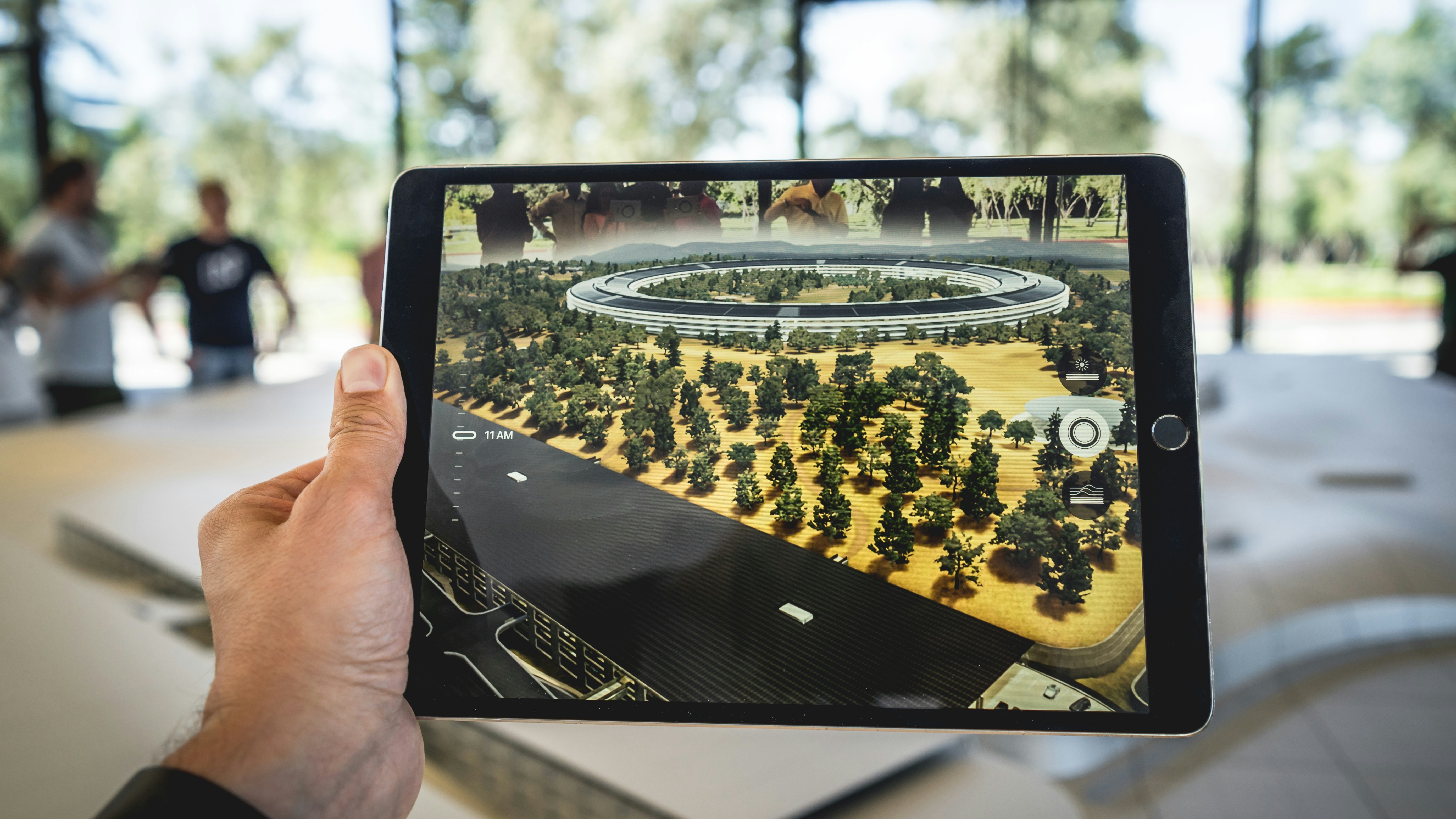
Source: Unsplash/Proxyclick Visitor Management System
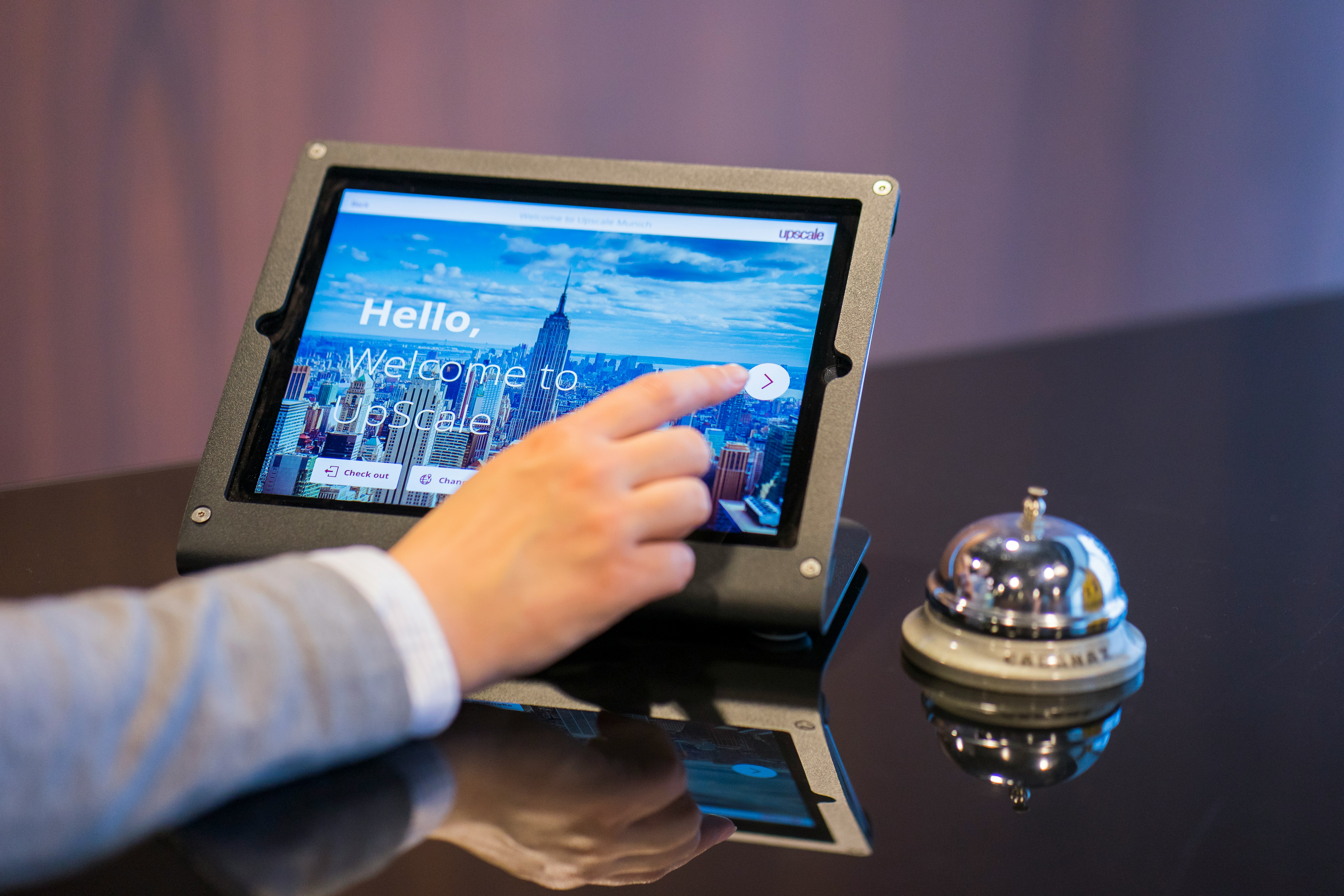
There is often confusion between virtual reality (VR) and augmented reality (AR), especially in the context of hotel tours.
Virtual Reality (VR) creates a fully immersive environment, often experienced through headsets, where users feel transported into a digital space.
Augmented Reality (AR) enhances real-world visuals by adding digital elements on top, such as interactive buttons, pop-up information, or embedded videos.
In hotel virtual tours, AR features can elevate the experience by adding:
Informational hotspots
Navigation guides
Booking links
Interactive media
These additions make the experience not only immersive but also practical and conversion-focused.
Why Hotel Virtual Tours Attract More Guests
Virtual tours are not just visually impressive—they are highly effective in influencing booking decisions.

Source: Unsplash/Vitaly Gariev
One of the biggest frustrations for travelers is when reality doesn’t match expectations. Virtual tours eliminate this gap by showing the property exactly as it is.
This transparency builds trust and confidence, making guests more likely to book.
Increasing Engagement and Click-Through Rates
Data shows that properties with virtual tours receive significantly more attention:
Listings with virtual tours are clicked up to 10 times more
Virtual tours can reduce wasted viewings by up to 40%
92% of users say 360° views are essential when browsing online
These insights highlight how much users value immersive content.
Source: Unsplash/Maxim Hopman
Unlike traditional media, virtual tours put the user in control. Guests can explore at their own pace, look around freely, and focus on what matters most to them.
This creates a more personalized and engaging experience, increasing the likelihood of conversion.
Source: Unsplash/Solen Feyyisa
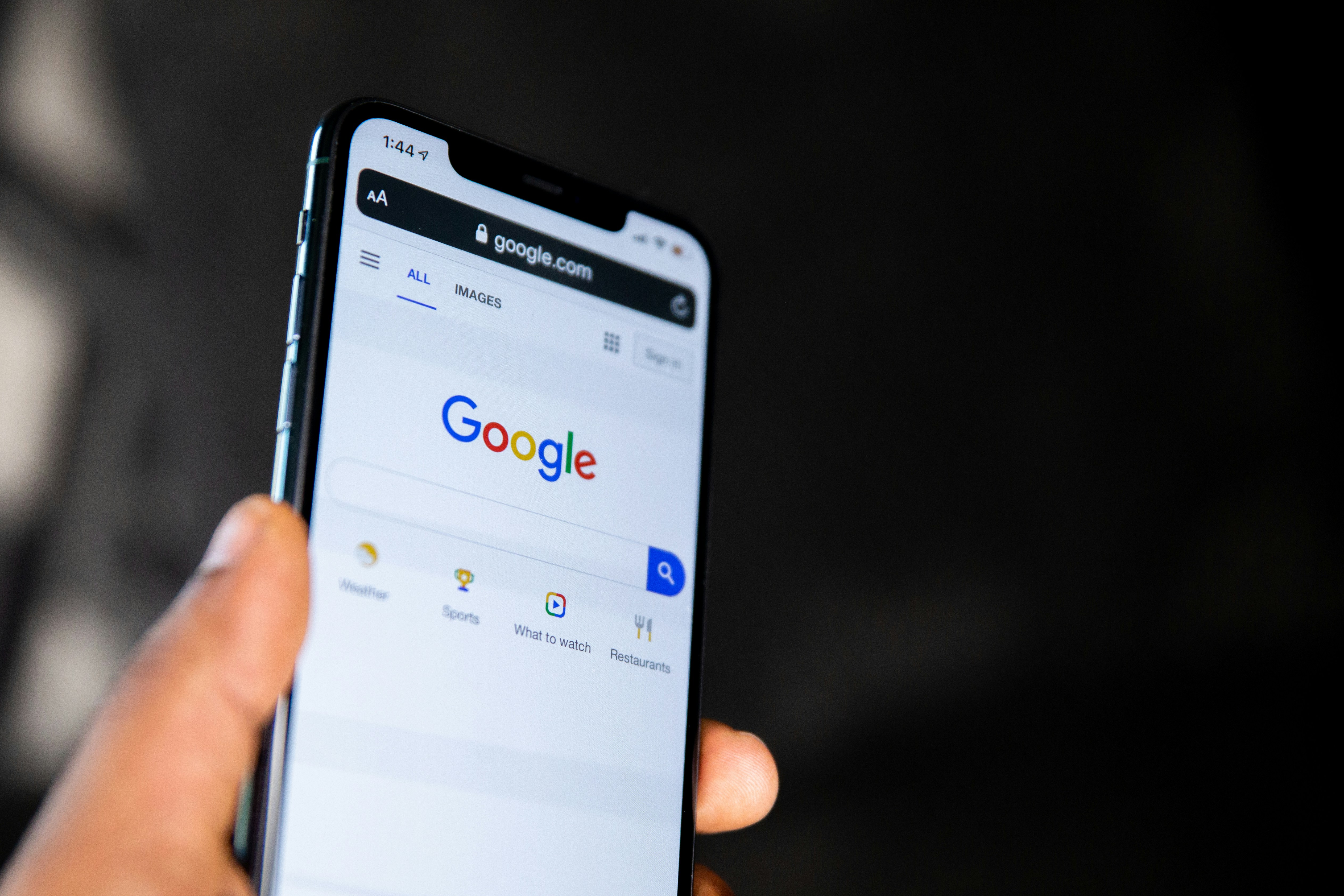
Virtual tours can also improve a hotel’s visibility online. Integrating them with platforms like Google can enhance search rankings and make listings more appealing.
When potential guests search for accommodations, a property with a virtual tour stands out immediately—both visually and functionally.
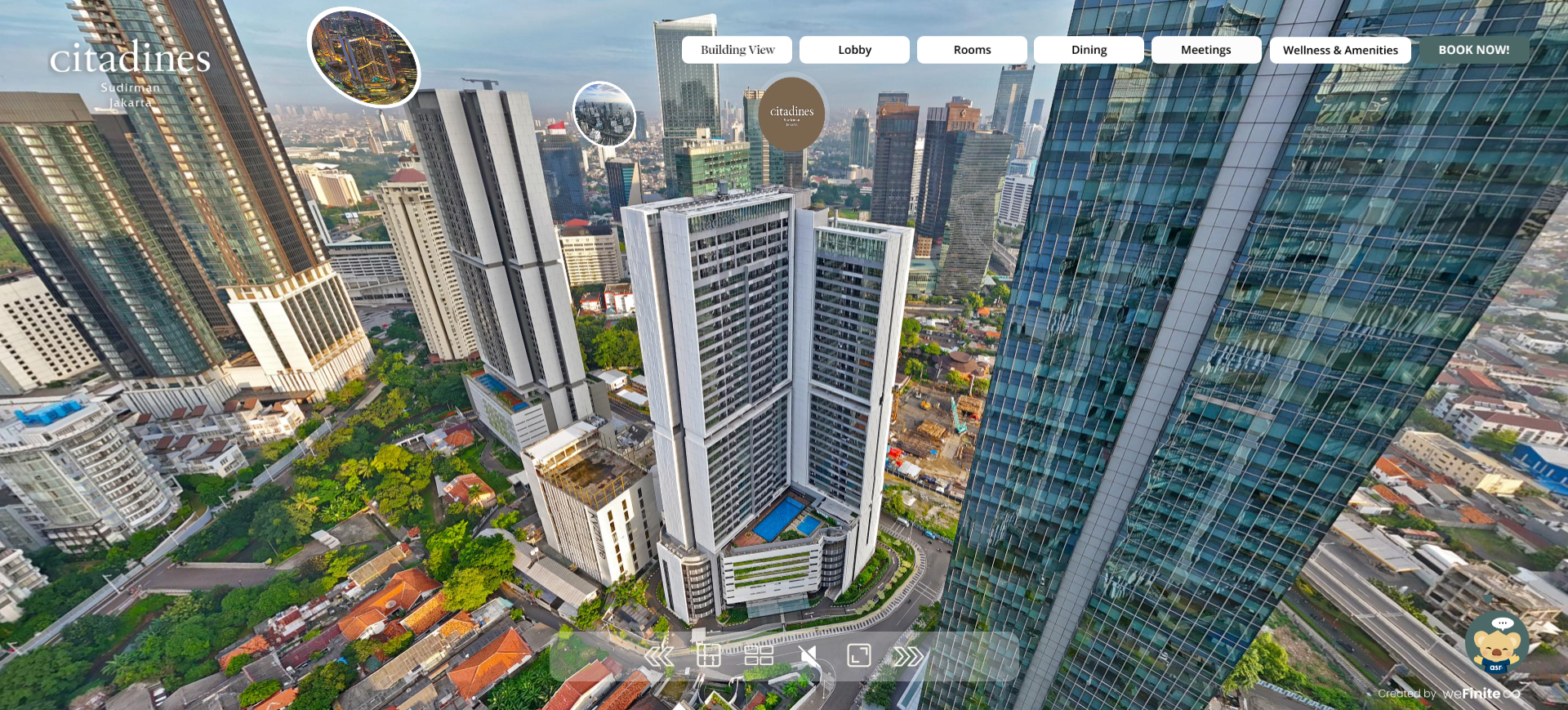
Source: Citadines Sudirman by weFinite
Beyond functionality, virtual tours add a strong “wow factor” to a hotel’s digital presence. They position the brand as innovative, modern, and customer-focused.
Some hotel brands even extend virtual tours into video content, showcasing not only their property but also nearby attractions, restaurants, and experiences—creating a complete destination preview.
Hotel virtual tours are redefining how guests discover and choose where to stay. By combining immersive technology with interactive storytelling, they offer a more transparent, engaging, and informative experience than traditional marketing methods.
For hotels, this means stronger trust, higher engagement, and more direct bookings. For guests, it means making confident decisions—before they even arrive.

Let's collaborate to turn your vision into an impactful digital success story.
Contact Expert