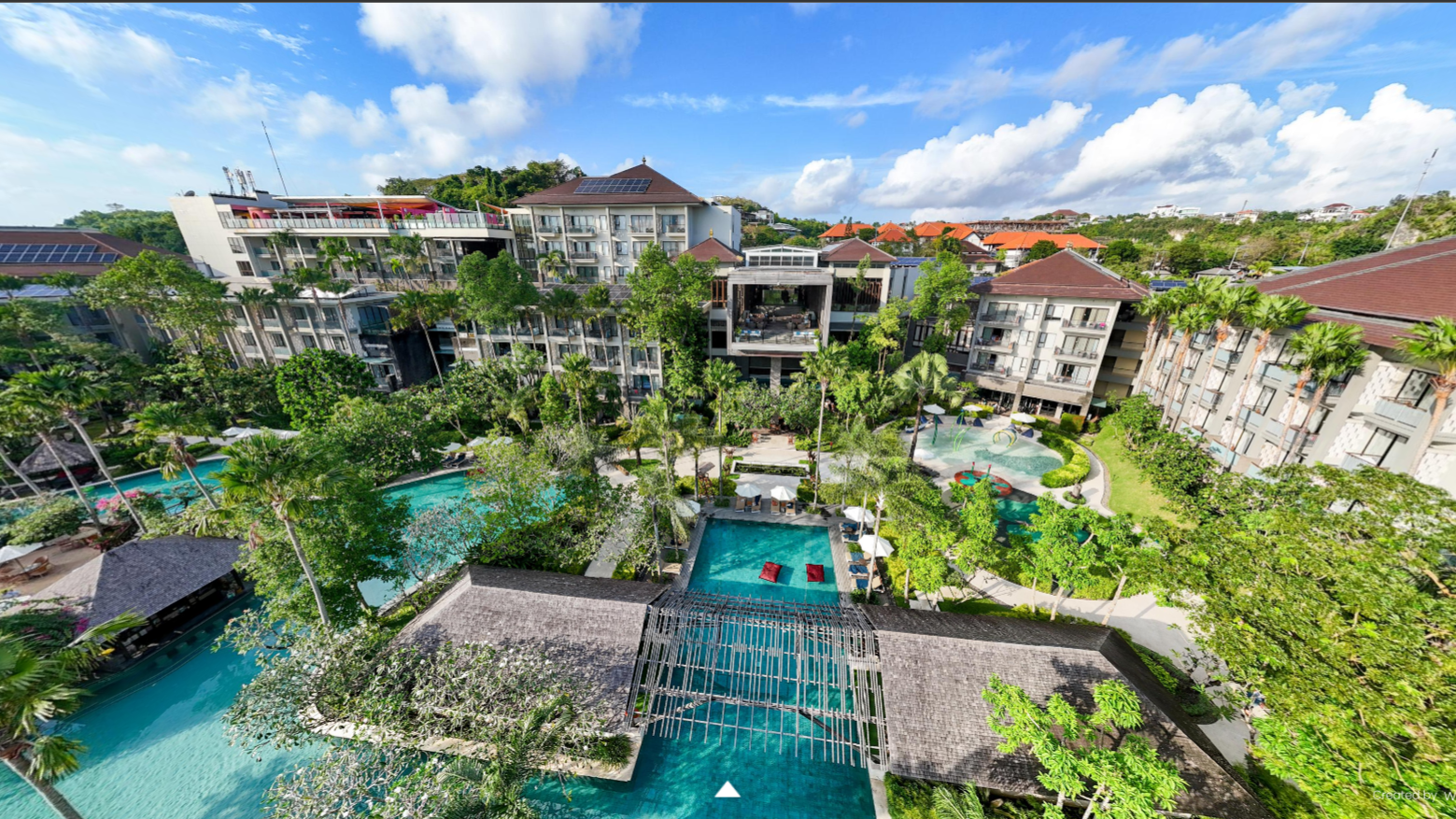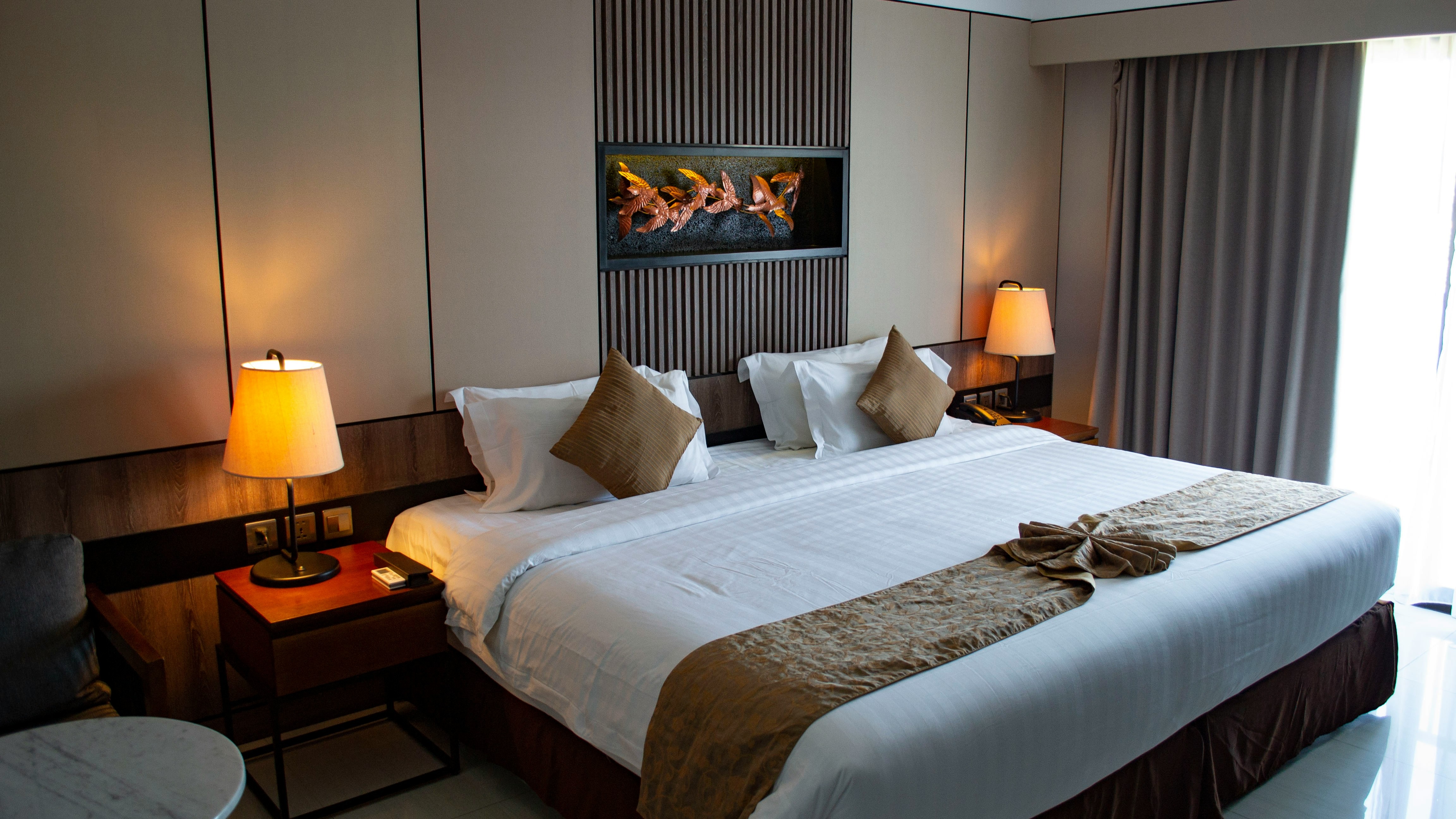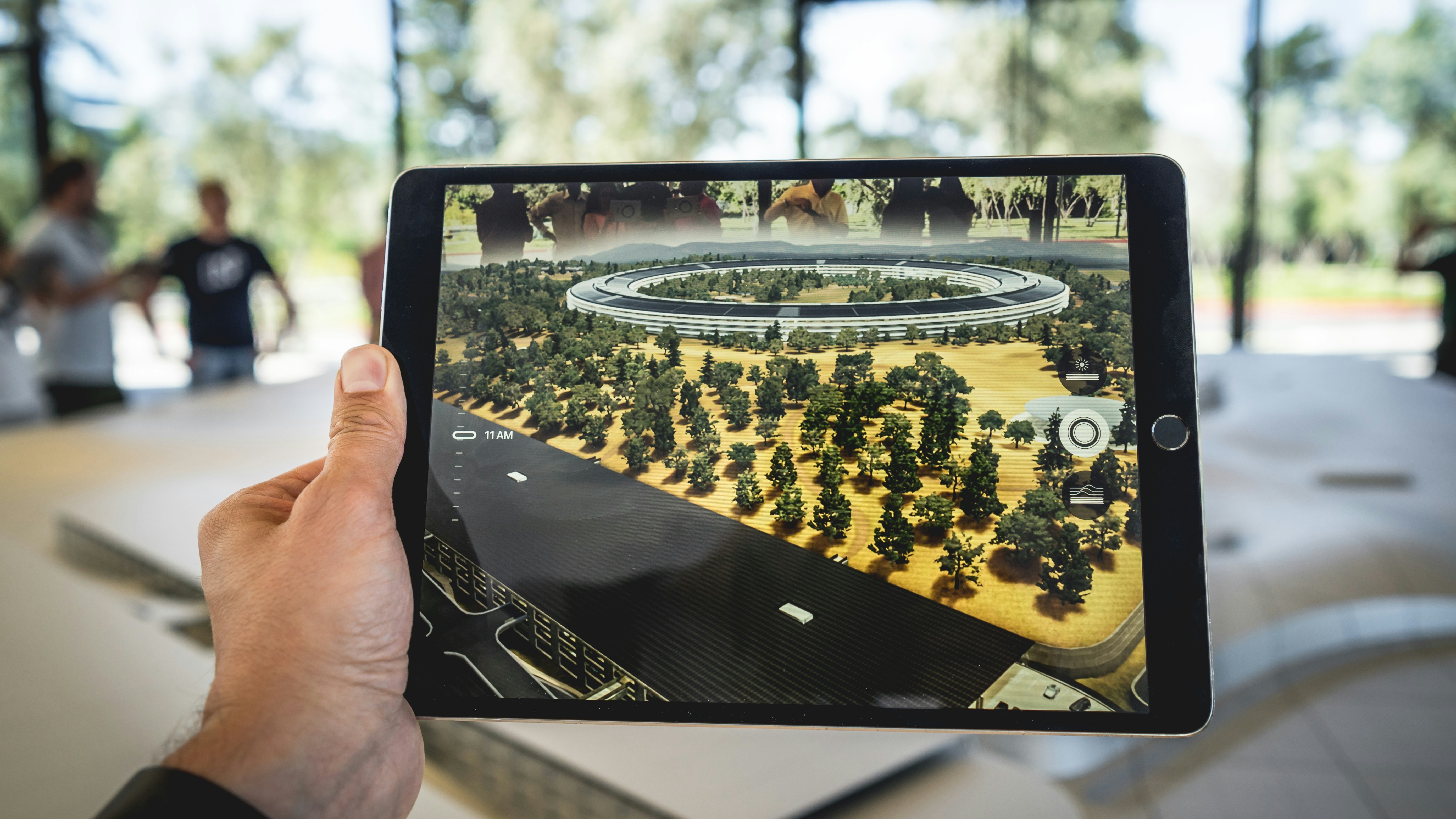
360° virtual tours are redefining digital experiences by turning passive viewers into active participants boosting engagement, increasing conversions, and giving businesses a powerful competitive edge.
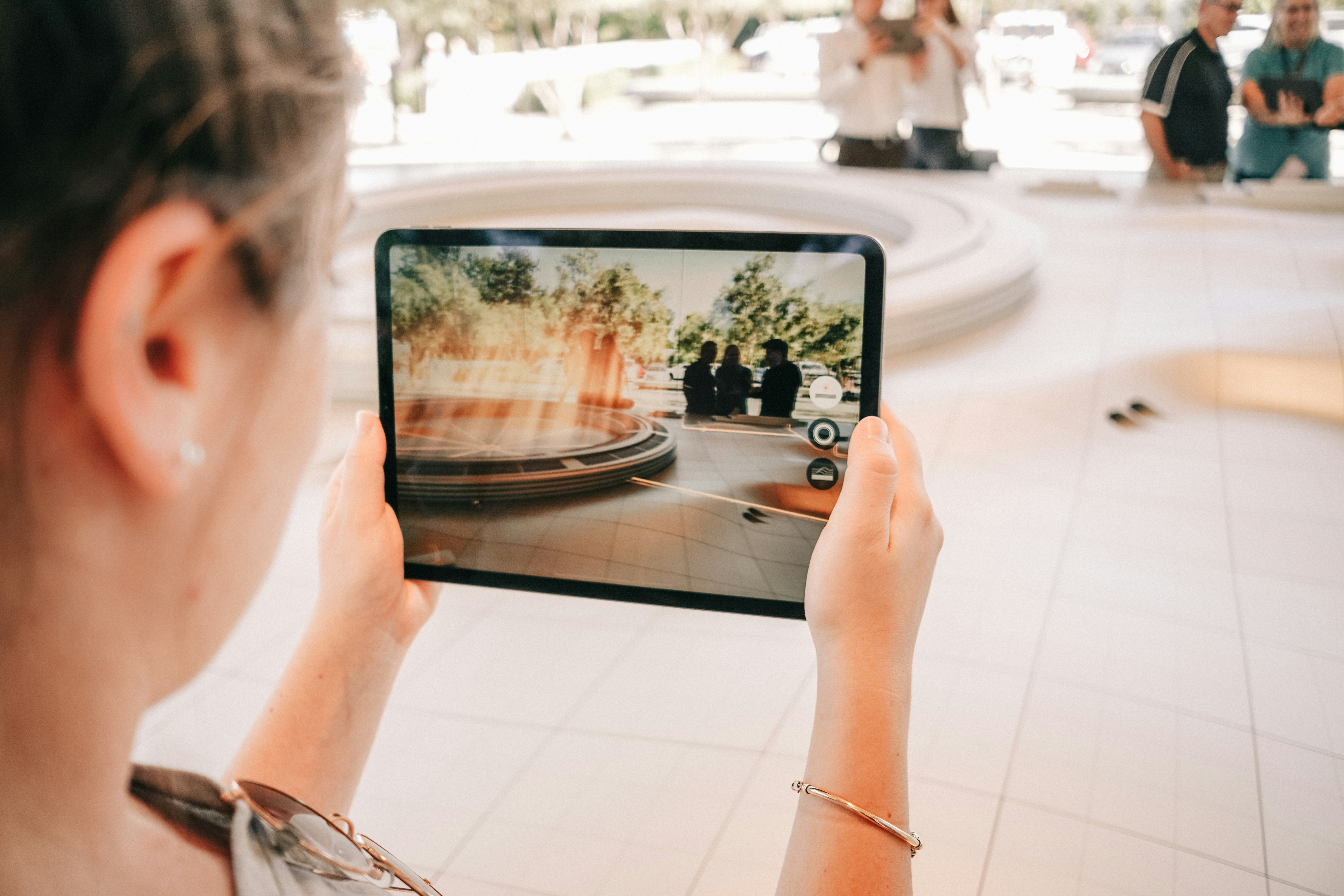
Source: Unsplash/Josh Withers
In today’s fast-paced digital world, capturing attention is no longer about being louder—it’s about being more immersive. Consumers are shifting from simply viewing products or properties to wanting to experience them before making a decision.
For years, static images and text were enough. But as expectations evolve, these traditional formats are losing their impact. Enter 360° virtual tours—an innovation that has quickly grown from a novelty into a powerful business tool, especially in retail and real estate.
At its core, this technology answers a simple demand: people don’t just want to see—they want to feel like they’re there.
Source: Unsplash/Walls.io
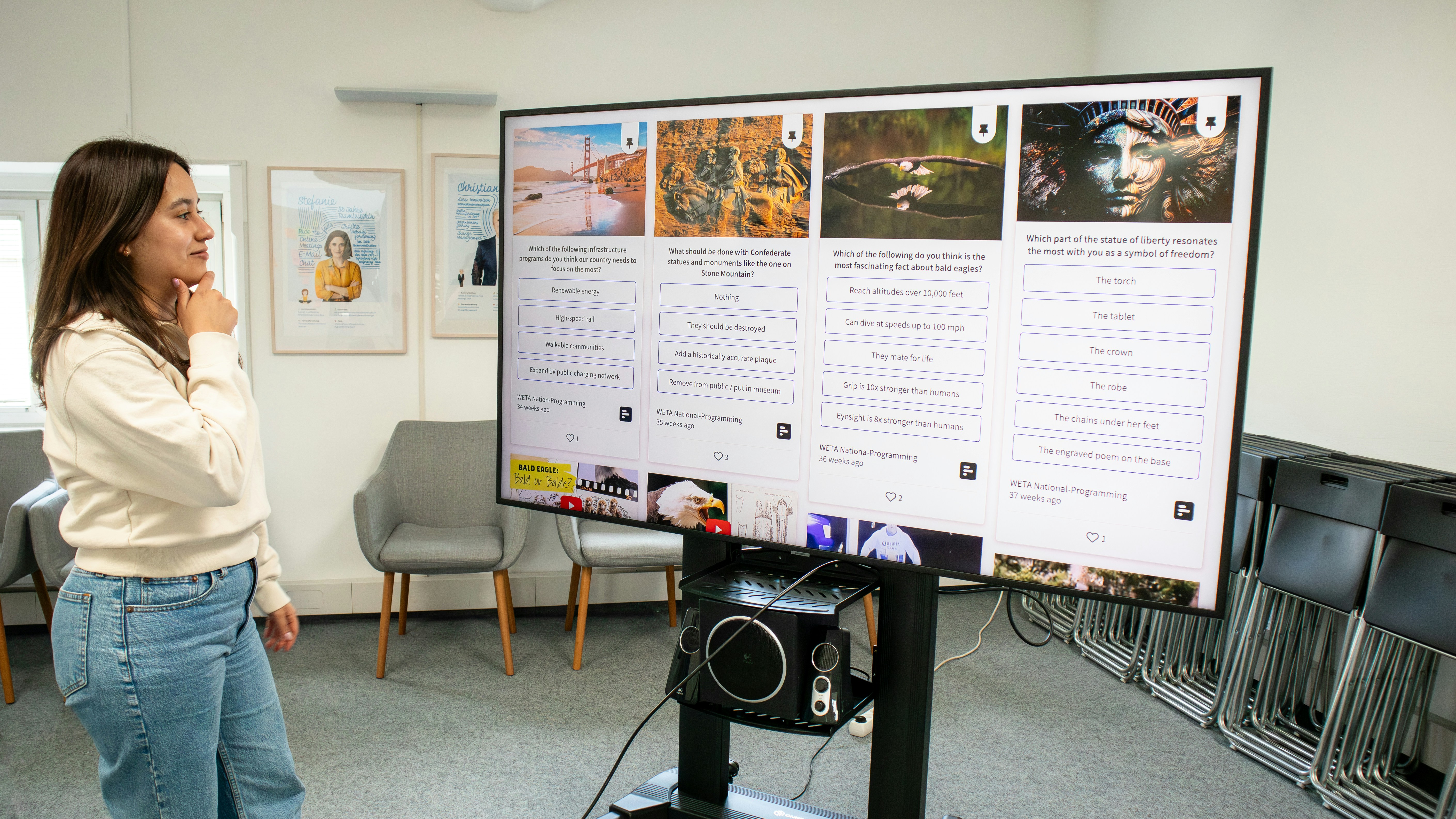
In digital marketing, one key metric is dwell time—how long users stay on a page. The longer they stay, the more valuable your content appears to search engines.
Interactive 360° tours dramatically increase this time. Instead of passively scrolling, users actively explore—clicking, dragging, and navigating through spaces.
This leads to:
Longer session durations
Lower bounce rates
Stronger engagement signals
Source: Unsplash/Ryan Fish
A static image can leave questions. A 360° view answers them.
High-quality immersive visuals provide a level of transparency that builds credibility. Users can examine every angle, reducing uncertainty and increasing confidence in what they’re seeing.
E-commerce is evolving into something more immersive—often referred to as virtual commerce or V-commerce.
Source: Unsplash/Jonas Kakaroto
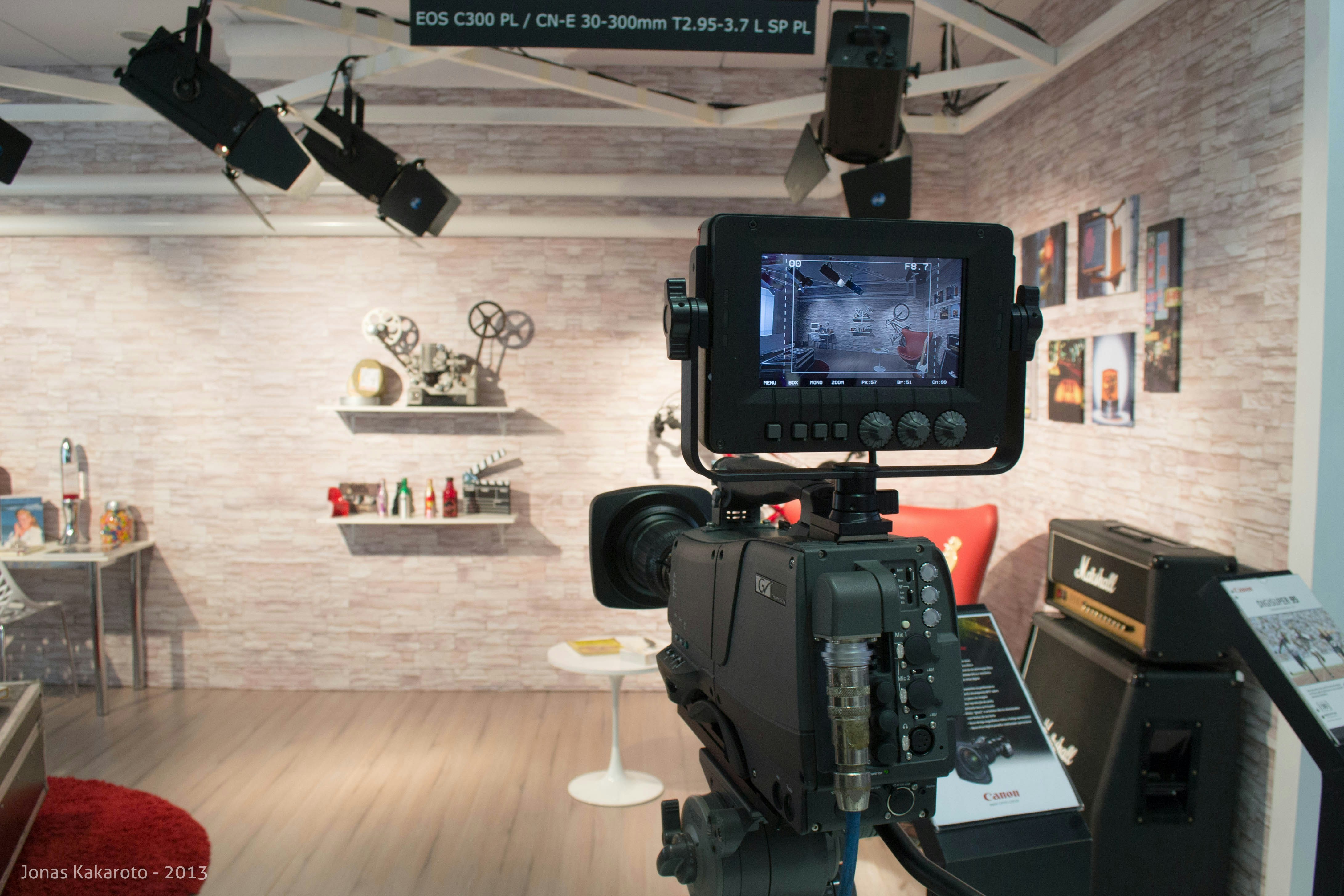
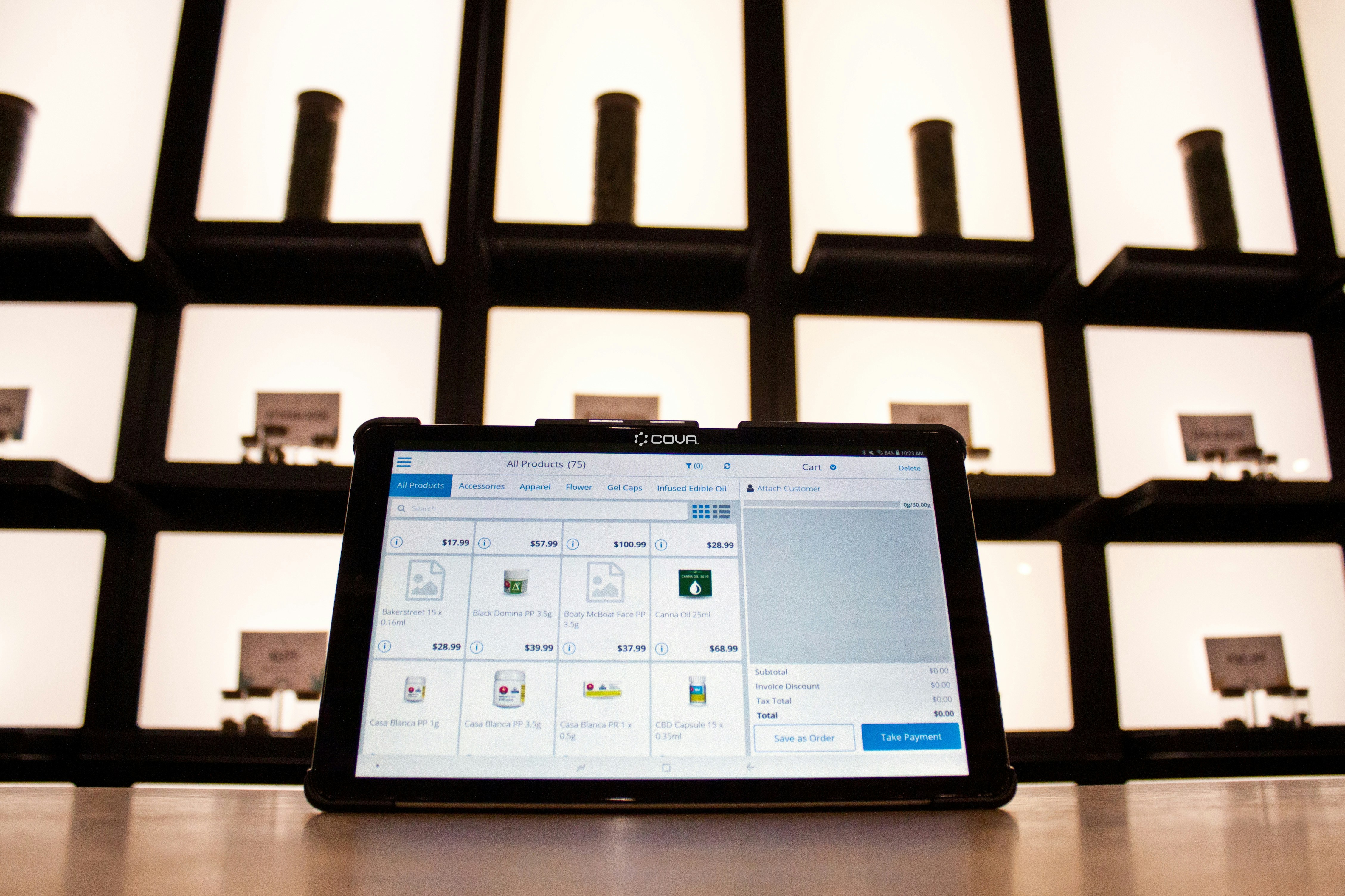
Customers can now walk through a digital store from their own home. They can explore products in context, zoom in on details, and interact with items through clickable hotspots.
These hotspots can include:
Product descriptions
Pricing details
Direct purchase links
This creates a seamless journey from discovery to purchase.
Source: Unsplash/ Cova Software
Unlike traditional product photos, virtual tours place items in real environments.
For example:
Furniture displayed in a fully styled living room
Fashion items presented within a curated boutique setting
This context helps customers better visualize the product in their own lives—reducing uncertainty and increasing conversion rates.

Source: Unsplash/Marek Pavlik
What makes 360° virtual tours so effective isn’t just the technology—it’s the psychology.
Unlike video, which follows a fixed path, virtual tours give users full control. They decide where to look, what to explore, and how long to stay.
This sense of control creates a deeper emotional connection:
In real estate, buyers begin to imagine living in the space
In retail, customers experience the excitement of exploring a store
This “mental ownership” plays a powerful role in influencing decisions.
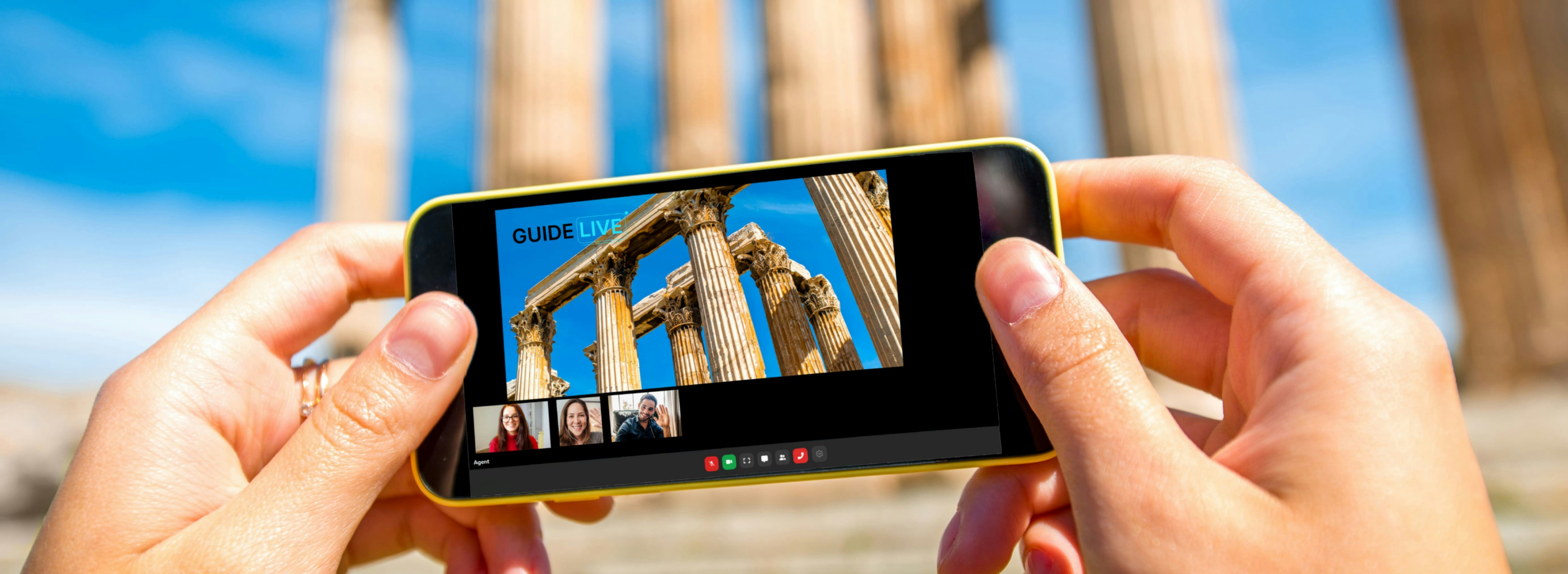
Source: Unsplash/loanna dgfh
To truly benefit from virtual tours, businesses need more than just the technology—they need the right strategy.
Virtual tours should be embedded smoothly within your website, without slowing down performance.
The experience should reflect your brand identity, from interface design to colors and typography—not feel like a generic add-on.
Since most users are on mobile, the experience must be fully responsive and intuitive across all devices.
High-quality visuals require strong hosting and secure delivery to ensure fast loading and safe access.
360° virtual tours are no longer just an innovative feature—they are a strategic advantage in today’s experience-driven market. By combining interactivity, transparency, and immersion, they help businesses capture attention, build trust, and drive real results.
Whether in real estate or retail, the brands that embrace this technology are not just showcasing products or spaces—they are creating experiences that convert.

Let's collaborate to turn your vision into an impactful digital success story.
Contact Expert