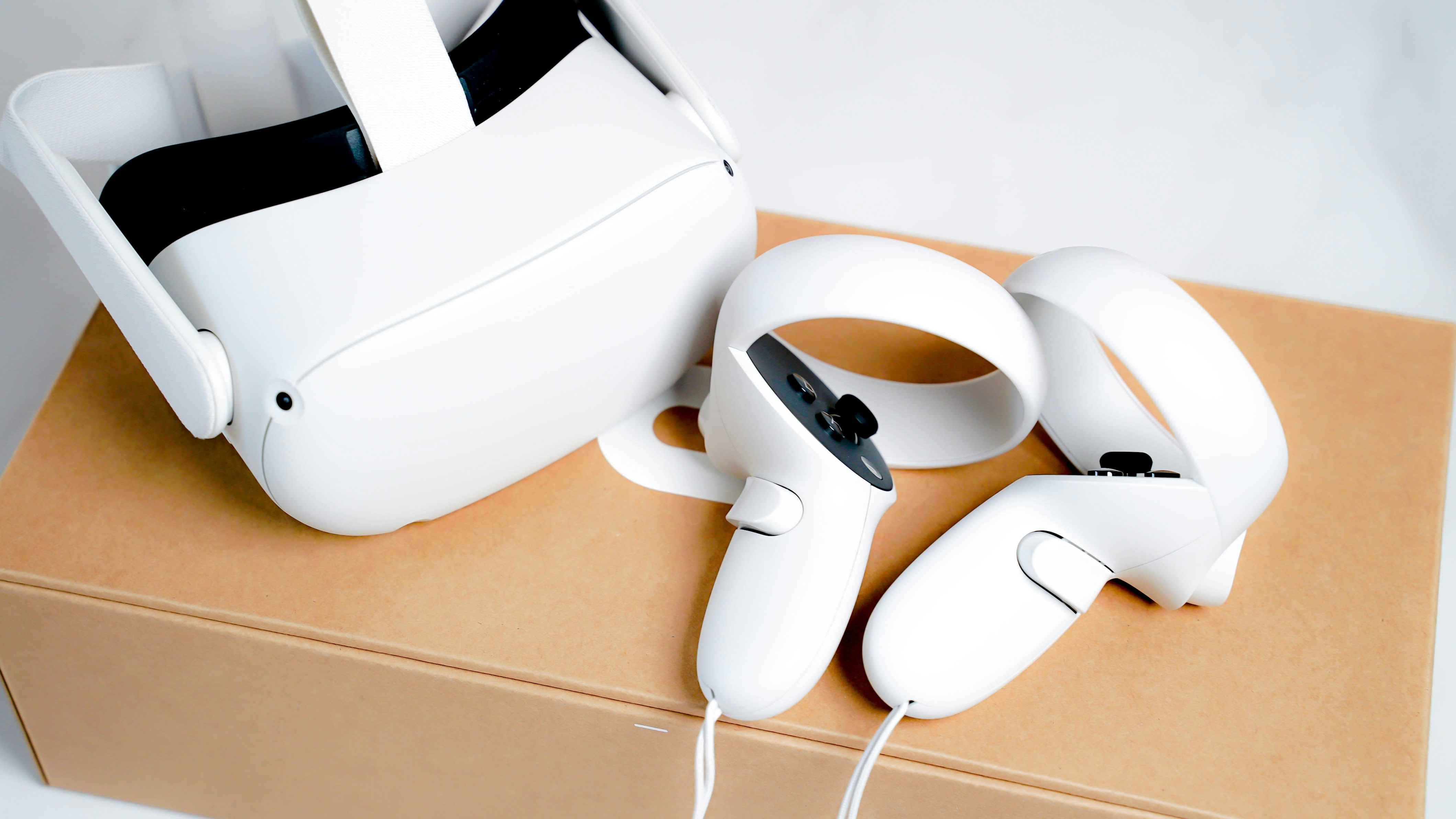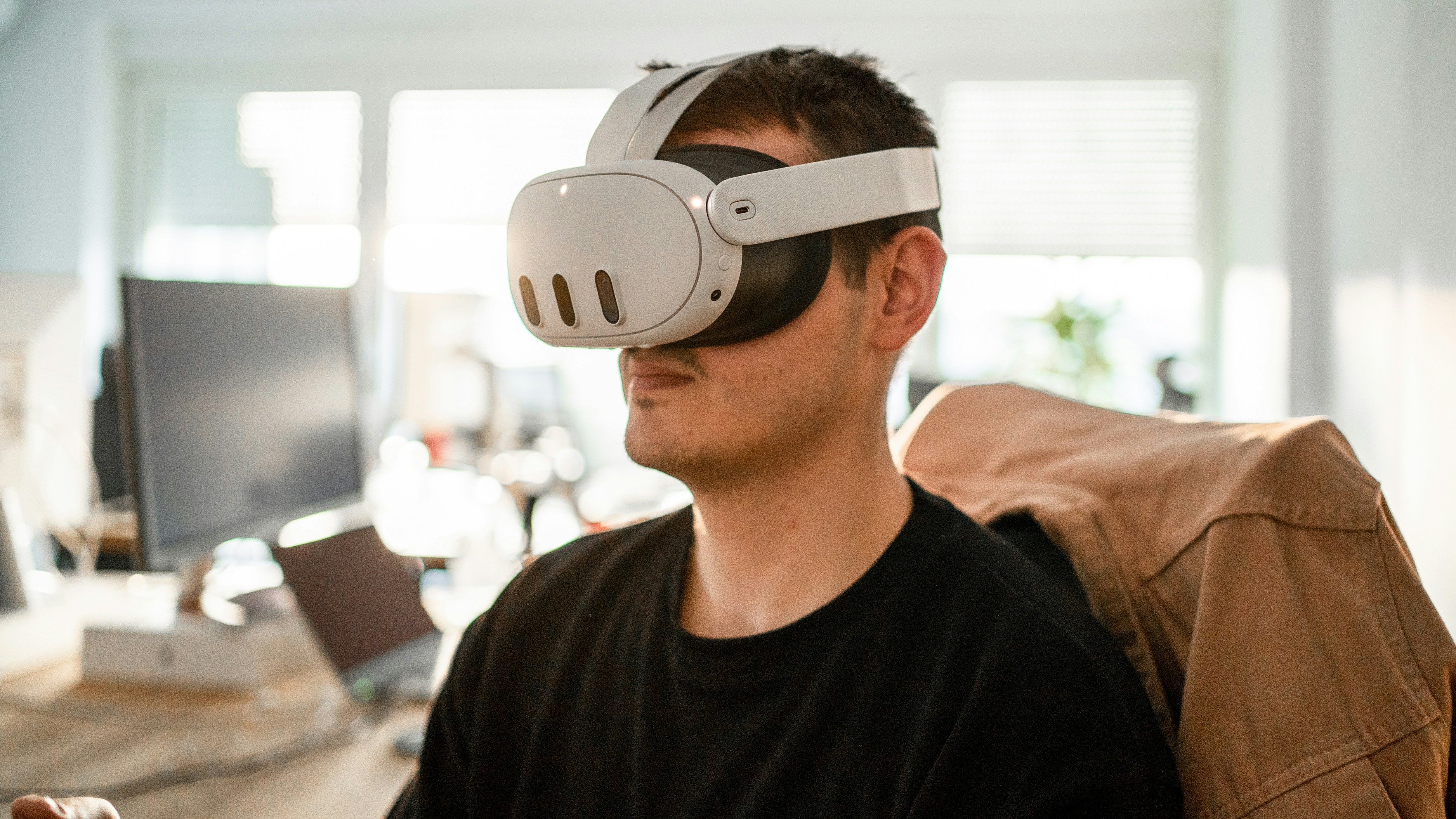
Virtual Reality (VR) is transforming the way businesses communicate, train, and engage with their audiences. From immersive learning experiences to interactive marketing and virtual property tours, VR helps bridge the gap between digital content and real-world experiences, making information easier to understand and decisions easier to make.
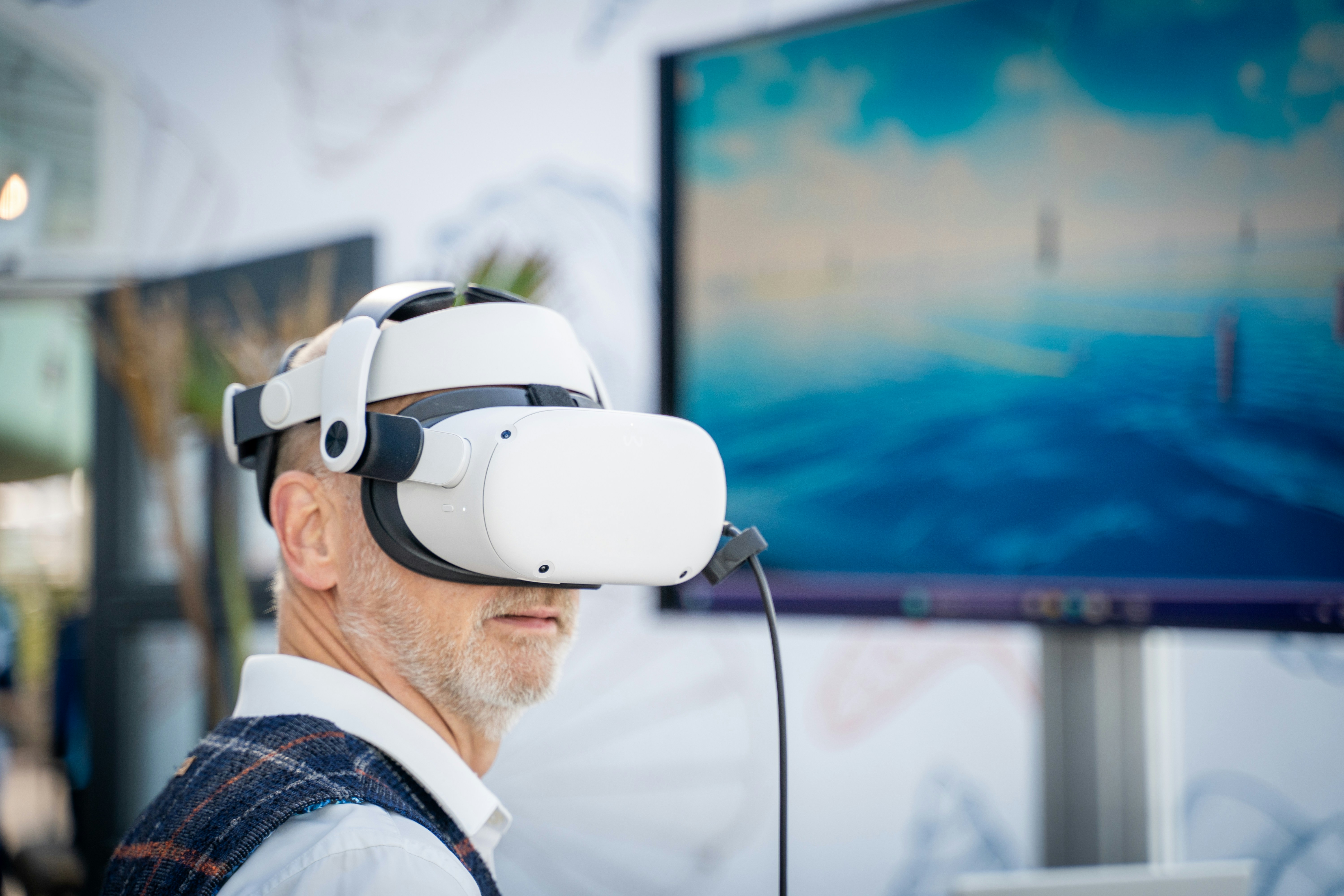
Source: Unsplash
Technology continues to reshape how people interact with information, products, and spaces. Among the most impactful innovations is Virtual Reality (VR), a technology that allows users to experience digital environments as if they were physically present. What was once seen primarily as a gaming tool has evolved into a powerful solution for industries ranging from education and healthcare to real estate, hospitality, and architecture.
Today, businesses are increasingly adopting VR to create more engaging experiences, improve communication, and help customers make confident decisions before committing to a purchase or service.
Virtual Reality is an immersive technology that places users inside a computer-generated environment using specialized devices such as VR headsets. Unlike traditional media, where users simply view content on a screen, VR creates a sense of presence, allowing users to explore and interact with digital spaces in a more natural and intuitive way.
By simulating real-world environments, VR enables users to experience locations, products, and scenarios that may otherwise be difficult, expensive, or impossible to access.
One of the biggest advantages of VR is its ability to improve comprehension through experience. People tend to understand and remember information more effectively when they actively engage with it rather than simply reading or watching.
In educational environments, VR allows students to explore historical sites, scientific concepts, and complex systems in an immersive way. Similarly, businesses can use VR for employee training, enabling staff to practice procedures and scenarios in a safe virtual environment before applying them in real-world situations.
This experiential approach helps reduce learning barriers while improving engagement and retention.
VR has become a valuable tool for industries that rely heavily on visual communication.
In architecture and property development, virtual experiences allow clients to walk through buildings before construction begins. Instead of relying solely on floor plans and static renderings, stakeholders can experience layouts, room proportions, and design concepts in a realistic environment.
For real estate professionals, VR helps buyers explore properties remotely, reducing unnecessary site visits while attracting qualified leads.
The hospitality industry also benefits significantly. Hotels and resorts can showcase rooms, amenities, and facilities through immersive experiences that provide guests with a clearer understanding of what to expect before booking.
Modern consumers expect more than images and descriptions when evaluating products or services. They want interactive experiences that help them make informed decisions.
VR creates stronger engagement by giving users control over their exploration. Rather than passively consuming information, they can navigate spaces, inspect details, and interact with content at their own pace.
This increased level of participation often leads to greater trust, stronger emotional connections, and improved conversion rates.
Training is another area where VR is delivering measurable value. Businesses across various industries are using virtual environments to simulate real-world situations without the risks associated with physical training.
Healthcare professionals can practice medical procedures, engineers can test workflows, and customer service teams can rehearse interactions in realistic scenarios. These simulations help improve confidence, reduce errors, and create more effective learning experiences.
As organizations continue to invest in workforce development, VR is becoming an increasingly practical training solution.
As hardware becomes more affordable and software continues to improve, VR is expected to become a standard tool for communication, collaboration, and visualization.
Future developments will likely include more realistic environments, improved interactivity, and deeper integration with technologies such as Artificial Intelligence (AI) and Augmented Reality (AR). These advancements will make immersive experiences even more accessible and valuable for businesses of all sizes.
Virtual Reality is no longer a futuristic concept—it is a practical technology that is already transforming how businesses educate, market, and communicate. By creating immersive experiences that improve understanding and engagement, VR helps organizations connect with audiences in ways that traditional media cannot.
Whether used for training, architectural visualization, property marketing, or customer engagement, VR offers a powerful opportunity to turn information into experience and make complex ideas easier to understand.

Let's collaborate to turn your vision into an impactful digital success story.
Contact Expert