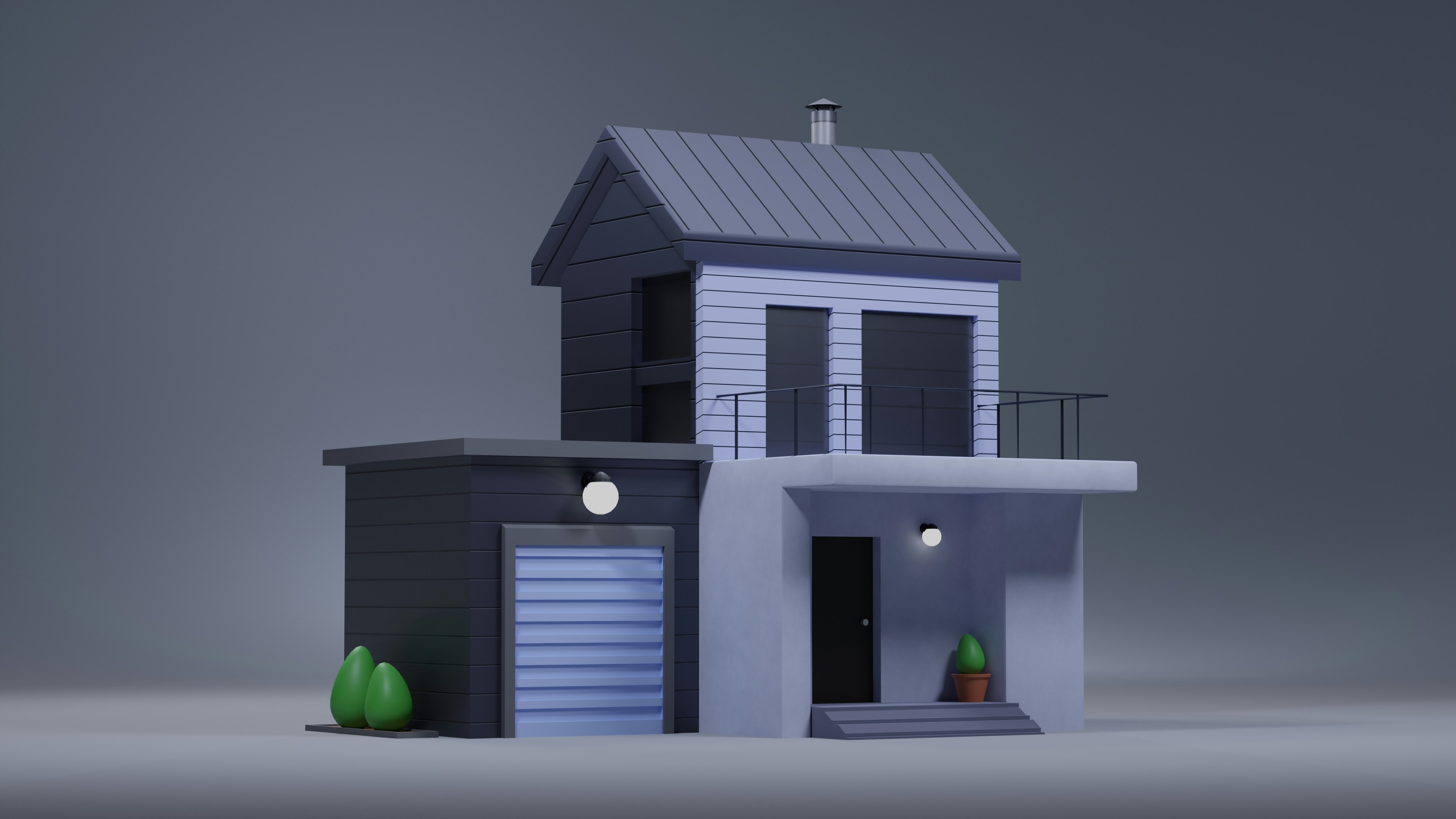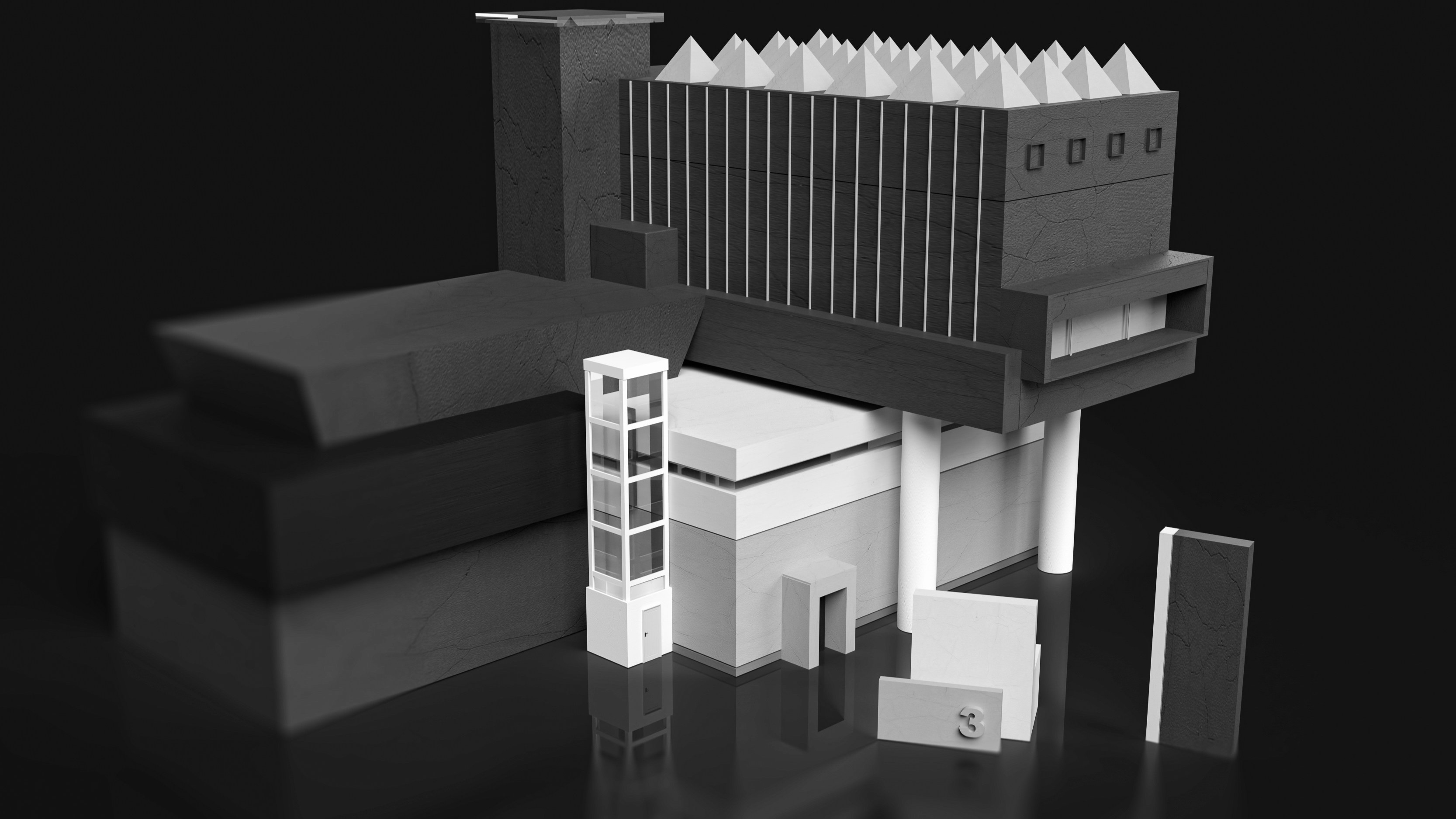
Architectural visualization has evolved far beyond static drawings and blueprints. From 3D renderings to virtual reality experiences, modern visualization tools help architects communicate ideas more effectively, improve collaboration, and make smarter design decisions before construction begins.

Source: Unsplash
Visualization plays a vital role in transforming architectural concepts into experiences that clients, stakeholders, and project teams can easily understand. While technical drawings remain important, they often require professional knowledge to interpret. Visualization tools bridge that gap by presenting designs in a more accessible and engaging format.
By allowing people to see and explore a project before it is built, architects can gather feedback earlier, reduce misunderstandings, and ensure that everyone shares the same vision.
3D rendering has become a standard tool in modern architecture. High-quality visualizations allow designers to showcase interiors, exteriors, materials, and lighting conditions with impressive realism.
These visual assets help clients better understand design concepts, support project approvals, and reduce the need for costly revisions during later stages of development.
Virtual Reality (VR) and Augmented Reality (AR) provide immersive ways to experience architectural spaces before construction begins. VR enables users to walk through a project in a fully digital environment, while AR overlays digital models onto real-world surroundings.
These technologies improve decision-making by helping clients evaluate scale, layout, functionality, and user experience more accurately.
Drone technology and photogrammetry allow architects to capture precise site data and generate accurate digital models of existing environments.
By incorporating real-world measurements and conditions into the design process, project teams can improve planning accuracy and reduce potential construction challenges.
One of the greatest advantages of architectural visualization is its ability to improve communication between architects, clients, consultants, and contractors.
Interactive models and visual presentations make complex ideas easier to understand, helping stakeholders provide more meaningful feedback and make informed decisions throughout the project lifecycle.
Visualization tools are also contributing to more sustainable architecture. Designers can simulate natural lighting, energy performance, and environmental conditions before construction starts.
These insights allow teams to optimize building performance, reduce energy consumption, and create spaces that are adaptable to future needs.
Emerging technologies such as artificial intelligence, real-time rendering, and virtual collaboration platforms are continuing to transform the industry. Architects can now generate design alternatives faster, collaborate remotely, and visualize projects with greater accuracy than ever before.
As these tools become more advanced, visualization will play an even larger role in helping architects design smarter, more efficient, and more user-centered environments.
Architectural visualization is no longer just a presentation tool—it has become an essential part of the design process. By combining 3D rendering, immersive technologies, and real-world data, architects can communicate ideas more effectively, improve collaboration, and create better outcomes for both clients and communities.

Let's collaborate to turn your vision into an impactful digital success story.
Contact Expert