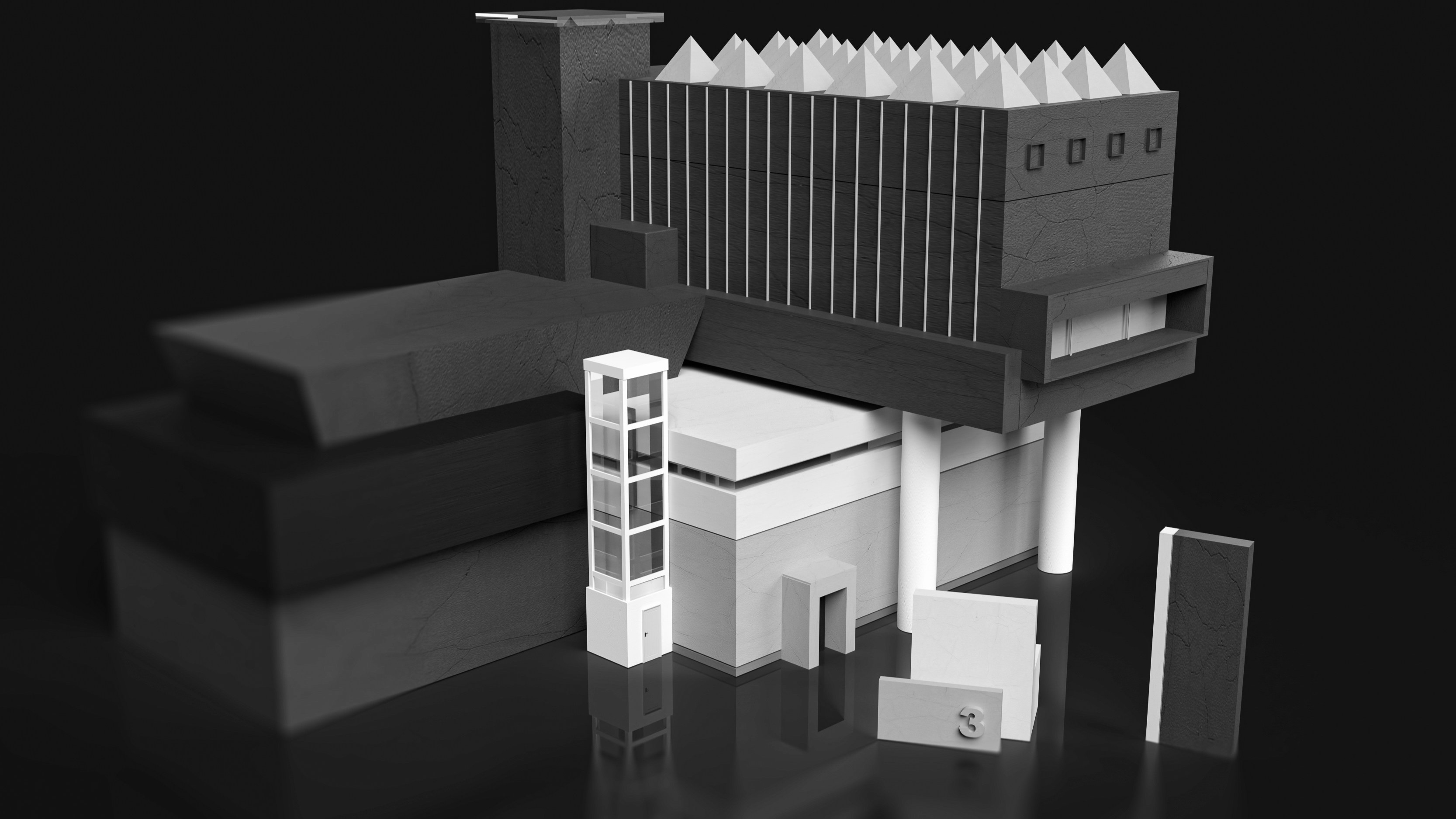
Architectural visualization brings ideas to life across industries by turning concepts into realistic visuals, helping businesses communicate more effectively, attract audiences, and make better decisions before anything is built.
Architectural visualization is no longer limited to architects and designers. Today, it plays a vital role across multiple industries, helping professionals communicate ideas more clearly, present concepts more effectively, and make better decisions before anything is physically built.
By turning plans into realistic visuals, architectural visualization allows people to experience spaces before they exist. This makes it a powerful tool not only for design, but also for marketing, planning, and storytelling.
Here are some of the key industries where architectural visualization is widely used:
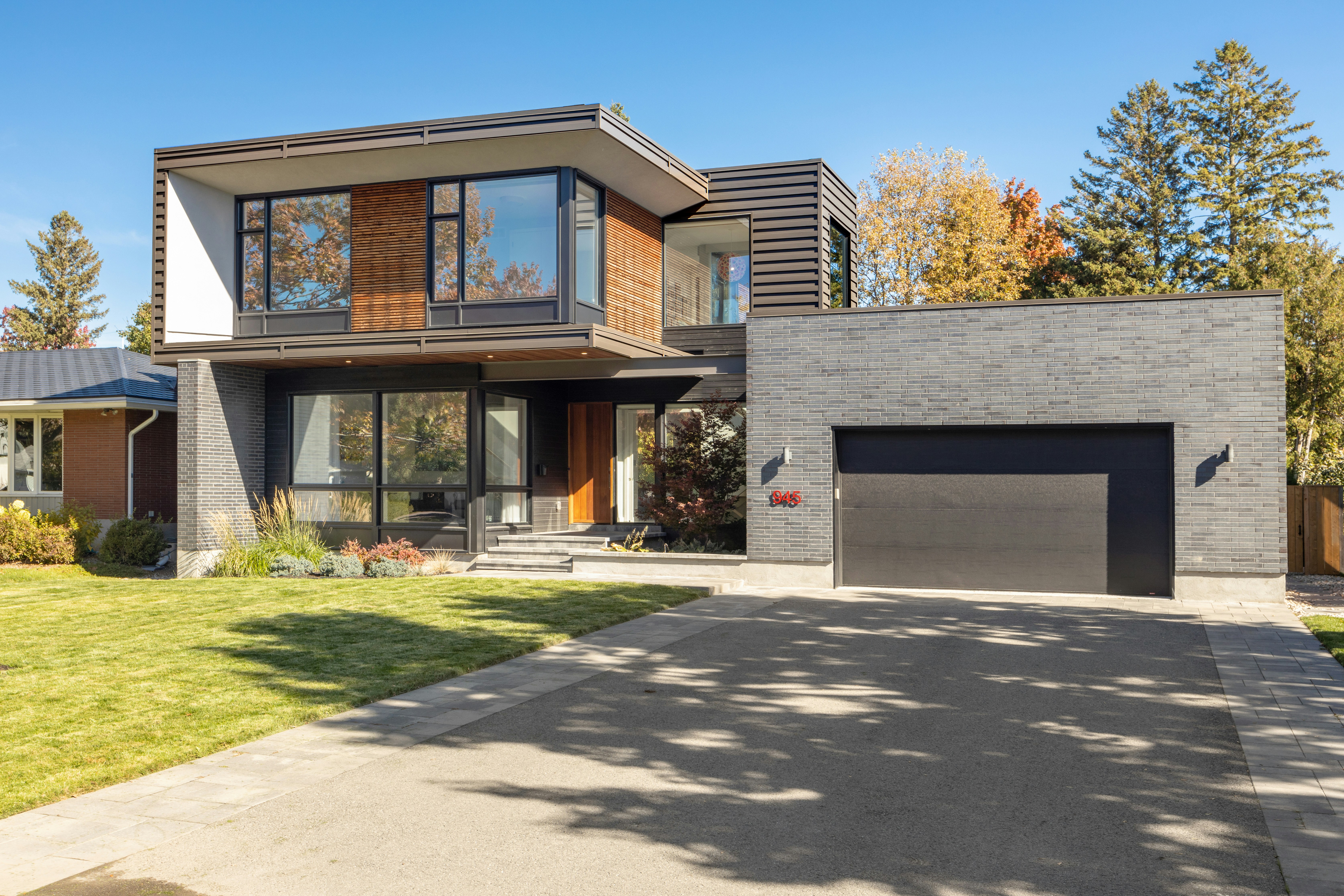
Source: Unsplash/Point3D Commercial Imaging Ltd
One of the most common uses of architectural visualization is in architecture and real estate. Developers and architects use high-quality renderings, animations, and virtual tours to present projects in a realistic and compelling way.
This is especially valuable for properties that are still under construction. Instead of relying on blueprints, potential buyers and investors can see exactly how a space will look and feel once completed.
As a result, architectural visualization helps:
Attract investors early
Improve marketing materials
Increase buyer confidence
Accelerate sales and project approvals

Source: Unsplash/Kam Idris
In interior design, visualization allows designers and clients to explore ideas before making final decisions.
From furniture placement to lighting and color schemes, every detail can be visualized in advance. This not only enhances creativity but also reduces the risk of costly changes during execution.
Clients can clearly see how their future space will look, making collaboration smoother and more efficient.

Source: Unsplash/Denys Nezovhai
Architectural visualization is also essential in urban planning and large-scale development projects.
City planners, architects, and engineers use it to simulate environments, analyze spatial layouts, and evaluate how new developments will interact with existing surroundings.
This helps stakeholders better understand:
Infrastructure impact
Traffic flow and accessibility
Environmental considerations
Community integration
By visualizing entire environments, decision-makers can plan more effectively and avoid potential issues early on.

Source: Unsplash/Usman Malik
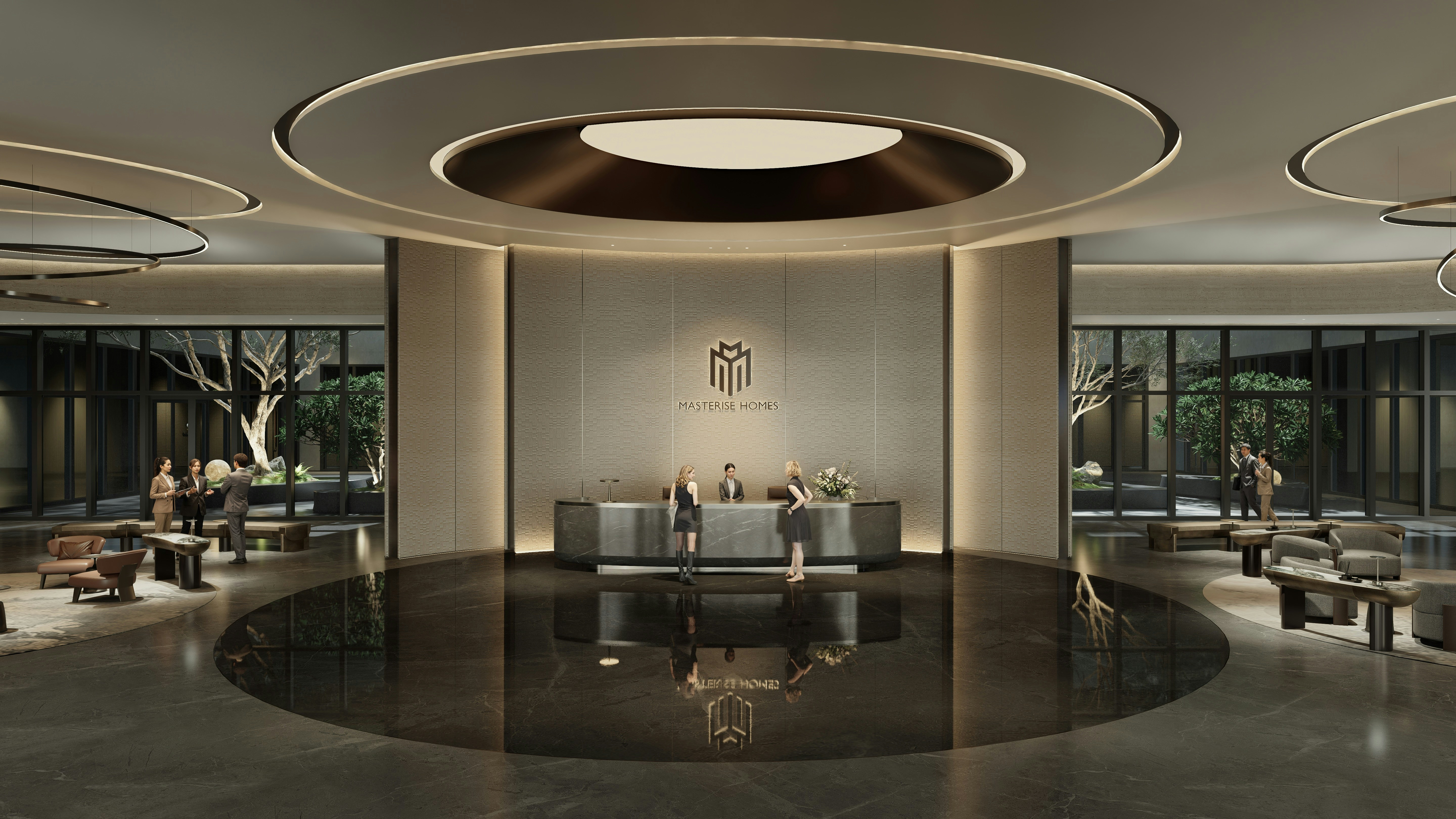
Hotels, resorts, restaurants, and commercial properties rely on architectural visualization to showcase their spaces before they are built or renovated.
These visuals are often used for:
Marketing campaigns
Investor presentations
Brand storytelling
High-quality renderings help communicate the atmosphere, design concept, and overall experience—making it easier to attract both customers and business partners.
Source: Unsplash/Can Chu
Beyond design and planning, architectural visualization has become a powerful asset in marketing.
Brands use it to create visually compelling content for websites, social media, and advertisements. Whether it’s a property launch or a commercial campaign, realistic visuals help capture attention and communicate value quickly.
In a visually driven digital landscape, this can make a significant difference in how a project is perceived.
Architectural visualization has evolved into a versatile tool that goes far beyond design. From real estate and interior design to urban planning and marketing, it helps industries communicate ideas more effectively, reduce uncertainty, and create stronger connections with their audiences.
As technology continues to advance, its role will only become more important—shaping not just how spaces are designed, but how they are presented, experienced, and brought to life.

Let's collaborate to turn your vision into an impactful digital success story.
Contact Expert