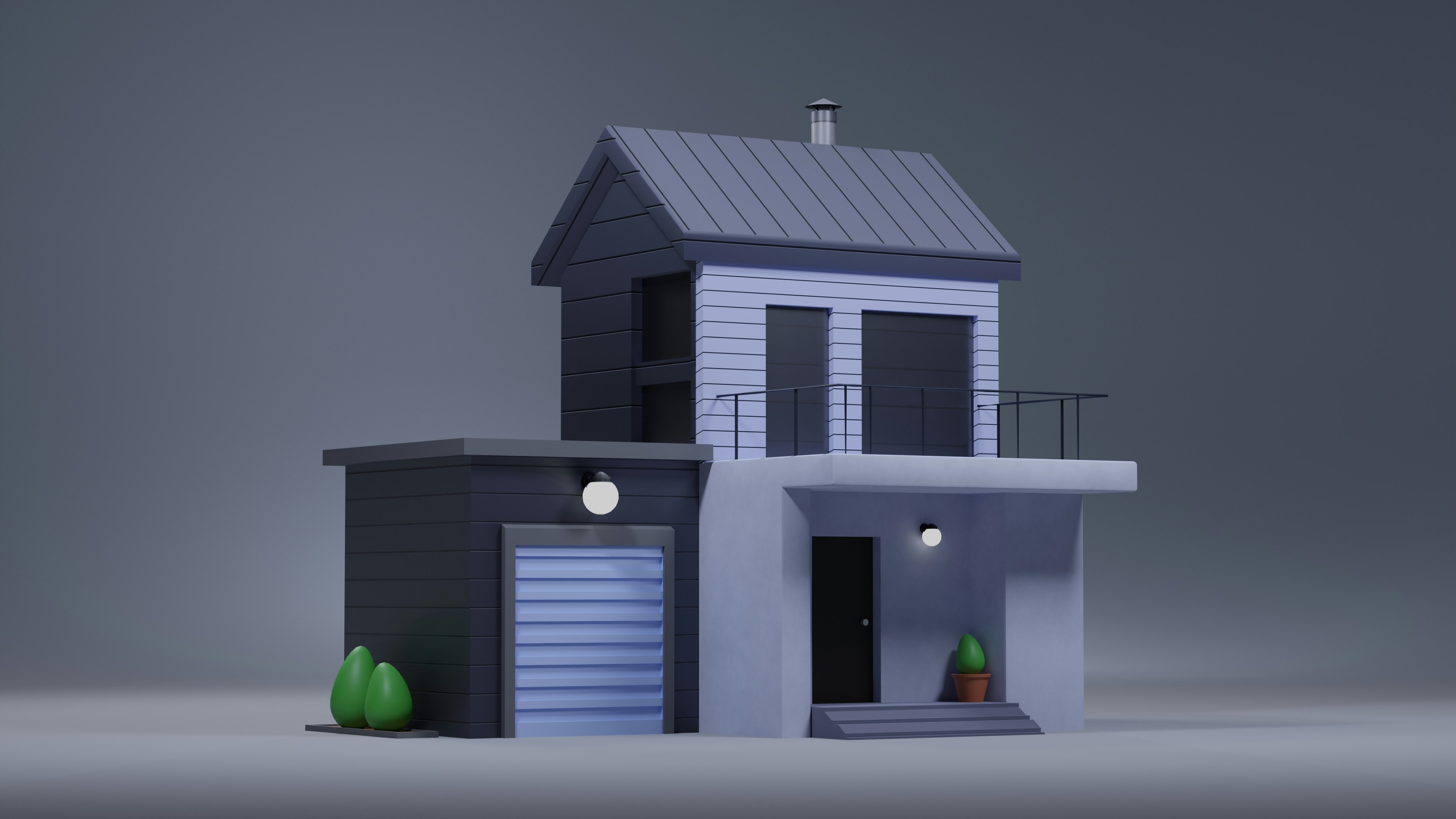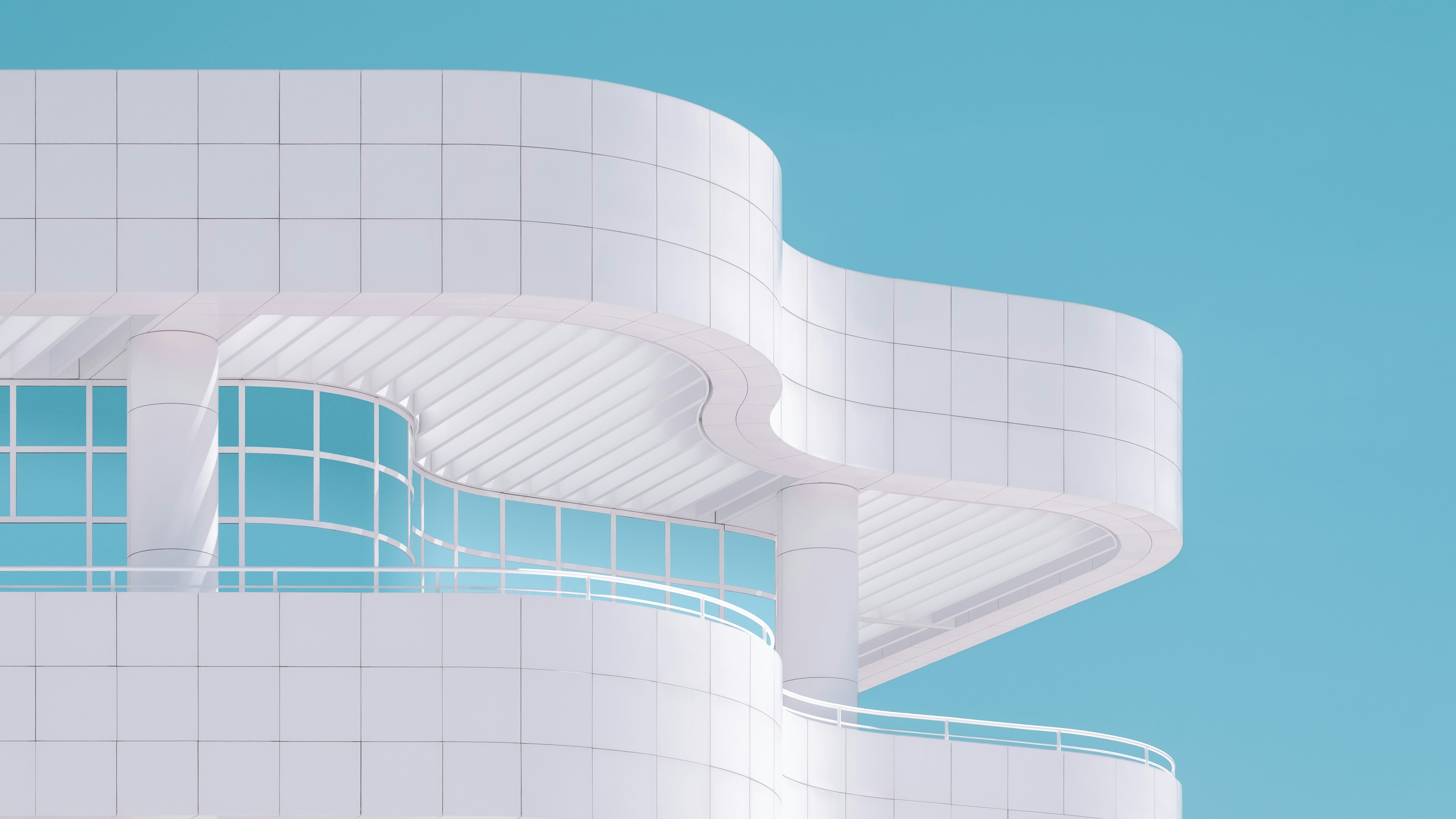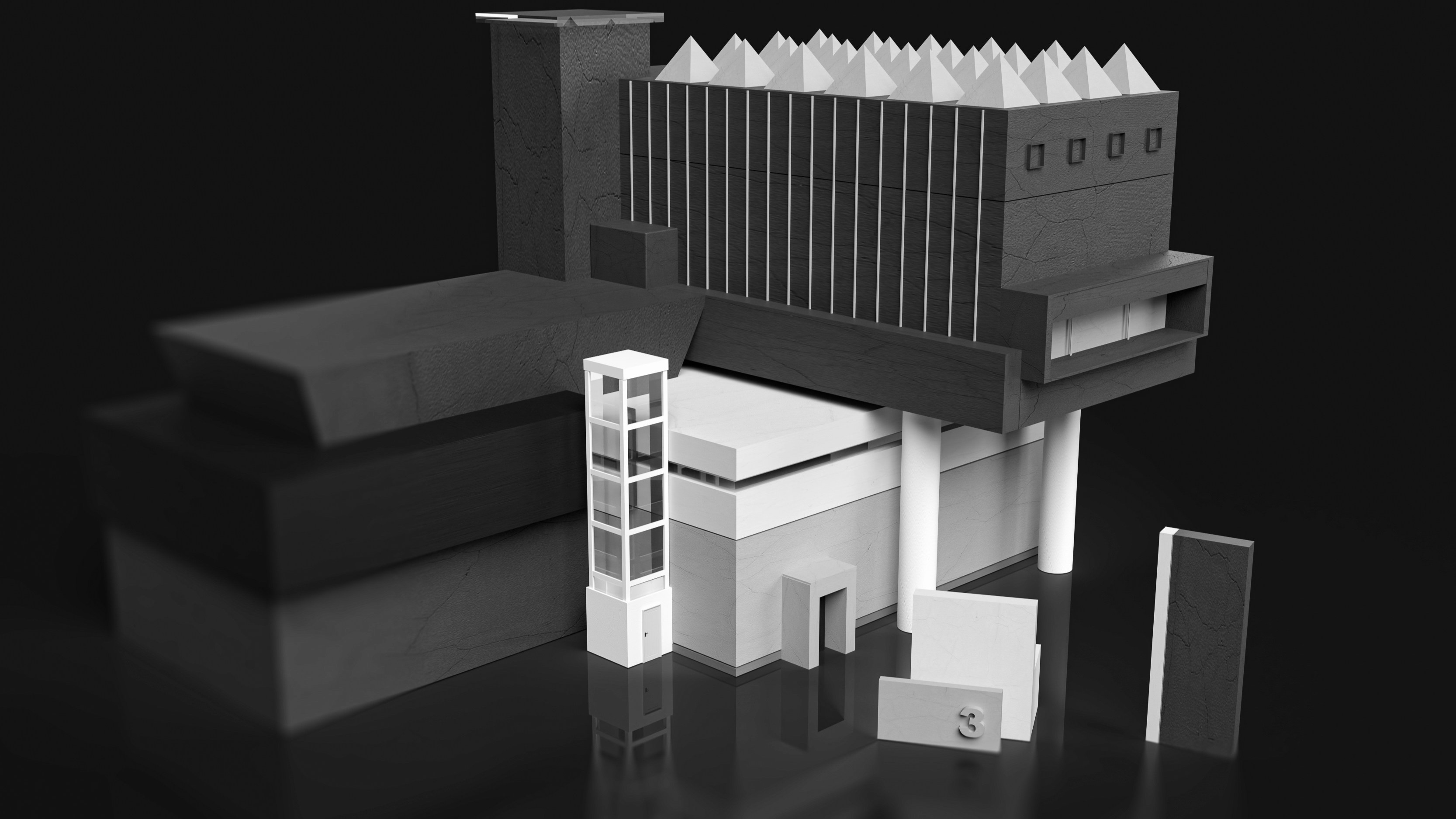
3D visualization has become a vital tool in modern architecture, helping professionals communicate ideas clearly, detect design issues early, and enhance both project efficiency and real estate marketing through realistic, immersive visuals.

Source: Unsplash/Murat Demircan
In today’s fast-evolving architecture and real estate landscape, 3D visualization is no longer just a design tool—it’s a strategic advantage. As projects become more complex and client expectations continue to rise, architects and developers need more than traditional blueprints to communicate ideas effectively.
This is where 3D architectural visualization plays a crucial role. By transforming concepts into realistic, immersive visuals, it bridges the gap between imagination and reality—helping both professionals and clients see the bigger picture before construction even begins.

Source: Unsplash/Murat Demircan
3D visualization in architecture refers to the process of creating realistic digital representations of buildings, interiors, and environments using advanced modeling and rendering techniques.
These visuals can range from static images to animations and even interactive experiences, allowing stakeholders to explore a project from multiple angles with high accuracy.

Source: Unsplash/Murat Demircan
One of the biggest challenges in architecture is translating technical drawings into something clients can easily understand.
3D visualization solves this by presenting designs in a realistic and visually engaging way. Instead of interpreting 2D plans, clients can instantly grasp layouts, proportions, and spatial relationships.
With 3D models, architects can identify potential design flaws before construction begins. From structural inconsistencies to spatial inefficiencies, issues become visible early in the process.
This proactive approach helps avoid costly revisions during construction.
Result: Reduced risk, better planning, and smoother project execution.
Traditional design revisions can be time-consuming and expensive. With 3D visualization, changes can be made quickly and efficiently without starting from scratch.
Architects can experiment with layouts, materials, and design elements in real-time.
3D visualization allows architects to work with precise details—from textures and lighting to materials and dimensions.
This level of accuracy ensures that what is designed digitally closely matches the final built result.
Benefit: Minimizes human error and improves construction reliability.
By simulating real-world conditions such as lighting, environment, and materials, 3D visualization helps architects make smarter design decisions.
It also allows testing multiple design options before finalizing the best solution.
Clients today expect more than just drawings—they want to experience the project before it’s built.
3D visualization enables immersive previews, helping clients feel confident in their decisions. They can give feedback early, request changes, and choose between design alternatives.
Result: Higher client satisfaction and fewer revisions later.
Beyond design, 3D visualization is a game-changer for real estate marketing.
Developers can use high-quality renders, animations, and virtual tours to promote properties even before construction starts. This is especially valuable for pre-sales and investor presentations.

Source: Unsplash/Murat Demircan
In a competitive industry, visuals are no longer optional—they are essential. Buyers, investors, and clients rely heavily on visual content to make decisions.
3D visualization not only improves design efficiency but also strengthens your ability to market, present, and sell architectural projects effectively.
3D visualization has transformed architecture from a purely technical process into a more collaborative, efficient, and visually driven experience. It enhances communication, reduces risks, saves time and costs, and elevates both design quality and client satisfaction.
More importantly, it empowers architects and developers to not just design spaces—but to sell ideas, experiences, and visions long before they are built.
In today’s digital era, leveraging 3D visualization isn’t just an advantage—it’s a necessity for anyone looking to stay competitive in architecture and real estate.
Let's collaborate to turn your vision into an impactful digital success story.
Contact Expert