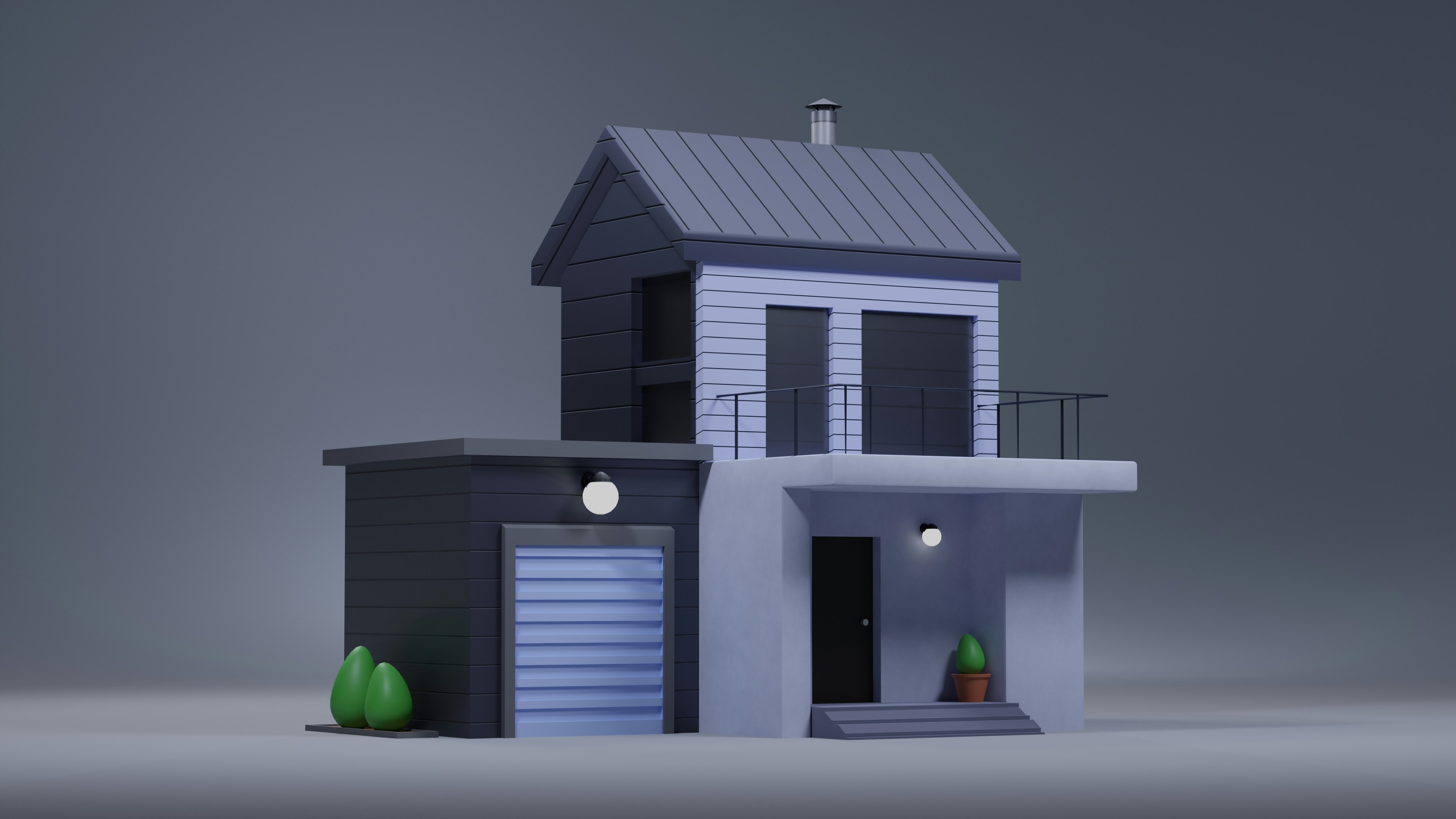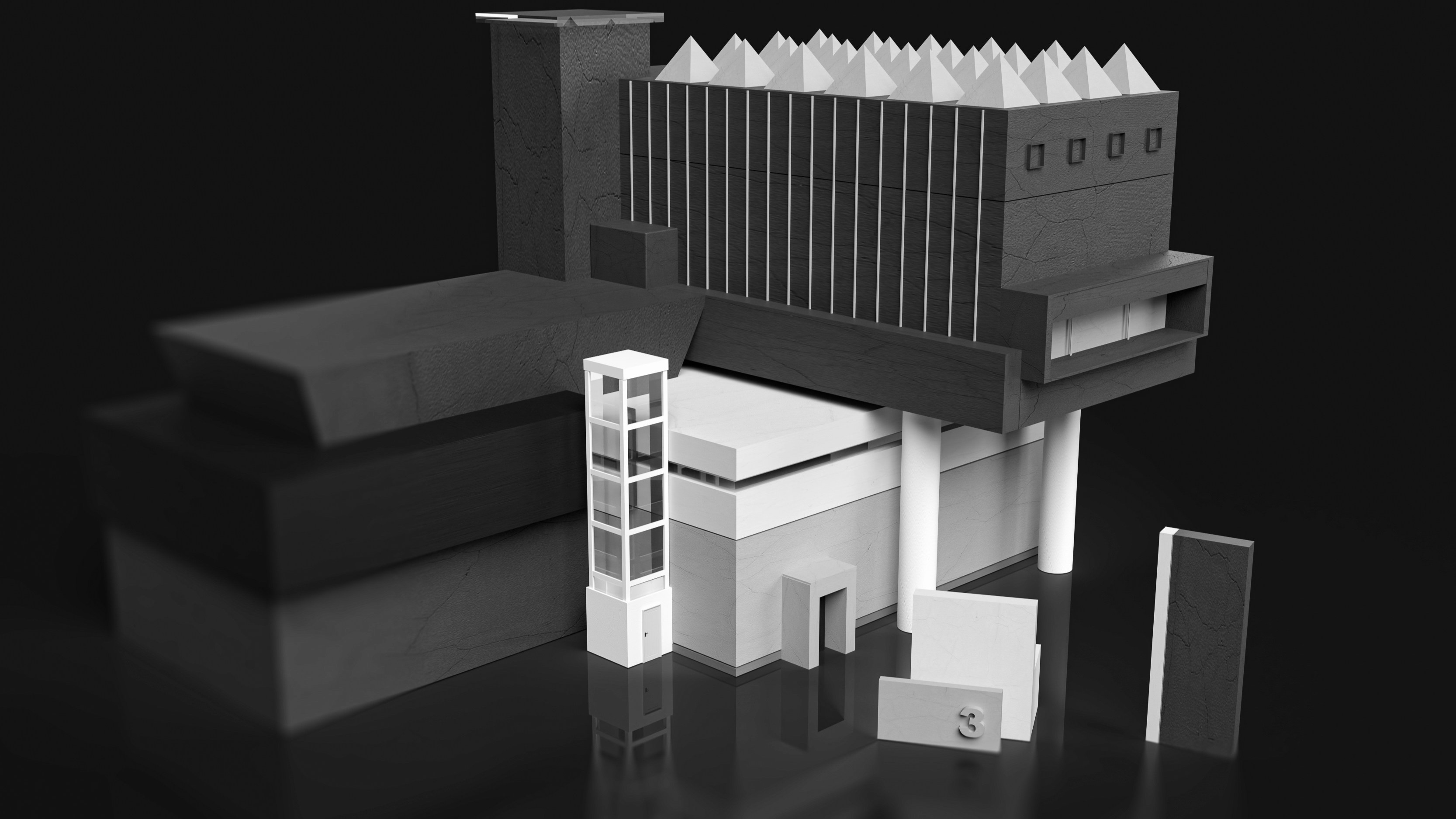
Architecture visualization is transforming modern design by turning complex concepts into immersive, easy-to-understand experiences. From 3D renderings to VR walkthroughs, it improves communication, speeds up decision-making, and reduces costly errors—making it an essential tool for architects, developers, and clients alike.
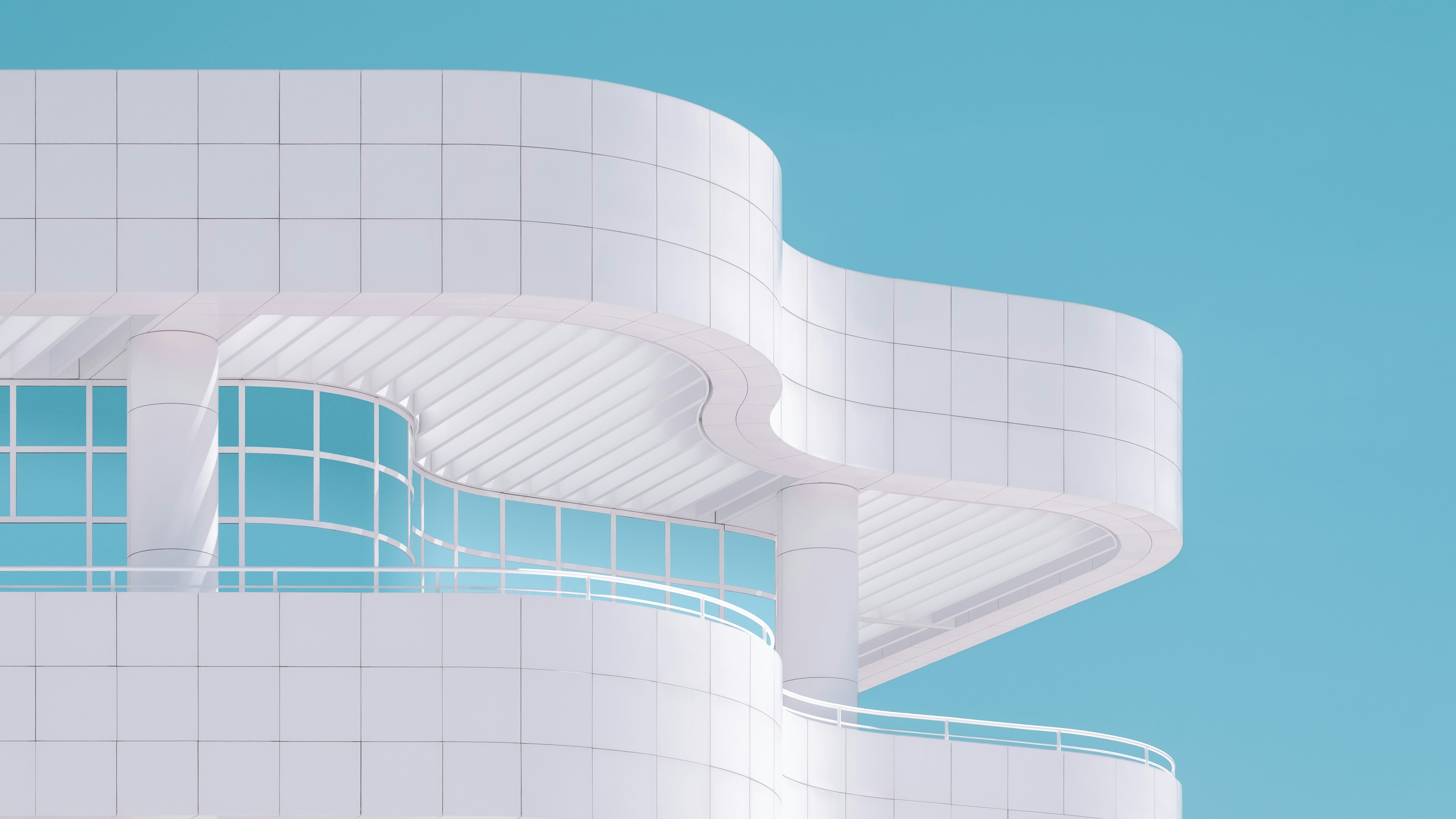
Source: Unsplash/Christian Ventura
In today’s fast-paced and highly competitive design industry, architecture visualization is no longer just a creative tool—it’s a strategic necessity. As projects become more complex and clients demand greater clarity, architects must go beyond traditional blueprints and deliver immersive, easy-to-understand visual experiences.
From 3D renderings to Virtual Reality (VR) walkthroughs, architecture visualization transforms abstract ideas into tangible visuals—helping stakeholders see, understand, and engage with a project before construction even begins.
Source: Unsplash/Kapil Rai
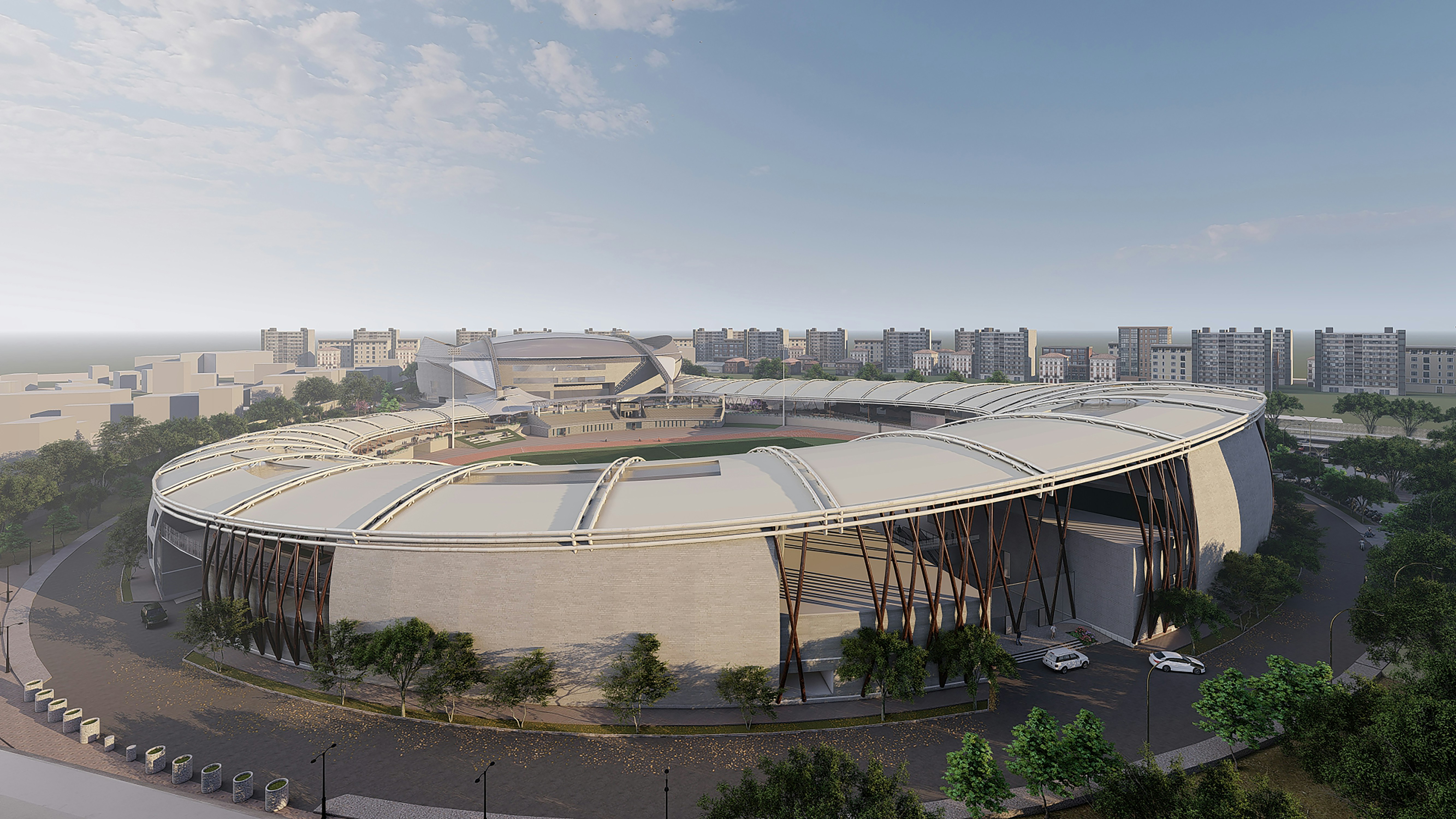
Architecture visualization bridges the gap between concept and reality. Instead of relying solely on technical drawings, architects can present realistic 3D models, animations, and interactive environments.
This allows:
Clients to fully understand spatial layouts
Stakeholders to evaluate design decisions early
Teams to collaborate more effectively
However, visualization must be used responsibly. Overly polished visuals can sometimes create unrealistic expectations, so balancing accuracy and creativity is key.
Complex architectural concepts become easier to understand through visual representation. Clients no longer need technical expertise to grasp a design—they can simply see it.
Interactive models and renders allow quick revisions and real-time feedback, speeding up approvals and reducing project delays.
Immersive tools like VR enable clients to “walk through” spaces before they exist, increasing confidence and satisfaction.
Visualization helps identify flaws in layout, lighting, or materials before construction begins—saving time and preventing costly revisions.
High-quality visuals are powerful marketing assets for developers and architects, helping attract investors, buyers, and stakeholders.
Architecture visualization isn’t just about aesthetics—it directly impacts project outcomes.
Projects using visualization tools have higher approval rates
Clients are more likely to engage with visual content than technical drawings
Early-stage visualization reduces costly on-site errors
In short, it improves both efficiency and profitability.
Modern visualization is evolving rapidly with technologies like:
Virtual Reality (VR): Fully immersive walkthrough experiences
Augmented Reality (AR): Overlaying designs onto real-world environments
Real-time rendering: Instant design adjustments
These innovations allow clients to interact with designs in ways that were previously impossible, making decision-making more intuitive.
One of the biggest advantages of architecture visualization is cost control.
By identifying issues early:
Fewer design revisions are needed
Material waste is reduced
Construction delays are minimized
While initial visualization may require investment, it significantly reduces long-term project costs.
Despite its advantages, architecture visualization comes with challenges:
High-quality production can be expensive
Misleading visuals can create false expectations
Over-focus on aesthetics may overlook functionality
The solution lies in combining technical accuracy with creative storytelling.

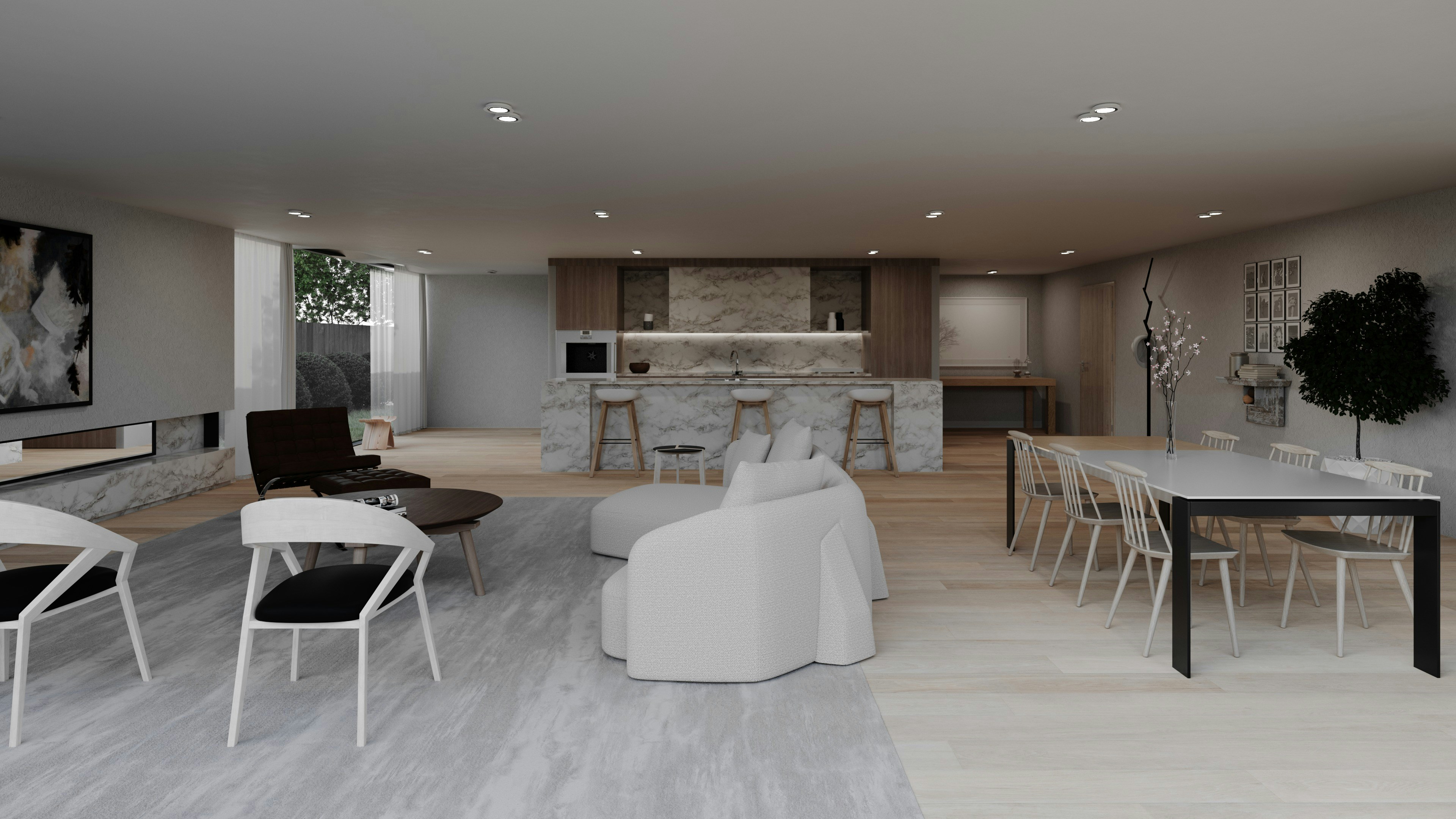
Source: Unsplash/Murat Demircan
Architecture visualization has become a cornerstone of modern design. It enhances communication, improves efficiency, and elevates the overall quality of projects.
As technology continues to evolve, firms that embrace visualization—especially immersive tools like VR and AR—will gain a clear competitive advantage in the industry.
In today’s design landscape, seeing is no longer enough—experiencing is everything

Let's collaborate to turn your vision into an impactful digital success story.
Contact Expert