Discover how cinematography transforms ordinary footage into premium visual content. From lighting and composition to camera movement, learn why intentional visual decisions matter more than expensive equipment in creating professional videos that strengthen your brand.
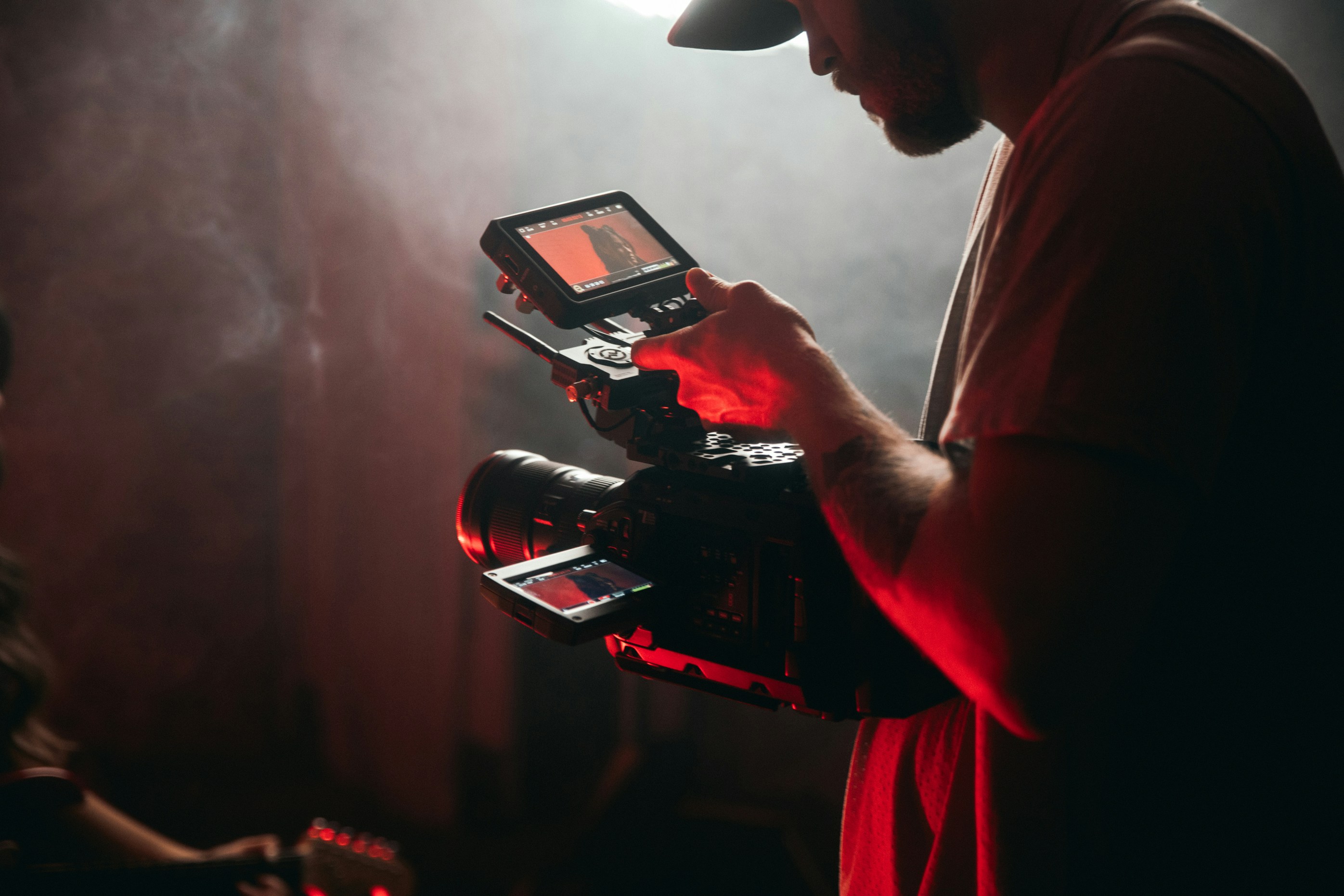
Source: Unsplash/Kylie Loftus
A premium-looking video is not simply the result of using an expensive camera. What makes a video feel polished, professional, and memorable is the way visual elements are carefully planned and executed.
From lighting and composition to camera movement and framing, cinematography determines how an audience experiences a story. These creative decisions can transform an ordinary video into a visual experience that feels intentional, engaging, and high quality.
For businesses, this matters more than ever. In a digital environment where brands compete for attention through video, strong cinematography can influence how audiences perceive a company, product, property, or service.
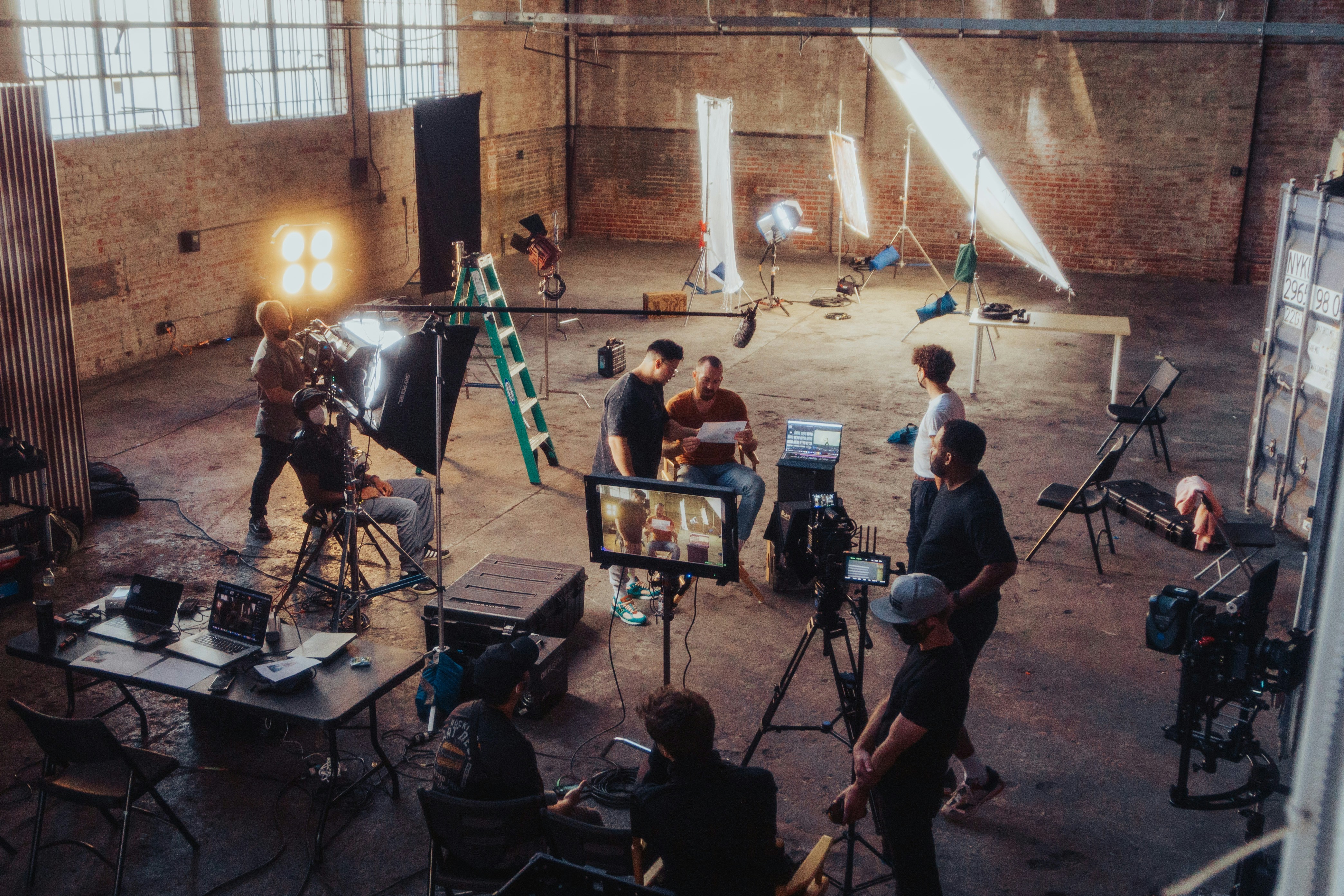
Source: Unsplash/Jakob Owens
Cinematography is the art and technique of creating visual storytelling through camera work, lighting, composition, movement, and framing.
While a camera records an image, cinematography determines how that image communicates a message or emotion.
A corporate video, for example, may use bright and controlled lighting to communicate professionalism and trust. A property video may use wide compositions and smooth camera movements to emphasize space and architecture.
This means cinematography is not only about making footage look beautiful. It is about making visual choices that support the purpose of the video.
Lighting is one of the most important elements of professional video production.
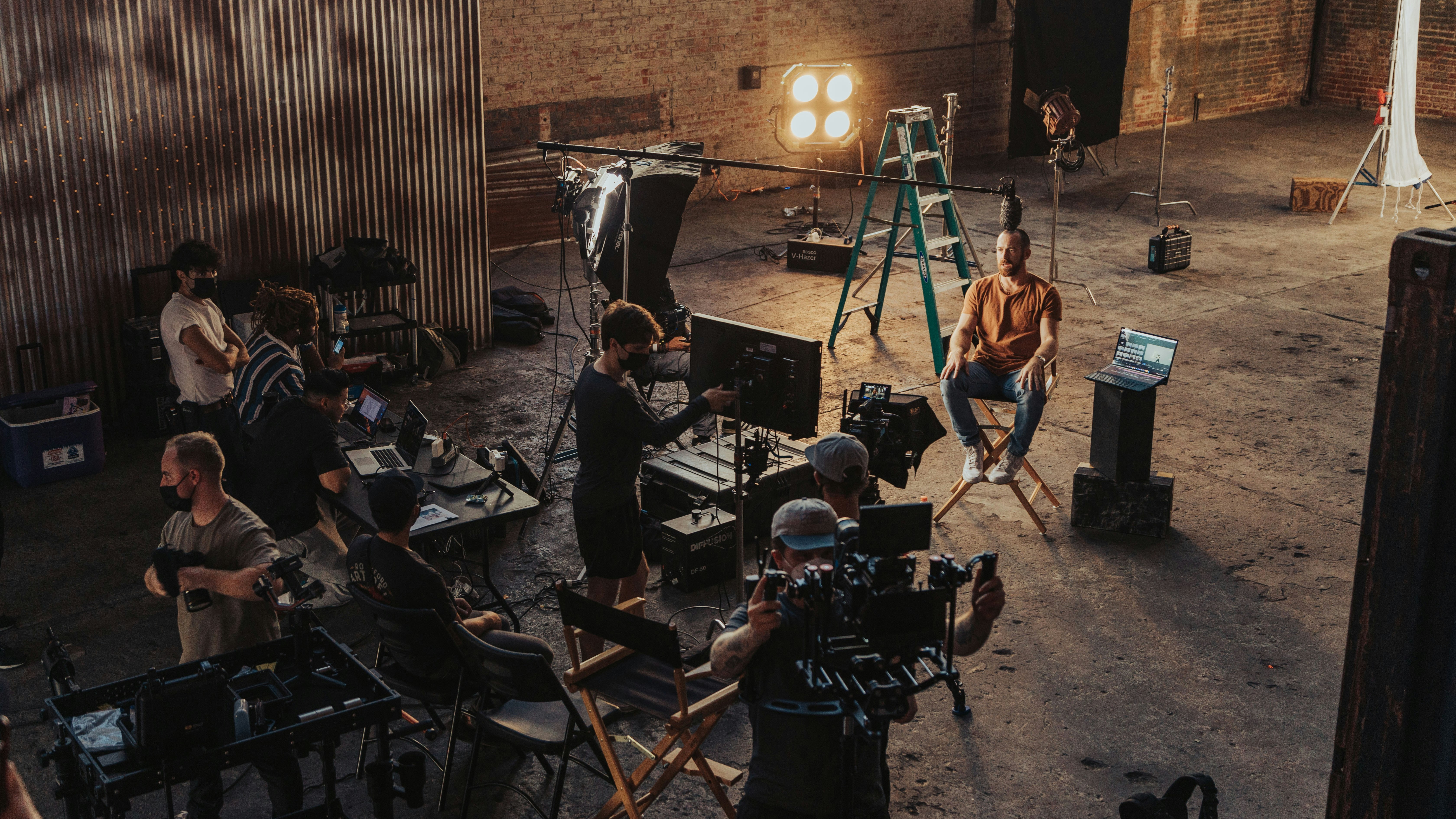
The same location can feel completely different depending on how it is lit. Soft, natural lighting can create a warm and welcoming atmosphere, while directional lighting can create stronger contrast and a more dramatic appearance.
Professional cinematography considers factors such as:
Direction of light
Shadow and contrast
Color temperature
Exposure
Subject separation
Natural and artificial light sources
Good lighting helps the subject stand out while also giving the scene depth and character.
For corporate videos, interviews, architectural films, and commercial content, controlled lighting can make the difference between footage that simply looks acceptable and footage that feels professionally produced.
A premium video also depends on what appears inside the frame.
Composition refers to how visual elements are arranged within an image. The position of the subject, background, negative space, lines, proportions, and depth all influence how viewers perceive a scene.
For example, an architectural video can use symmetrical compositions to highlight a building's structure, while a lifestyle video might use layered foreground and background elements to create a stronger sense of depth.
Small decisions such as headroom, camera height, framing, and background selection can significantly affect the final result.
In many cases, improving composition does not require more expensive equipment. It simply requires a more deliberate approach to framing.
Camera movement can add energy, emotion, and context to a video. However, movement should always support the story.
Smooth tracking shots can reveal the scale of an architectural project. A slow camera movement can introduce a product or environment. Handheld movement can create a more immediate and dynamic feeling when used intentionally.
The key is knowing when to move and when to stay still.
Unnecessary movement can make footage feel distracting or amateur. In contrast, a well-planned camera movement can guide the viewer's attention and make a scene feel more cinematic.
Another characteristic of premium cinematography is the use of depth.
Instead of presenting a completely flat image, filmmakers can use foreground elements, subjects, backgrounds, lighting, and lens choices to create layers within the frame.
This is particularly useful for architectural visualization and property videos. Showing a foreground element before revealing the main space can create a stronger sense of scale and make the viewer feel more immersed in the environment.
Depth also helps separate the subject from its surroundings, creating a more refined visual appearance.
Color plays an important role in how audiences interpret visual content.
Warm tones can create a feeling of comfort and familiarity, while cooler tones may communicate sophistication, technology, or a more contemporary atmosphere.
For brands, consistent color treatment can also strengthen visual identity. Corporate videos, property films, product videos, and promotional content can all benefit from a color palette that aligns with the brand's positioning.
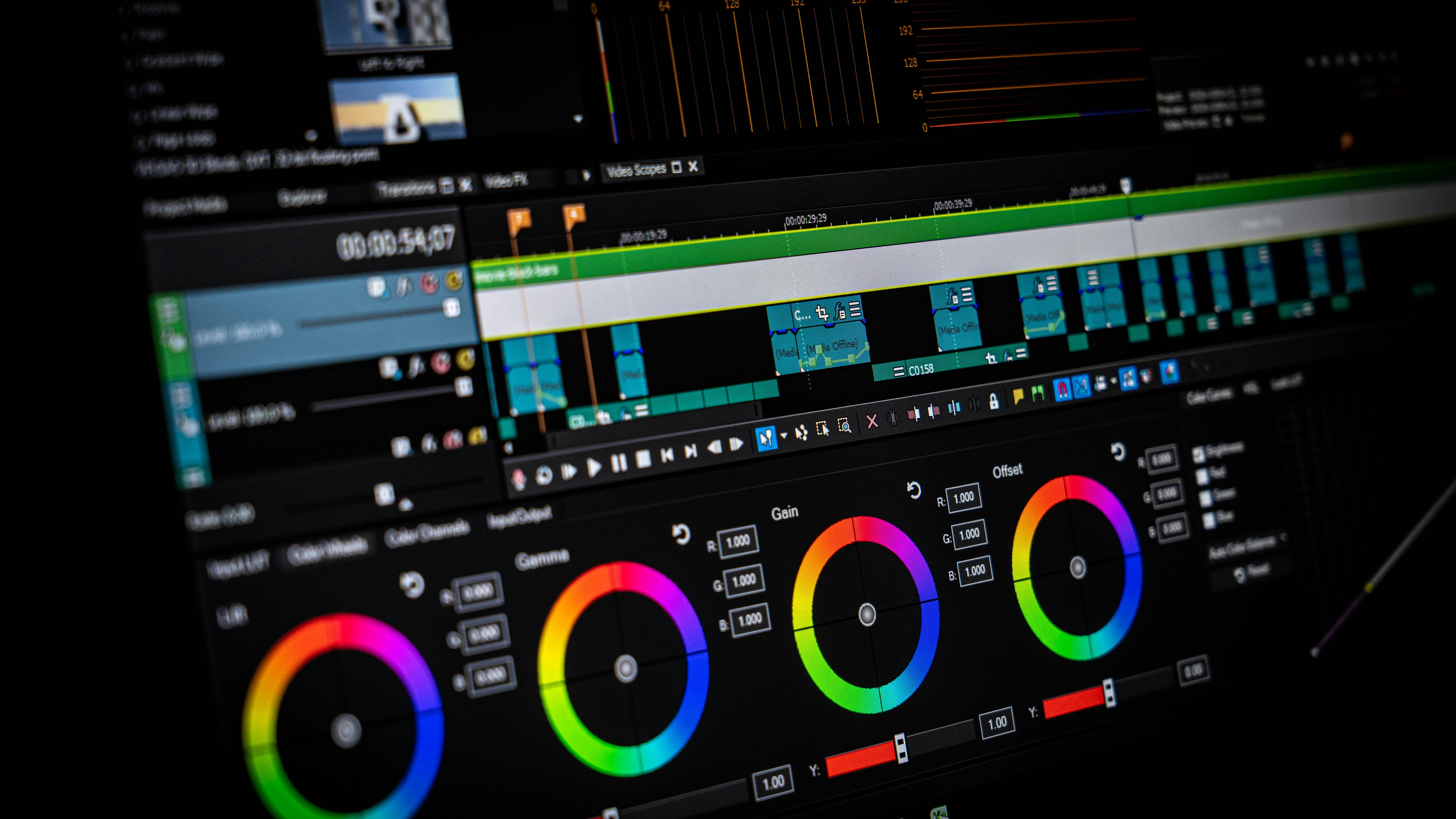
Color grading should therefore be more than simply making footage look attractive. It should support the mood, story, and identity of the project.
For businesses, professional cinematography can influence how audiences perceive the brand behind the video.
A poorly composed corporate video may make a company appear less professional than it actually is. On the other hand, carefully produced visuals can communicate attention to detail, quality, and credibility before the audience even hears the message.
This is particularly important for industries where visual presentation plays a major role, including:
Real estate
Architecture
Hospitality
Property development
Retail
Corporate services
Lifestyle brands
The visual quality of a video becomes part of the brand experience itself.
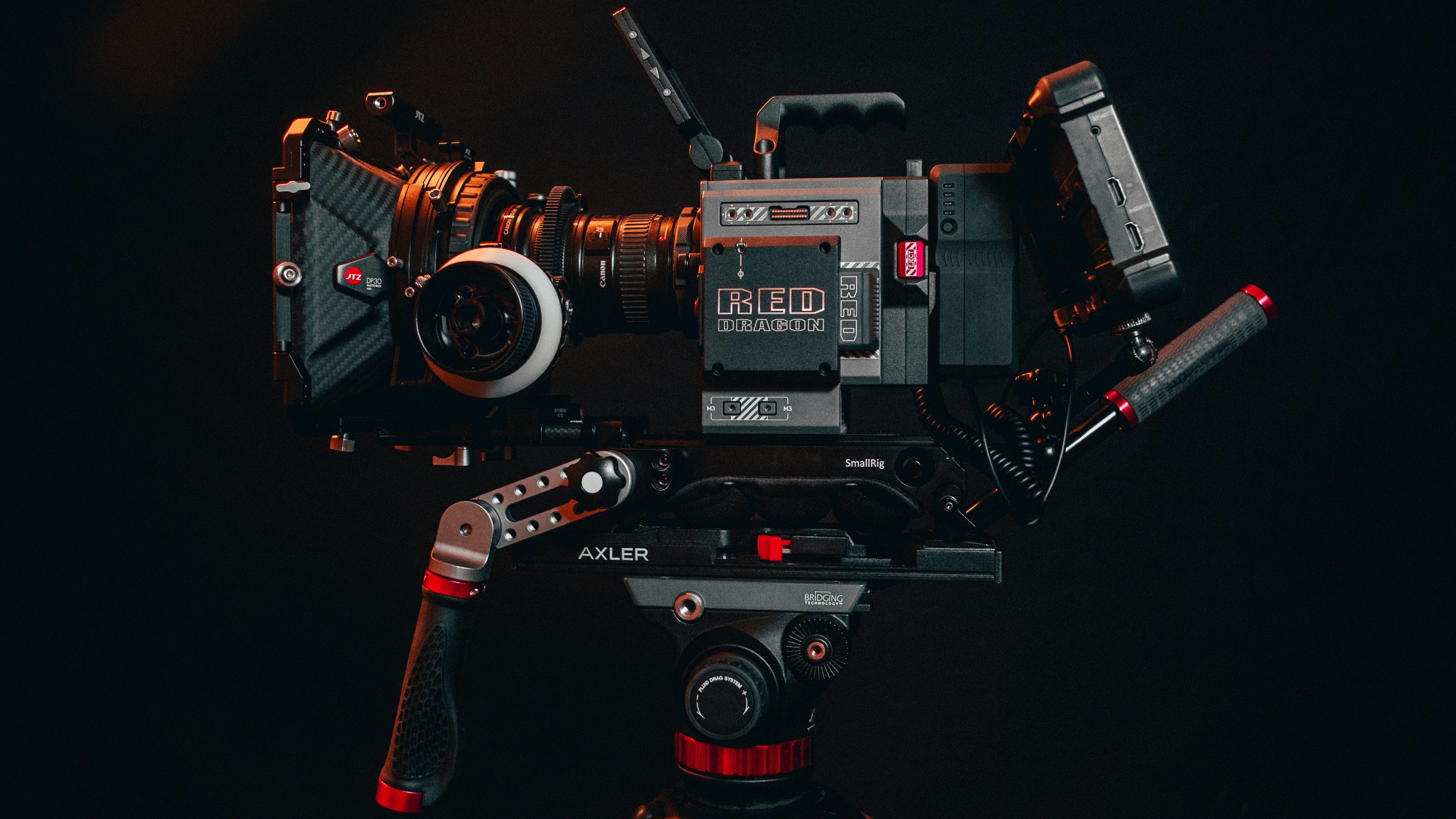
It is easy to assume that expensive cameras automatically create better videos. In reality, equipment is only one part of the production process.
A high-end camera cannot fix poor lighting, weak composition, unnecessary movement, or an unclear visual concept.
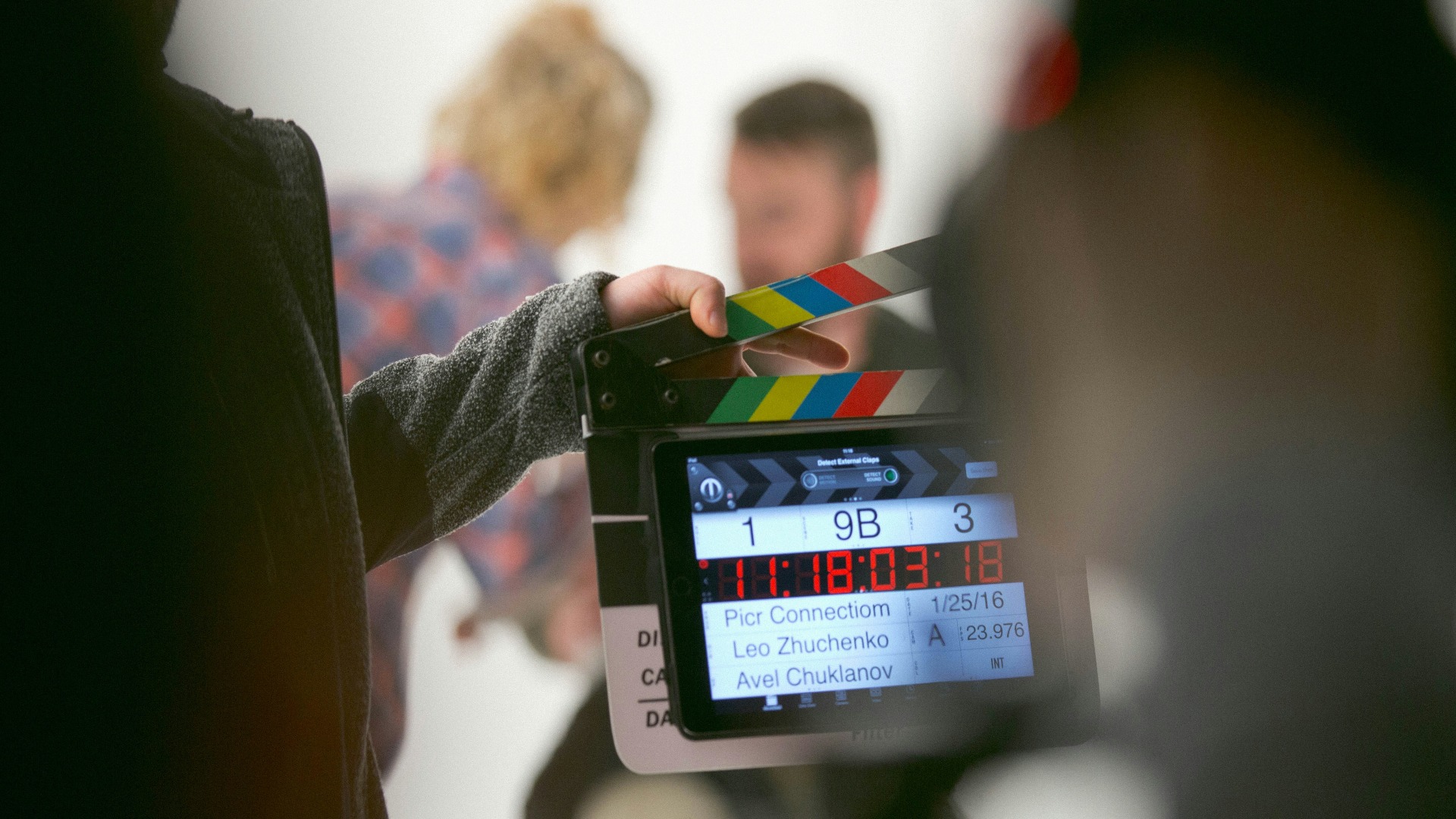
Professional video production is ultimately about making the right decisions before and during a shoot.
The most important questions are often simple:
Where should the camera be?
How should the subject be lit?
What should the audience notice first?
Why should the camera move?
What feeling should the scene create?
These decisions are what turn technical footage into purposeful visual storytelling.
As video becomes an increasingly important part of digital marketing, businesses need more than content that simply fills a social media feed.
Corporate films, property videos, architectural visualizations, promotional campaigns, and brand stories all require visuals that communicate value quickly.
Strong cinematography helps businesses present their ideas with greater clarity and impact. It can turn a building into an experience, a product into a story, and a company into a brand people remember.
Cinematography is one of the foundations of premium video production. It combines lighting, composition, camera movement, depth, and color to create visuals that feel intentional and emotionally engaging.
The goal is not simply to produce beautiful footage. It is to create visuals that serve a purpose and communicate the right message.
At WeFinite, visual storytelling can become a powerful part of how brands present their spaces, products, and ideas. With thoughtful cinematography and professional production, businesses can create video content that does more than look good—it can communicate quality, build trust, and leave a lasting impression.

Let's collaborate to turn your vision into an impactful digital success story.
Contact Expert