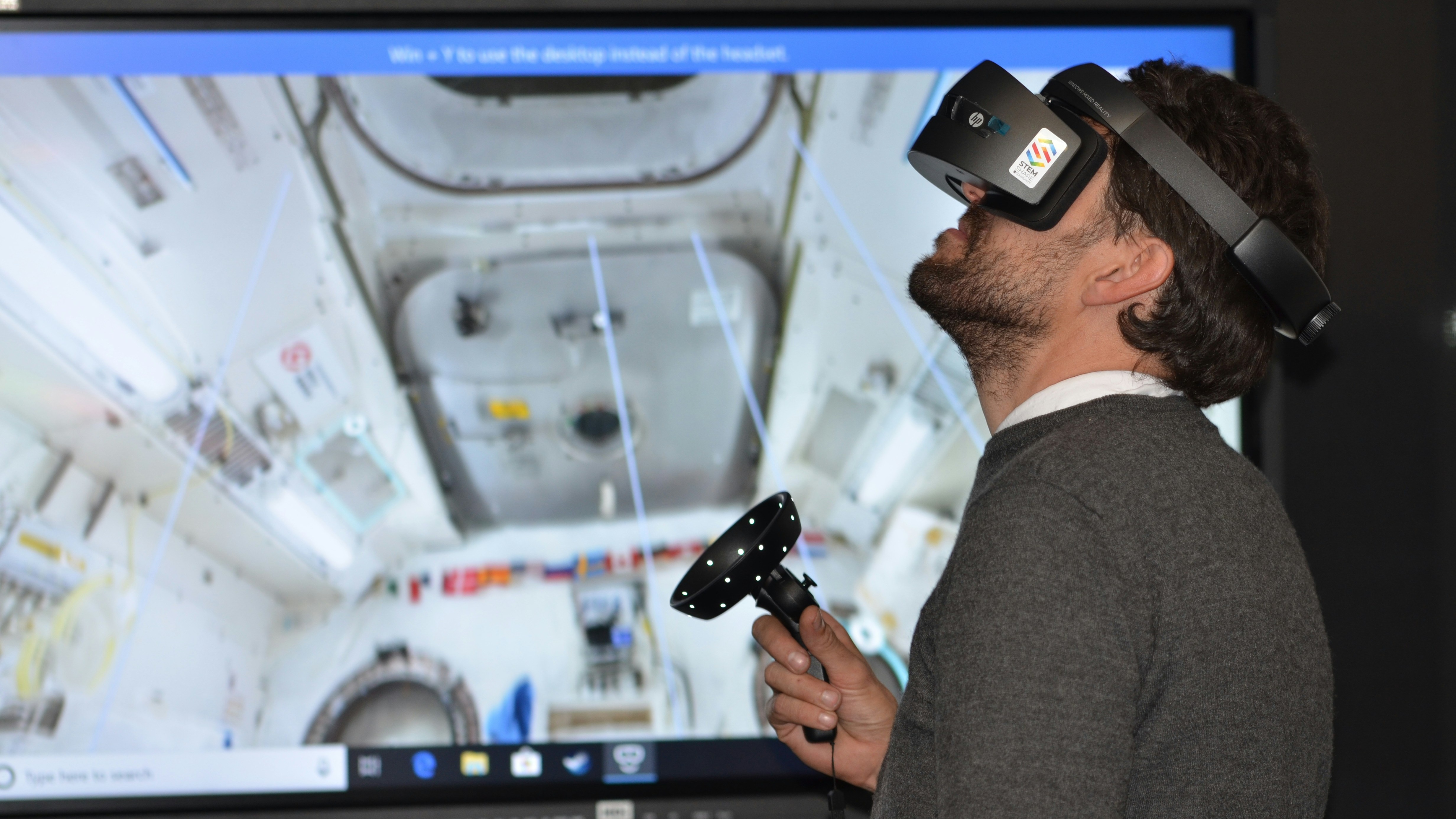
Virtual Reality has evolved from an ambitious experiment into a transformative technology that is changing how people learn, communicate, and experience the world around them. As adoption continues to grow, organizations that embrace immersive experiences today will be better positioned to engage audiences, improve decision-making, and create meaningful digital interactions in the future.
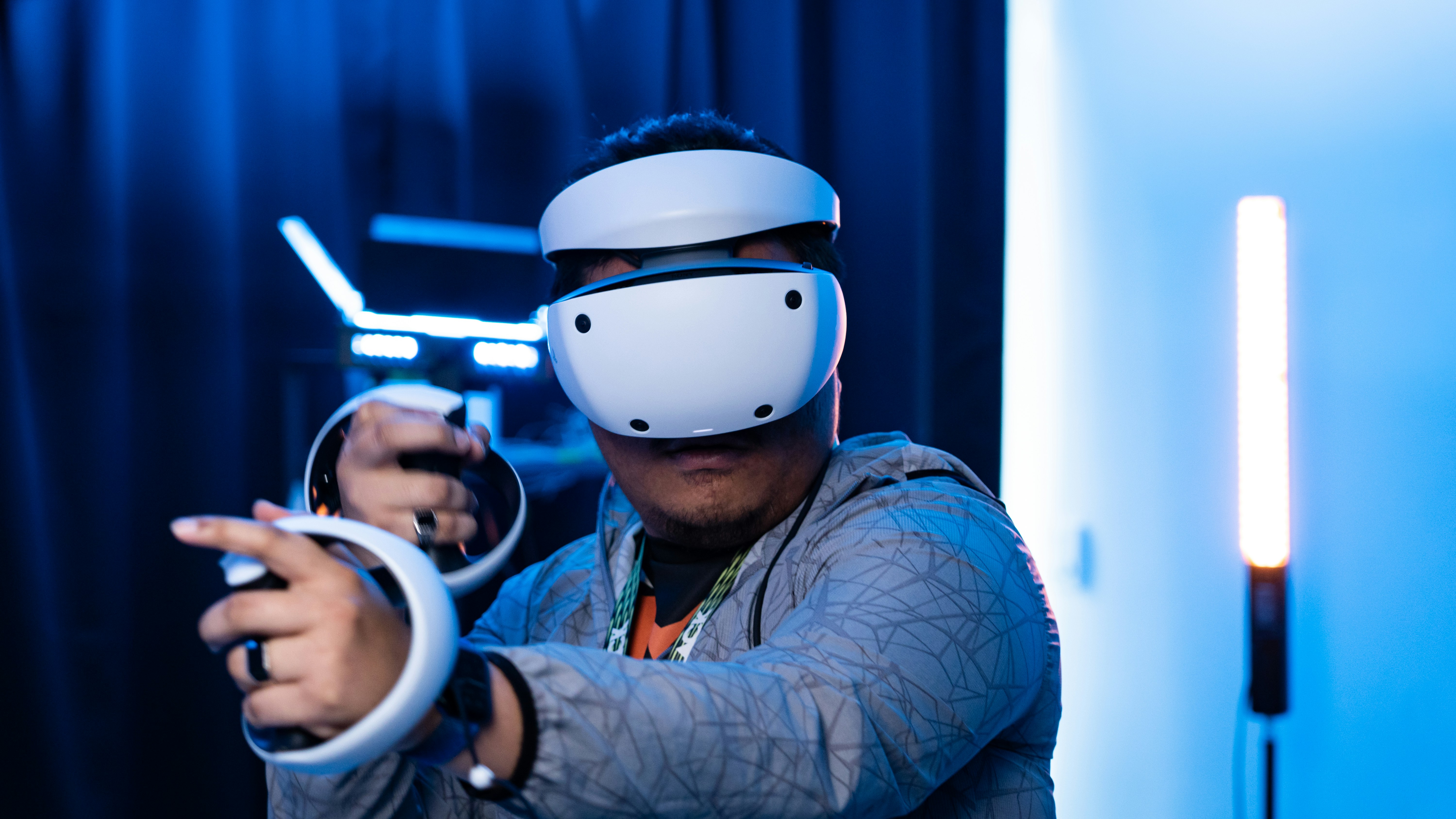
Source: Unsplash
Virtual Reality (VR) has come a long way from being a futuristic concept to becoming a practical technology used across multiple industries. What started as experimental hardware decades ago has evolved into immersive digital experiences that are reshaping entertainment, education, healthcare, architecture, and business communication.
Today, VR allows users to step inside digital environments, interact with virtual objects, and experience spaces as if they were physically present. As technology continues to advance, VR is becoming more accessible, more realistic, and more valuable for organizations looking to create engaging experiences.
The foundations of VR can be traced back to the late 1960s, when researchers began experimenting with head-mounted displays and immersive visual systems. Early devices were bulky, expensive, and limited by the technology available at the time.
Throughout the 1980s and 1990s, several companies attempted to bring VR to consumers, particularly in the gaming sector. While these early efforts generated excitement, limitations in processing power, graphics quality, and user comfort prevented widespread adoption.
Despite these challenges, the vision of immersive digital experiences continued to inspire innovation and laid the groundwork for the VR technologies we use today.
Modern VR has benefited from significant improvements in computing power, display technology, and motion tracking. Headsets are lighter, graphics are more realistic, and experiences are far more interactive than ever before.
While gaming remains one of the most popular applications of VR, the technology has expanded far beyond entertainment. Educational institutions use VR to create immersive learning environments, healthcare professionals use it for medical training, and architects use it to visualize buildings before construction begins.
Businesses are also leveraging VR to improve customer engagement, allowing users to explore products, properties, and destinations through interactive virtual experiences.
One of the industries experiencing significant benefits from VR is architecture and real estate. Traditional drawings and renderings often require clients to imagine how a space will look and feel once completed.
VR changes this process by allowing stakeholders to walk through projects before they are built. Designers can showcase room layouts, materials, lighting, and circulation in a realistic environment, helping clients make informed decisions earlier in the design process.
This immersive approach improves communication, reduces misunderstandings, and accelerates project approvals.
Beyond practical applications, VR is redefining how stories are experienced. Instead of simply watching content, users can become active participants within the narrative.
Immersive films, virtual exhibitions, and interactive experiences are creating new opportunities for audiences to engage with content in meaningful ways. This shift from passive viewing to active exploration is opening exciting possibilities for creators and businesses alike.
As immersive entertainment continues to grow, VR is expected to become an increasingly important medium for storytelling and audience engagement.
Organizations are adopting VR because it offers unique advantages that traditional media cannot replicate.
Some of the key benefits include:
Enhanced customer engagement through interactive experiences.
Improved understanding of products, spaces, and services.
More effective training and educational programs.
Stronger emotional connections with audiences.
Increased differentiation in competitive markets.
For businesses seeking innovative ways to communicate complex information, VR provides a powerful platform that combines visualization, interaction, and immersion.
The future of Virtual Reality is closely connected to advances in Artificial Intelligence (AI), Augmented Reality (AR), and real-time rendering technologies. As hardware becomes more affordable and content creation tools become more accessible, immersive experiences will become increasingly common across industries.
From virtual property tours and architectural visualization to education and digital collaboration, VR is moving beyond novelty and becoming an essential part of how businesses connect with their audiences.

Let's collaborate to turn your vision into an impactful digital success story.
Contact Expert