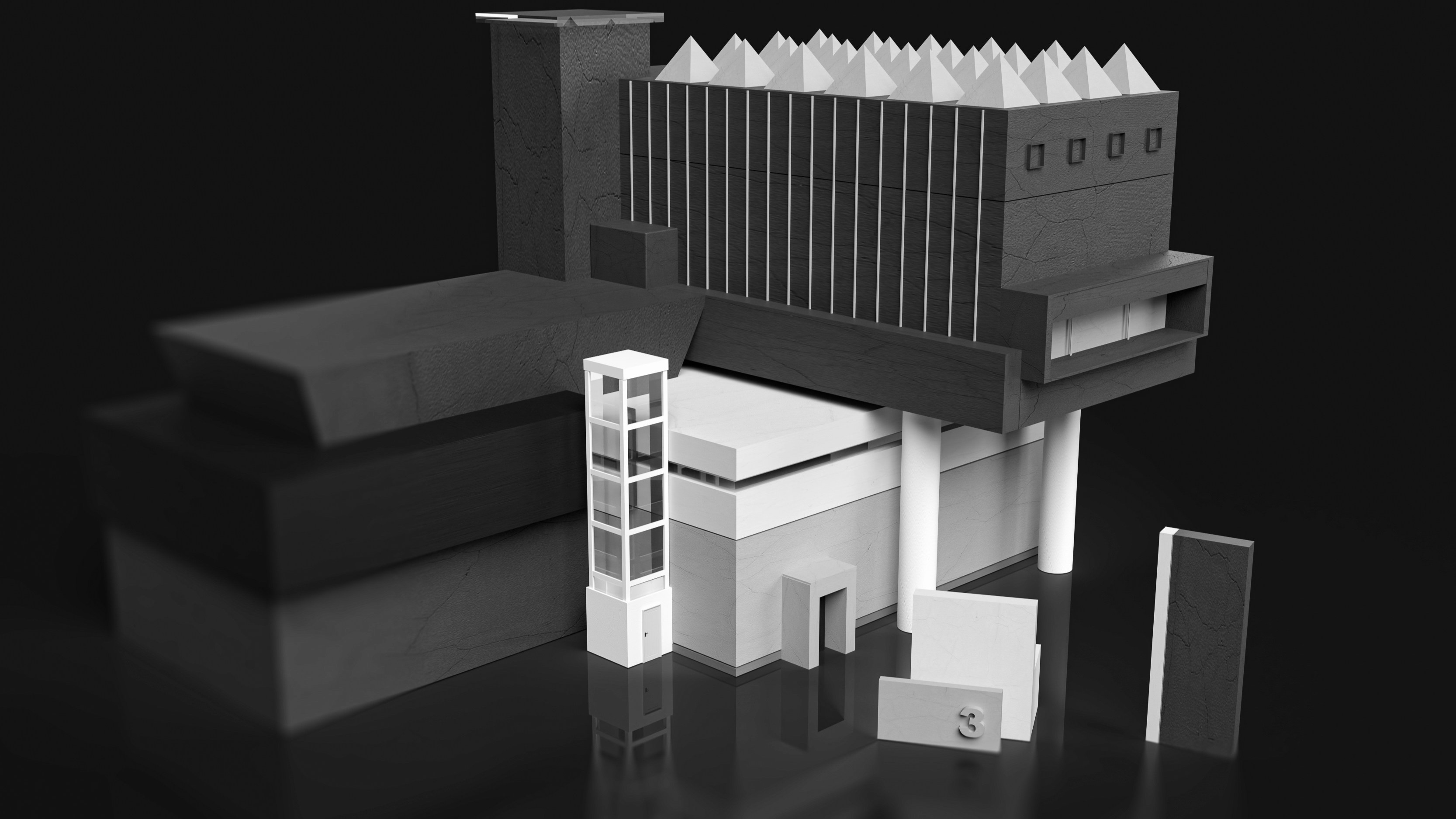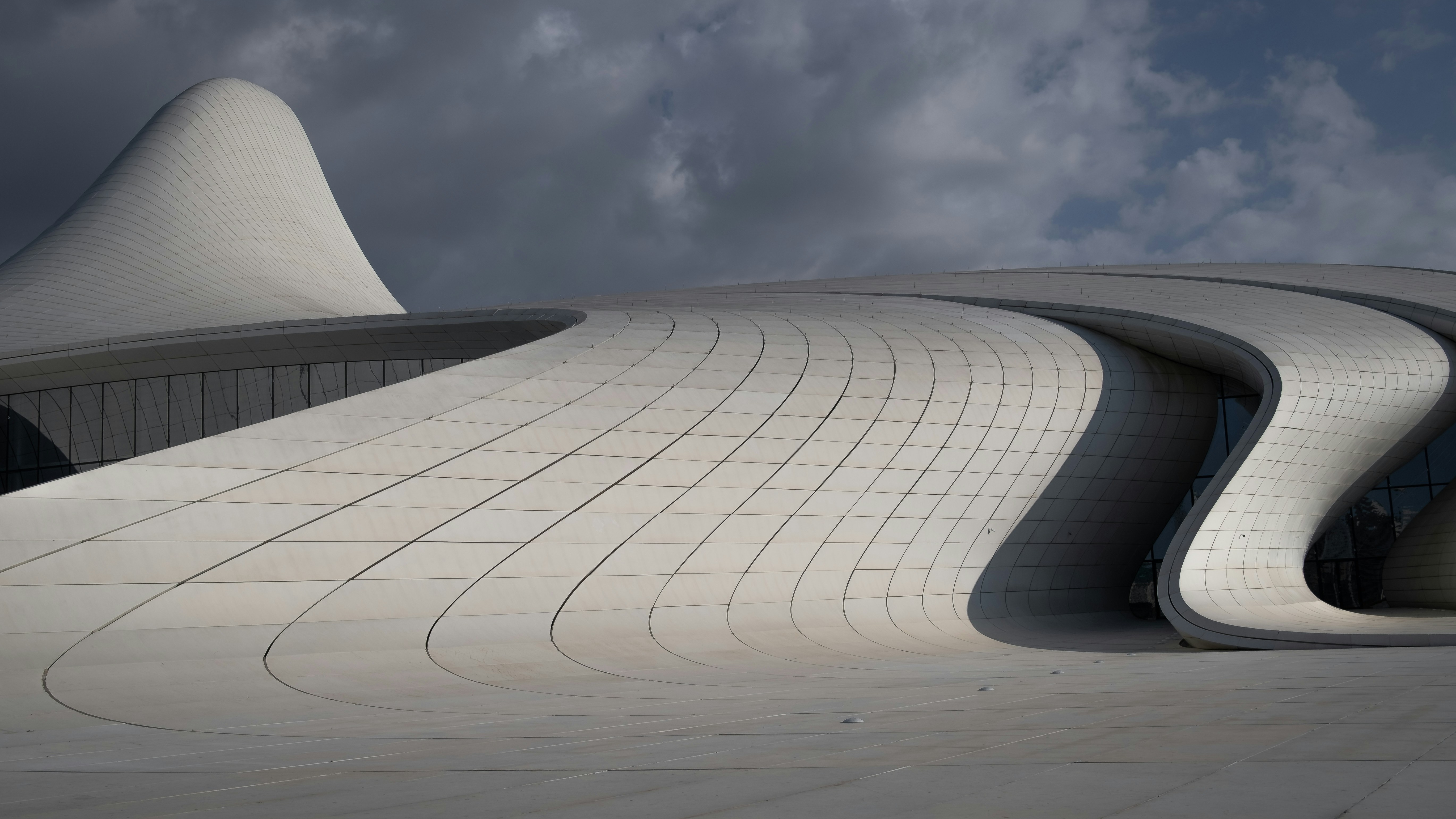
Emerging technologies such as VR, AR, real-time rendering, and AI are reshaping architectural visualization. These innovations are helping architects create more immersive experiences, improve sustainability, and accelerate project development.
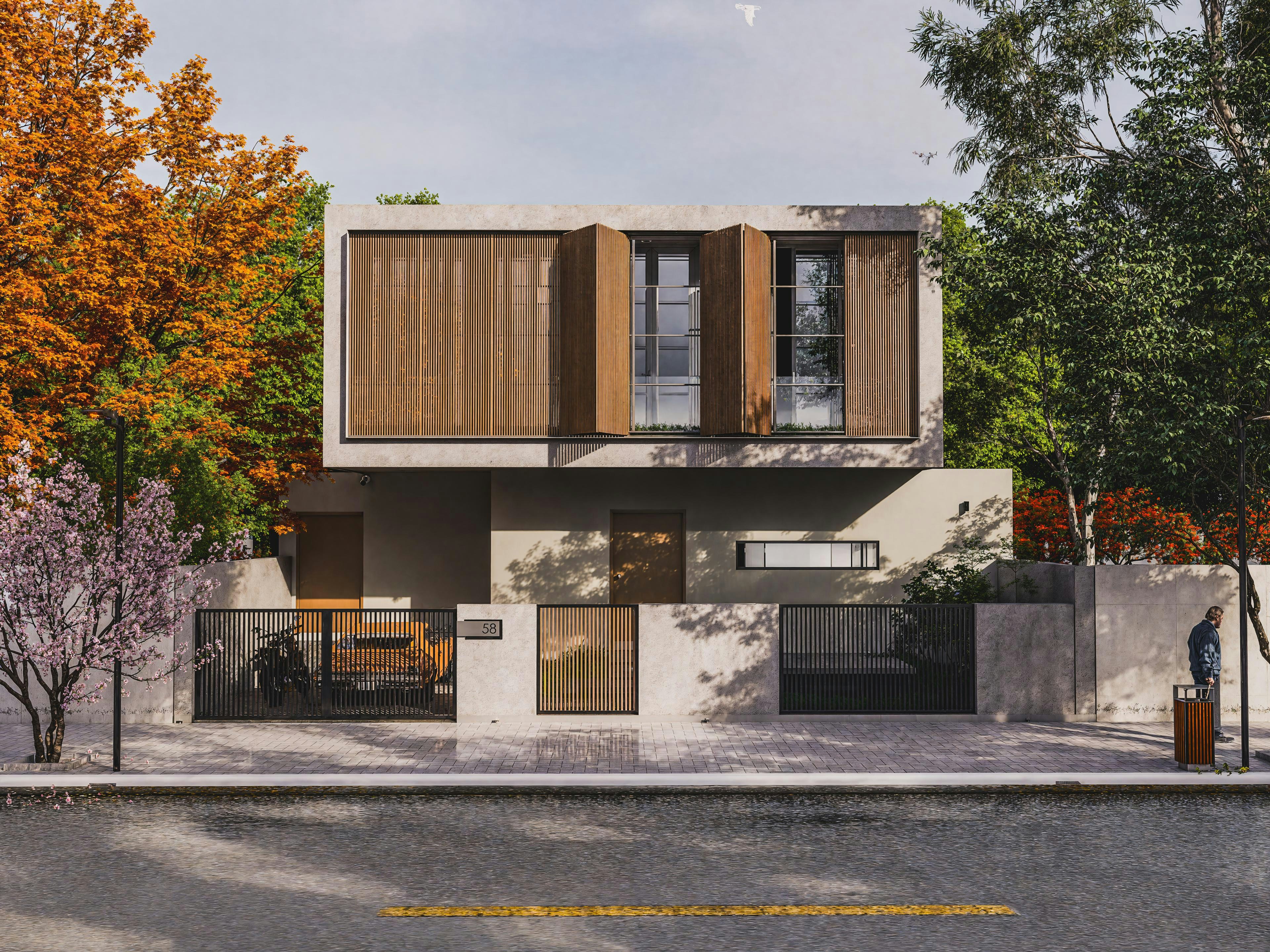
Source: Unsplash
Architectural visualization continues to evolve rapidly. What was once limited to static renderings has expanded into immersive digital experiences that allow users to explore projects before they exist.
As technology advances, visualization is becoming more integrated into every stage of the architectural workflow.
Virtual Reality (VR) and Augmented Reality (AR) are transforming how designs are reviewed and experienced.
With VR, users can walk through a virtual building at full scale, gaining a realistic understanding of spatial relationships and user experience.
AR allows digital models to be overlaid onto real-world environments, helping stakeholders visualize future developments within existing spaces.
These technologies provide deeper engagement and improve design understanding.
Traditional rendering workflows can take hours or even days to produce final images.
Real-time rendering technologies dramatically reduce this timeline.
Architects can now adjust lighting, materials, and layouts while instantly seeing the results. This speeds up decision-making and enables more design exploration during the early stages of development.
Visualization is also becoming an important tool for sustainability.
Through simulations and environmental analysis, architects can evaluate:
Daylight performance
Energy efficiency
Solar exposure
Ventilation strategies
Building performance
These insights help teams optimize designs before construction begins and support more environmentally responsible development.
Artificial intelligence is beginning to reshape architectural workflows.
AI-powered tools can generate design concepts, automate repetitive tasks, and help architects explore more design alternatives in less time.
Rather than replacing designers, AI is helping them focus on creativity, problem-solving, and strategic decision-making.
The future of architectural visualization is increasingly immersive, intelligent, and interactive. As technologies continue to evolve, architects will have new opportunities to communicate ideas, improve collaboration, and create better experiences for clients and stakeholders.
Visualization is no longer simply about showing a design—it is becoming an integral part of how architecture is conceived, developed, and delivered.

Let's collaborate to turn your vision into an impactful digital success story.
Contact Expert