Discover how the technology behind Virtual Show Unit 360 is transforming real estate marketing. Learn how 360° visualization, interactive features, and immersive digital experiences help potential buyers explore properties remotely and make more informed decisions.
Source: Unsplash/Beatriz Reynolds
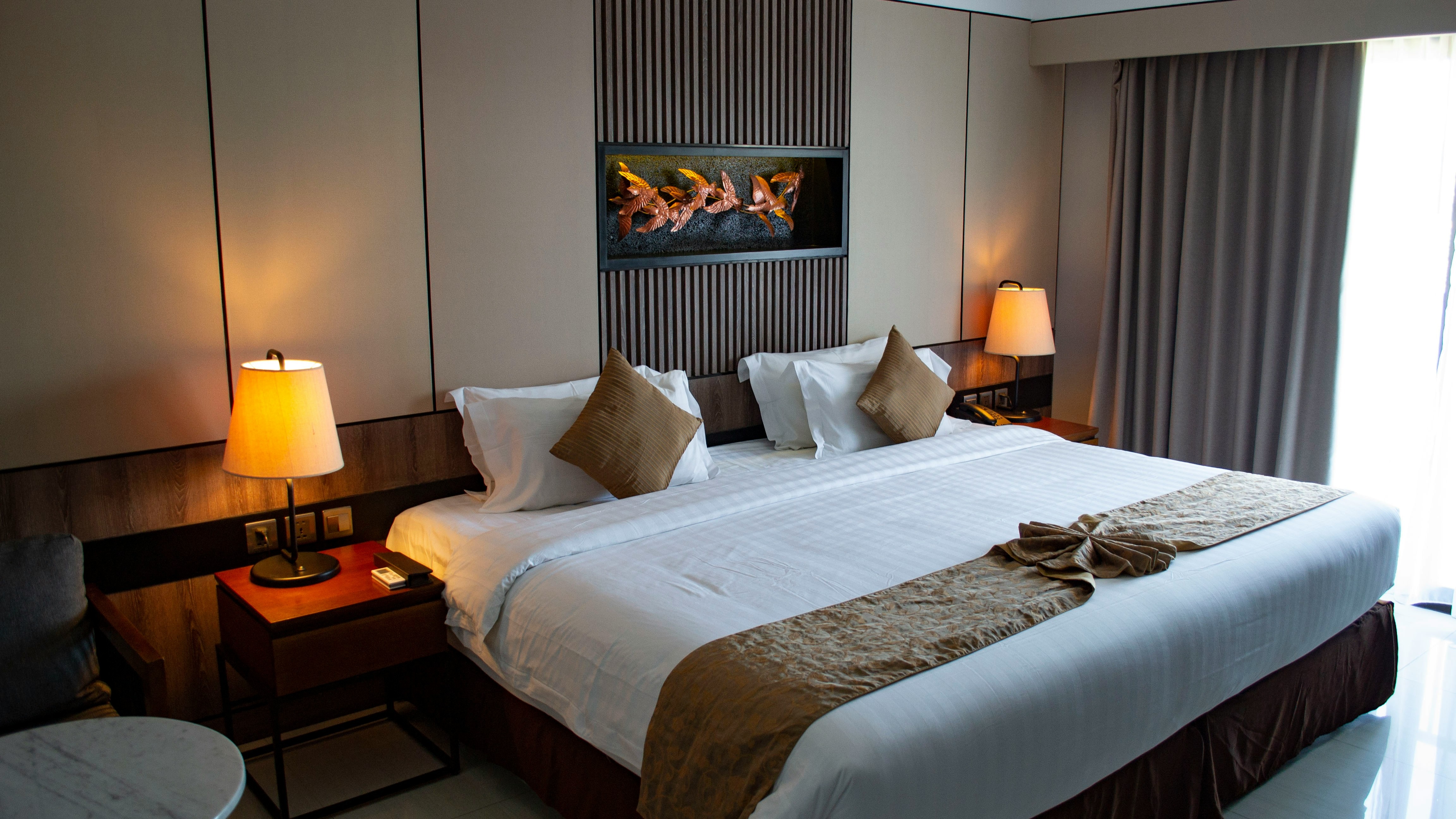
The digital transformation of the real estate industry has changed the way properties are presented and marketed. Instead of relying solely on physical show units, developers can now use immersive digital experiences such as Virtual Show Unit 360 to showcase properties to potential buyers.
This technology allows users to explore a house, apartment, or property from different angles without physically visiting the location. Through a smartphone, tablet, or computer, users can move around a virtual space, view different areas, and gain a better understanding of the property's layout.
But how does a Virtual Show Unit 360 actually work? And what makes it valuable for modern real estate marketing?
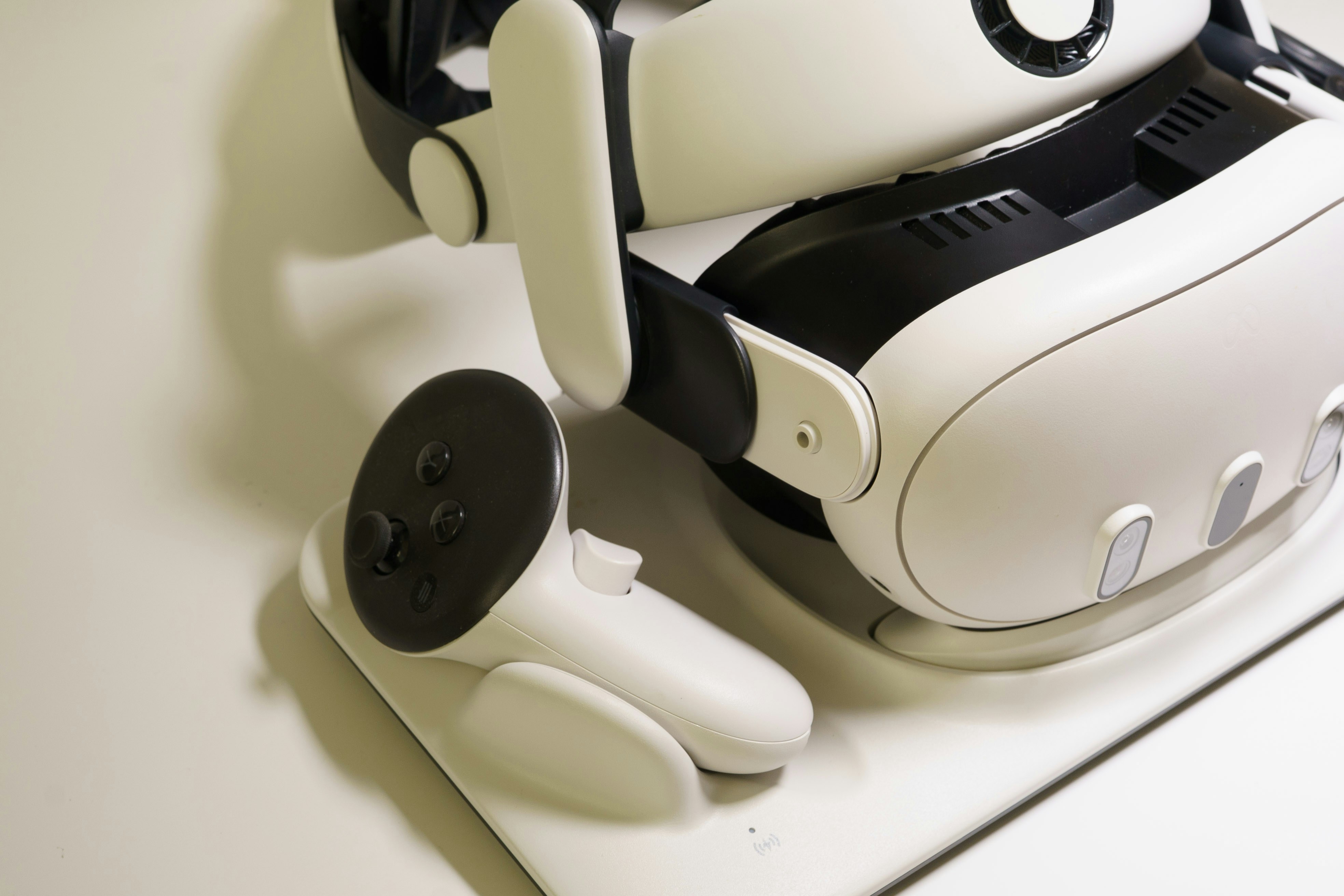
Source: Unsplash/Harrison Plouzek
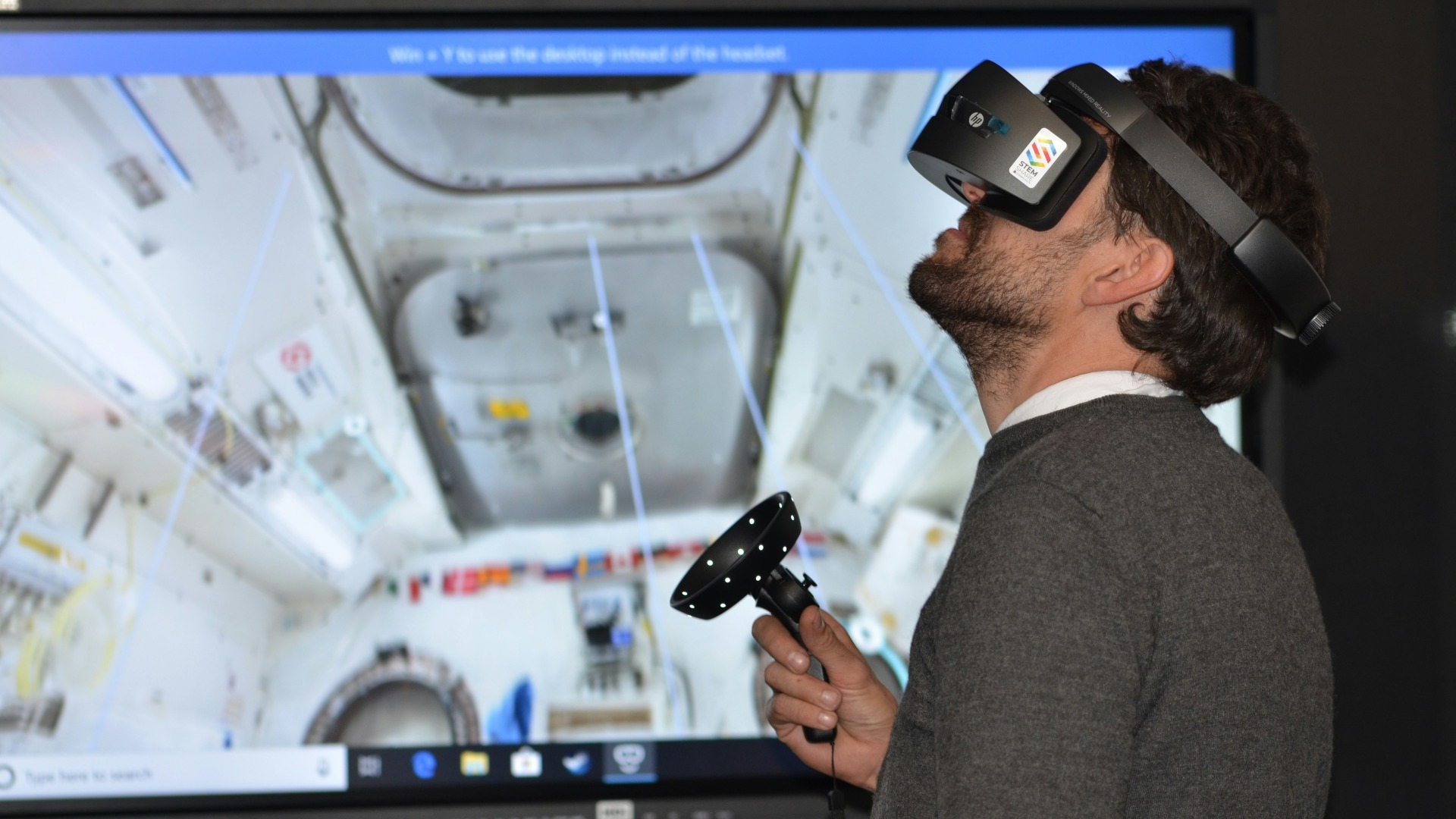
A Virtual Show Unit 360 is an interactive digital experience that allows users to explore a property from a 360-degree perspective.
Unlike conventional property photography, which captures a single predetermined angle, a 360 virtual tour allows users to control their own viewpoint. They can look left, right, up, or down and explore the environment at their own pace.
For real estate developers, this technology can transform a traditional show unit into a virtual showroom that is accessible anytime and from almost anywhere.
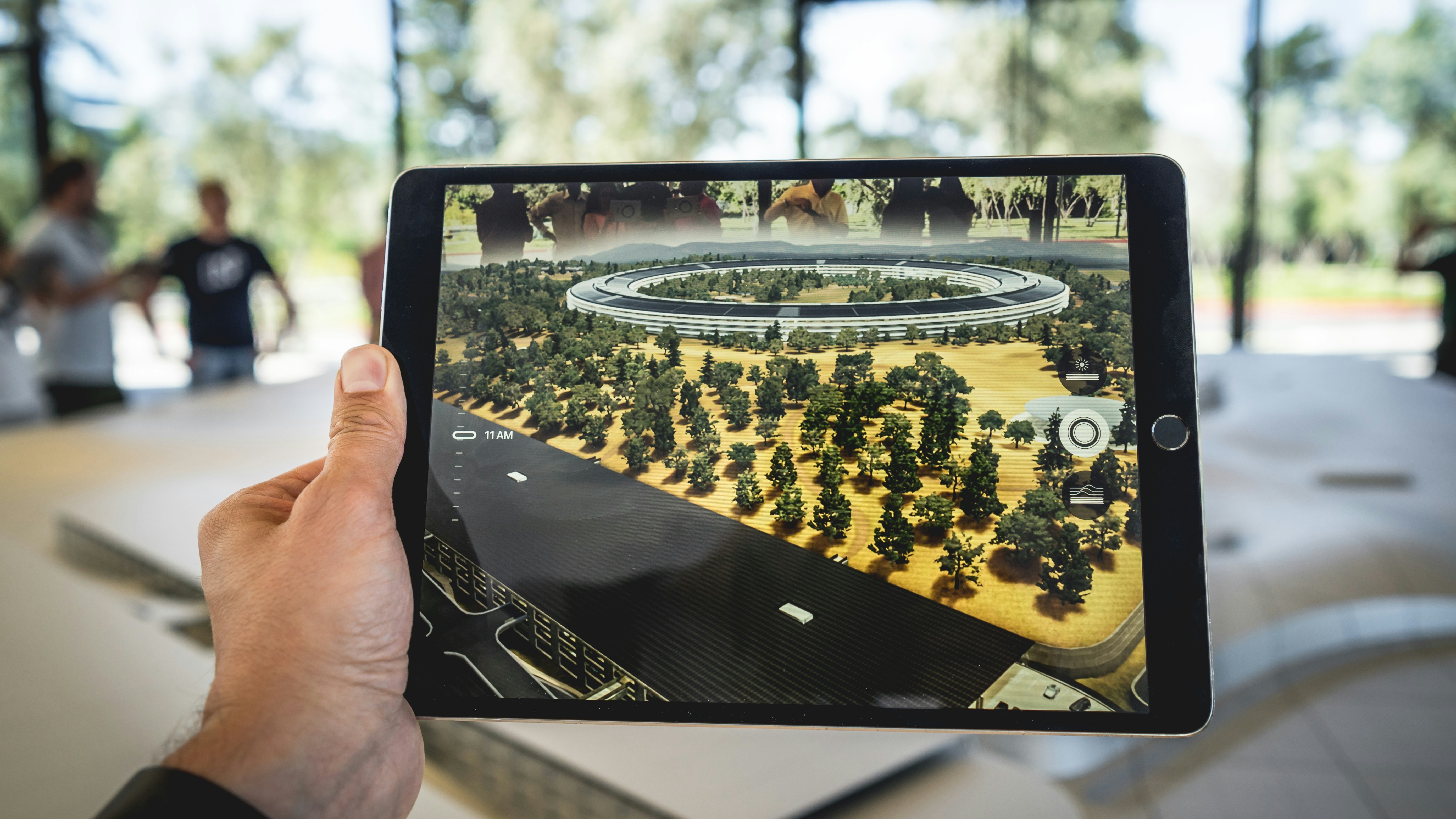
A Virtual Show Unit 360 can be created using 360-degree photography or 3D architectural visualization. The latter is particularly useful for properties that are still under development, as developers can showcase the proposed interior and exterior before construction is completed.
Although the final experience may look simple to users, creating an interactive 360 virtual tour involves several stages of visual production and technology.
The first step is creating a panoramic visual that captures the surrounding environment from a specific viewpoint.
For photography-based virtual tours, specialized 360-degree cameras can capture the environment using multiple lenses. The resulting images are processed into a panoramic format, commonly known as equirectangular imagery.
For architectural projects, 360-degree visuals can also be created through 3D rendering. This approach allows designers and developers to digitally build the environment, including architectural elements, furniture, materials, lighting, and other details.
This makes 3D-based Virtual Show Units especially useful for properties that do not yet physically exist.
When a 360-degree camera is used, images captured by different lenses need to be combined through a process called stitching.
Specialized software aligns the images and blends their edges to create one continuous panoramic environment. Proper stitching is important because visible seams or distortions can reduce the quality of the virtual experience.
High-quality stitching helps create a seamless environment that feels more natural when users move around the virtual space.
A panoramic image alone does not constitute a complete virtual tour.
The visual is integrated into a virtual tour platform or interactive system where additional features can be added.
Depending on the project, these may include:
Navigation hotspots for moving between rooms
Interactive floor plans
Room and facility information
Product or unit specifications
Photos and videos
Branding elements
Call-to-action buttons
Interactive menus
These features turn a static panorama into a complete interactive property experience.
One of the key advantages of 360 technology is the sense of user control.
With conventional property photography, the photographer determines what the viewer sees. Users can only look at the selected images and angles.
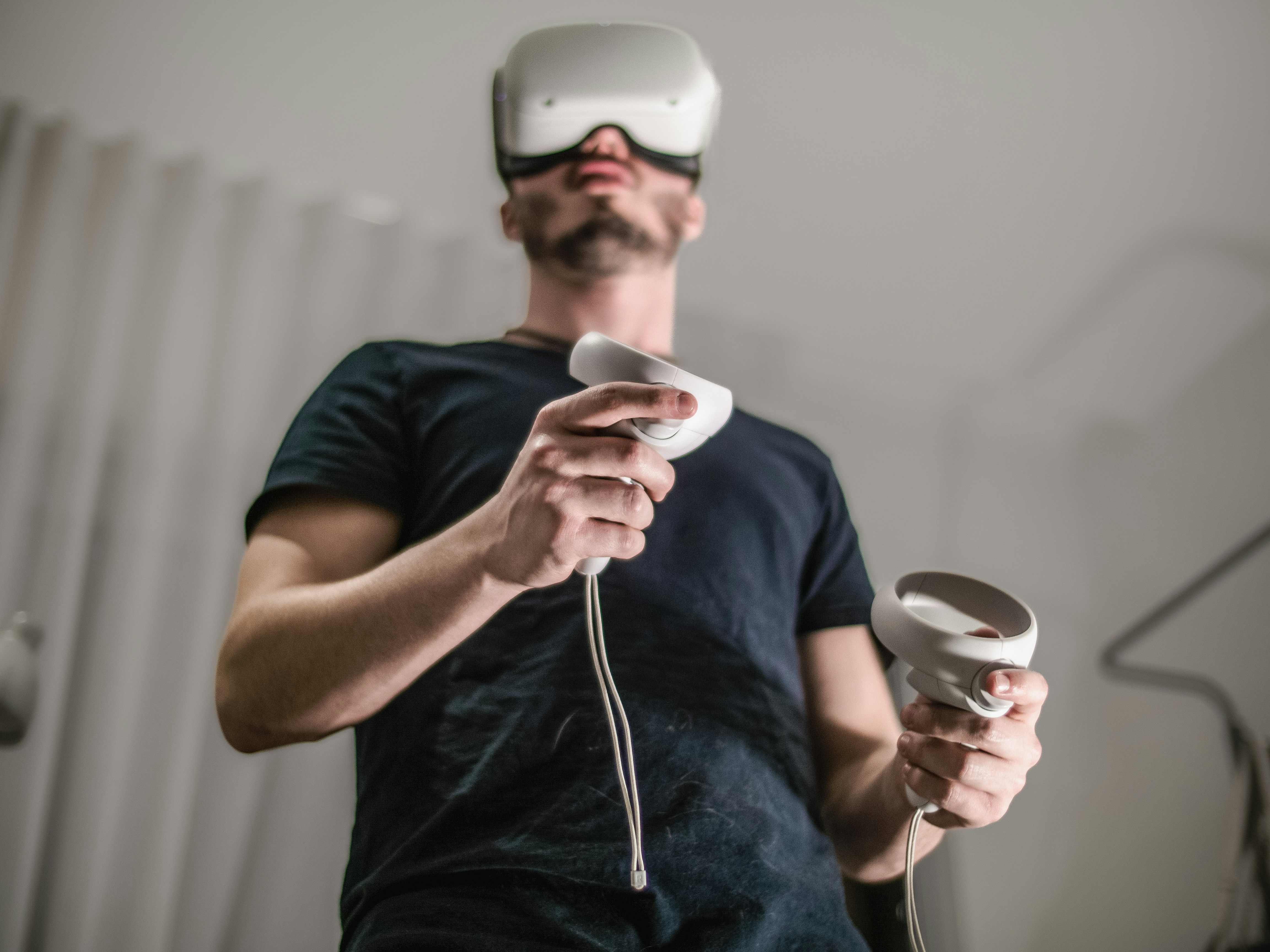
With a 360 virtual tour, users control their own perspective. They can decide which part of the room to explore and where to focus their attention.
This interaction creates an experience that feels closer to physically exploring a space. Instead of simply viewing an image, users actively navigate the environment.
The effect becomes even stronger when a Virtual Show Unit 360 combines high-quality 3D rendering, realistic materials, lighting, spatial depth, and intuitive navigation.
Physical show units are limited by location and operating hours. A virtual show unit, on the other hand, can be accessed digitally from different locations.
This makes it possible for potential buyers from outside the city or region to explore a property before deciding whether an in-person visit is necessary.
Traditional property photography often requires multiple images to explain a single room.
A 360 virtual tour allows users to explore the surrounding environment from a single viewpoint. This can help them better understand the relationship between spaces, layouts, and interior elements.
Virtual Show Unit 360 can be integrated into property websites, landing pages, digital campaigns, and other online marketing channels.
Instead of relying only on photographs and promotional videos, developers can offer potential buyers an interactive experience that encourages deeper exploration.
Not every potential buyer is immediately ready to visit a property.
A virtual property tour can serve as an early-stage screening tool, allowing users to understand the property before deciding whether to schedule a physical visit.
This can make the sales process more focused because potential buyers already have an initial understanding of the property.
One of the most valuable applications of a 3D Virtual Show Unit is for developments that are still in the planning or construction stage.
Using architectural visualization, developers can create digital representations of interiors and exteriors and transform them into an interactive 360-degree experience.
Potential buyers can explore the proposed layout, furniture, materials, lighting, and overall atmosphere before the physical property is completed.
Both formats have different purposes.
Property photography is effective for creating quick visual impressions and attracting attention, particularly on social media, property listings, and digital advertisements.
A Virtual Show Unit 360 provides a deeper and more interactive experience by allowing users to explore the space themselves.
Rather than replacing traditional photography, virtual tours can complement it.
A strong real estate marketing strategy can combine professional photography, video, 3D rendering, and 360 virtual tours to provide different levels of visual information throughout the buyer journey.
As consumers become increasingly comfortable researching properties online, digital experiences are becoming an important part of the real estate buying journey.
Potential buyers can now discover developments, compare properties, explore layouts, and conduct preliminary research without immediately visiting a physical location.
In this environment, Virtual Show Unit 360 can help bridge the gap between digital exploration and physical property visits.
It is not simply a replacement for a traditional show unit. Instead, it can function as a visualization and marketing tool that introduces properties in a more interactive and accessible way.
Combined with 3D architectural visualization, interactive virtual tours, and digital experiences, this technology gives developers new opportunities to present their properties to a digitally connected audience.
A Virtual Show Unit 360 combines 360-degree visuals, photography or 3D rendering, interactive technology, and digital navigation to create an immersive way to explore a property.
From creating panoramic visuals and stitching images to adding hotspots, floor plans, and interactive information, each stage contributes to the overall quality of the virtual experience.
For real estate developers, this technology can support modern property marketing by expanding access, improving visual communication, and giving potential buyers a more engaging way to understand a property.
As architectural visualization and digital property technology continue to evolve, Virtual Show Unit 360 is becoming an increasingly valuable tool for presenting, marketing, and experiencing properties in the digital era.

Let's collaborate to turn your vision into an impactful digital success story.
Contact Expert