Architectural visualization is no longer just a presentation tool. From improving communication to reducing project risks, visualization helps architects, clients, and stakeholders make more informed decisions before construction begins.

Source: Unsplash
Architecture is about transforming ideas into spaces that people can experience. However, communicating those ideas clearly has always been a challenge, especially when relying solely on technical drawings and floor plans.
While architects are trained to interpret blueprints and elevations, clients, investors, and stakeholders often struggle to visualize how a completed project will look and function. This communication gap can lead to misunderstandings, delays, and costly revisions later in the project lifecycle.
Architectural visualization helps bridge that gap.
By turning concepts into realistic visual representations, architects can communicate design intent more effectively and ensure everyone involved shares the same understanding of the project.
Traditional architectural documentation provides technical accuracy but often lacks accessibility for non-designers.
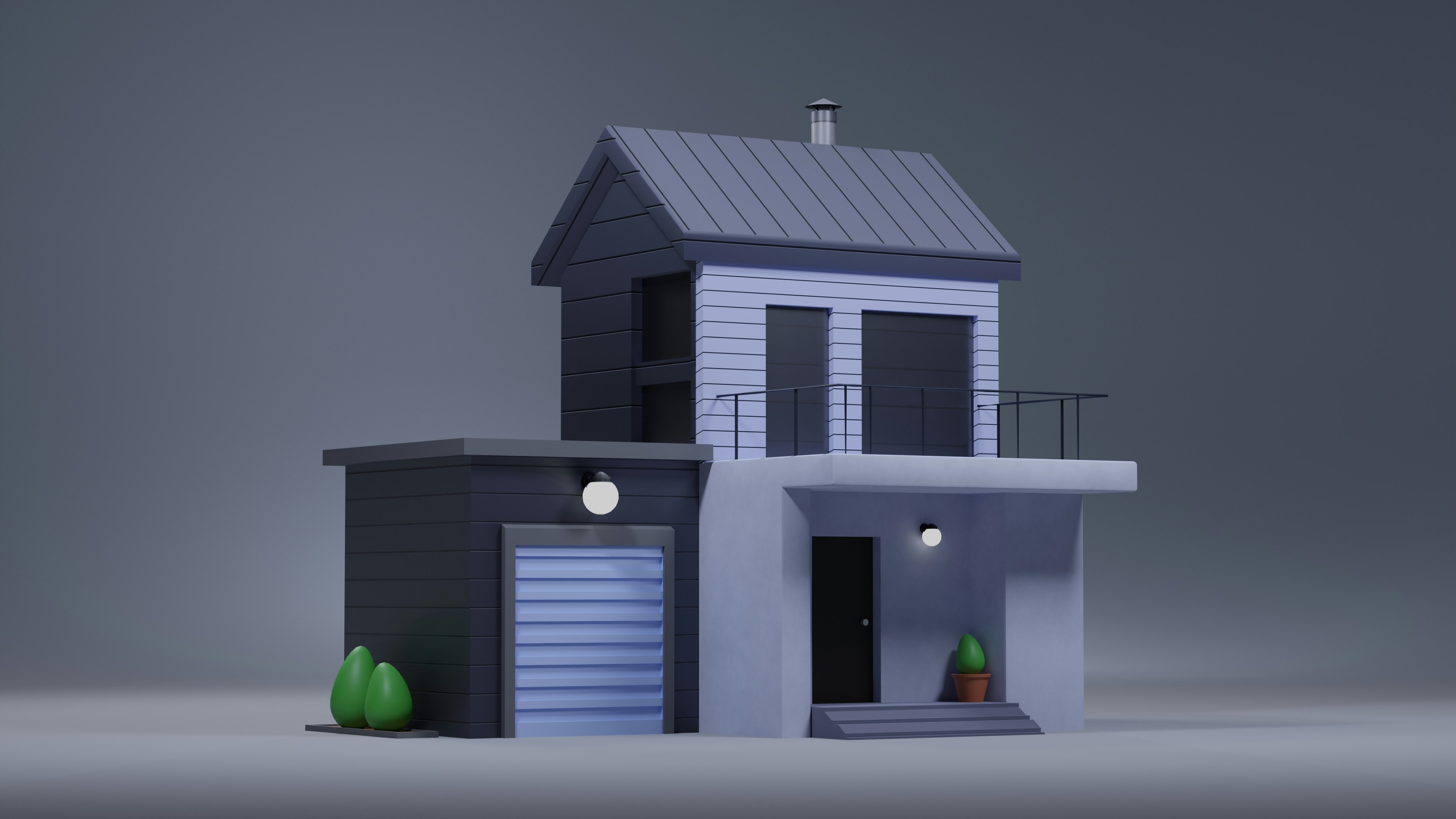
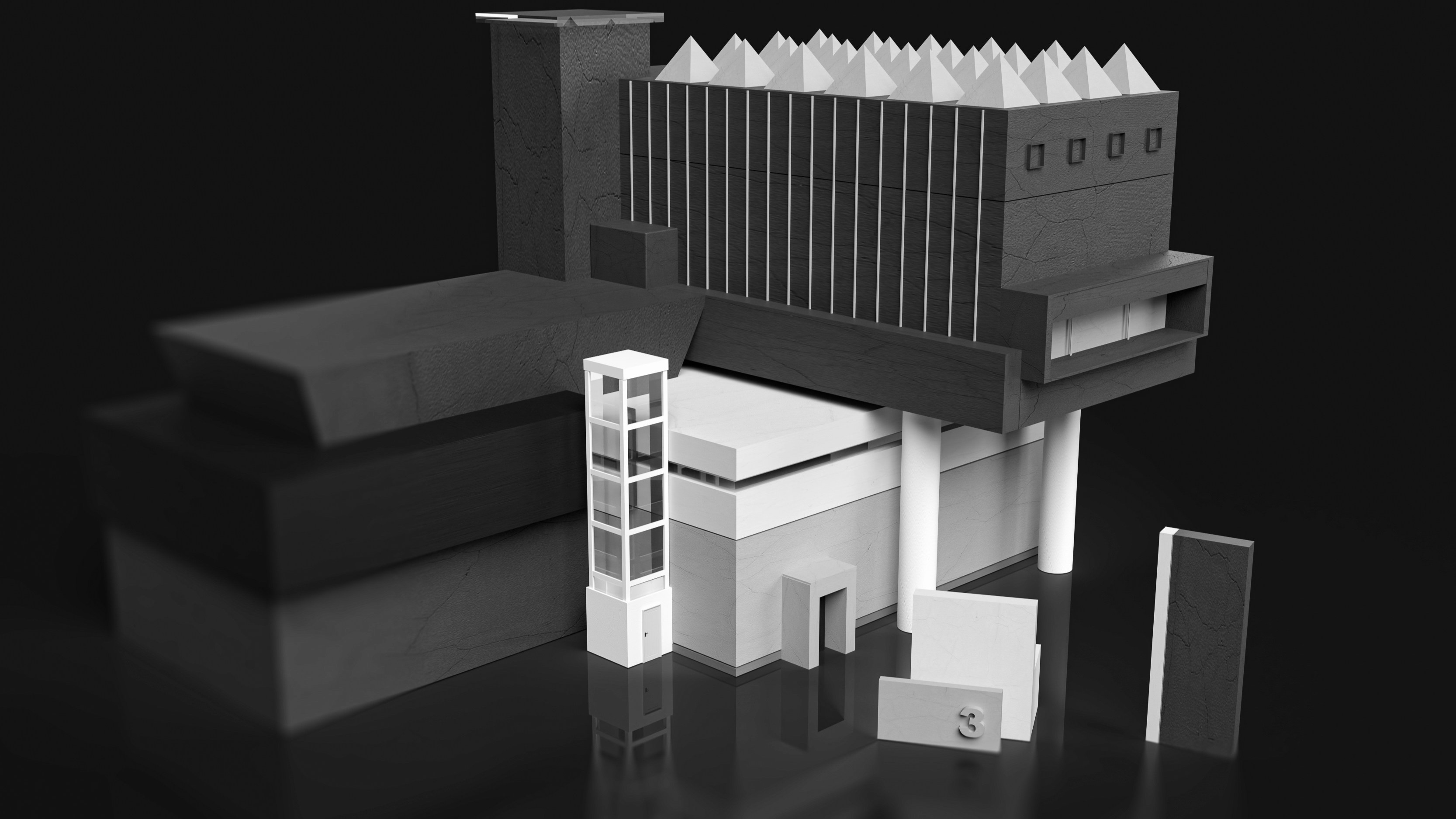
Visualization transforms plans into realistic images and experiences that are easier to understand. Through photorealistic renderings and interactive presentations, stakeholders can see how spaces will look, feel, and function before construction begins.
This clarity helps eliminate uncertainty and improves confidence in the design process.
Most architectural projects involve multiple decision-makers, including developers, investors, consultants, contractors, and future users.
Visualization creates a common visual language that everyone can understand.
Rather than interpreting technical documents differently, stakeholders can review the same visual representation of a project, resulting in more productive discussions and faster approvals.
One of the biggest advantages of visualization is identifying issues before construction begins.
Design teams can evaluate layouts, circulation paths, material selections, and spatial relationships early in the process. Potential problems can be addressed digitally rather than after construction has started, saving both time and money.
As projects become more complex and client expectations continue to rise, visualization has become a critical part of modern architecture. It improves communication, strengthens collaboration, and helps teams make better decisions throughout the design process.

Let's collaborate to turn your vision into an impactful digital success story.
Contact Expert