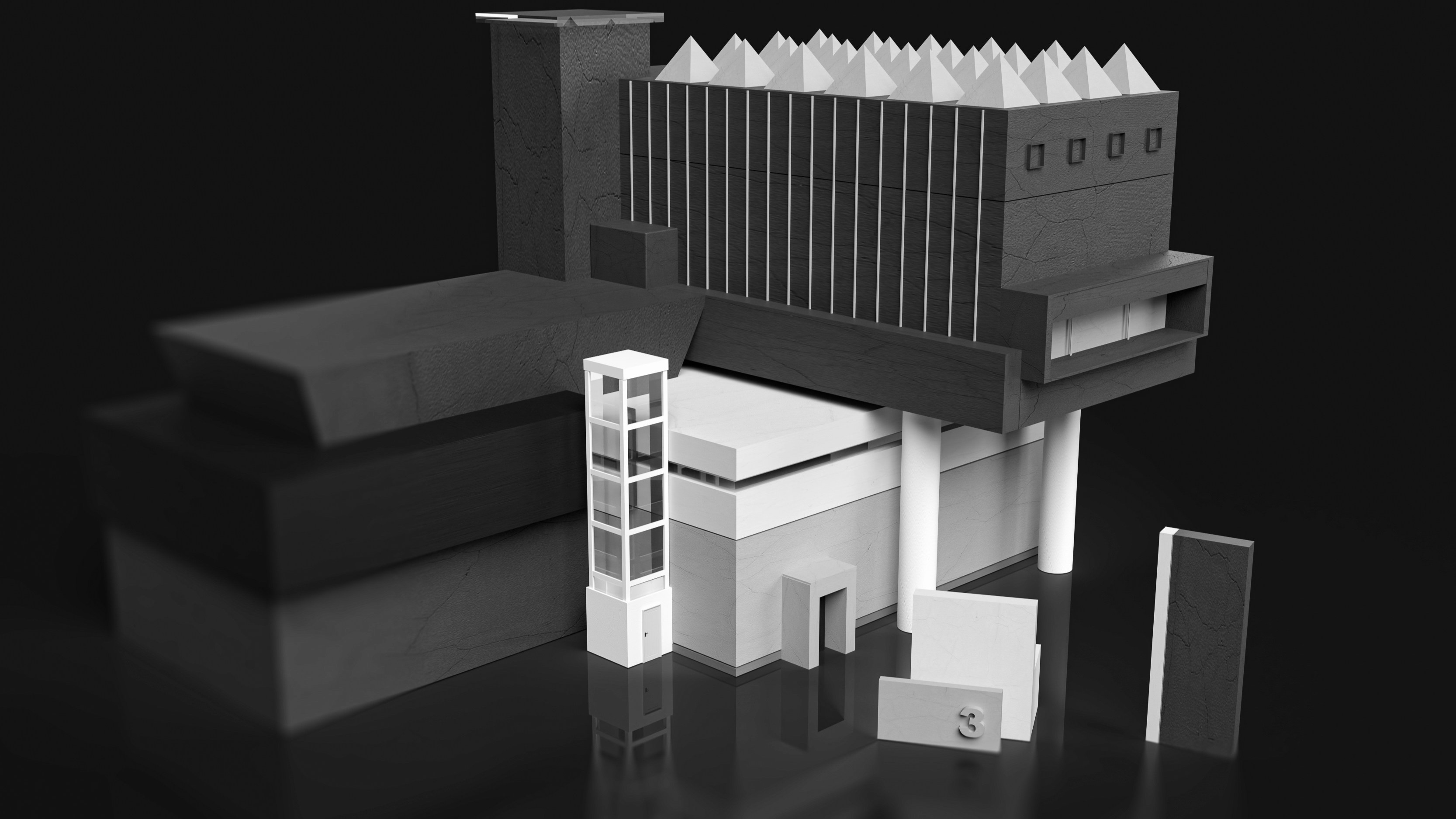
Modern visualization tools allow architects to test ideas, explore alternatives, and communicate designs more effectively. From 3D rendering to virtual tours, these technologies support smarter planning and better project outcomes.

Source: Unsplash
Architectural planning requires countless decisions long before construction begins. Designers must evaluate layouts, materials, lighting, and user experience while balancing functionality, aesthetics, and budget constraints.
Visualization technologies have transformed this process by allowing teams to explore and refine ideas digitally.
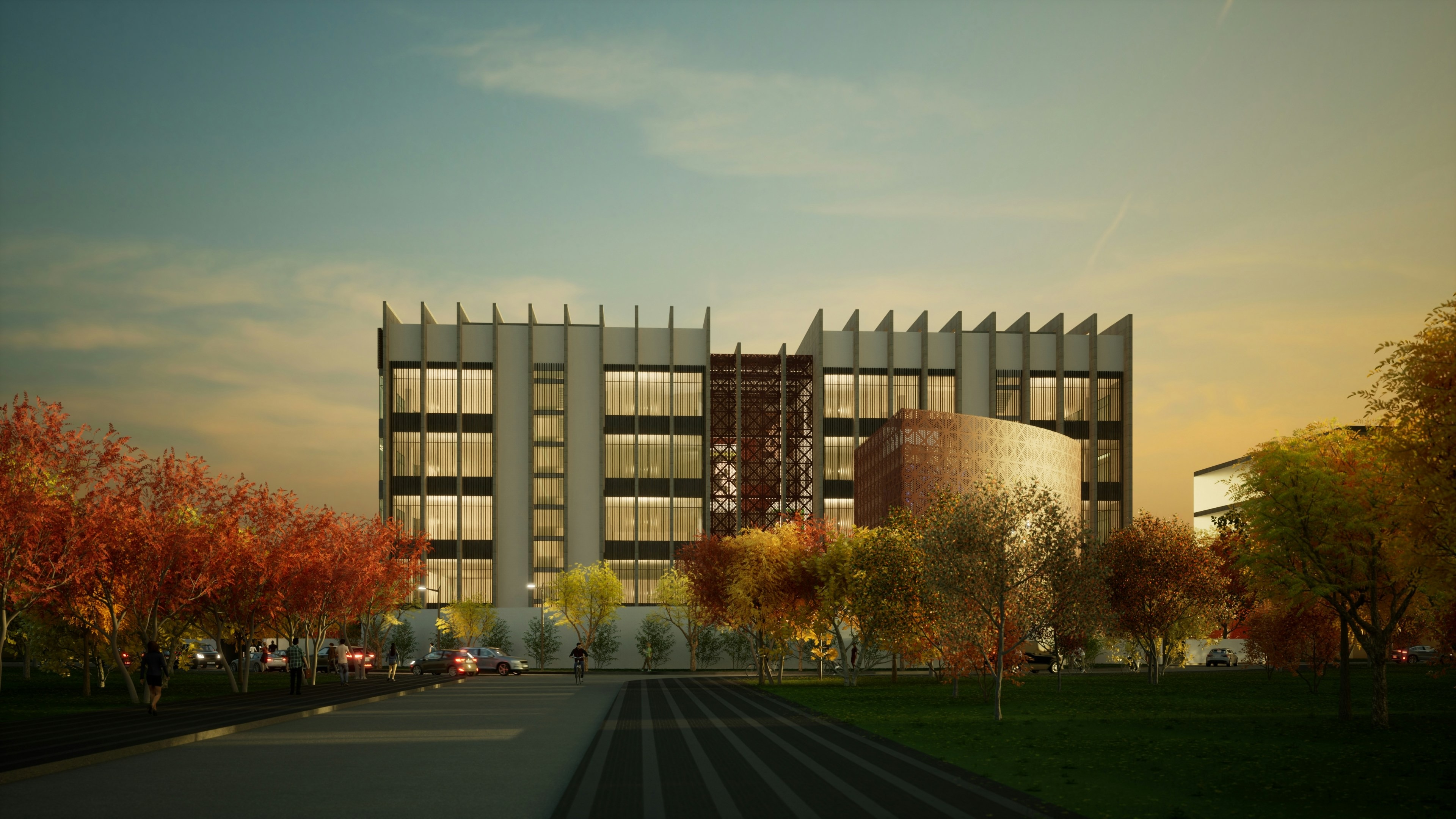
Photorealistic rendering enables architects to create highly detailed representations of a project before it is built.
These renderings showcase:
Materials and finishes
Interior and exterior lighting
Furniture and spatial layouts
Environmental context
Design atmosphere
This helps stakeholders gain a realistic understanding of the final result and allows architects to test design alternatives efficiently.
Unlike static images, virtual tours allow users to explore a space independently.
Visitors can move between rooms, examine details, and experience the layout from multiple viewpoints. This creates a stronger sense of scale and spatial understanding compared to traditional renderings.
For clients and investors, virtual tours make it easier to evaluate projects and provide informed feedback.
Visualization helps architects identify opportunities and challenges early.
Design teams can:
Compare multiple design options
Assess circulation patterns
Evaluate user experience
Test material combinations
Analyze visual impact
These insights lead to more confident decisions and reduce the likelihood of major design changes later in the project.
As project teams become increasingly distributed, virtual visualization tools enable collaboration from anywhere.
Stakeholders can review designs remotely, reducing the need for frequent site visits and improving communication across locations.
From photorealistic renderings to interactive virtual tours, visualization technologies have become essential planning tools. They help architects refine ideas, improve stakeholder engagement, and create more successful projects from the very beginning.

Let's collaborate to turn your vision into an impactful digital success story.
Contact Expert