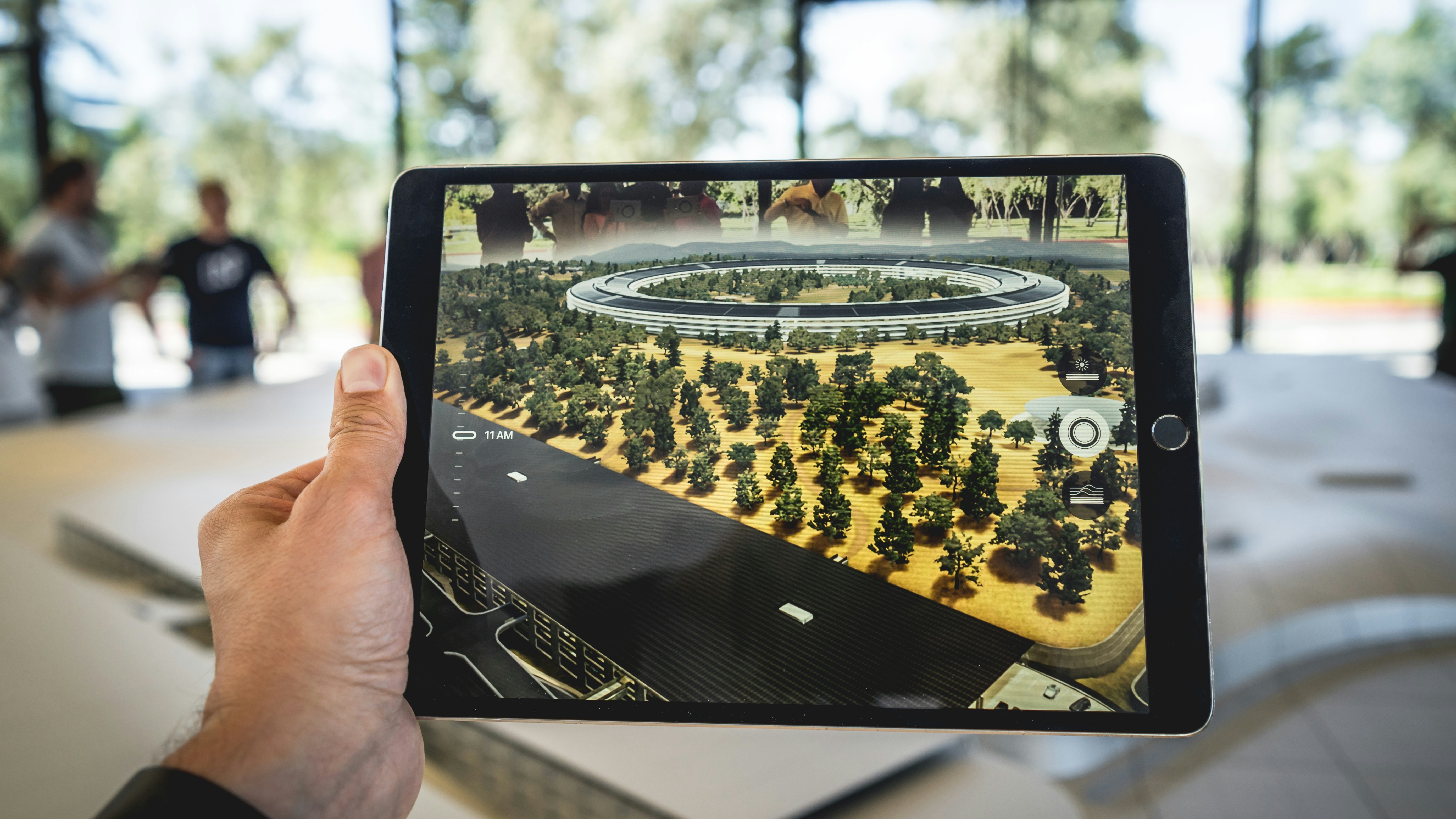
Interactive 360° virtual tours are redefining how businesses showcase spaces online. By combining immersive visuals, intuitive navigation, and interactive features, virtual tours help increase engagement, improve decision-making, and create memorable digital experiences across industries such as real estate, architecture, and retail.

Source: Unsplash
As digital experiences become more immersive, 360° are transforming the way businesses showcase spaces online. From real estate and hospitality to architecture and retail, interactive virtual tours allow users to explore environments from anywhere, creating a more engaging and informative experience than traditional photos or videos.
Unlike static images, a 360° virtual tour gives users control over how they explore a space. They can move between rooms, inspect details, and interact with additional information through clickable hotspots. This level of engagement often leads to longer website visits, stronger interest, and better conversion rates. According to industry studies, listings and projects that include virtual tours tend to generate significantly higher engagement than those using standard visuals alone.
Creating an effective virtual tour starts with thoughtful planning. Before capturing or rendering content, it's important to determine the key viewpoints, navigation flow, and areas of interest that users should experience.
A well-designed tour should:
Guide visitors naturally through the space
Highlight important features and selling points
Provide intuitive navigation between viewpoints
Deliver a seamless experience across devices
This planning stage ensures users gain a clear understanding of the environment without feeling overwhelmed.
The visual quality of a virtual tour directly impacts its effectiveness. Whether using real-world photography or 3D-rendered environments, sharp imagery, realistic lighting, and detailed textures help create a more convincing experience.
For projects that have not yet been built, 3D-rendered virtual tours offer additional advantages. Designers can showcase future spaces, adjust materials, modify layouts, and experiment with different design options before construction begins. This flexibility makes virtual tours valuable not only for marketing but also for design communication and client approvals.
A successful virtual tour goes beyond panoramic images. Interactive elements can transform a simple walkthrough into a rich digital experience.
Popular features include:
Navigation hotspots between rooms
Information tags and annotations
Product or material details
Embedded videos and multimedia content
VR headset compatibility
These features encourage visitors to spend more time exploring while gaining a deeper understanding of the space.
Even the most visually impressive virtual tour can lose its impact if it loads slowly. Fast performance is essential to maintaining user engagement.
Best practices include:
Optimizing image sizes without sacrificing quality
Using progressive loading techniques
Ensuring mobile responsiveness
Supporting modern web technologies for smoother navigation
A fast, responsive experience helps reduce bounce rates and keeps users focused on the content rather than technical frustrations.
Interactive 360° virtual tours are delivering measurable value across multiple sectors.
Virtual tours help buyers explore properties remotely, qualify leads more effectively, and accelerate purchasing decisions.
Designers can communicate concepts more clearly, gather feedback earlier, and reduce misunderstandings during project development.
Stakeholders can review project progress, evaluate site conditions, and visualize future outcomes without needing to be physically present.
As virtual reality, 3D rendering, and interactive web technologies continue to evolve, 360° virtual tours are becoming a standard part of digital communication strategies. They offer a powerful way to bridge the gap between imagination and reality, helping businesses showcase spaces with greater clarity, engagement, and impact.

Let's collaborate to turn your vision into an impactful digital success story.
Contact Expert