Discover why Virtual Reality is becoming an important technology across modern industries. Explore how immersive digital environments are transforming education, healthcare, professional training, and entertainment while creating new ways for people to learn, interact, and experience digital content.
Technology continues to change how people experience information, communicate, and interact with the world. Among the technologies shaping this transformation is Virtual Reality (VR), which creates immersive digital environments that users can explore and interact with.
Unlike traditional media, which presents information through a screen, VR gives users the ability to feel as though they are present inside a computer-generated environment. This opens new possibilities for industries that rely on communication, learning, visualization, and interactive experiences.
As VR technology becomes more accessible, its role is expanding beyond gaming and entertainment into education, healthcare, professional training, and other areas.
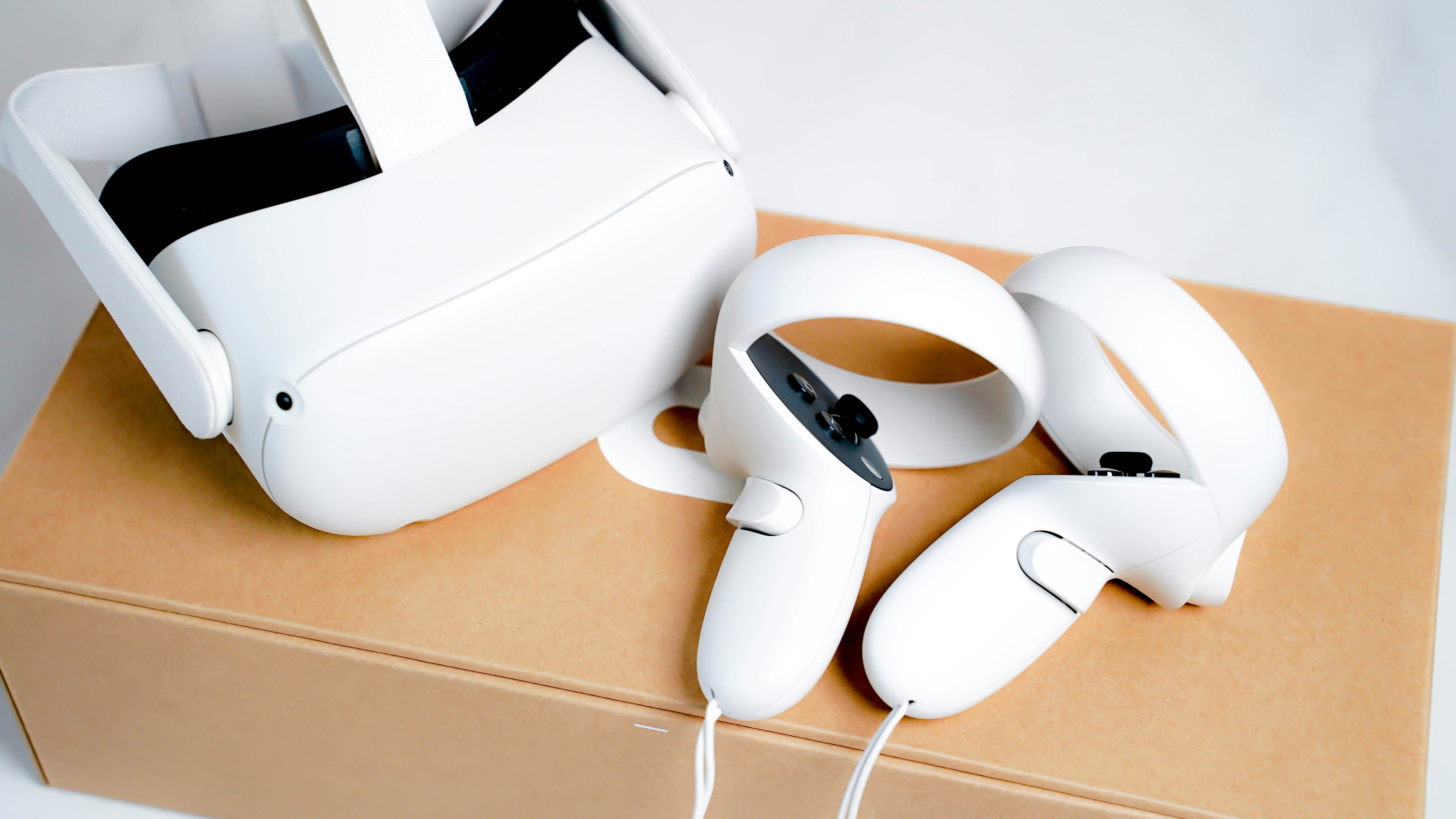
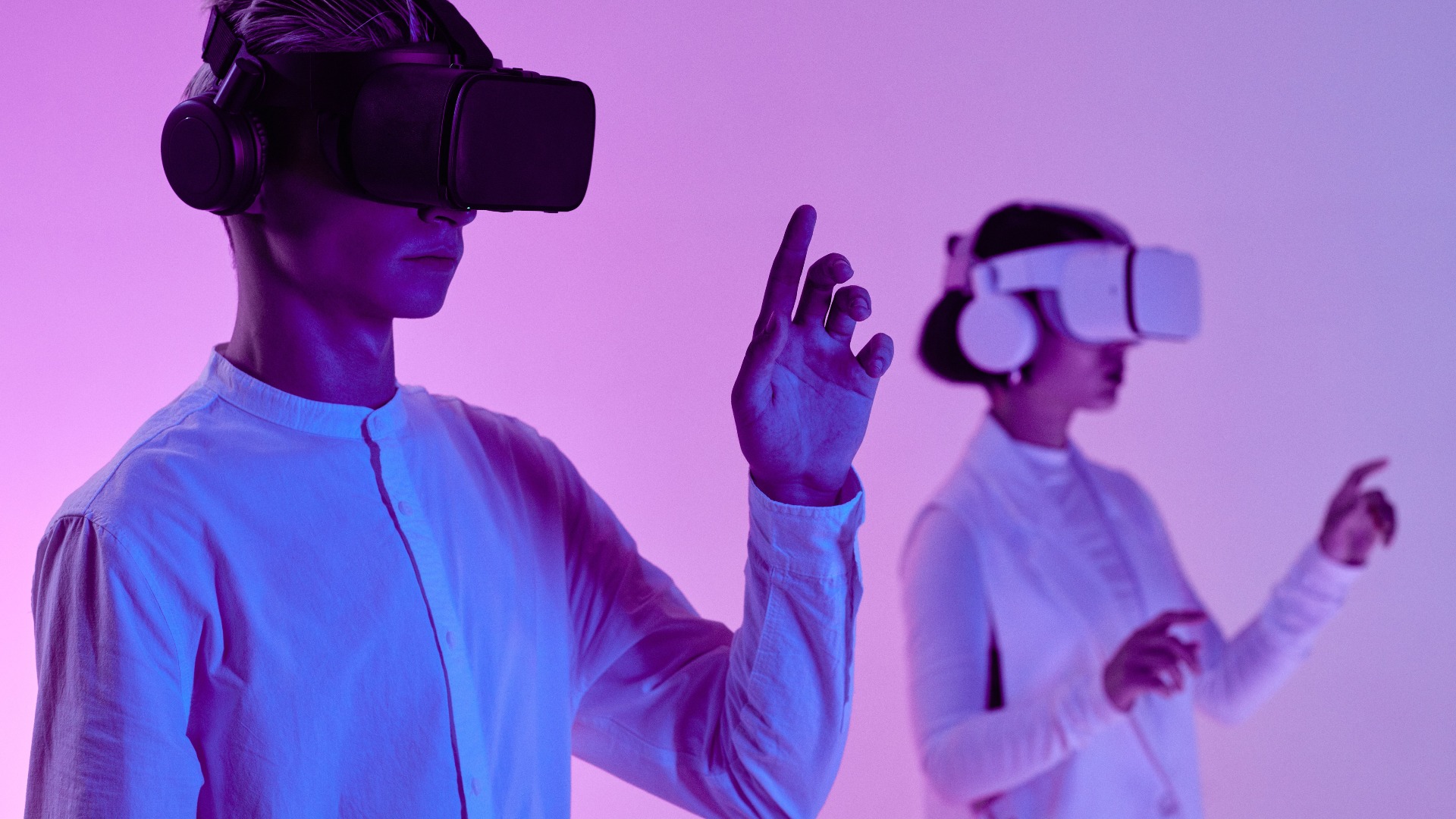
Virtual Reality is a computer-generated simulation of a three-dimensional environment that users can experience and interact with. Through a VR headset, users can enter a digital space, look around, explore objects, and interact with elements within the environment.
The defining feature of VR is its sense of presence. Instead of simply watching a video or viewing an image, users experience a simulated environment from within it.
This immersive quality makes VR different from conventional digital content. It changes the relationship between users and information by allowing them to participate in an experience rather than remain passive viewers.
The concept of Virtual Reality has existed for decades, with early experiments dating back to the 1960s. However, improvements in display technology, motion tracking, and computing capabilities have made modern VR experiences more realistic and accessible.
High-resolution displays help create clearer visual environments, while motion tracking allows the digital experience to respond to users' movements. Together, these developments have contributed to more engaging and interactive applications.
As the technology continues to evolve, VR is becoming relevant to a wider range of industries and professional activities.
The importance of VR comes from its ability to create experiences that are difficult to reproduce through traditional media.
VR allows learners to explore environments and concepts through interactive experiences. Students can visit virtual historical locations, explore landmarks, or visualize subjects that may be difficult to understand through textbooks alone.
This approach can make complex information easier to explore by connecting theoretical knowledge with visual and interactive experiences.
Some professional skills require practice in environments where mistakes can carry significant risks or costs. VR can simulate real-world scenarios in a controlled digital setting.
For example, students in medicine, engineering, and aviation can use virtual environments to practice procedures and develop skills before applying them in real situations.
VR is being used in healthcare for medical training and certain therapeutic applications. Healthcare professionals can simulate procedures, while patients may use VR-based experiences as part of treatment approaches for conditions such as anxiety, phobias, and post-traumatic stress disorder.
These applications demonstrate how immersive technology can support both professional development and patient care.
Gaming is one of the most recognizable applications of VR. Users can move through virtual environments, interact with objects, and experience digital worlds from a more immersive perspective.
Beyond gaming, VR can also provide virtual cinema experiences, digital art galleries, and opportunities to experience concerts or events remotely.
Across different applications, VR offers several important advantages:
Immersive experiences: Users can feel more involved in digital environments rather than simply observing them.
Interactive exploration: Virtual objects and spaces can be explored and manipulated.
Realistic simulations: Complex activities can be practiced in controlled environments.
Flexible access to experiences: Users can explore certain environments without physically traveling to them.
New communication possibilities: Shared virtual environments can support remote interaction and collaboration.
The value of these benefits depends on the purpose of the experience, the quality of its content, and how well the technology is implemented.
The future of VR will be influenced by improvements in hardware, more intuitive ways to interact with digital environments, and integration with other technologies.
Developments in Artificial Intelligence (AI) and Augmented Reality (AR) may create new opportunities for more responsive and engaging experiences. At the same time, improvements in display quality and comfort may help address some limitations of current VR systems.
However, challenges remain. Hardware costs can limit accessibility, while creating compelling content requires careful planning, technical expertise, and effective storytelling.
Virtual Reality is becoming an important technology because it changes how people interact with digital information and experiences. From education and professional training to healthcare and entertainment, VR creates opportunities for more immersive and interactive applications.
As the technology develops, its potential will depend not only on better hardware but also on meaningful content that addresses real needs. Businesses and organizations that understand how to use immersive experiences effectively can explore new ways to communicate, train, and engage their audiences.

Let's collaborate to turn your vision into an impactful digital success story.
Contact Expert