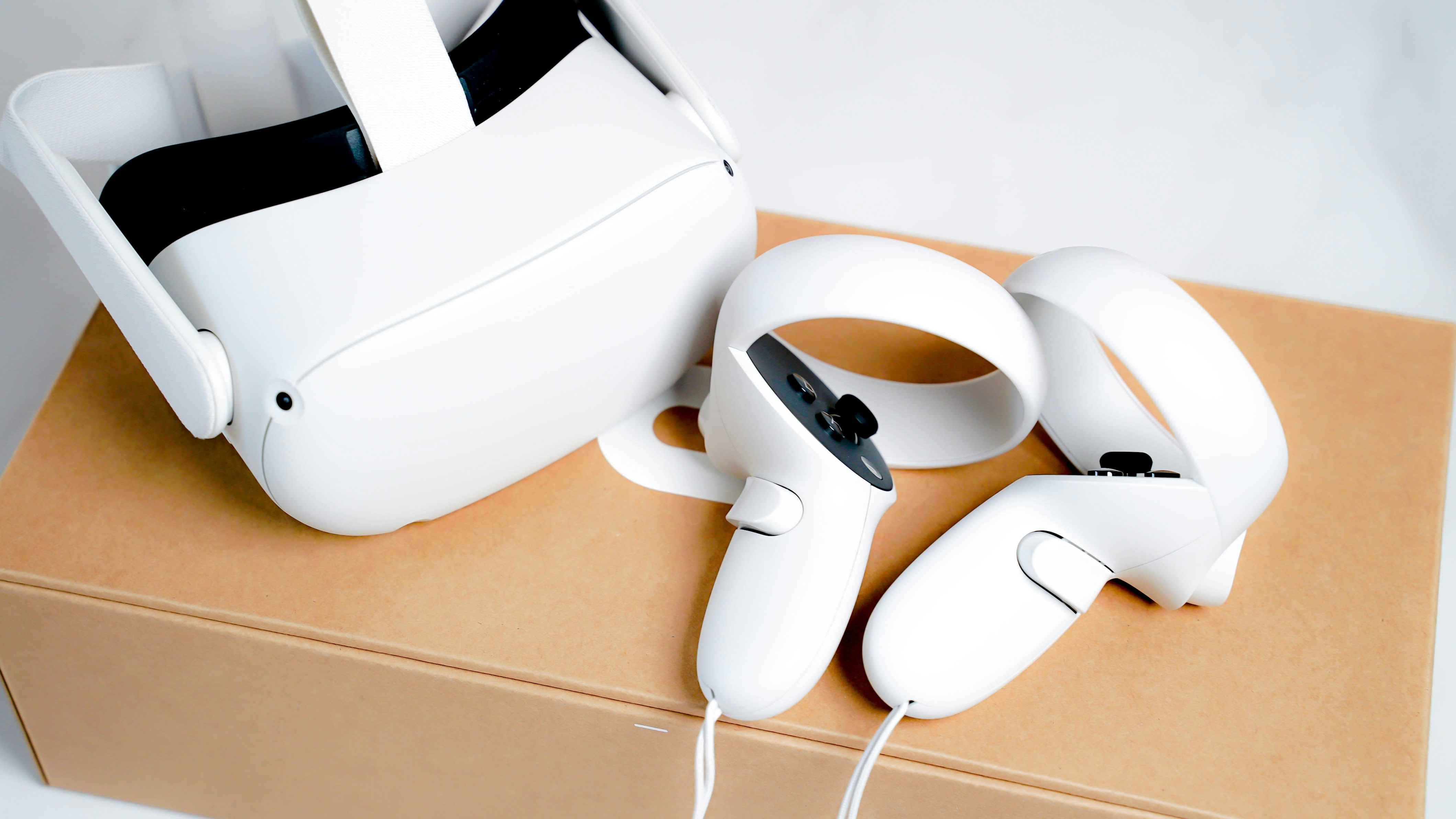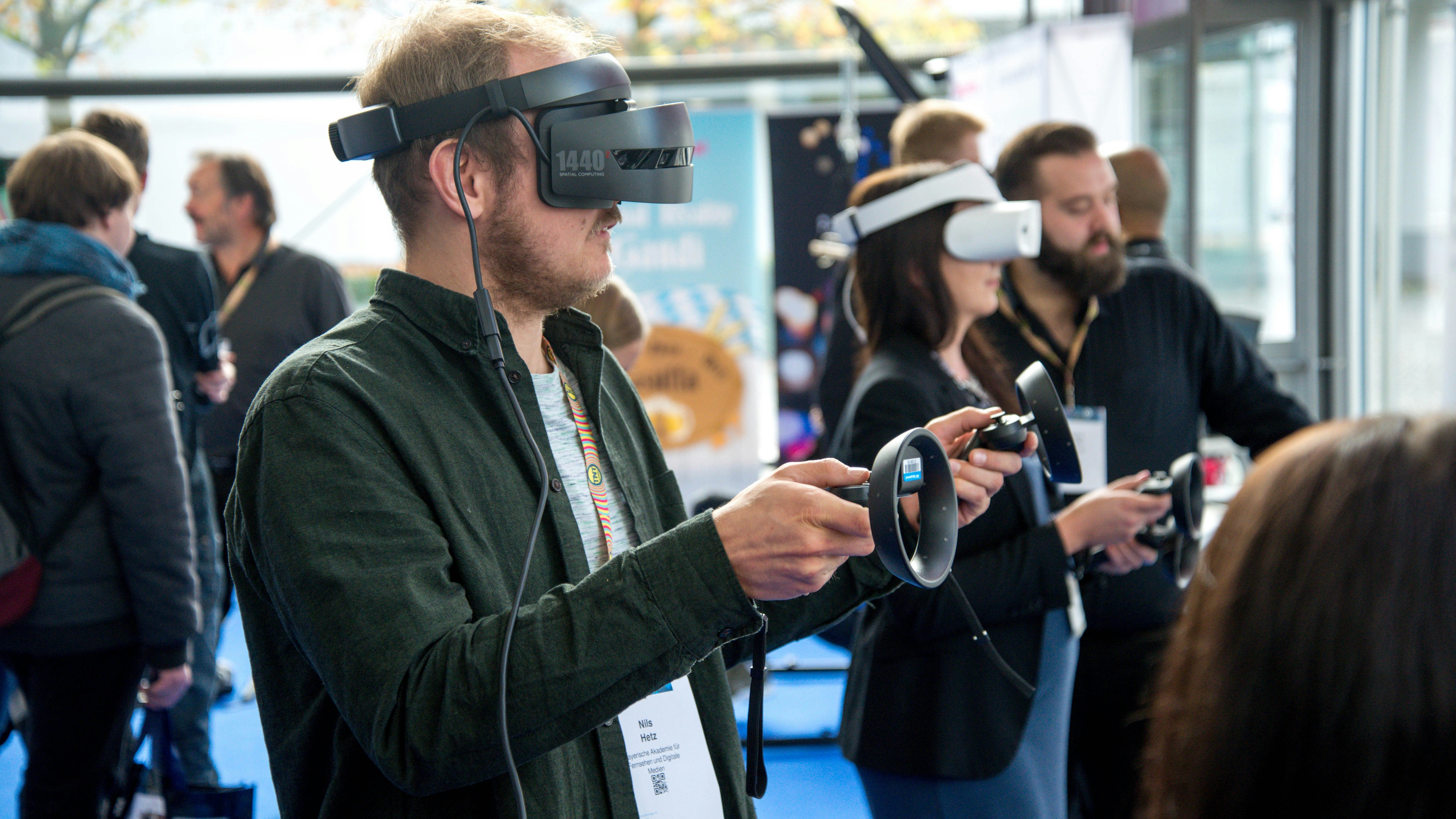
Virtual Reality (VR) is an immersive technology that allows users to interact with computer-generated 3D environments in real time. Using devices such as VR headsets and motion sensors, VR creates the sensation of being physically present inside a digital space. Today, VR is widely used in industries such as architecture, gaming, education, healthcare, and real estate, transforming how people experience, explore, and interact with digital content.
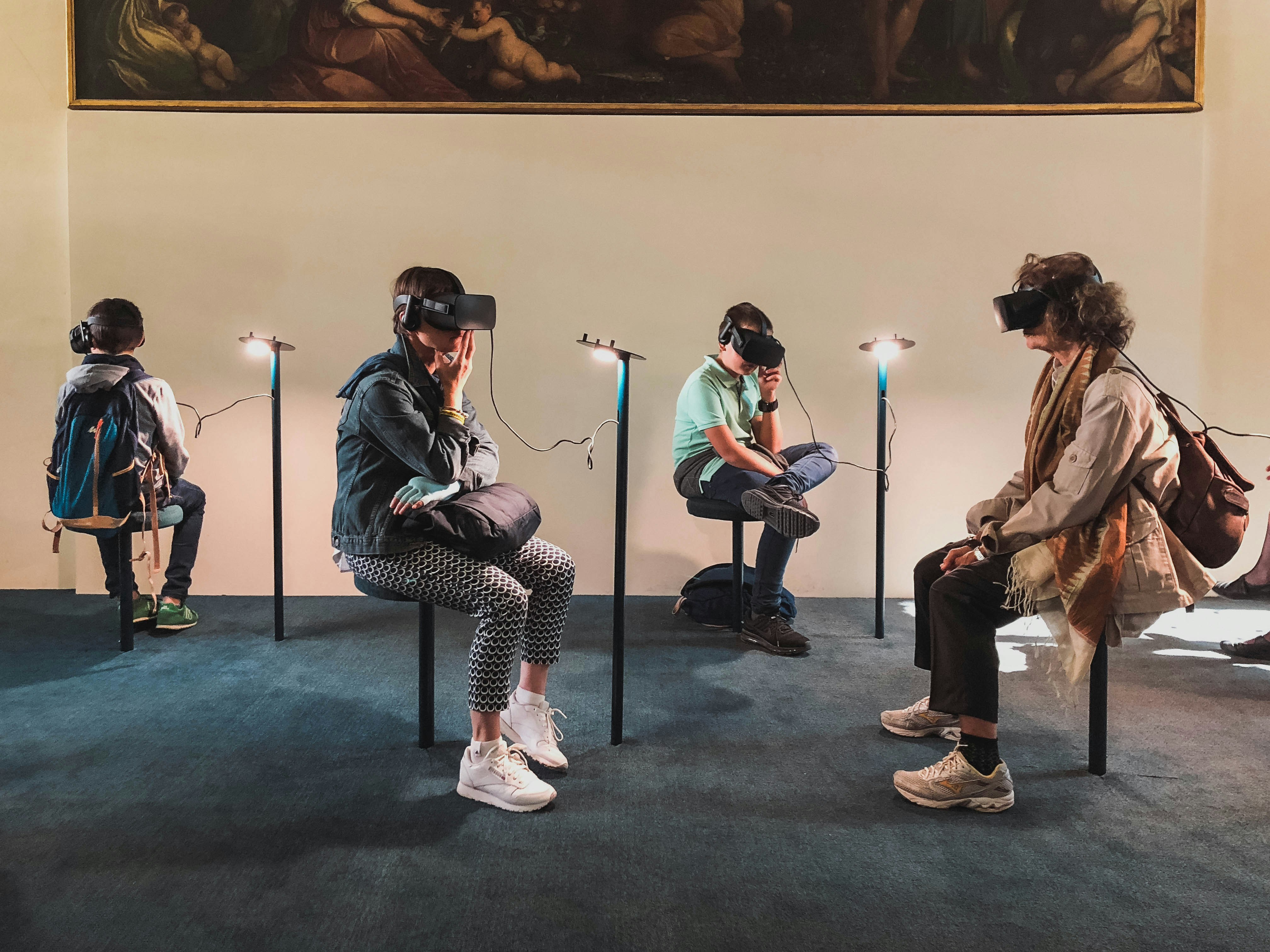
Source: Unsplash/Lucrezia Carnelos
Computer Science, commonly known as Virtual Reality or VR, is a technology that uses computer-generated simulations to create immersive 3D environments that users can explore and interact with in real time.
Using devices such as VR headsets, motion sensors, gloves, or controllers, users can experience the feeling of “being inside” a digital world. VR tracks movements like head turns and hand gestures to make the experience feel realistic and responsive.
VR combines:
3D computer graphics
Motion tracking
Spatial audio
Interactive controls
When a user moves, the system instantly updates the virtual environment to match their perspective, creating a sense of immersion.
Architecture & Real Estate — virtual property tours and building visualization
Gaming & Entertainment — immersive interactive experiences
Education & Training — flight simulators, medical training, and industrial learning
Healthcare — surgical simulations and therapy
Tourism & Retail — virtual exploration and product experiences
The concept of VR began developing in the mid-20th century through flight simulators and experimental immersive cinema. The term “Virtual Reality” was officially coined in 1987 by Jaron Lanier, one of the early pioneers of the technology.
Today, VR continues evolving with:
Augmented Reality (AR)
Mixed Reality (MR)
AI-powered simulations
Interactive 360 experiences
VR transforms how people experience digital content. Instead of simply viewing information on a screen, users can explore spaces, interact with environments, and engage with content in a far more immersive way.
For businesses, VR improves:
Customer engagement
Product visualization
Remote collaboration
Marketing experiences
Decision-making confidence
As technology advances, VR is becoming an essential tool across industries, blending creativity, technology, and human interaction into one immersive experience.

Let's collaborate to turn your vision into an impactful digital success story.
Contact Expert