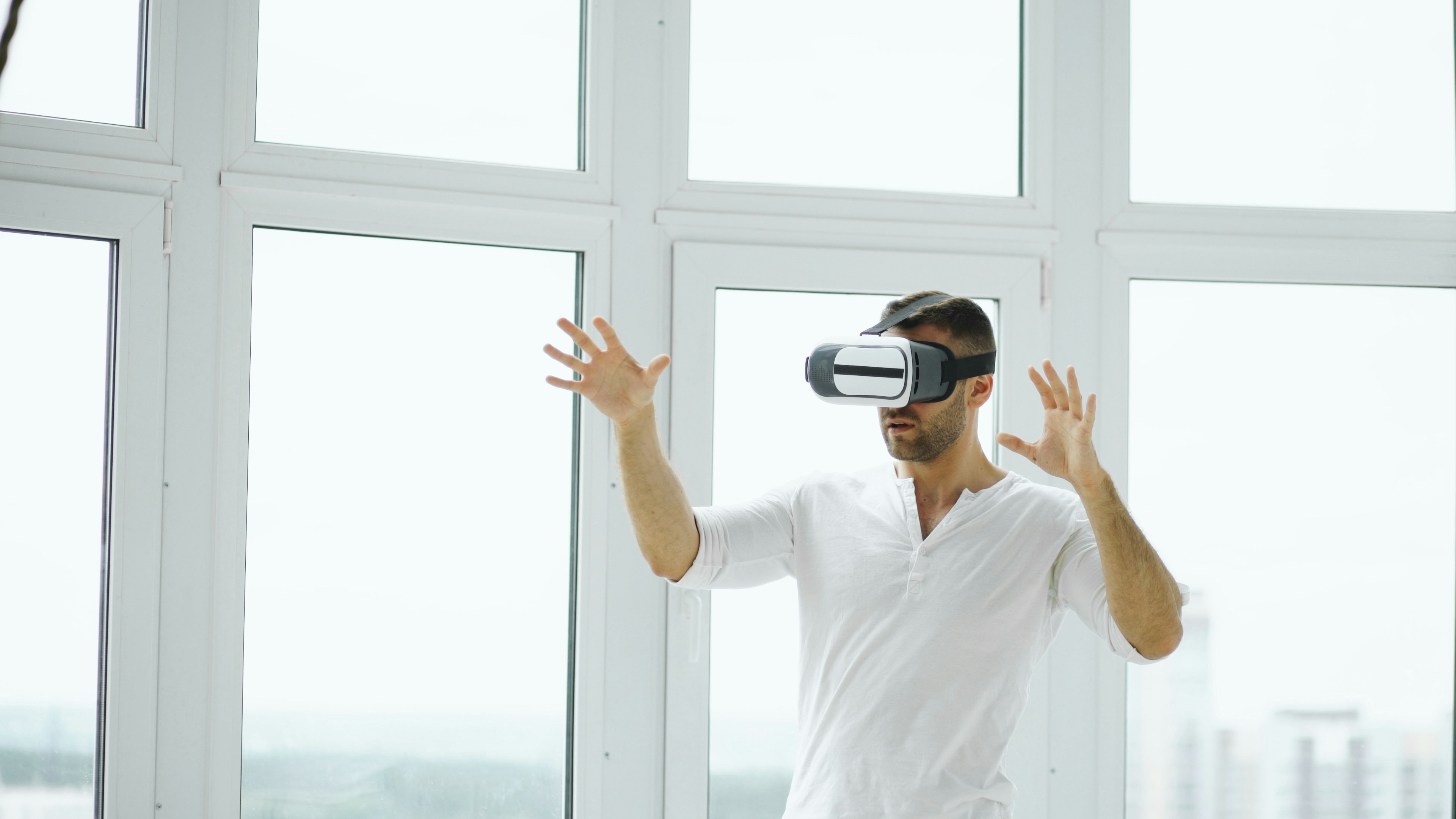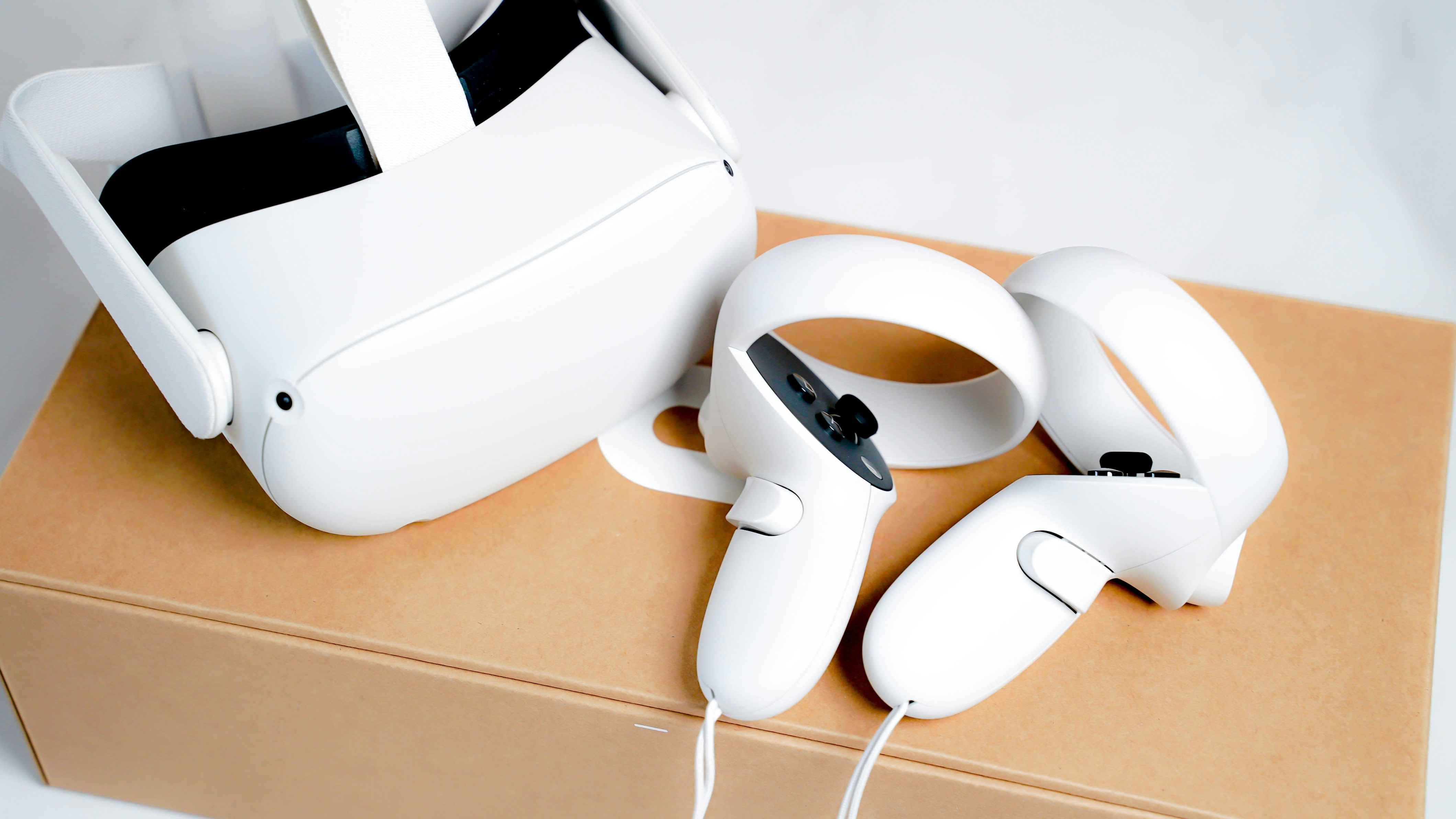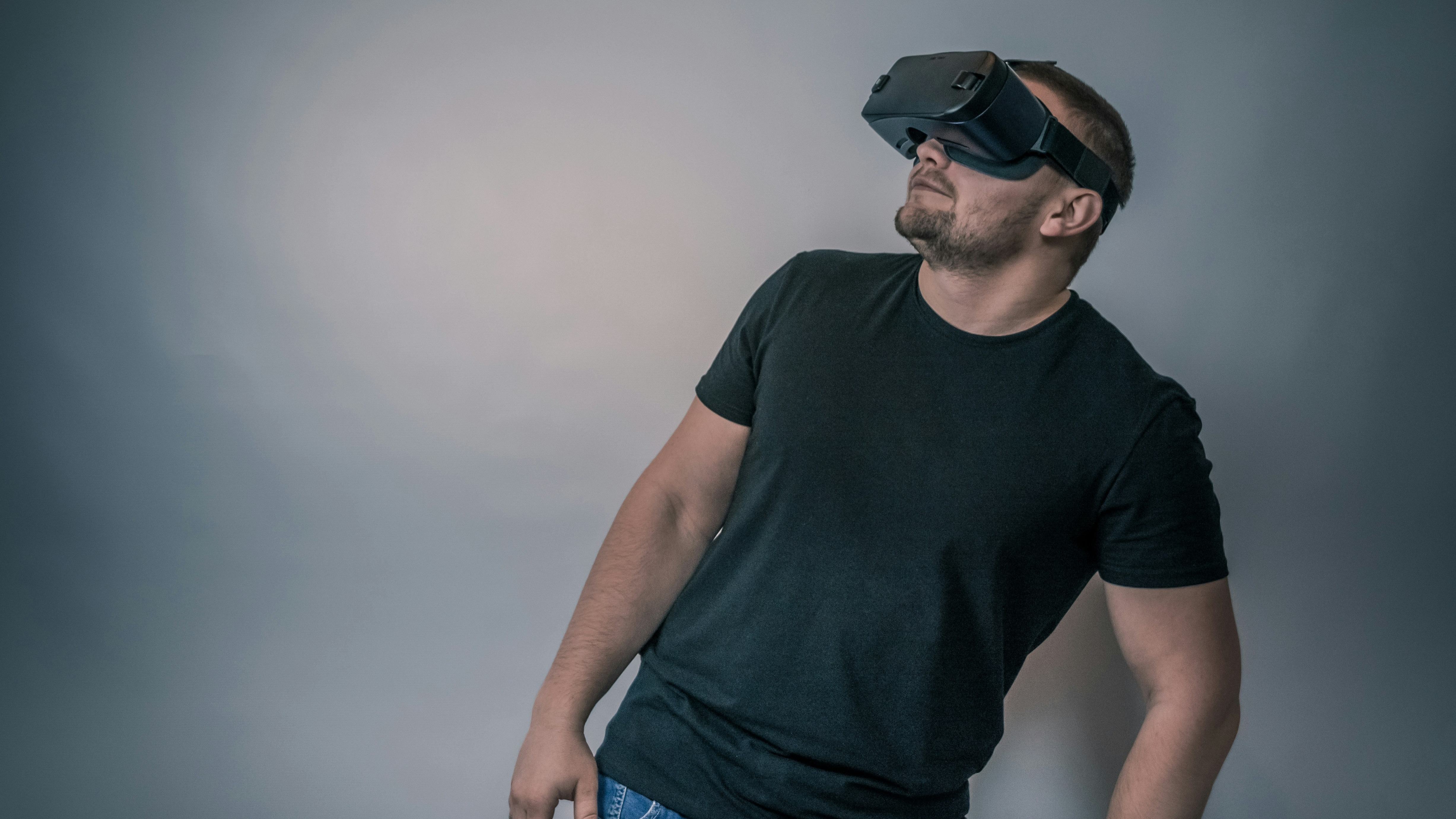
From early innovations like the Aspen Movie Map to modern applications in healthcare, military, and automotive industries, Virtual Reality has evolved into a powerful technology that is transforming training, design, and real-world experiences.
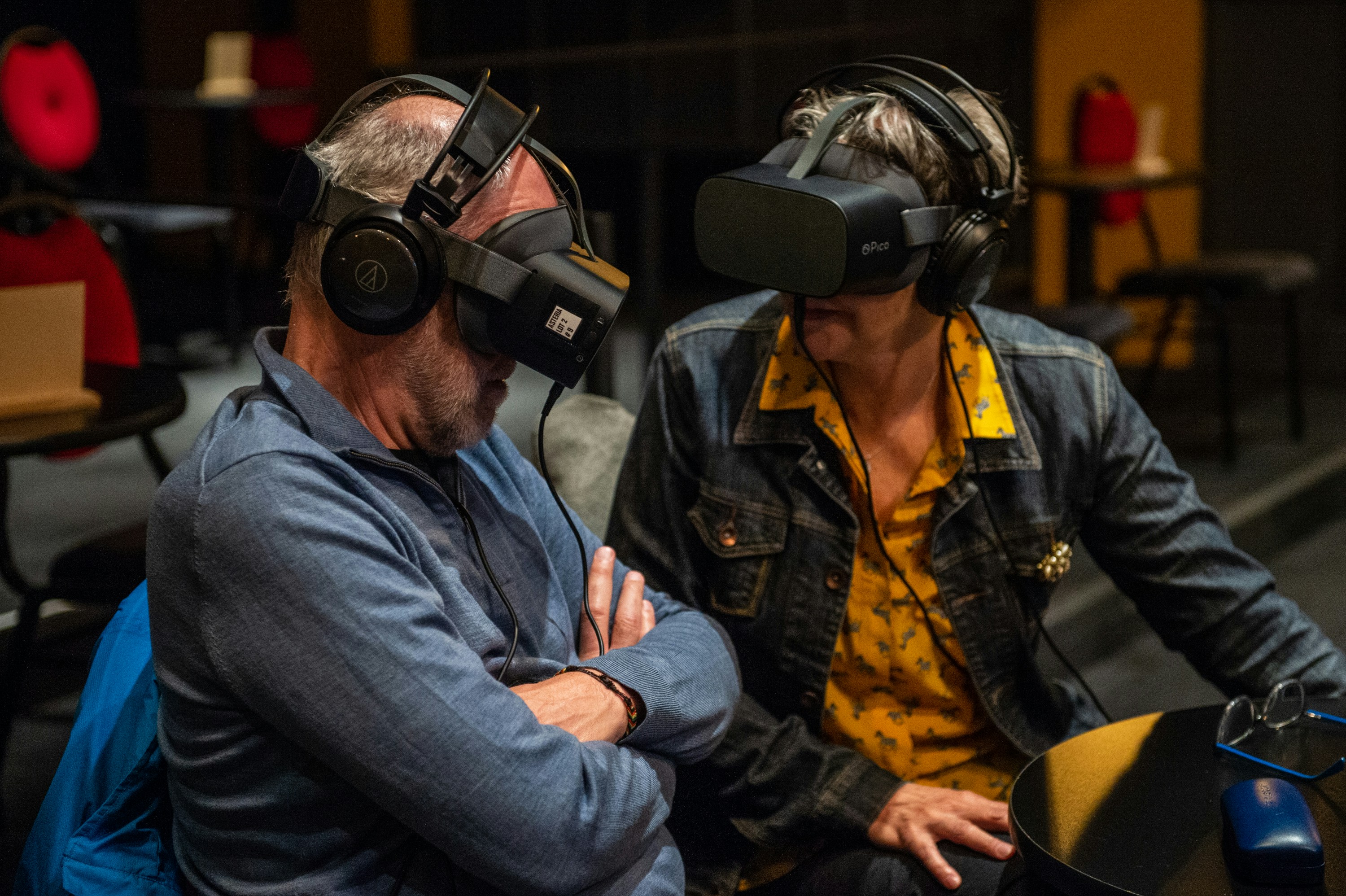
Source: Unsplash/Andre Oullet
Virtual Reality (VR) may feel like a modern innovation, but its roots go back decades—long before today’s advanced headsets and immersive experiences. From early experimental simulations to powerful industry tools, VR has evolved into a technology that is transforming how we work, learn, and interact.
Let’s take a closer look at how VR began—and how it’s being used across industries today.
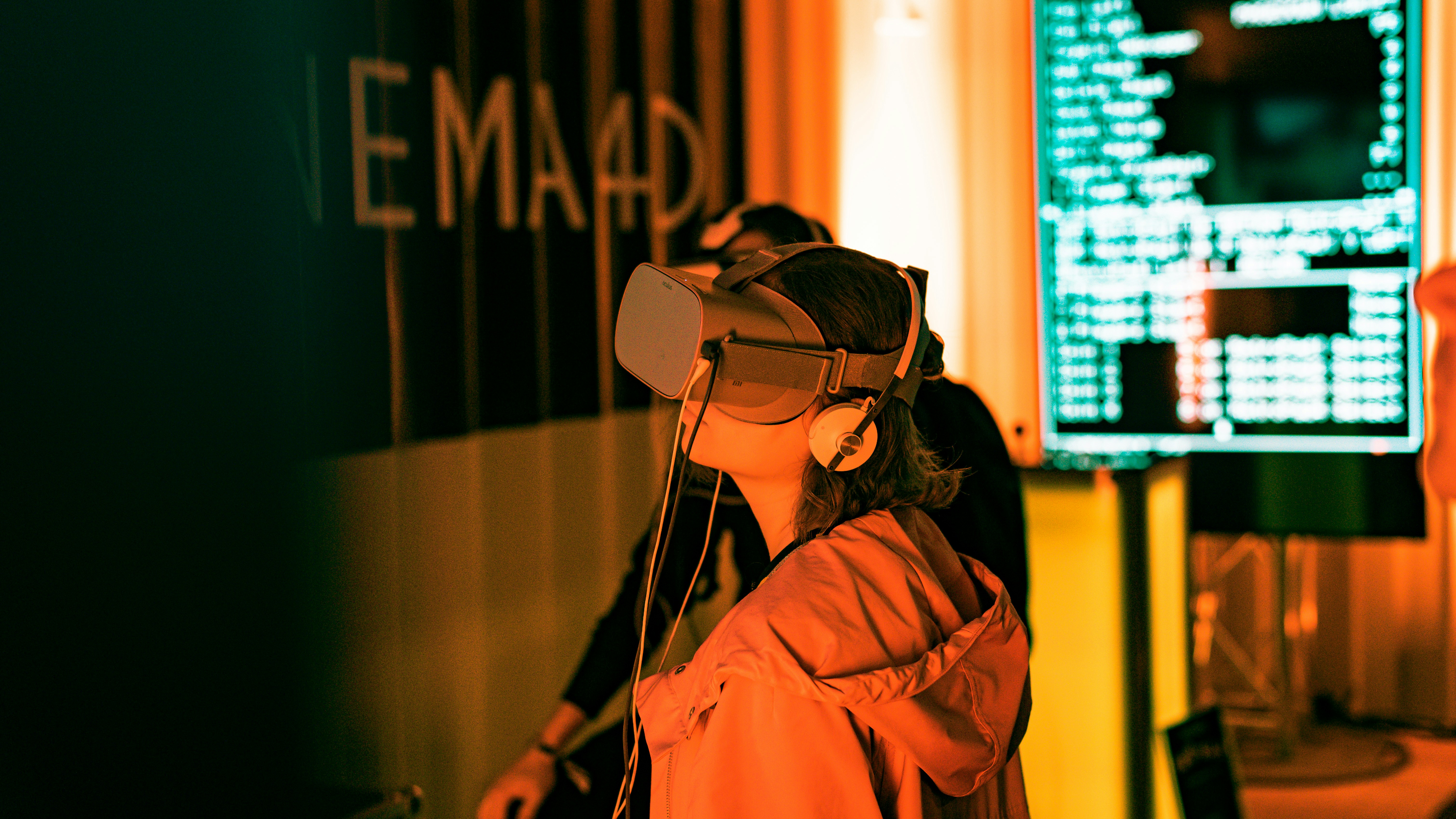
Source: Unsplash/Andre Oullet
The early foundations of Virtual Reality can be traced back to the late 1970s with the creation of the Aspen Movie Map, developed by MIT between 1977 and 1978. This groundbreaking project allowed users to explore a digital simulation of Aspen, Colorado, using real photographs captured across different seasons—summer, winter, and simplified polygon views.
Although basic by today’s standards, it was one of the first attempts to create an interactive, navigable virtual environment.
The term “Virtual Reality” itself became popular in the 1980s, thanks to Jaron Lanier, a pioneer in the field who founded VPL Research in 1985. However, the concept of immersive simulated environments dates even further back, with early ideas emerging as far as the 19th century.
After decades of research and development, VR has become more accessible than ever—offering high-quality experiences at increasingly affordable prices.
At its core, VR works by stimulating the human brain to perceive a digital environment as real. It essentially replaces the user’s physical surroundings with a virtual one, creating a sense of presence inside a simulated world.
Today, Virtual Reality is no longer limited to entertainment. It has become a powerful tool across various industries, helping professionals improve efficiency, reduce risk, and enhance learning experiences.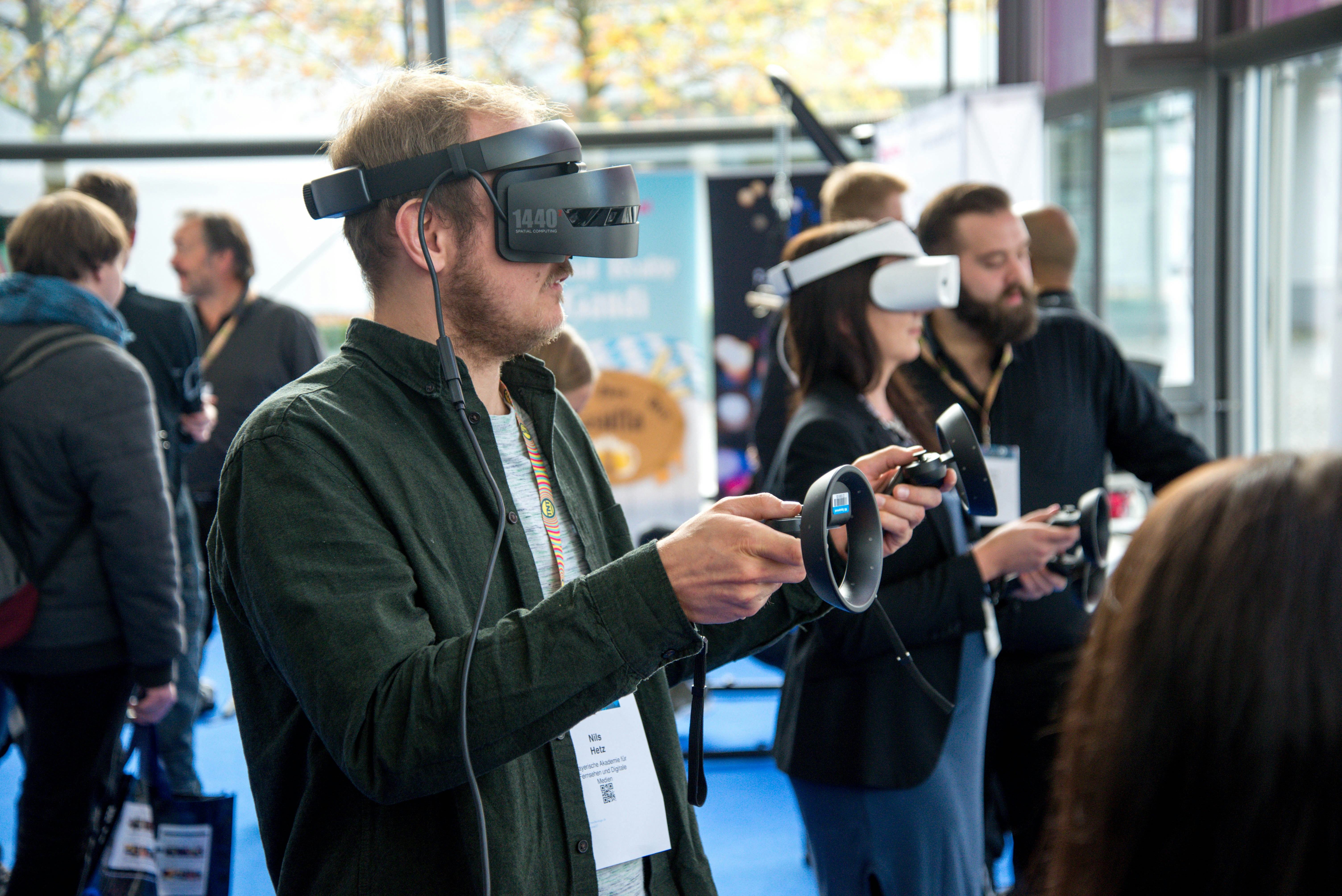
Source: Unsplash/Stephan Sorkin
In the medical field, VR is widely used for surgical simulations and training. Doctors and students can practice procedures in a safe, controlled virtual environment before performing them in real life.
VR is also used for:
Diagnosing and visualizing diseases
Planning treatments
Enhancing medical education
Benefit: Reduces risk while improving precision and learning outcomes.
The military uses VR to simulate real-life combat scenarios without the risks associated with physical training.
Soldiers can train for:
Combat situations
Weapon handling
Vehicle operation
Parachuting exercises
Benefit: Cost-effective, safe, and highly immersive training environment.
In the aviation industry, VR is used in flight simulators to train pilots. These simulations replicate real flying conditions, allowing trainees to gain experience without operating an actual aircraft.
Benefit: Improves pilot readiness while minimizing costs and safety risks.
VR plays a crucial role in vehicle design and development. Automotive companies use VR to visualize, test, and refine car designs before production.
For example, brands like Ford use VR headsets such as Oculus Rift to evaluate both interior and exterior designs, as well as simulate driving experiences.
Benefit: Faster design process and better product development decisions.
The evolution of VR is driven by its ability to create immersive, interactive, and efficient solutions across industries. It reduces costs, enhances training, and enables better decision-making through realistic simulations.
As technology continues to advance, VR is expected to become even more integrated into everyday life—from education and business to entertainment and beyond.
Virtual Reality has come a long way from its early experimental days to becoming a transformative technology across multiple industries. Its ability to simulate real-world experiences in a controlled, immersive environment makes it an invaluable tool for training, design, and innovation.
As accessibility improves and technology evolves, VR is set to play an even bigger role in shaping the future of how we learn, work, and experience the world.

Let's collaborate to turn your vision into an impactful digital success story.
Contact Expert