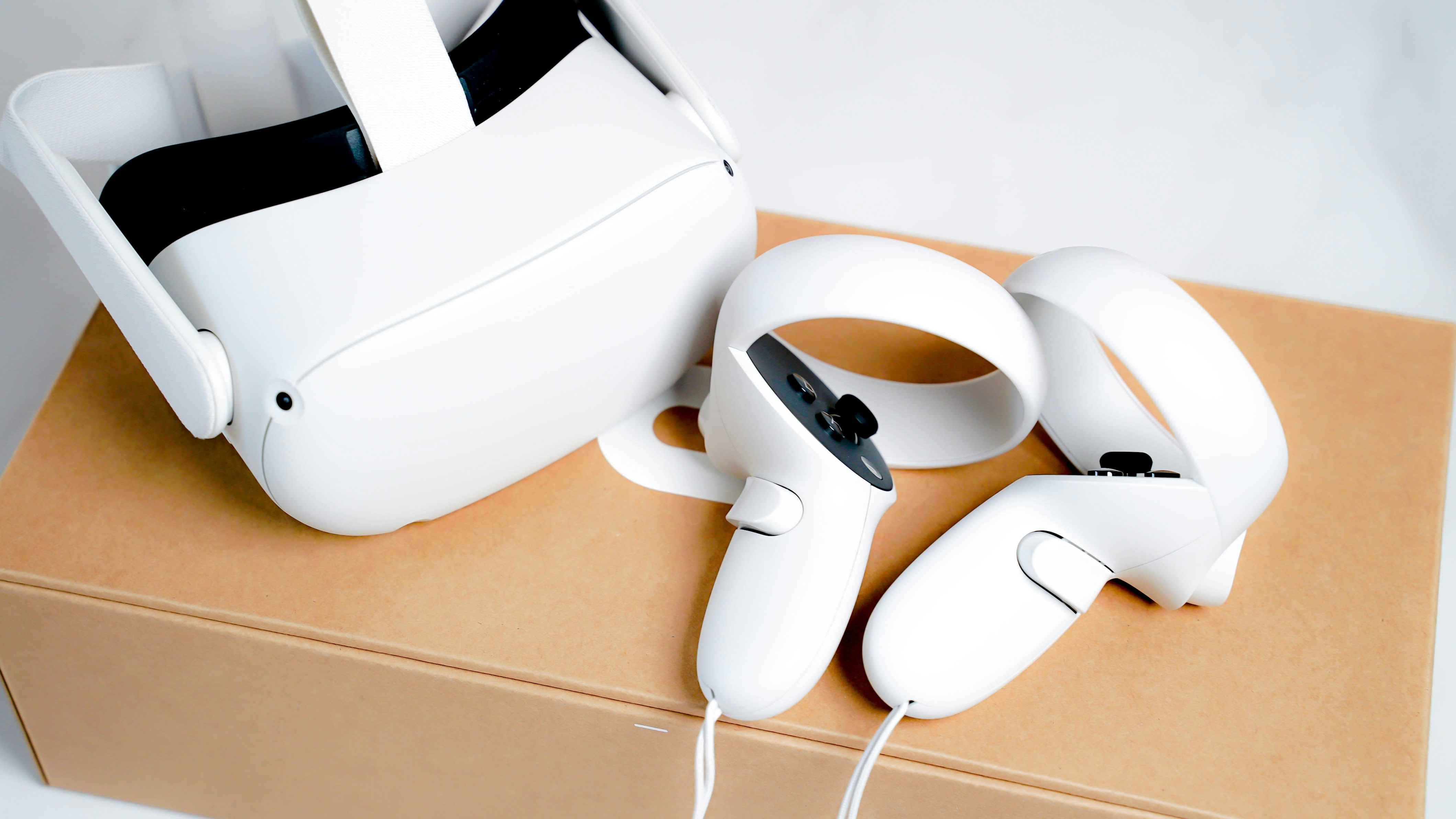
Virtual Reality is transforming the way people learn, work, and communicate through immersive digital experiences. From education and healthcare to business and collaboration, VR technology is becoming an essential part of modern innovation and the future digital landscape.

Source: Unsplash/Mike Barra
Virtual Reality (VR) has rapidly evolved into one of the most influential technologies in the modern digital era. What was once considered futuristic entertainment is now transforming industries such as education, healthcare, business, and communication. Through immersive digital environments, VR allows users to experience situations and spaces in ways that traditional media cannot provide.
Unlike conventional digital content that users simply watch or interact with through a screen, VR creates the sensation of being physically present inside a virtual environment. By using VR headsets and motion-tracking technology, users can explore digital spaces, interact with objects, and engage with experiences in a more realistic and emotional way.
As technology advances, virtual reality is becoming increasingly accessible and is now recognized as an important tool for improving learning, collaboration, and user engagement across multiple industries.
Virtual Reality is a computer-generated simulation that creates immersive three-dimensional environments. These environments are designed to replicate real-world experiences or create entirely new digital worlds where users can interact naturally.
Modern VR technology combines several systems, including:
High-resolution displays
Motion sensors
Spatial audio
Real-time rendering
Interactive controllers
Together, these technologies create realistic experiences that stimulate multiple senses and increase immersion.
The primary goal of VR is to make users feel as though they are truly inside the virtual environment. This sense of presence is what separates VR from traditional digital media.
One of the most significant applications of VR is in education. Traditional learning methods often rely on textbooks, lectures, and static visuals. VR transforms this process by creating interactive learning experiences that improve engagement and understanding.
Students can:
Explore historical locations virtually
Conduct scientific simulations
Practice technical skills safely
Experience immersive learning environments
For example, medical students can practice surgeries in realistic simulations, while engineering students can interact with complex machinery without physical risks.
Because VR allows users to learn through direct experience, it often improves memory retention and comprehension compared to traditional teaching methods.
The healthcare industry has also embraced virtual reality as a powerful training and therapeutic tool. Medical professionals use VR simulations to practice procedures, improve technical skills, and prepare for complex operations in safe environments.
VR is also used in patient treatment, including:
Anxiety therapy
PTSD treatment
Pain management
Physical rehabilitation
Immersive virtual environments help patients relax, focus, and gradually overcome fears or trauma through controlled simulations.
In rehabilitation programs, VR-based exercises can improve motivation and make therapy sessions more interactive and engaging.
Businesses are increasingly adopting VR technology to improve communication, training, and customer experiences. Companies use virtual reality for:
Employee training
Product demonstrations
Virtual meetings
Interactive presentations
Virtual property tours
VR helps businesses create more engaging experiences while reducing travel costs and increasing accessibility.
In industries such as real estate, architecture, and hospitality, VR allows clients to explore spaces remotely before making decisions, creating stronger trust and confidence.
The future of VR looks highly promising as technology continues to improve. Emerging innovations such as Artificial Intelligence (AI), Augmented Reality (AR), and spatial computing are expected to make VR experiences even more realistic and interactive.
Future applications may include:
Virtual classrooms
Remote collaboration workspaces
Digital tourism
Advanced healthcare simulations
Immersive shopping experiences
As VR hardware becomes more affordable and content becomes more accessible, virtual reality is expected to become part of everyday life.
Virtual Reality is no longer just a technology for entertainment. It has become an important tool that is transforming education, healthcare, communication, and business experiences worldwide. By combining immersion, interaction, and innovation, VR creates new ways for people to learn, connect, and engage with digital content.
As the technology continues to evolve, virtual reality will play an even greater role in shaping the future of digital experiences.

Let's collaborate to turn your vision into an impactful digital success story.
Contact Expert