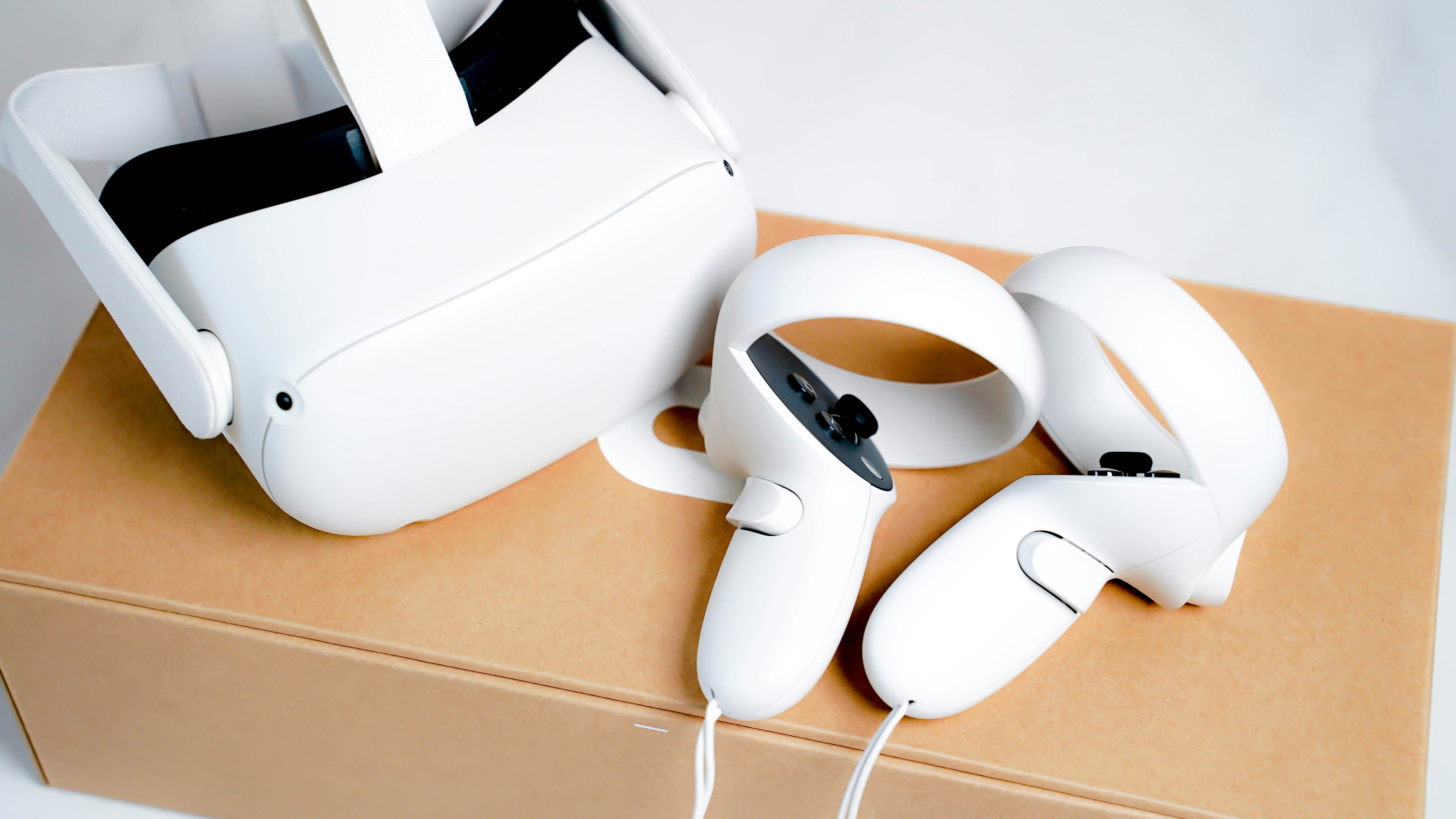
Virtual Reality (VR) is transforming the way we learn, work, and interact with digital environments. From immersive education and healthcare simulations to next-generation entertainment, VR offers exciting possibilities across industries. Discover its growing potential, the latest research insights, and the key challenges shaping the future of this technology.
Discover how Virtual Reality is evolving beyond entertainment to reshape education, healthcare, professional training, and human interaction while exploring the challenges that will shape its future.
Technology continues to transform how people learn, work, and experience the digital world. One of the technologies driving this transformation is Virtual Reality (VR), which allows users to step into computer-generated environments and interact with them as if they were physically present.
Once primarily associated with gaming and entertainment, VR is now finding applications across different industries. From medical simulations and interactive education to virtual training environments, this technology is creating new opportunities to experience things that may be difficult, expensive, or impossible to reproduce in the real world.
However, as VR continues to develop, questions about accessibility, user comfort, technology costs, and social impact remain important. Understanding both its opportunities and limitations is essential to exploring what comes next.
Virtual Reality is a technology that creates simulated three-dimensional environments using computer-generated graphics, motion tracking, and audio systems.
Through devices such as VR headsets, users can explore virtual spaces, interact with digital objects, and experience environments from a first-person perspective.
Unlike traditional digital media, which presents information through a screen, VR creates a sense of presence. Users are no longer simply observing an environment; they become part of the experience.
This immersive capability makes VR particularly valuable for applications that require visualization, interaction, simulation, and practical learning.
The development of VR has expanded its role beyond entertainment. Its ability to simulate realistic environments makes it increasingly relevant across several professional and everyday applications.
VR introduces a more interactive approach to education by allowing students to explore complex subjects through simulated environments.
Instead of relying entirely on textbooks, images, or traditional presentations, students can experience scientific concepts, explore virtual locations, and participate in realistic learning simulations.
For example, medical and engineering students can practice procedures and explore complex systems in controlled virtual environments without exposing themselves or others to real-world risks.
VR also creates opportunities for distance learning by making digital educational experiences more interactive and engaging.
Healthcare is another field where VR offers significant potential.
Medical professionals can use virtual simulations to practice procedures, prepare for emergencies, and improve their understanding of complex medical situations.
Beyond professional training, VR can also support therapy and rehabilitation. Research has explored its applications in managing psychological conditions and improving therapeutic experiences.
By providing controlled and repeatable environments, VR offers opportunities to support medical education and healthcare practices.
Entertainment remains one of the most recognizable applications of VR.
Through immersive digital environments, users can experience games, virtual worlds, and interactive content from a completely different perspective.
Unlike conventional gaming experiences, VR allows users to physically interact with their surroundings through movement and simulated interactions.
It also creates new possibilities for virtual cinema experiences and other forms of digital entertainment.
VR can simulate working environments and operational scenarios that may otherwise be difficult to reproduce.
In engineering and manufacturing, virtual environments can help users understand production processes and practice specific activities before performing them in real situations.
The technology also offers opportunities for training in environments where mistakes could involve significant operational risks or costs.
Although the potential of VR is widely recognized, understanding how users actually experience this technology is equally important.
A 2024 study titled The Future of Virtual Reality: Prospect and Problems, published in Procedia Computer Science, examined user experiences, immersion levels, and the challenges associated with VR adoption.
The researchers combined quantitative data analysis using a publicly available Kaggle dataset with in-depth interviews involving 10 active VR users who had at least one year of experience.
The findings provide several interesting insights.
Eight out of ten interview participants reported feeling amazed and impressed during their first VR experience.
Furthermore, seven out of ten participants (70%) believed that VR provided a more realistic and immersive experience compared with other technologies.
These findings highlight the importance of immersion in shaping how users perceive and interact with virtual environments.
Despite the positive experiences, three out of ten respondents reported physical discomfort, including dizziness and nausea, particularly when using VR for extended periods.
The dataset analysis also indicated that motion sickness varied across user characteristics and headset types.
This suggests that improving comfort and reducing physical discomfort remain important priorities for VR developers.
The study also identified differences in immersion levels based on age, gender, headset type, and usage duration.
Its dataset analysis suggested that older users and those with longer VR usage experiences tended to report higher immersion levels.
The preferred headset also varied across age groups:
HTC Vive was favored among participants younger than 30.
PlayStation VR was favored among participants aged 30–50.
Oculus Rift was favored among participants older than 50.
The study also reported that immersion levels varied with session duration, with different headset models showing peak immersion at approximately 23–34 minutes.
These results illustrate that VR experiences are influenced by multiple factors rather than hardware alone.
Despite its growing potential, VR still faces several barriers that may limit its widespread adoption.
The cost of VR hardware remains a significant concern. Headsets and supporting equipment can require substantial investment, making the technology less accessible to some individuals, educational institutions, and organizations.
More affordable devices could help expand access to VR experiences.
Some users experience dizziness, nausea, and eye strain when using VR.
These issues can affect user satisfaction and limit how long individuals feel comfortable using the technology.
Improvements in visual performance, motion responsiveness, and ergonomic design are therefore essential.
Hardware alone cannot create a meaningful VR experience.
The availability of interesting, relevant, and interactive content plays an equally important role in determining whether users continue using the technology.
Developers need to create more diverse experiences that address real needs across education, healthcare, entertainment, and professional training.
The growing use of virtual environments also introduces important social and ethical questions.
Privacy, data security, accessibility, and potential discrimination within virtual environments require careful consideration.
Furthermore, excessive VR usage may reduce face-to-face interaction and contribute to social isolation.
Responsible development should therefore consider not only technological innovation but also the well-being and inclusion of users.
The future of VR will depend on how effectively developers and technology companies address its current limitations.
Several areas will play an important role in its continued development.
Better Visual and Audio Quality
More realistic graphics, improved audio systems, and responsive motion tracking can strengthen immersion and create more natural interactions.
More Comfortable and Affordable Devices
Smaller, lighter, and more affordable headsets could make VR more practical for everyday use.
More Diverse Digital Experiences
The development of meaningful content for education, healthcare, industrial training, and entertainment could expand the technology's relevance.
More Responsible Virtual Environments
Future VR platforms should prioritize user privacy, accessibility, positive social interactions, and healthy usage habits.
Ultimately, the success of VR will not depend solely on how realistic virtual environments become, but also on how useful, comfortable, and accessible they are to the people who use them.
Virtual Reality represents an important step in the evolution of digital experiences. By allowing people to interact with simulated environments, VR creates new opportunities for learning, professional training, healthcare, and entertainment.
Research indicates that users value the immersive nature of VR, but challenges such as physical discomfort, high hardware costs, and limited content continue to influence its adoption.
As technology advances, improvements in visual quality, responsiveness, comfort, and accessibility will be essential to unlocking its full potential.
The future of Virtual Reality is not simply about creating more realistic digital worlds. It is about developing meaningful experiences that help people learn, work, communicate, and interact in entirely new ways.

Let's collaborate to turn your vision into an impactful digital success story.
Contact Expert