Explore how Virtual Reality is transforming education and professional training through immersive learning experiences and realistic simulations. Discover how VR helps learners understand complex concepts, practice practical skills, and experience real-world scenarios in a controlled digital environment.
Learning is more effective when people can connect information with practical experience. However, traditional learning methods do not always provide opportunities to explore complex environments or practice demanding tasks.
Virtual Reality (VR) offers another approach. By creating interactive, computer-generated environments, VR allows learners to explore concepts, simulate real-world situations, and practice skills in a controlled digital setting.
From classrooms to professional training programs, immersive technology is creating new possibilities for how knowledge and practical skills can be developed.
Traditional learning often relies on textbooks, presentations, demonstrations, and videos. These methods are useful for explaining information, but some subjects are easier to understand when learners can visualize and interact with them.
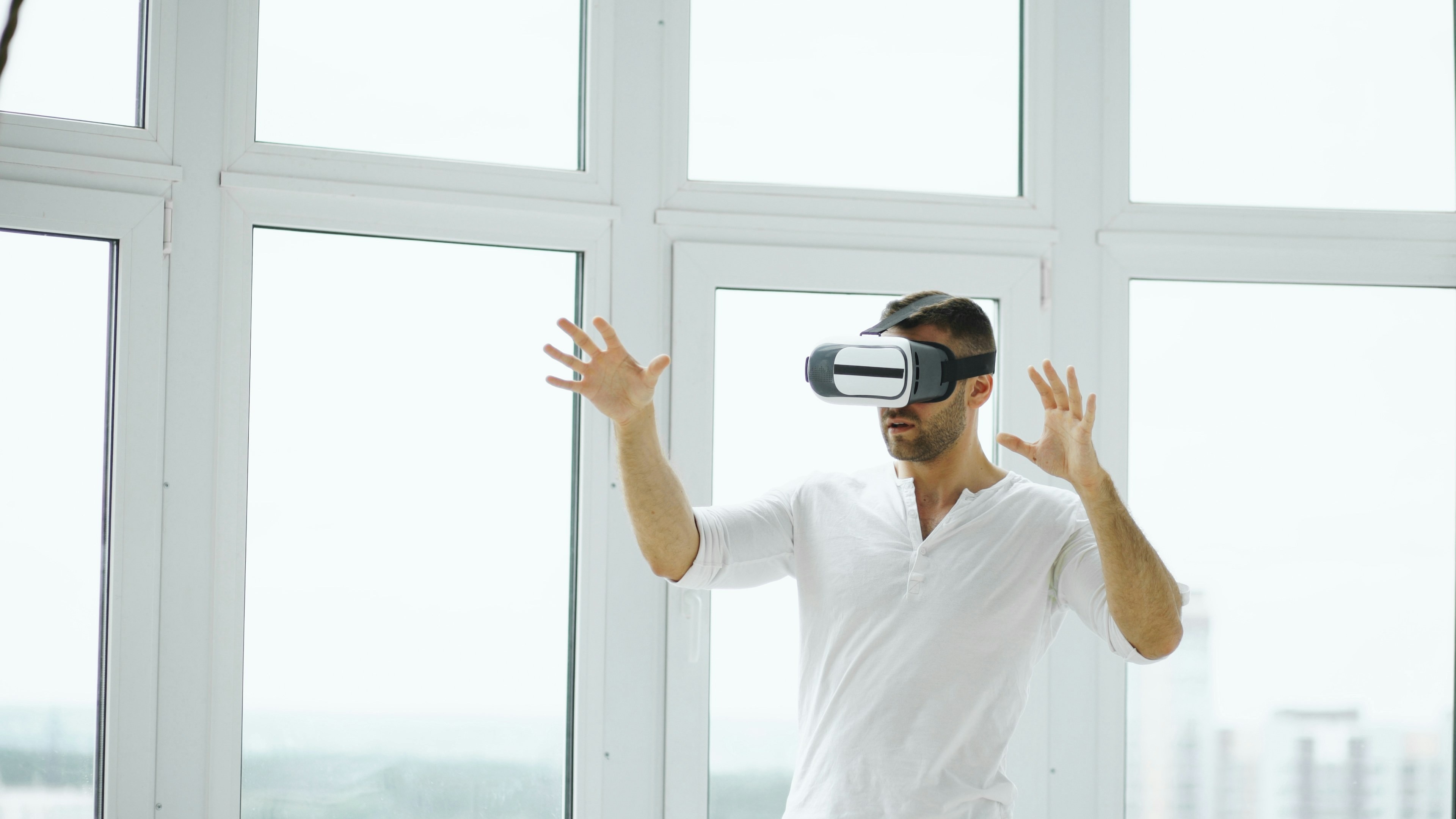
VR introduces an immersive learning environment where users can explore digital spaces and interact with virtual objects.
For example, students studying anatomy can explore a virtual representation of the human body, examining organs and body systems from different perspectives. Instead of relying only on static diagrams, they can experience the subject through a more interactive format.
This approach can help make complex concepts more accessible and memorable.
One of the main advantages of VR in education is its ability to turn learning materials into interactive experiences.
Students can explore historical settings, visit digital representations of landmarks, or experience environments that would otherwise be difficult to access.
Rather than simply reading about a subject, learners can become active participants in the learning process.
This can encourage curiosity and provide a different way to engage with educational content.
Some subjects require learners to understand how concepts work in real-world situations. VR can help bridge the gap between theoretical knowledge and practical application.
For example:
Medicine: Students can explore anatomical structures and practice simulated medical procedures.
Engineering: Learners can examine virtual environments and interact with simulated systems.
Aviation: Trainees can practice scenarios in a simulated environment before working with real aircraft.
These applications provide opportunities to develop familiarity with procedures and environments in a controlled setting.
Professional training can involve activities that are expensive, complicated, or potentially dangerous to practice in real life.
VR simulations allow learners to repeat certain tasks without directly exposing themselves or others to the risks associated with real-world practice.
Medical students, for instance, can rehearse surgical procedures in a virtual environment before working with actual patients. This can help them build familiarity and confidence as part of a broader training program.
VR does not replace real-world instruction or professional supervision, but it can provide an additional space for practice.
Immersive learning requires users to participate in the experience. They may need to move around, examine objects, make decisions, or complete simulated tasks.
This active involvement creates a different learning dynamic compared with simply watching a presentation.
The Cornerstone article also highlights research from PwC on VR soft-skills training. In that study, employees trained through VR reported an emotional connection to the training content that was 2.3 times greater than that of their e-learning peers.
This finding illustrates the potential of immersive learning to create a stronger connection between participants and training material. However, it should be understood within the context of the specific study rather than treated as a universal result for every VR program.
VR can be adapted to different learning objectives, depending on the content and the environment being simulated.
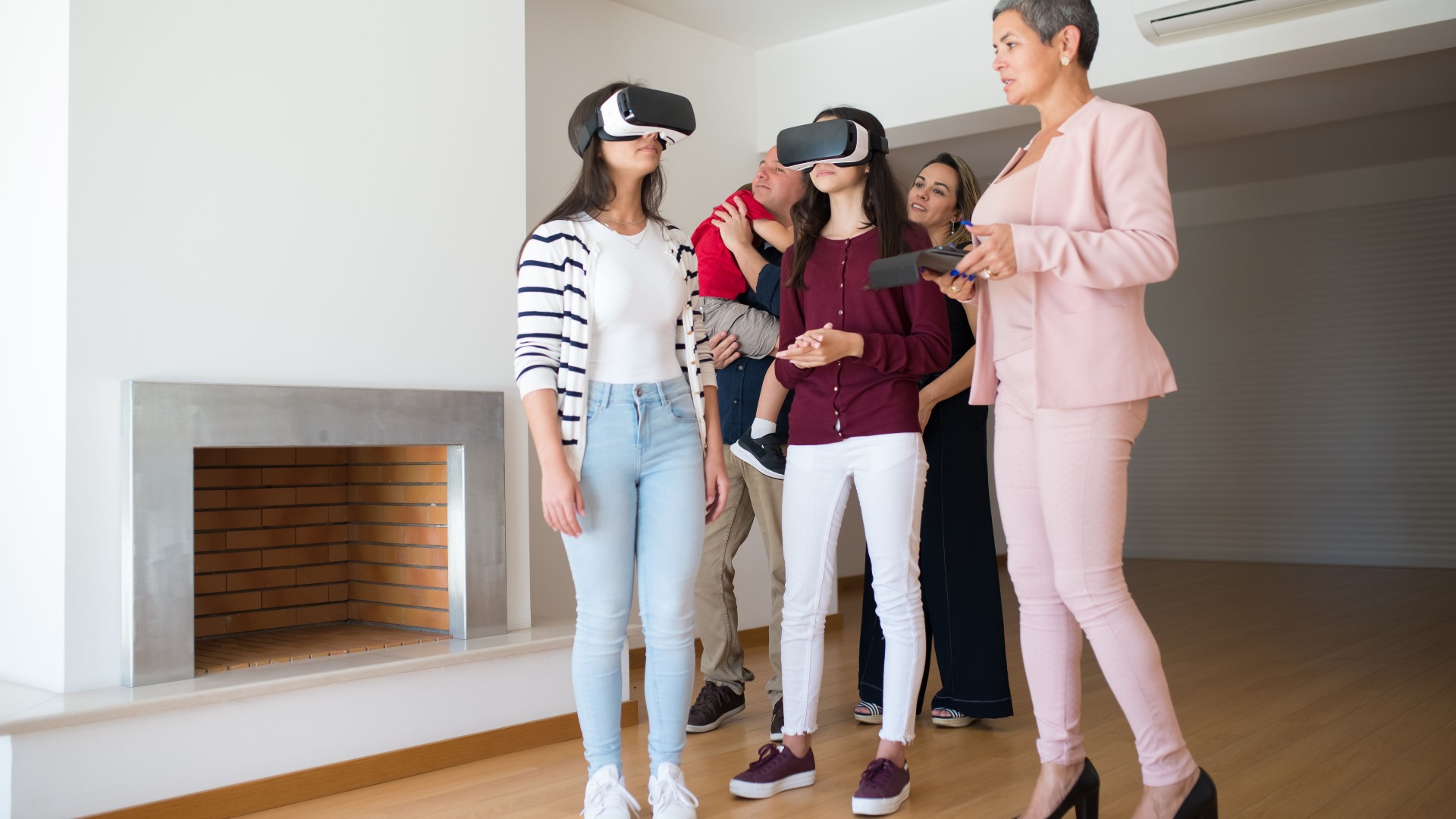
Educational institutions may use it to introduce complex subjects, while organizations can explore VR for professional development and skills training.
For example, a company could develop a simulated environment to help employees become familiar with a particular workplace scenario. Learners can then explore the environment and practice responding to different situations.
The effectiveness of this approach depends on how closely the simulation reflects the intended learning objectives.
Although VR offers several advantages, adopting it requires planning.
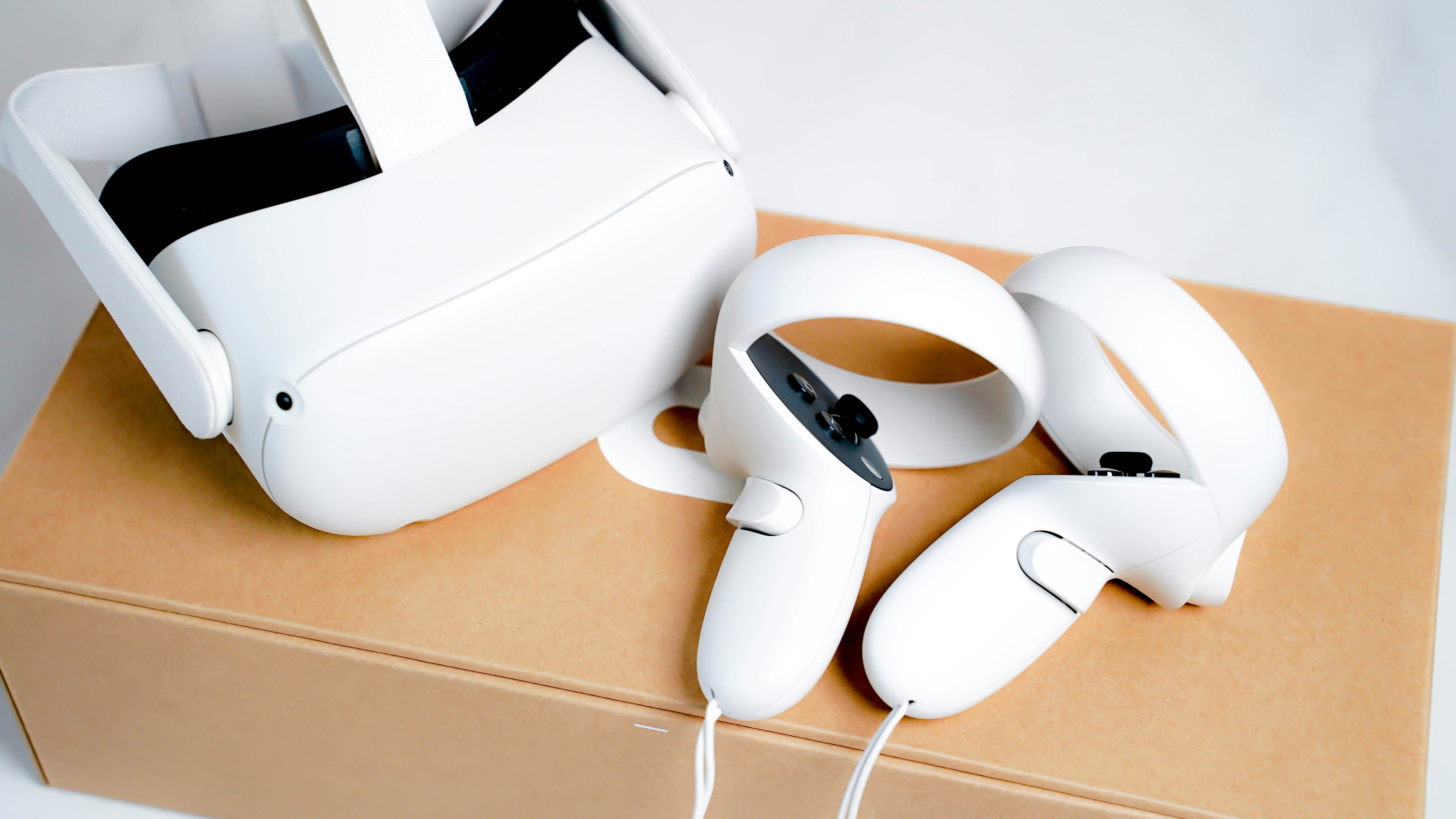
Organizations need to consider the availability and cost of headsets, the quality of the learning content, and whether the experience is appropriate for the skills being taught.
The virtual environment should also have a clear purpose. Immersion alone does not guarantee effective learning. The experience needs to be designed around specific objectives, relevant activities, and meaningful feedback.
Virtual Reality offers new possibilities for education and professional training by making learning more interactive, visual, and experiential.
Through simulations and immersive environments, learners can explore complex subjects, practice procedures, and connect theoretical knowledge with practical scenarios. When supported by well-designed content and appropriate instruction, VR can become a valuable addition to traditional learning methods.

Let's collaborate to turn your vision into an impactful digital success story.
Contact Expert