
Modern consumers want more than photos and descriptions—they want experiences. 360° virtual tours are helping real estate and retail businesses create immersive digital journeys that increase engagement, build trust, and drive conversions before customers ever visit in person.
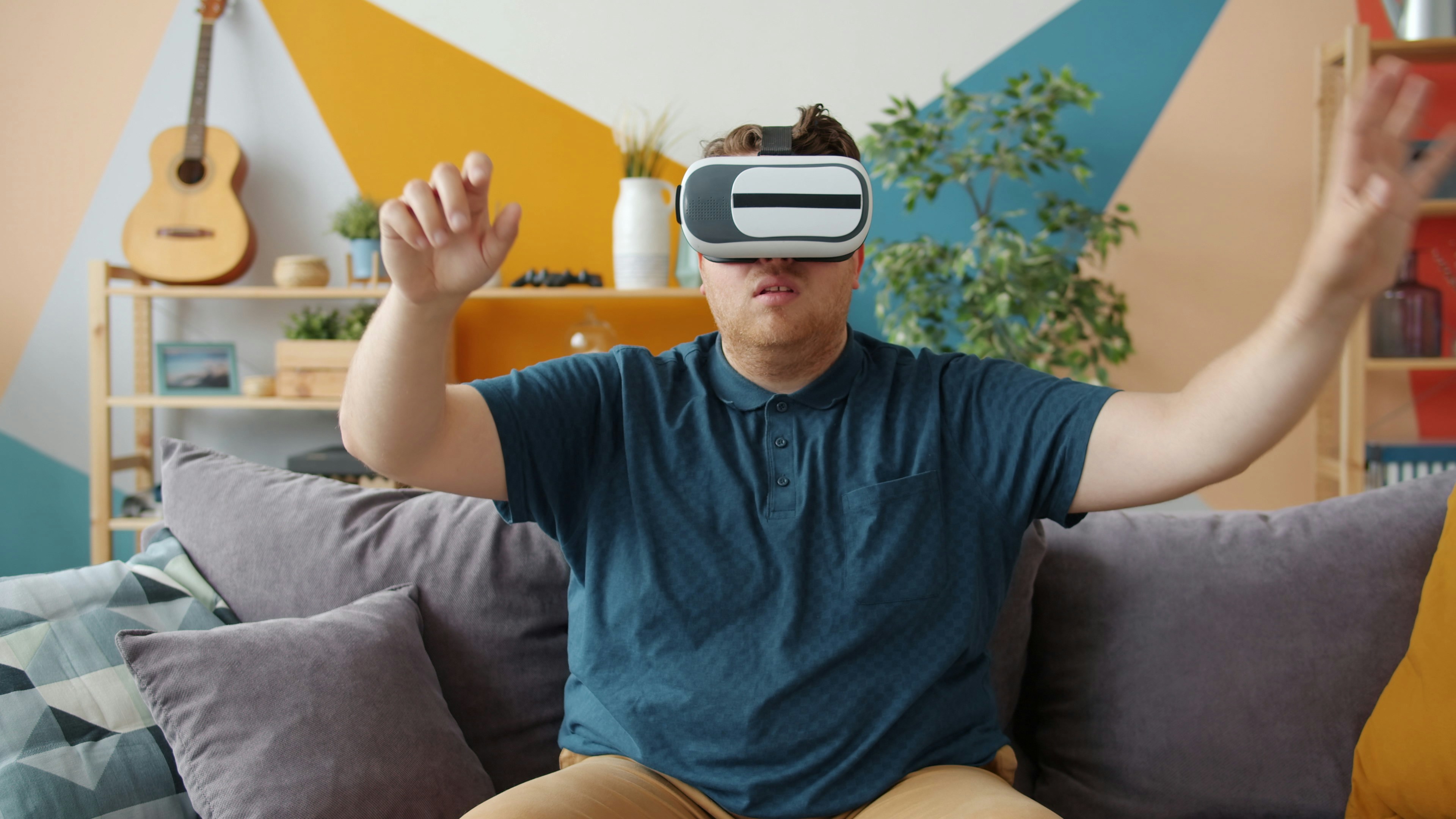
Source: Unsplash
In today's digital landscape, consumers expect more than static images when researching products, properties, or destinations. Before making a purchase or booking a visit, they want to explore, compare, and visualize the experience for themselves.
This shift has accelerated the adoption of 360° virtual tours, allowing users to navigate spaces interactively from any device. Instead of simply viewing content, visitors become active participants, creating a more engaging and memorable experience. Studies show that interactive virtual experiences can significantly increase time spent on a website and improve customer engagement.
For real estate businesses, virtual tours act as a digital open house available 24/7. Potential buyers can explore properties remotely, understand room layouts, and evaluate spaces before scheduling an in-person visit.
This helps attract more qualified leads while reducing unnecessary site visits. Virtual tours also make properties accessible to remote buyers and international investors, expanding market reach beyond geographical boundaries. Property listings with virtual tours often receive higher engagement and longer viewing times compared to listings that rely solely on photos.
Retail brands are also leveraging virtual tours to bridge the gap between physical and online shopping experiences.
Through immersive virtual showrooms, customers can browse products in context, explore store environments, and interact with products more naturally. Features such as clickable hotspots, product information, and direct purchasing options create a seamless path from discovery to conversion.
By helping customers better understand products before purchasing, virtual experiences can reduce uncertainty and improve confidence in buying decisions.
One of the biggest advantages of virtual tours is user control. Unlike traditional videos, where viewers follow a predefined sequence, virtual tours allow users to explore spaces at their own pace.
This sense of freedom creates deeper engagement and helps users form stronger emotional connections with products, properties, and brands. The result is a more immersive experience that encourages exploration and increases the likelihood of conversion. (
As digital experiences continue to evolve, 360° virtual tours are becoming an essential tool for businesses looking to stand out online. Whether used in real estate, retail, hospitality, or education, immersive experiences help brands showcase their offerings more effectively while building trust with potential customers.
For businesses seeking to improve engagement, expand reach, and create memorable customer experiences, virtual tours offer a powerful competitive advantage in an increasingly digital world.

Let's collaborate to turn your vision into an impactful digital success story.
Contact Expert