Discover how 360 virtual tours are helping real estate developers, hotels, and resorts create immersive customer experiences that increase trust, improve engagement, and drive faster booking and sales decisions
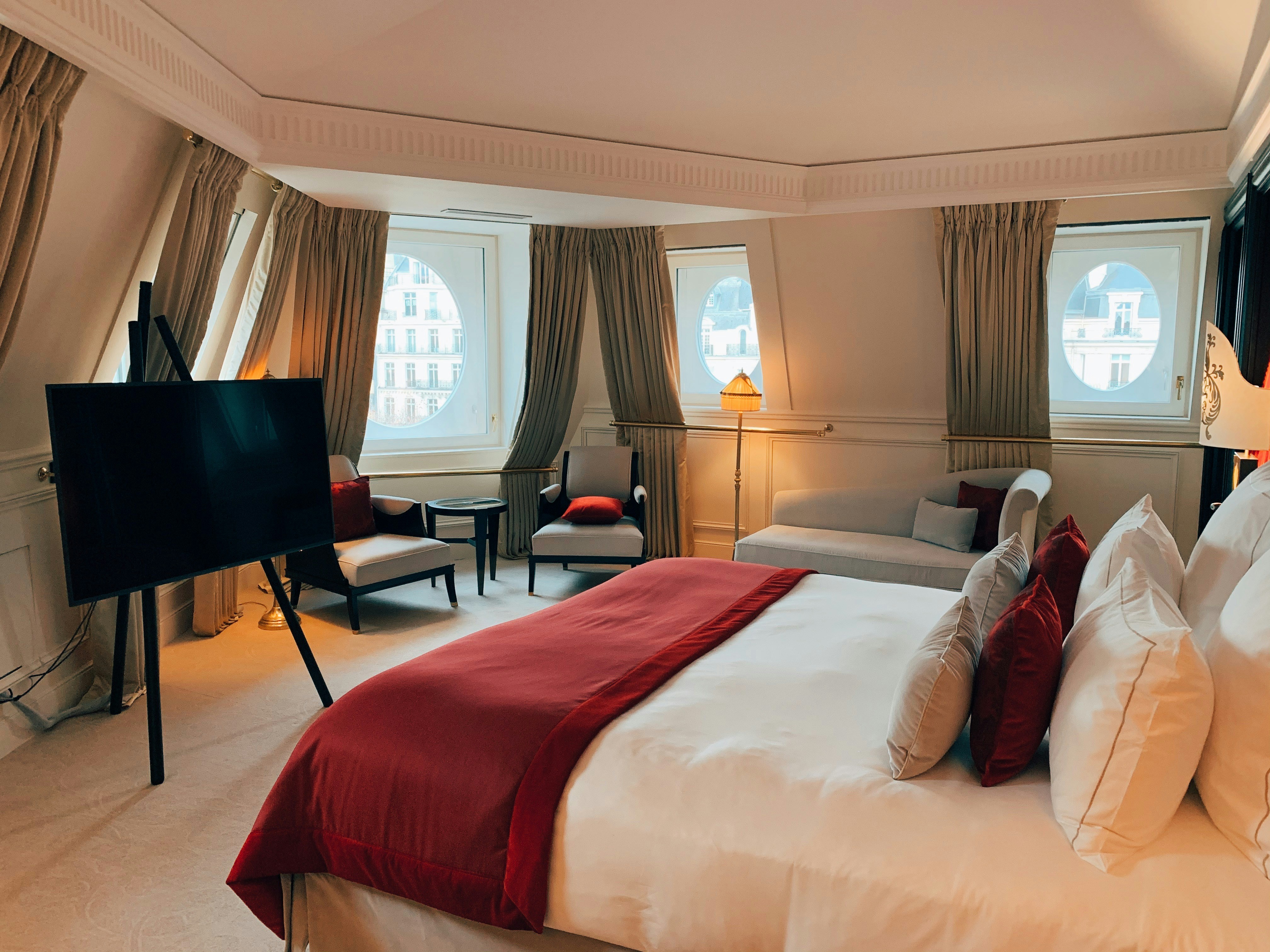
Source: Unsplash/Reisetopia
In today’s digital world, first impressions often happen online. Before visiting a property, booking a hotel, or attending a venue in person, customers typically spend hours researching online to compare options and build confidence in their decisions.
This shift in consumer behavior has made visual presentation more important than ever.
While professional photography and videos remain useful, they often fail to provide a complete understanding of a space. Customers want more than static images — they want immersive experiences that allow them to explore environments naturally and interactively.
This is why 360 virtual tours have become powerful tools for both the real estate and hospitality industries.
Unlike standard images or videos, virtual tours allow users to move freely through a space using their devices. Visitors can navigate rooms, inspect layouts, zoom into details, and experience the environment from multiple perspectives.
This interactive experience creates a stronger emotional connection and helps customers visualize themselves within the space.
For businesses, that translates into stronger engagement and higher conversion potential.
Property buyers and tenants rarely make decisions based on photos alone. They want to understand how a space flows, how rooms connect, and whether the property fits their lifestyle or operational needs.
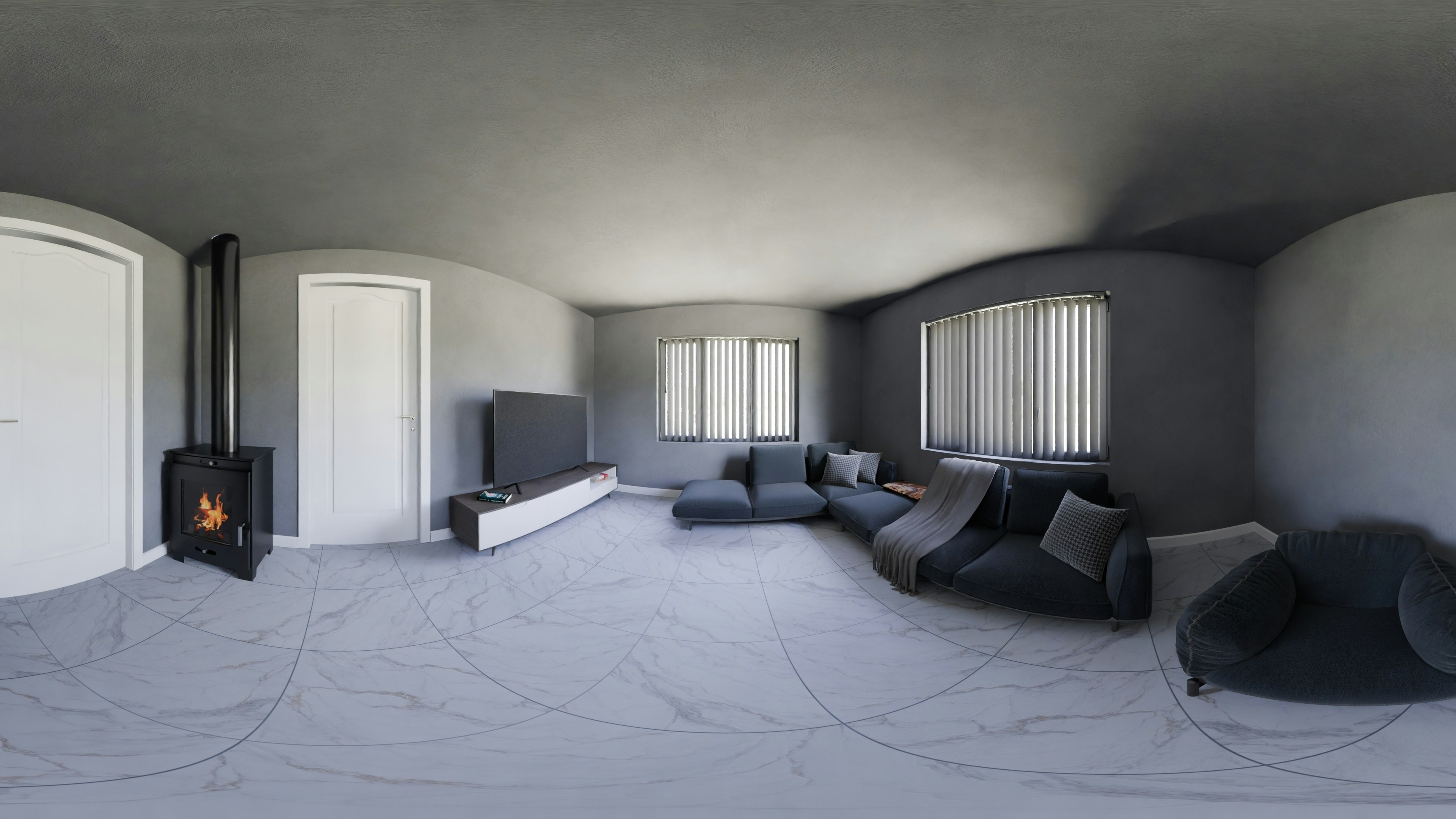
Virtual tours help solve this challenge by providing realistic digital walkthroughs of residential and commercial spaces.
Reduce unnecessary physical site visits
Attract international and out-of-town buyers
Improve lead quality
Increase confidence during pre-sales stages
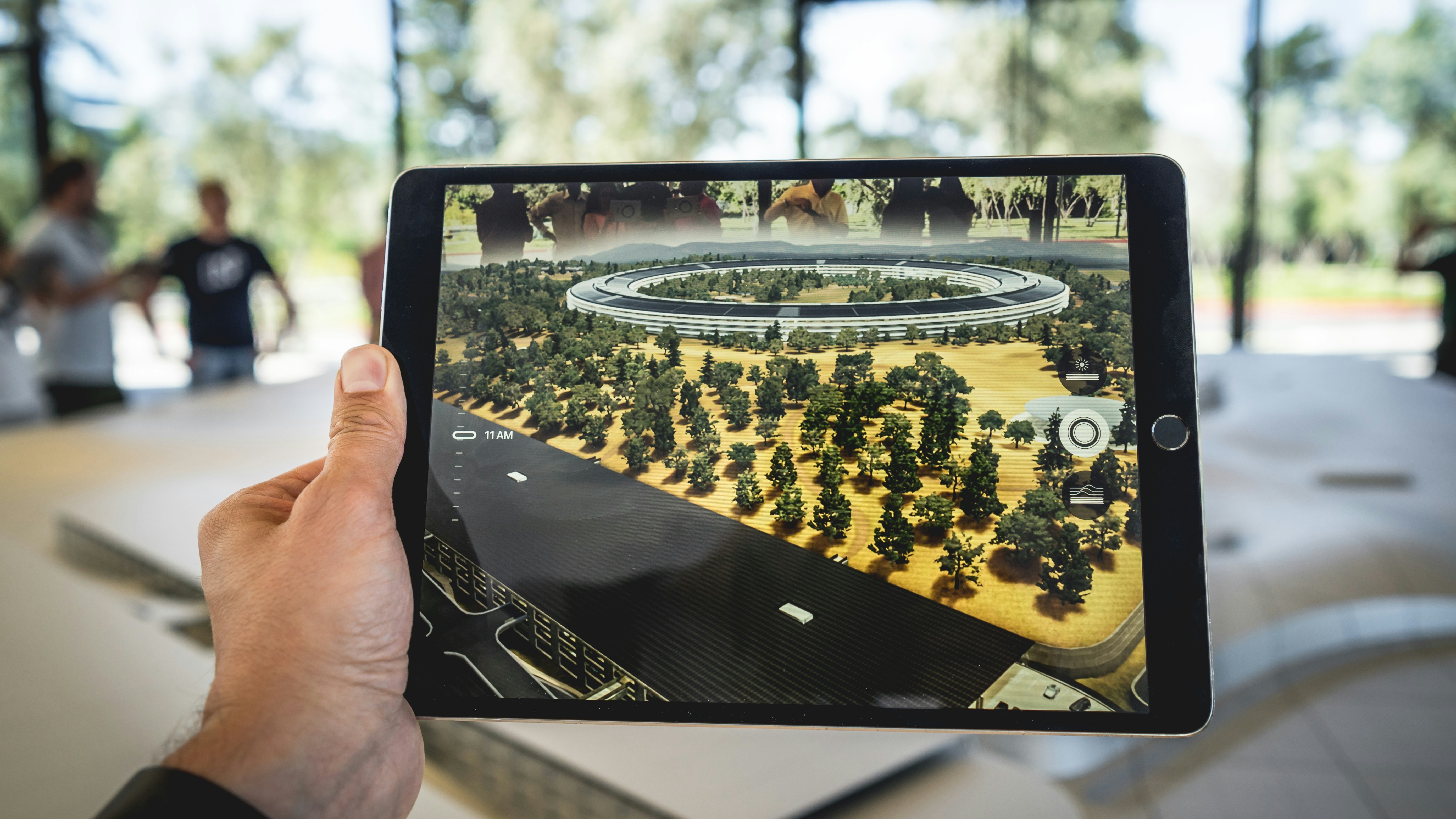
Showcase unfinished developments through immersive visualization
For commercial and industrial properties, virtual tours also help businesses evaluate layouts, accessibility, and operational suitability before scheduling in-person inspections.
The hospitality industry thrives on atmosphere and experience. Guests want to know exactly what they are booking before making reservations.
Hotels and resorts use virtual tours to showcase:
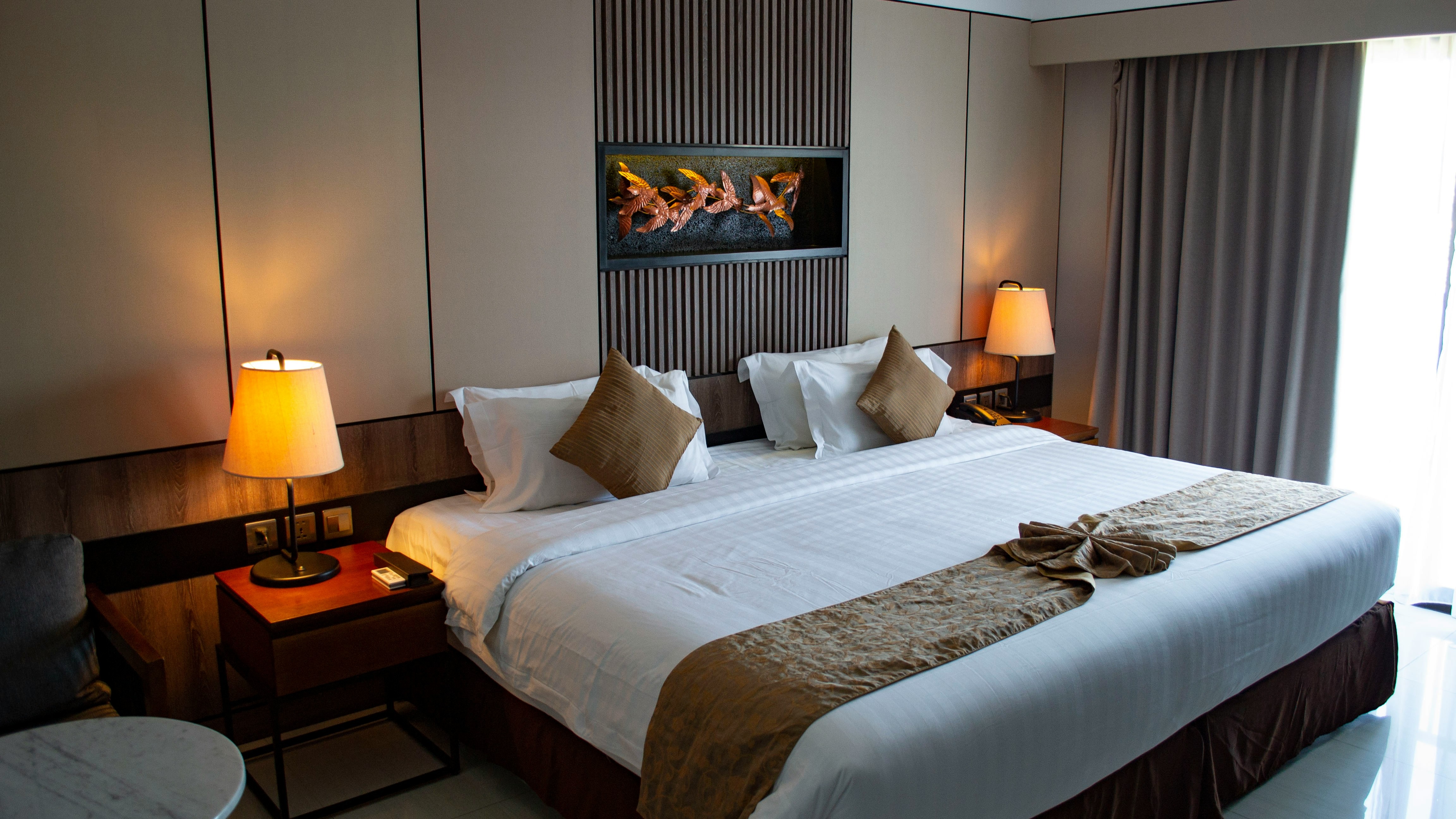
Guest rooms and suites
Restaurants and lounges
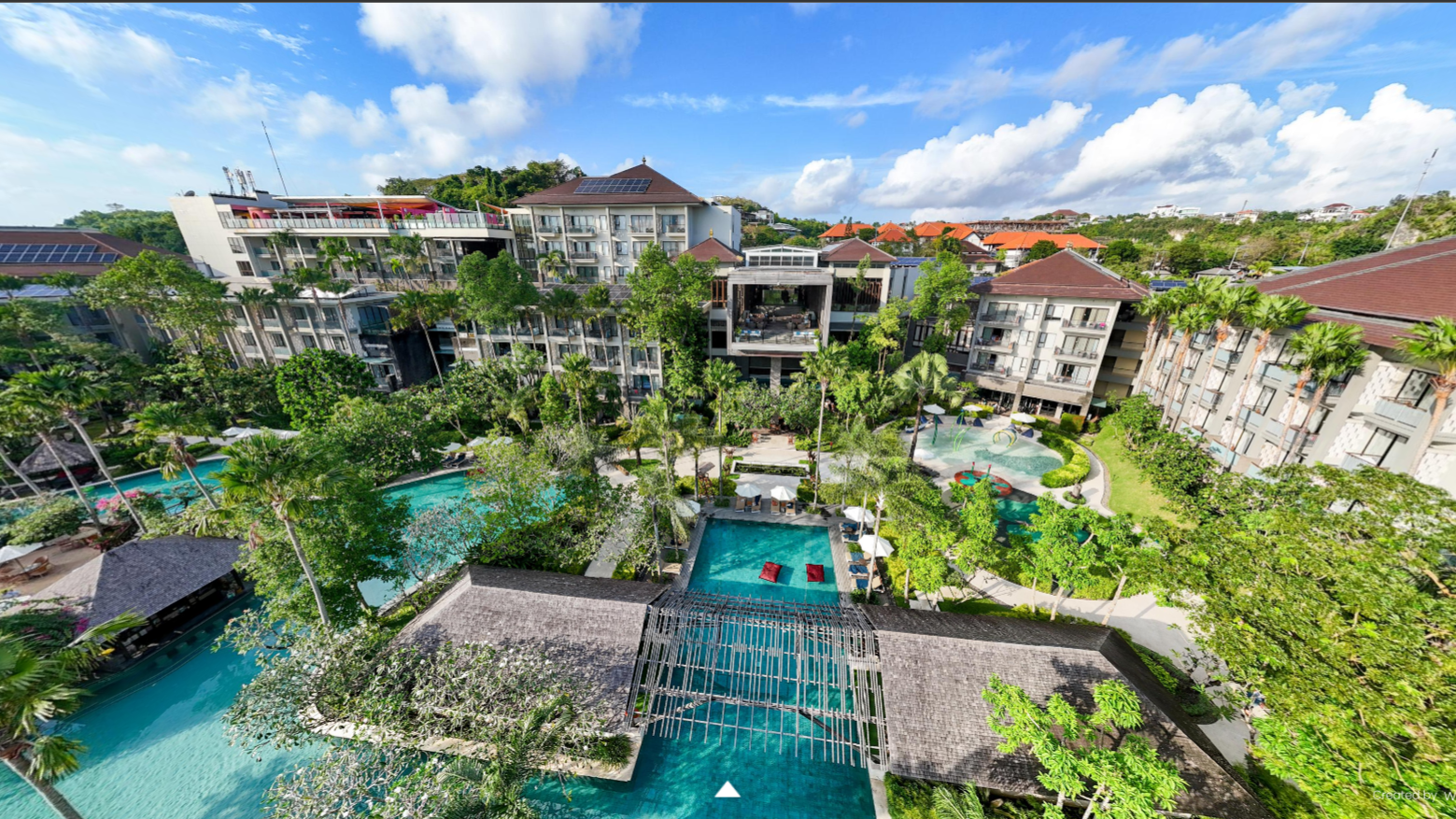
Pools and wellness facilities
Rooftop bars and scenic views
Event and meeting spaces
This transparency helps reduce uncertainty and encourages travelers to book directly with greater confidence.
Virtual tours are especially useful for weddings, conferences, and corporate events. Event planners can inspect venues remotely, share experiences with stakeholders, and make faster decisions without multiple site visits.
This shortens the sales process while improving communication between venues and clients.
One of the biggest advantages of virtual tours is trust.
Customers are more likely to engage with businesses that provide clear, realistic previews of their spaces. Instead of relying solely on carefully selected photos, users can independently explore environments and form genuine impressions.
This creates stronger credibility and reduces the gap between online expectations and real-world experiences.
As digital experiences continue evolving, immersive content is becoming an essential part of modern marketing strategies.
Businesses that invest in virtual tours are not simply following trends — they are responding to changing customer expectations. Consumers increasingly value convenience, transparency, and interactive experiences before making purchasing decisions.
For real estate developers, hotels, and resorts, virtual tours provide a powerful way to stay competitive in a crowded digital landscape.

Let's collaborate to turn your vision into an impactful digital success story.
Contact Expert