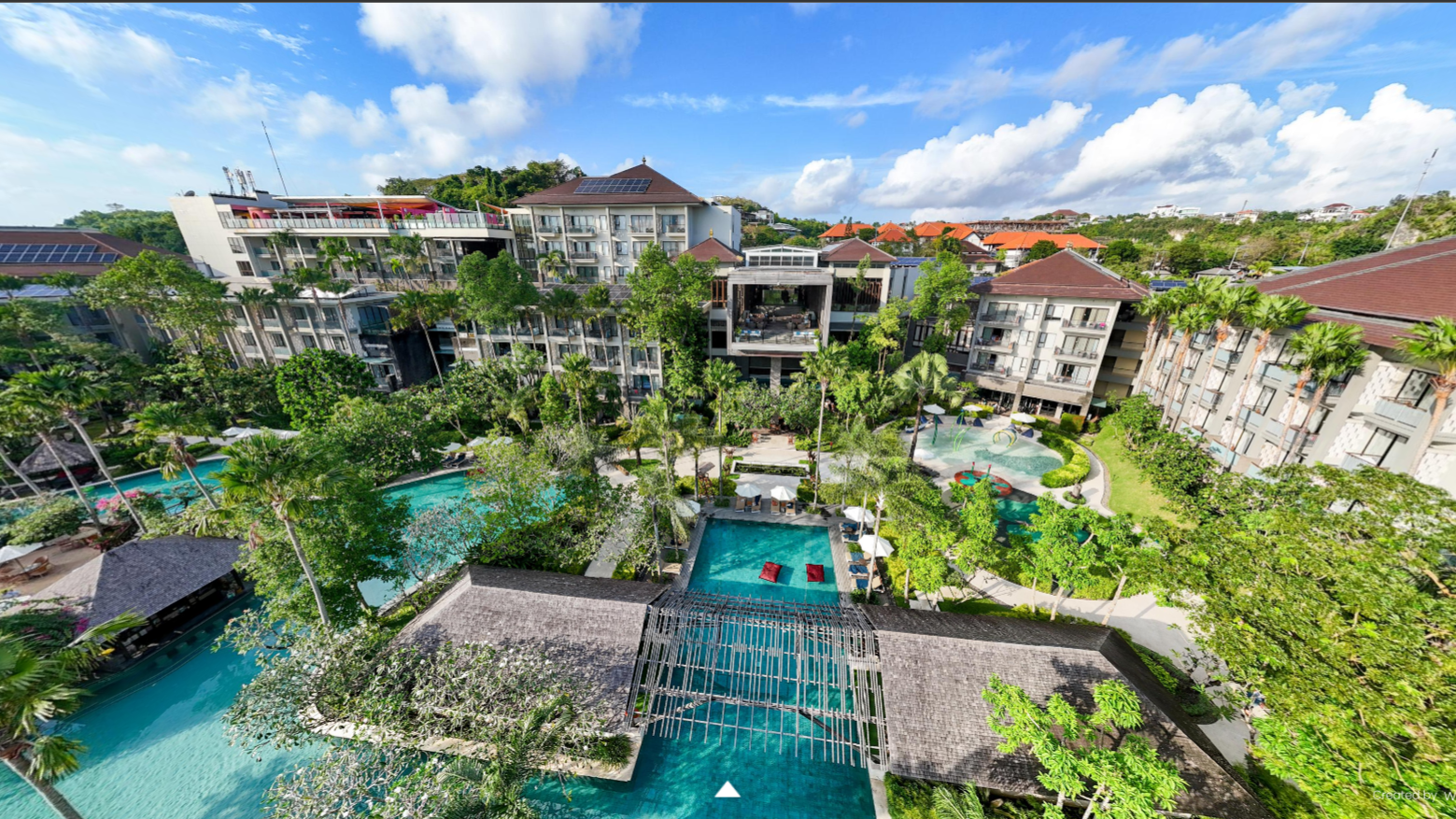
digital experiences. Using 360-degree images, 3D environments, and Virtual Reality technology, virtual tours allow users to navigate locations remotely and experience spaces more naturally than traditional photos or videos. Widely used in industries such as real estate, tourism, hospitality, and education, virtual tours help businesses increase engagement, improve customer trust, and present locations in a more modern and accessible way.
Source: Unsplash/Marius
In today’s digital era, people expect faster, more interactive ways to explore places without physically visiting them. This is where virtual tours have become increasingly important. From real estate and hospitality to education and tourism, virtual tours are transforming how businesses present spaces and connect with audiences online.
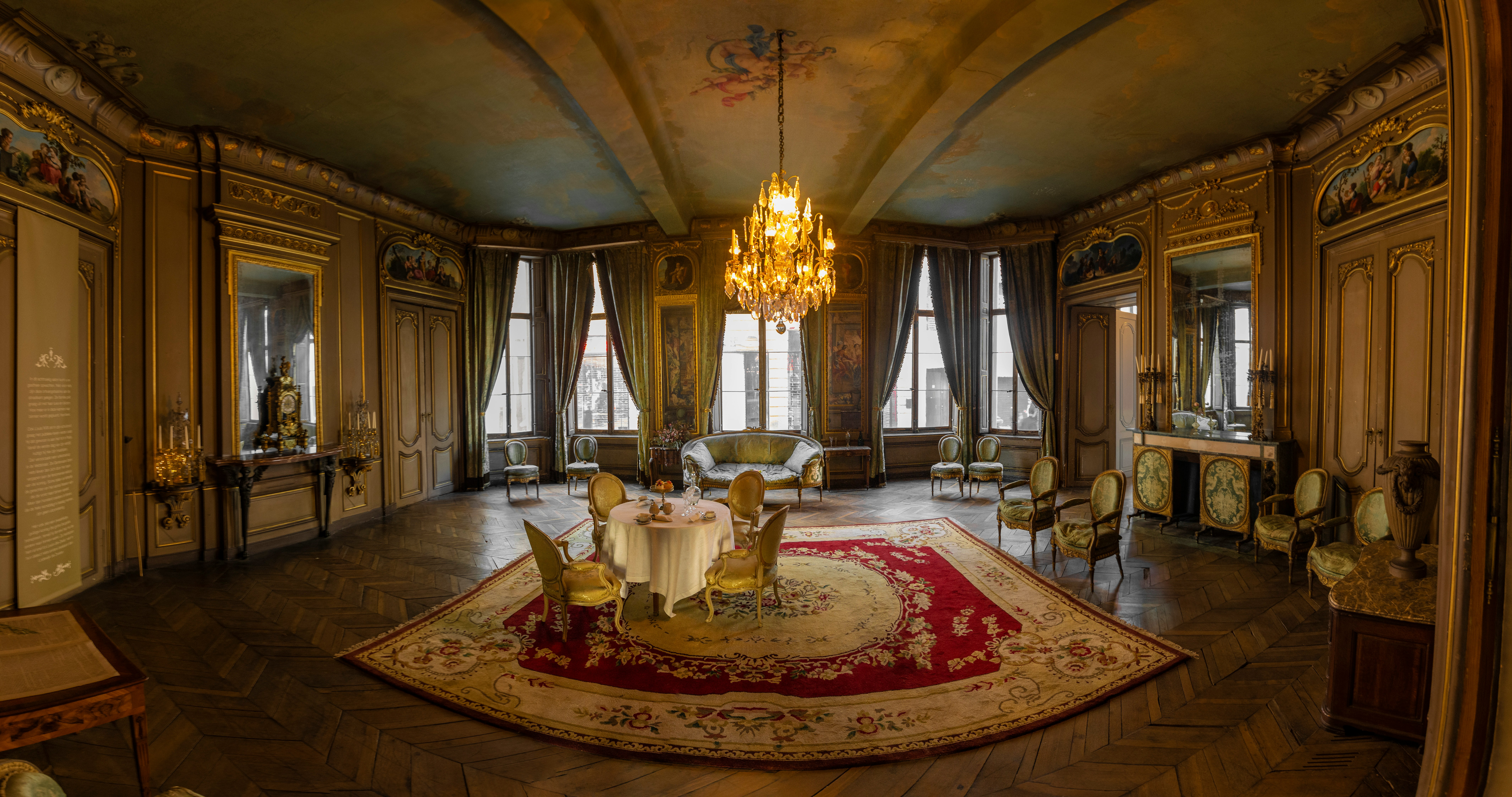
A virtual tour is an interactive digital simulation of a real-world location that allows users to explore spaces remotely. It is commonly created using 360-degree panoramic images, videos, or 3D-rendered environments combined with multimedia elements such as text, narration, music, and clickable hotspots. Unlike traditional photos or videos, virtual tours provide users with the freedom to control their own viewing experience by looking around in every direction and navigating between different areas.
The main purpose of a virtual tour is to recreate the feeling of physically being inside a location. Users can move through rooms, inspect details, and experience spaces more naturally compared to static images. This immersive experience helps businesses communicate information more effectively while creating stronger engagement with audiences.

Source: Unsplash/Vitaly Gariev
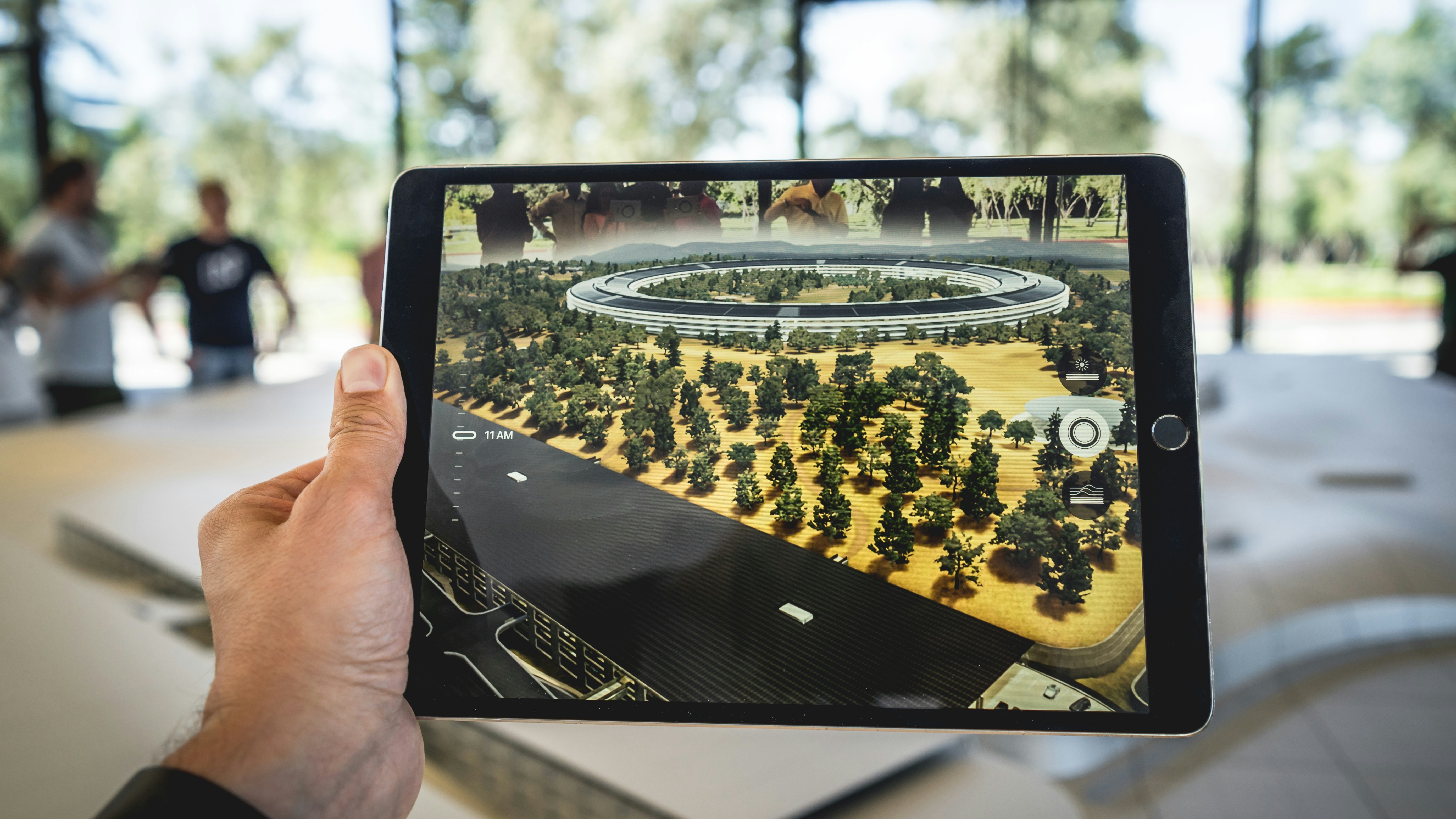
Virtual tours are typically built using 360-degree photography or computer-generated 3D environments. Multiple panoramic scenes are connected together through navigation points or hotspots, allowing users to move seamlessly from one area to another. Modern virtual tour platforms also support advanced interactive features such as embedded videos, floor plans, audio guides, animations, and Virtual Reality (VR) compatibility.
Because virtual tours are web-based, they can be accessed easily on desktops, tablets, smartphones, and VR headsets. This accessibility makes them a powerful marketing and presentation tool for businesses worldwide.

Source: Unsplash/Daniel Barnes
Although virtual tours and videos both showcase locations visually, they provide very different experiences. Videos are passive, meaning viewers can only watch what the creator decides to show. In contrast, virtual tours are interactive and place users in control of the experience. They can choose where to look, which room to visit, and how long to stay in a space.
This interactive element creates higher engagement because users feel more involved and connected to the environment they are exploring.
There are several types of virtual tours commonly used today:
The most popular format, created using panoramic photography that allows users to explore spaces in every direction.
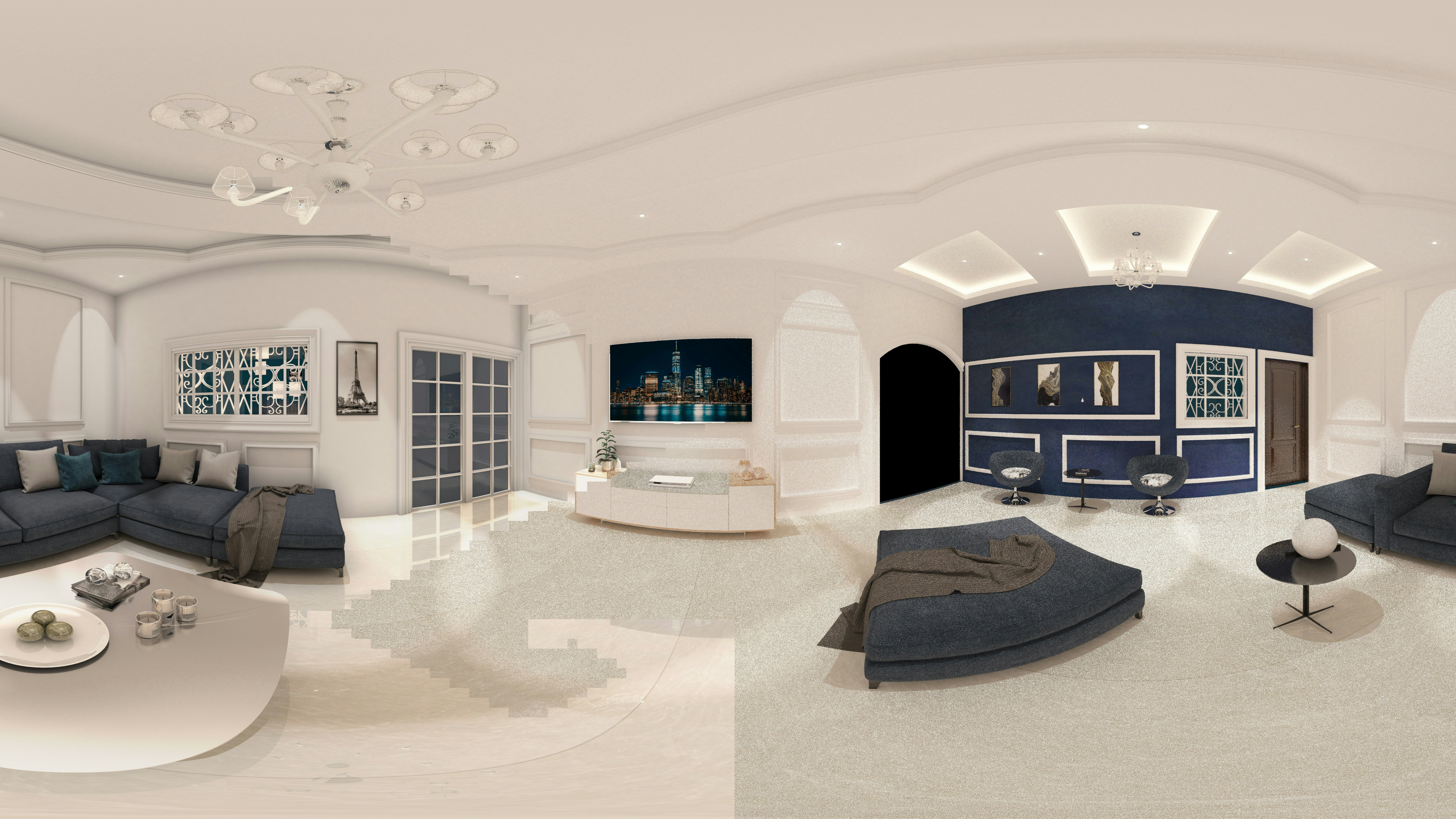
Often used in real estate, these tours create digital replicas of buildings or interiors, complete with dollhouse views and floor plan navigation.
Designed for VR headsets, these tours provide the highest level of immersion by placing users directly inside a fully interactive digital environment.
Source: Unsplash/Michael and Diane Weidner
Virtual tours provide many advantages for both businesses and users. They increase audience engagement, improve transparency, and help customers make more informed decisions before visiting a location in person. Businesses can showcase their spaces 24/7 to audiences worldwide without geographical limitations.
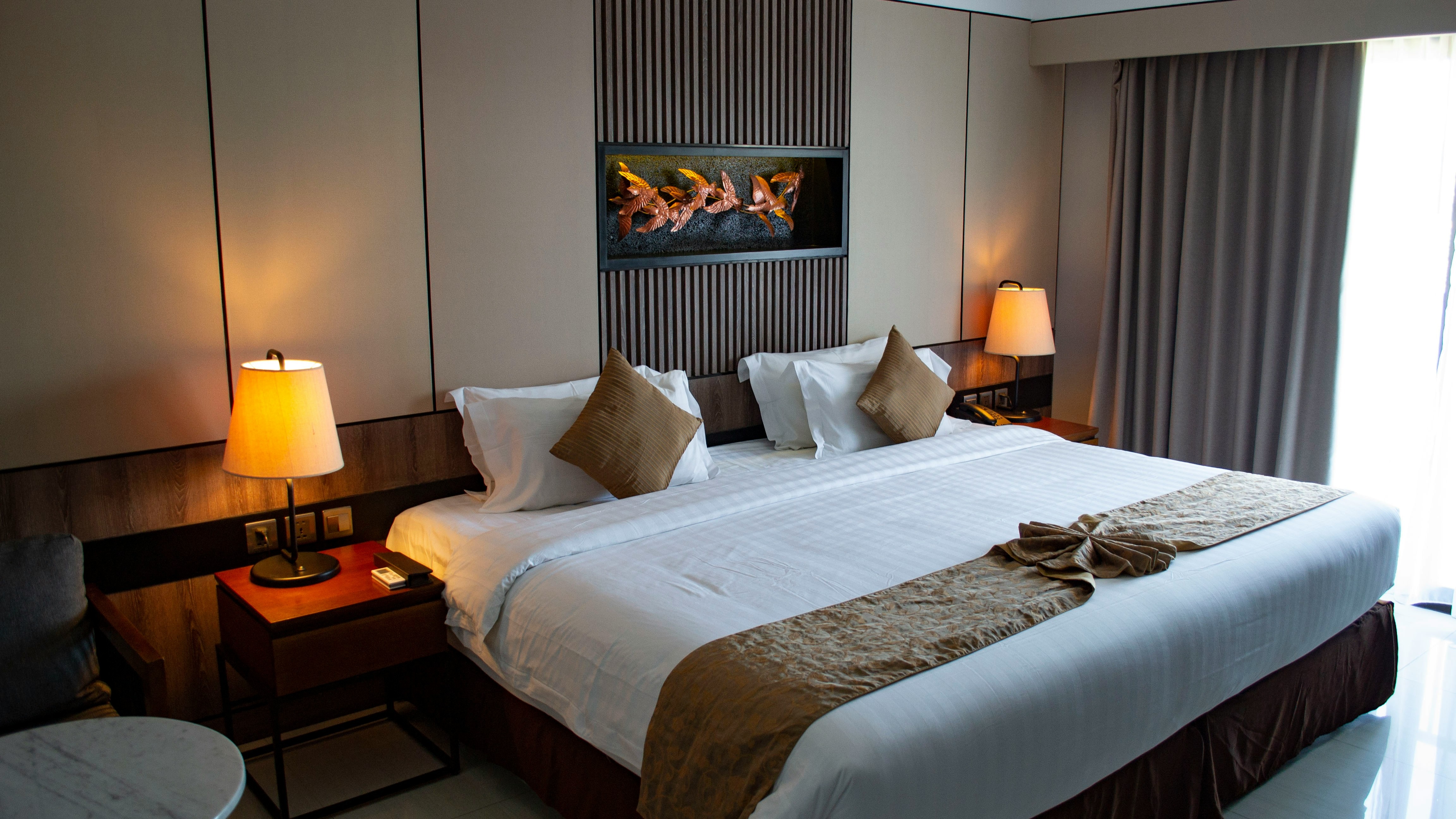
In industries like real estate, virtual tours help potential buyers explore properties remotely, reducing unnecessary site visits and improving sales efficiency. Hotels and resorts use virtual tours to give guests a realistic preview of rooms and facilities, while schools and museums use them to create accessible educational experiences.
As technology continues to evolve, virtual tours are becoming more advanced and immersive. Integration with Virtual Reality, Augmented Reality, and interactive web technologies is creating new ways for users to experience digital spaces. Businesses are increasingly adopting virtual tours as part of their marketing strategies to provide more engaging and modern customer experiences.
Ultimately, virtual tours bridge the gap between physical and digital spaces. They offer a more immersive, interactive, and informative way to explore environments remotely, making them an essential tool in modern digital communication and marketing.

Let's collaborate to turn your vision into an impactful digital success story.
Contact Expert