Architectural visualization has evolved beyond simple rendering into a powerful storytelling tool that helps architects, designers, and developers communicate ideas before construction begins. From photorealistic renderings and dreamy atmospheres to artistic watercolor sketches and futuristic cinematic visuals, each visualization style offers a unique way to present architecture, create emotion, and shape how audiences experience a space.

Source: Unsplash/Maarten Deckers
Architectural visualization has become an essential part of modern architecture and design. Long before a building is constructed, visualization allows architects, developers, and clients to experience spaces through realistic or artistic digital imagery. More than simply presenting a structure, architectural visualization helps communicate atmosphere, emotion, functionality, and design intent. With advancements in rendering technology, visualization styles have evolved into many different forms, each offering a unique way to tell a visual story.
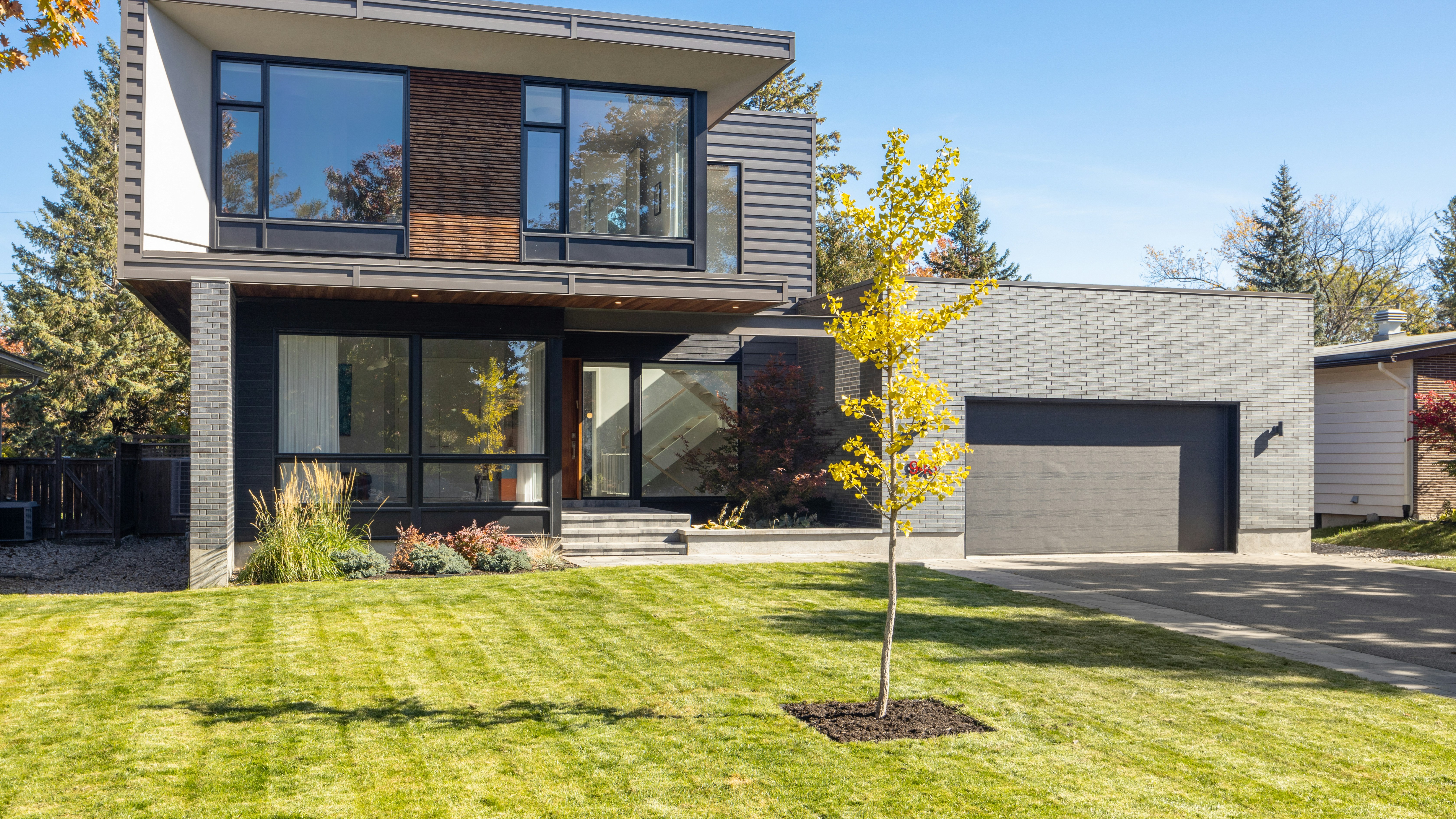
One of the most widely recognized styles is authentic photorealistic rendering. This approach focuses on creating visuals that closely resemble real-world photography. Every detail — from textures and reflections to lighting and shadows — is carefully crafted to achieve maximum realism. Materials such as concrete, glass, wood, and metal are rendered with high precision to simulate how they would appear in actual environments.
Photorealistic rendering is commonly used in real estate marketing, commercial presentations, and luxury developments because it allows clients to visualize projects as if they already exist. The realism helps build trust and emotional connection, making it easier for viewers to imagine themselves inside the space.
Another increasingly popular style is surreal semi-realistic visualization. Unlike photorealistic rendering, this approach combines realistic architecture with imaginative environments and artistic effects. Dramatic skies, cinematic lighting, and dreamlike landscapes are often added to create a stronger emotional atmosphere.
The goal is not only to present the architecture itself, but also to communicate a feeling or mood. This style is especially effective for conceptual projects, futuristic architecture, and creative competitions because it allows designers to push beyond real-world limitations and explore artistic possibilities.
The picturesque sketching and watercolor style offers a more artistic and handcrafted appearance. Inspired by traditional architectural illustrations, this technique blends digital rendering with pencil sketches, watercolor textures, and painterly effects.
Instead of focusing on perfect realism, the emphasis is placed on creativity and design expression. These visuals often feel softer, warmer, and more emotional than highly polished renderings. Architects frequently use this style during early design stages because it communicates ideas in a more flexible and conceptual way while still maintaining visual beauty.
Real-world visualization styles focus on authenticity by embracing imperfections. Rather than creating flawless environments, these renderings include realistic urban details such as weathered materials, street activity, worn textures, and natural environmental conditions.
Small imperfections make the visuals feel believable and relatable. This style is often used for urban architecture, mixed-use developments, and renovation projects where the goal is to show how a building naturally fits into an existing environment.
In contrast, utopian visualization styles present architecture in an idealized world. Buildings appear perfectly clean, landscapes are highly organized, and every visual element looks polished and futuristic. The environments are often bright, spacious, and free from imperfections.
This style is commonly used for visionary projects, smart cities, and large-scale developments where the focus is on innovation, aspiration, and future possibilities. Utopian renderings create a sense of optimism and perfection that helps audiences imagine what future living environments could become.
Dreamy architectural visualization styles focus heavily on emotion and atmosphere. Warm sunlight, glowing skies, soft shadows, vibrant flowers, and peaceful natural surroundings are often used to create feelings of comfort, relaxation, and happiness.
This style is especially popular in hospitality and residential architecture because it helps viewers emotionally connect with the lifestyle being presented. Luxury villas, resorts, hotels, and wellness spaces frequently use dreamy renderings to evoke calmness and serenity.
Nature-oriented renderings emphasize harmony between architecture and the environment. In this style, buildings are integrated seamlessly with forests, water, mountains, or greenery. Trees may grow through structures, vines may cover walls, and natural lighting is used to strengthen the relationship between built spaces and nature.
This visualization approach is highly effective for sustainable architecture and eco-friendly developments because it highlights environmental awareness and biophilic design principles.
Luminous design visualization focuses on openness, brightness, and spaciousness. Large windows, clean interiors, natural daylight, and soft lighting are used to create elegant and luxurious atmospheres.
The use of light becomes the defining visual element, helping interiors feel more expansive and inviting. This style is commonly used for premium apartments, luxury hotels, modern office spaces, and contemporary interior design projects.
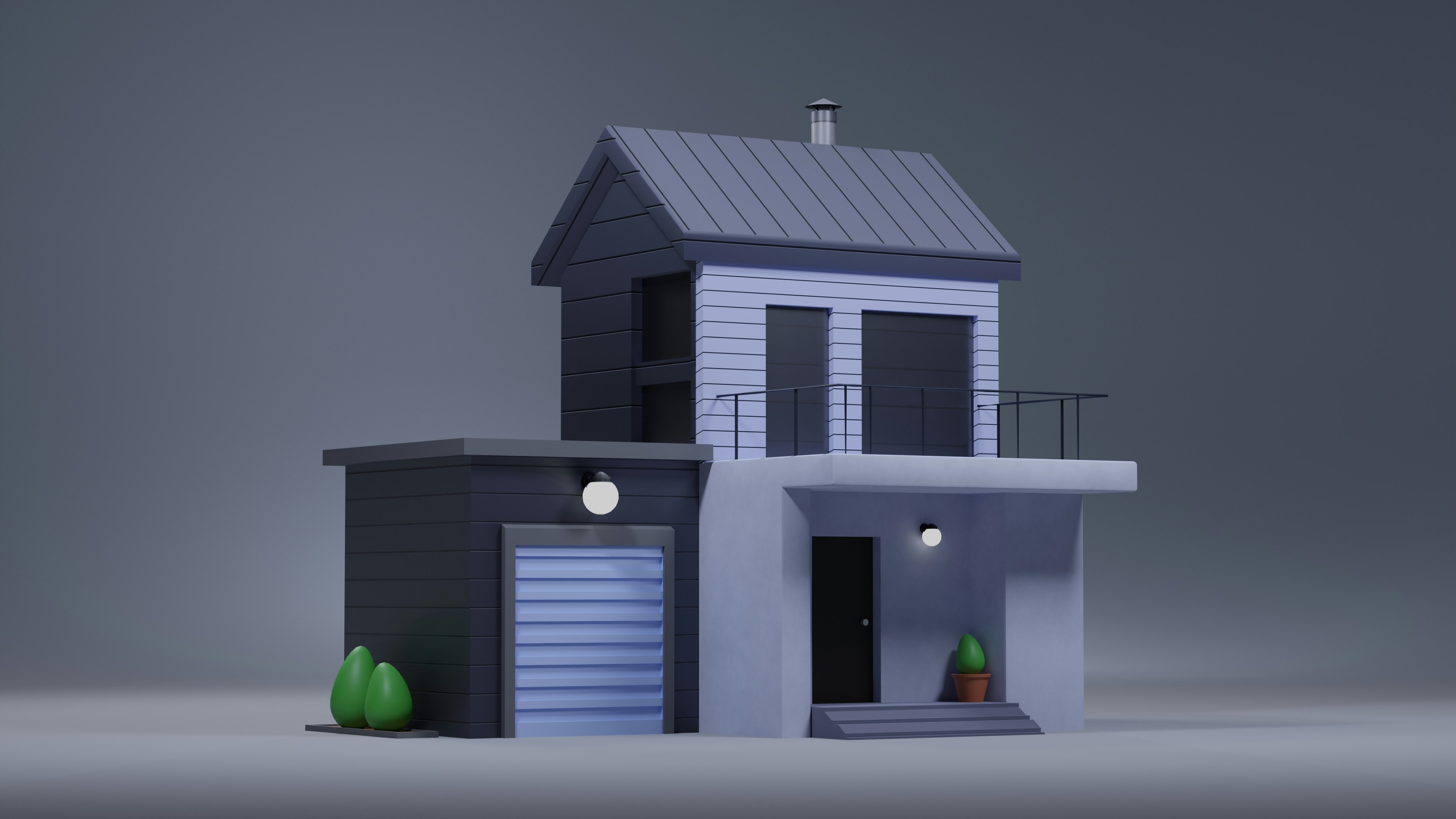
Some visualization styles take a more cinematic and dramatic direction. Futuristic or “Mad Max” inspired renderings use dark cityscapes, neon lighting, heavy contrasts, and bold architectural forms to create striking visuals.
These presentations often feel intense and visually powerful, placing the architecture at the center of a dramatic environment. Such styles are frequently used in entertainment architecture, sci-fi inspired projects, and conceptual urban developments.
Gothic or horror-inspired visualization styles create mystery and suspense through dark lighting, fog, dramatic shadows, and abandoned-looking environments. Although less common in commercial architecture, these styles can be highly effective for themed entertainment projects, historical presentations, or cinematic storytelling.
The use of atmosphere becomes the main storytelling element, helping create emotional tension and visual intrigue.
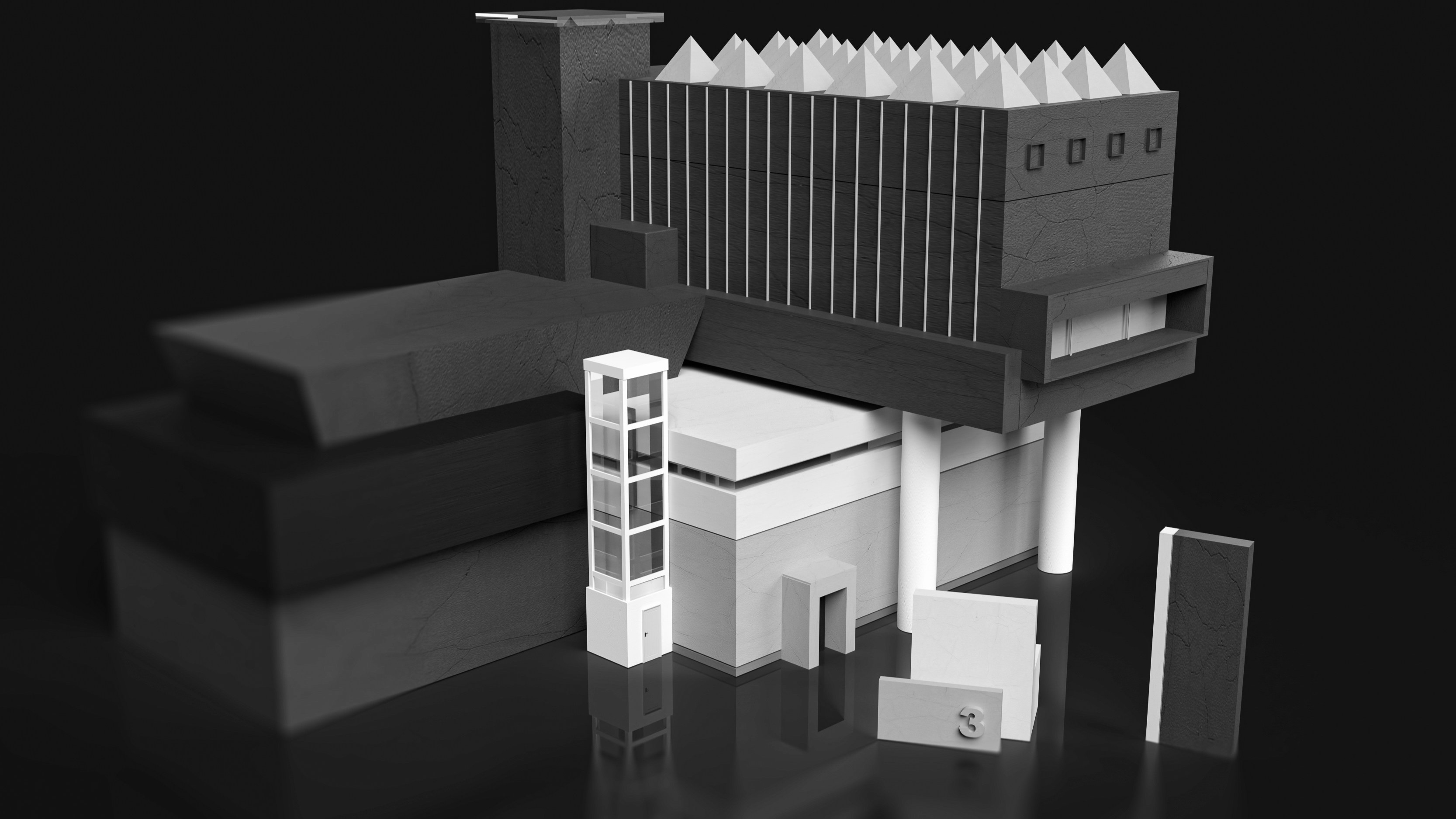
Collage visualization styles take a completely different approach by combining photography, illustrations, textures, typography, and graphic elements into one artistic composition. Rather than aiming for realism, collage renderings focus on creativity and visual experimentation.
Unexpected combinations of elements create dynamic and memorable images that communicate architectural ideas in unconventional ways. This style is often used in competitions, conceptual projects, and academic presentations where storytelling and artistic identity are prioritized over realism.
Source: Pexels/Mahmoud Ramadan
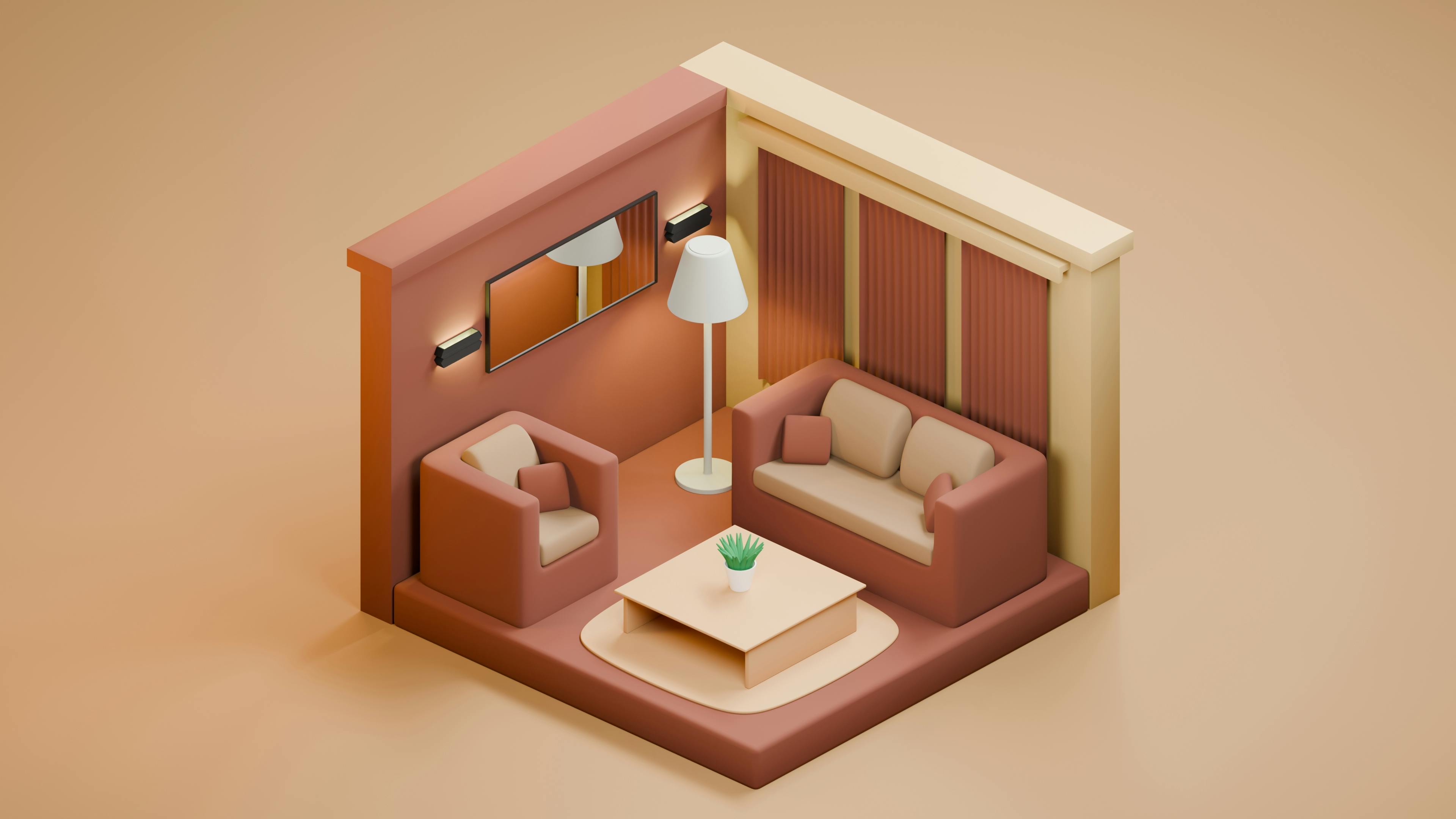
The evolution of rendering technology has greatly expanded the possibilities of architectural visualization. Modern software can now simulate realistic sunlight, reflections, weather conditions, materials, and atmospheric effects with incredible detail.
Architectural visualization is no longer just a technical tool; it has become a powerful medium for storytelling and communication. High-quality renderings help clients understand spaces, attract investors, support marketing campaigns, and create emotional engagement with audiences.
Ultimately, choosing the right architectural visualization style depends on the project’s goals, audience, and design philosophy. Some projects require realism and technical accuracy, while others benefit from artistic freedom and emotional storytelling. By understanding the strengths of each style, architects and visualizers can create images that not only showcase buildings but also inspire imagination and connection.

Let's collaborate to turn your vision into an impactful digital success story.
Contact Expert