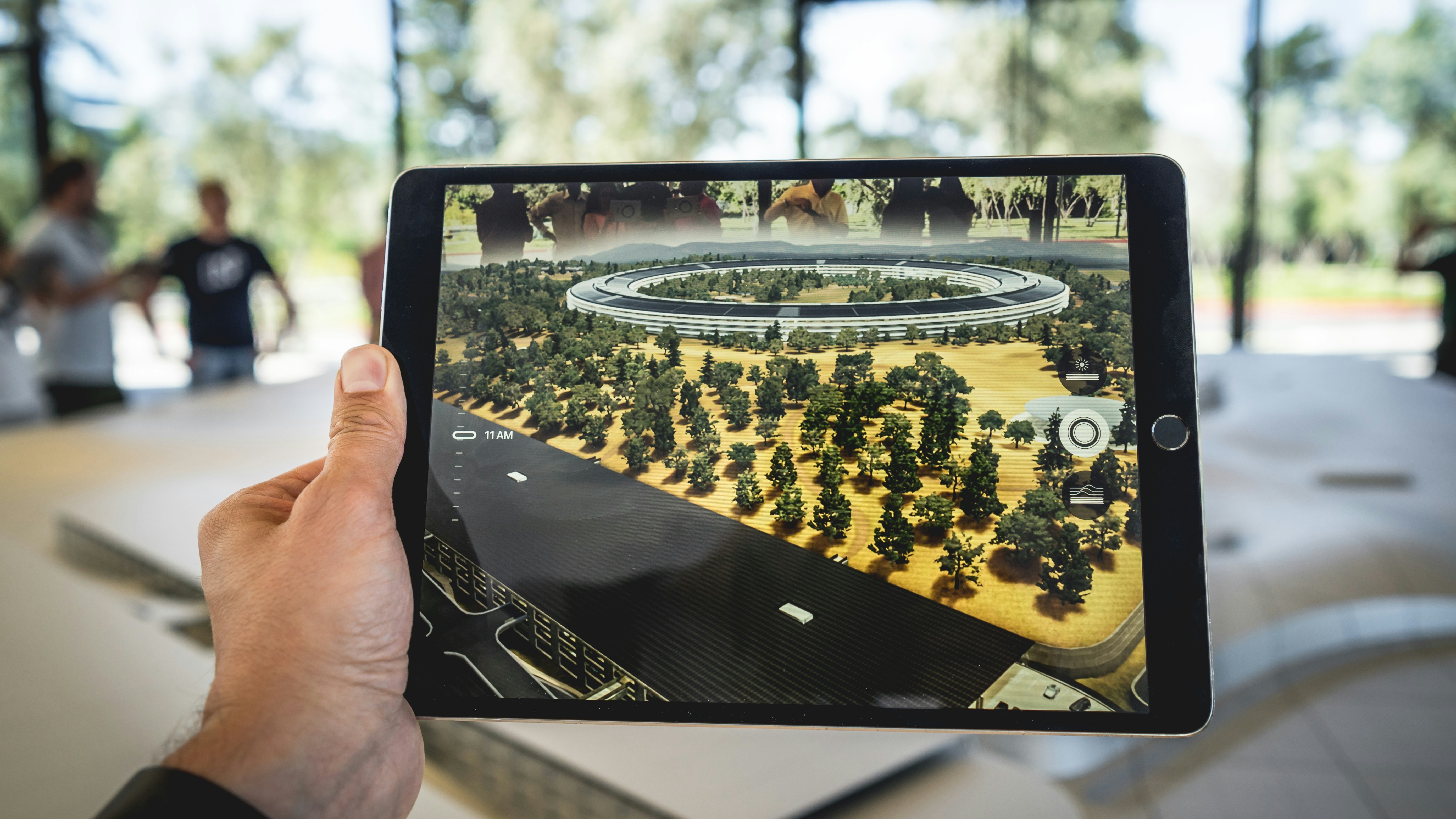
As consumer expectations evolve, businesses must go beyond static images and traditional marketing methods. Discover how 360° virtual tours are helping real estate and retail brands create immersive experiences, increase engagement, build trust, and drive higher conversions in today's digital-first marketplace.

Source: Unsplash/Dillon Kydd
In an increasingly digital world, businesses are competing for more than just visibility—they are competing for attention, trust, and engagement. Traditional marketing assets such as photos, brochures, and videos remain valuable, but modern consumers now expect richer and more interactive experiences before making a purchase decision.
This shift has fueled the growing adoption of 360° Virtual Tours, a technology that allows users to explore spaces online as if they were physically present. From luxury properties to retail showrooms, immersive virtual experiences are helping businesses connect with customers in more meaningful ways while improving conversion rates and decision-making.
Today's consumers are no longer satisfied with simply viewing products or properties from a few carefully selected angles. They want transparency, control, and the ability to explore on their own terms.
A 360° Virtual Tour transforms passive browsing into active exploration. Instead of scrolling through static images, visitors can navigate through a space, examine details, and experience the environment from multiple perspectives.
This interactive approach creates deeper engagement and encourages visitors to spend more time exploring, ultimately building confidence in their purchasing decisions.
Beyond creating engaging experiences, virtual tours also offer measurable digital marketing advantages.
Interactive content naturally keeps users engaged longer than static content. When visitors can explore a space room by room, they spend more time interacting with a website, which can positively influence search engine performance.
Users who actively engage with immersive content are less likely to leave immediately. This signals relevance and value to search engines while increasing opportunities for conversion.
High-quality virtual tours provide a realistic representation of a space. Unlike carefully framed photographs, immersive experiences allow customers to explore freely, creating a stronger sense of authenticity and trust.
As mobile browsing continues to dominate online traffic, virtual tours offer an intuitive experience through simple touch gestures, making them ideal for modern users.
The real estate industry has become one of the biggest adopters of immersive technology, and for good reason.
Virtual tours allow prospective buyers to thoroughly explore properties before scheduling an in-person visit. This helps filter out casual browsers and generates more qualified leads for agents and developers.
By the time a buyer requests a viewing, they already understand the layout, room flow, and overall atmosphere of the property.
Geographical barriers are no longer a limitation. Buyers and investors can inspect properties from anywhere in the world, reducing travel requirements and accelerating decision-making processes.
This is particularly valuable for international investors and out-of-town buyers who need confidence before committing to a property.
A virtual tour offers an uninterrupted view of a property, helping eliminate concerns about misleading photography or hidden flaws. This transparency can strengthen buyer confidence and simplify negotiations.
Retail is also undergoing a transformation as brands seek to recreate in-store experiences online.
Virtual tours allow customers to explore retail spaces from their devices, providing a more immersive shopping experience than traditional e-commerce catalogs.
Customers can move through a store, examine displays, and interact with products within a realistic environment.
Interactive hotspots can be integrated into virtual tours, allowing shoppers to click on products for additional information, pricing details, and direct purchase options.
This seamless connection between discovery and transaction creates a more engaging customer journey.
Products often make a stronger impression when presented within their intended environment.
Furniture retailers can showcase complete room settings, while fashion brands can communicate their identity through carefully designed retail spaces. This context helps customers visualize ownership and increases purchase confidence.
One of the key reasons virtual tours are so effective lies in the concept of user control.
Unlike videos, where viewers follow a predetermined sequence, virtual tours allow users to choose where to look, what to explore, and how quickly to move through a space.
This freedom creates a stronger emotional connection and encourages users to imagine themselves within the environment.
For real estate buyers, this can lead to a sense of ownership before a property is even visited. For retail customers, it recreates the excitement of exploring a physical store, making the shopping experience more memorable.
Successfully implementing virtual tours requires more than simply capturing 360° images. Businesses should consider virtual tours as part of a broader digital strategy.
Key factors include:
Seamless integration within existing websites
Fast loading speeds and optimized performance
Consistent branding and user experience
Mobile responsiveness across devices
Secure hosting and content management
When combined with strong web design and marketing strategies, virtual tours can become powerful tools for engagement, lead generation, and sales growth.
As customer expectations continue to evolve, immersive experiences are becoming less of a luxury and more of a necessity. Businesses that embrace 360° Virtual Tours gain a competitive advantage by offering transparency, convenience, and engagement that traditional content cannot match.
Whether showcasing a luxury property, a retail showroom, or a commercial space, virtual tours provide a digital experience that feels personal, interactive, and accessible from anywhere in the world.
In a marketplace where attention is increasingly difficult to earn, immersive technology offers businesses an opportunity to open their doors to customers 24 hours a day, seven days a week.

Let's collaborate to turn your vision into an impactful digital success story.
Contact Expert