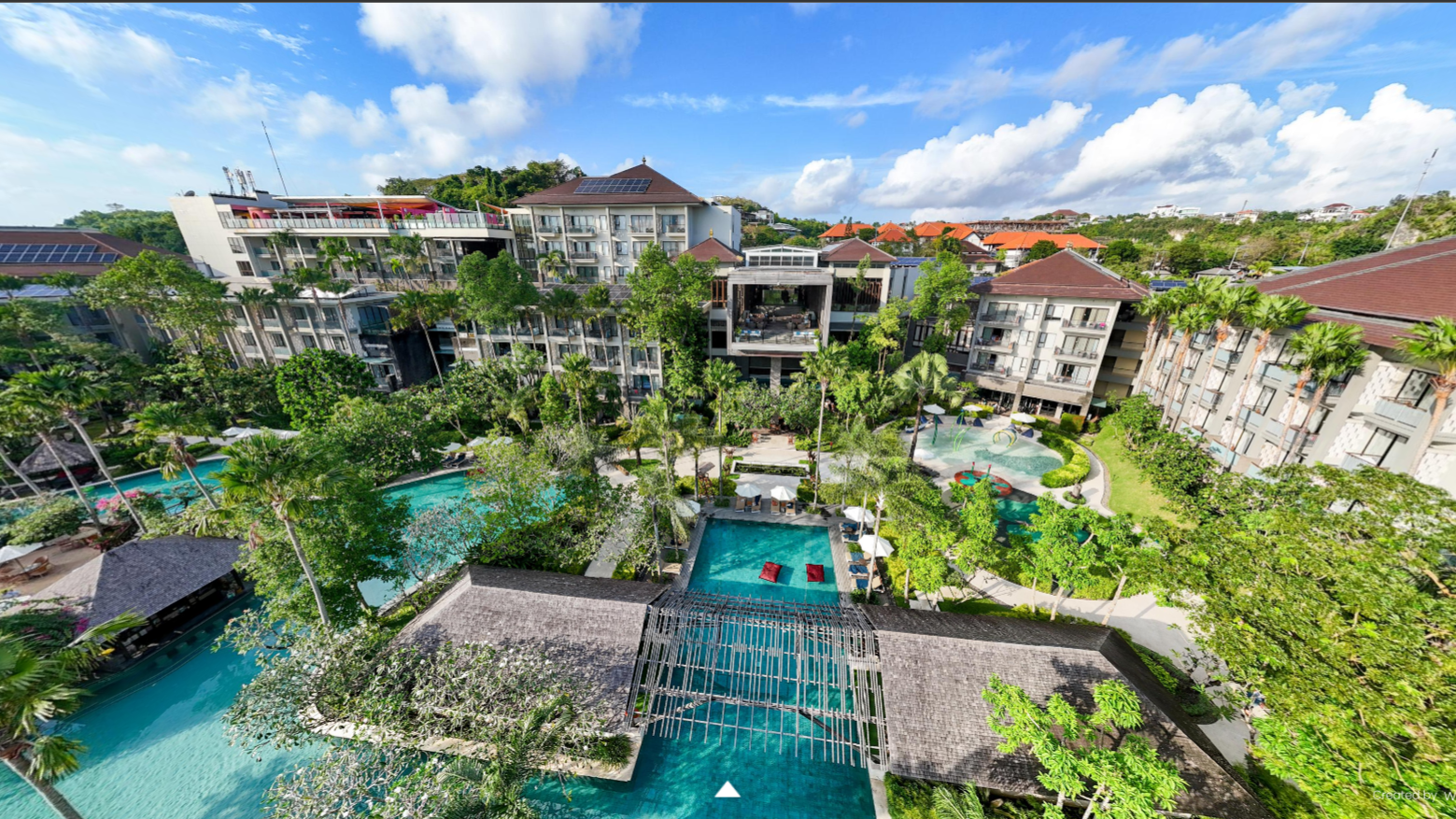
Interactive 360 virtual tours are transforming industries like real estate, architecture, hospitality, and retail by delivering immersive digital experiences. This guide explores how to create high-quality virtual tours, the best tools to use, and the strategies that improve engagement, build trust, and increase conversions.

Source: Unsplash/Vitaly Gariev
Interactive 360 virtual tours are transforming the way businesses present spaces online. From real estate and architecture to hospitality and retail, immersive virtual experiences help brands capture attention, build trust, and increase conversions.
Instead of relying on static images, businesses can now give users the ability to explore environments interactively—creating a more engaging and memorable experience.
In this guide, we’ll explore how to create high-quality interactive 360 virtual tours, the best tools to use, and the strategies that make virtual tours effective for marketing and customer engagement.
An interactive 360 virtual tour is a digital experience that allows users to navigate through a space from multiple viewpoints using a computer, smartphone, or VR headset.
Unlike traditional photography, users can:
Look around freely in every direction
Move between rooms or viewpoints
Interact with clickable hotspots
Experience spaces more realistically
This immersive format helps users feel physically connected to a property or environment before visiting in person.
Consumer behavior has shifted toward experience-driven decision-making. People no longer want to simply see a space—they want to explore it.
Interactive content keeps visitors on your website longer and increases user interaction.
Virtual tours help buyers make faster and more confident decisions by reducing uncertainty.
Clients can explore properties, hotels, showrooms, or commercial spaces from anywhere in the world.
Immersive experiences position your brand as modern, innovative, and customer-focused.
There are two primary ways to create interactive virtual tours:
These tours use 360-degree photography of existing spaces.
Authentic representation
Faster production for completed spaces
Ideal for hotels, retail, and finished properties
Dependent on lighting and staging
Difficult to modify after capture
Cannot showcase unbuilt projects
These tours are built using 3D visualization software.
Full creative control
Perfect for pre-construction projects
Easy customization of materials, layouts, and furniture
Consistent lighting and environmental conditions
This makes 3D-rendered tours especially valuable for architects, developers, and interior designers.
A virtual tour should feel intuitive and effortless.
Use clear hotspot indicators
Keep navigation simple
Avoid excessive transitions
Ensure smooth mobile responsiveness
The easier the experience, the longer users will engage.
Slow-loading tours increase bounce rates.
Compress files without sacrificing quality
Use progressive loading
Optimize assets for mobile devices
Test across browsers and devices
Fast-loading tours create a more professional experience.
Interactive features increase engagement and improve user understanding.
Information popups
Product details
Floor plans
Embedded videos
Call-to-action buttons
These features turn passive viewers into active participants.
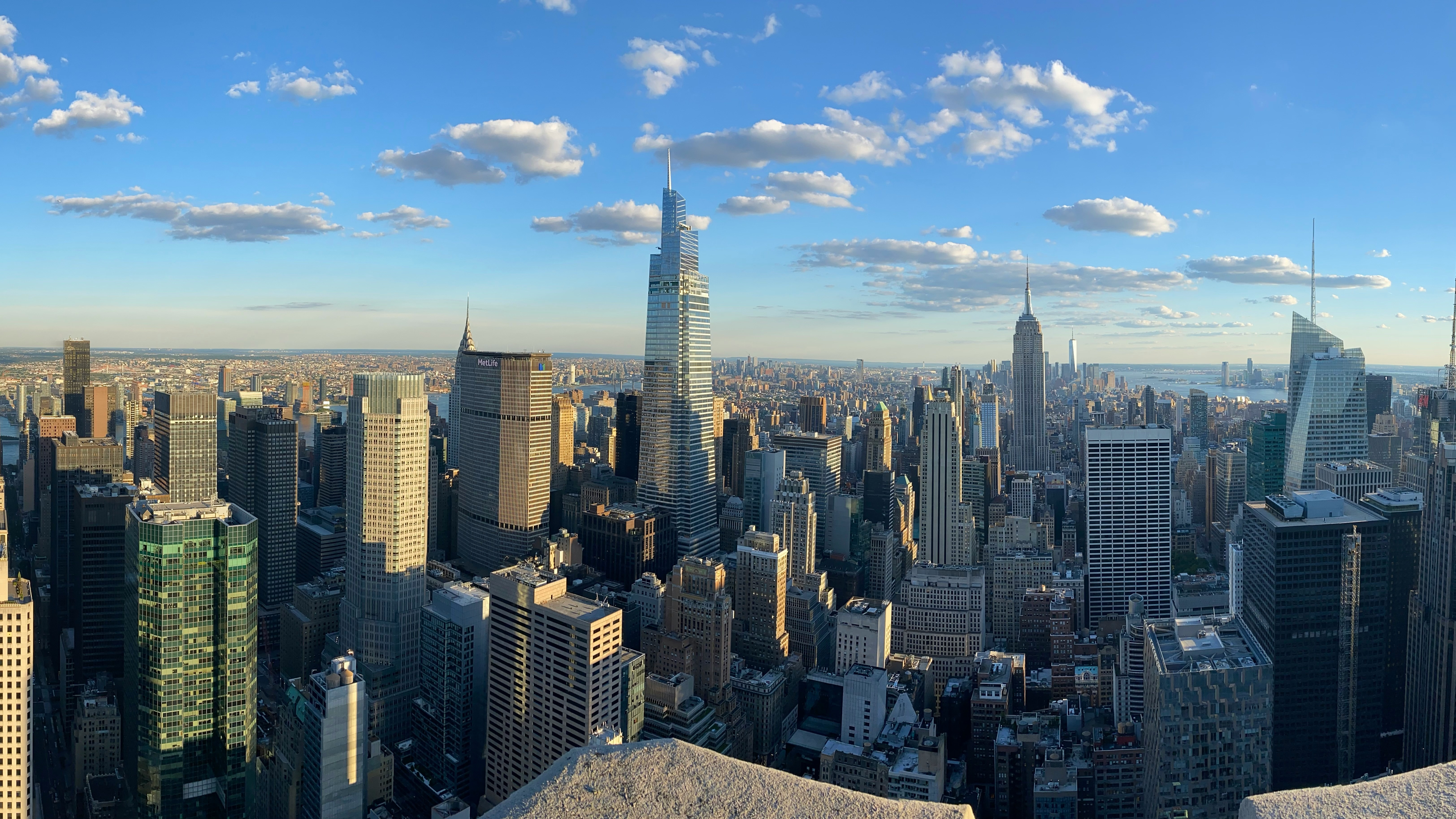
Virtual tours:
Increase listing visibility
Reduce unnecessary site visits
Support remote property sales
Improve buyer confidence
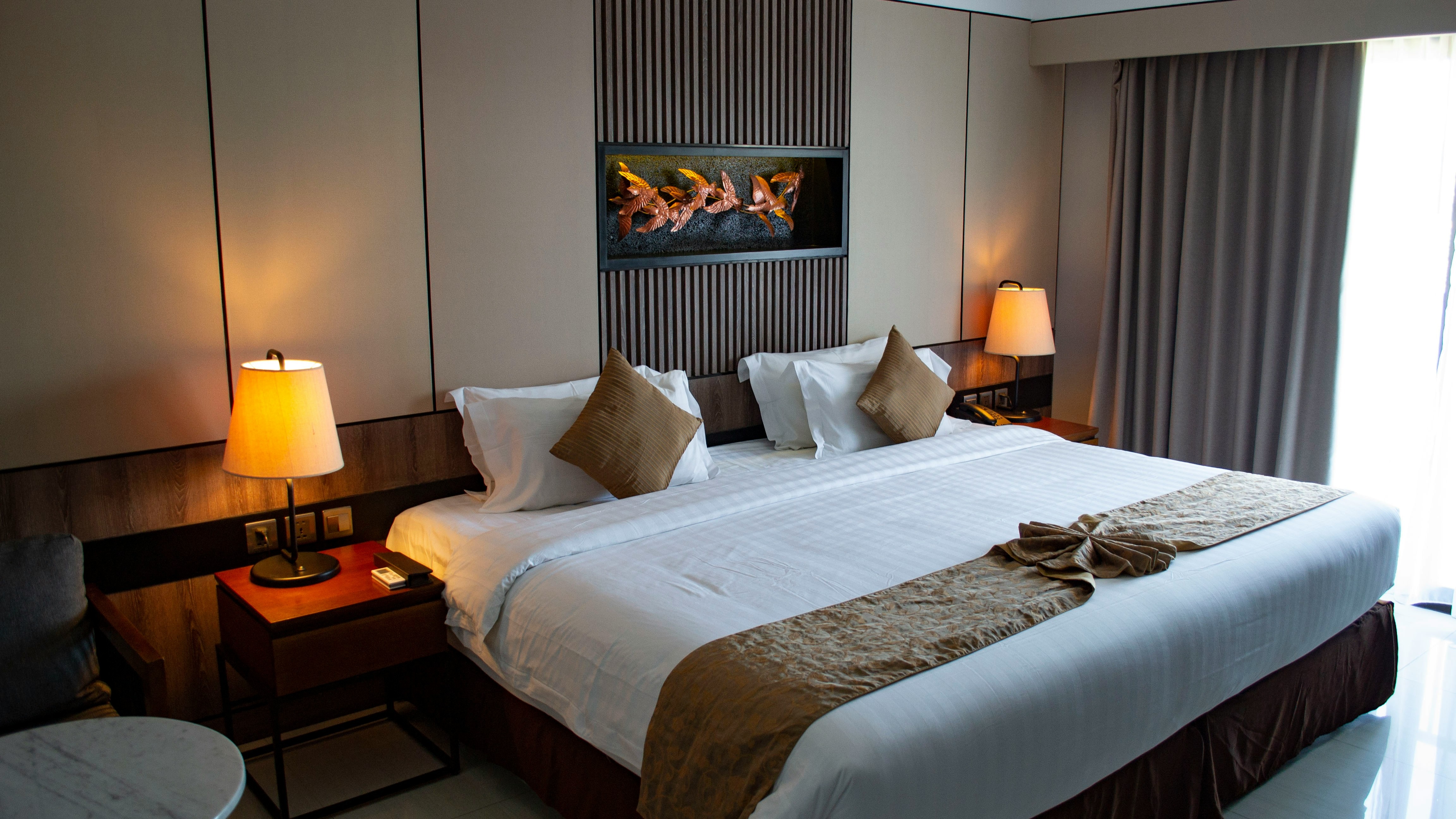
Hotels use virtual tours to:
Showcase rooms and amenities
Increase booking confidence
Improve direct website conversions
Reduce guest uncertainty
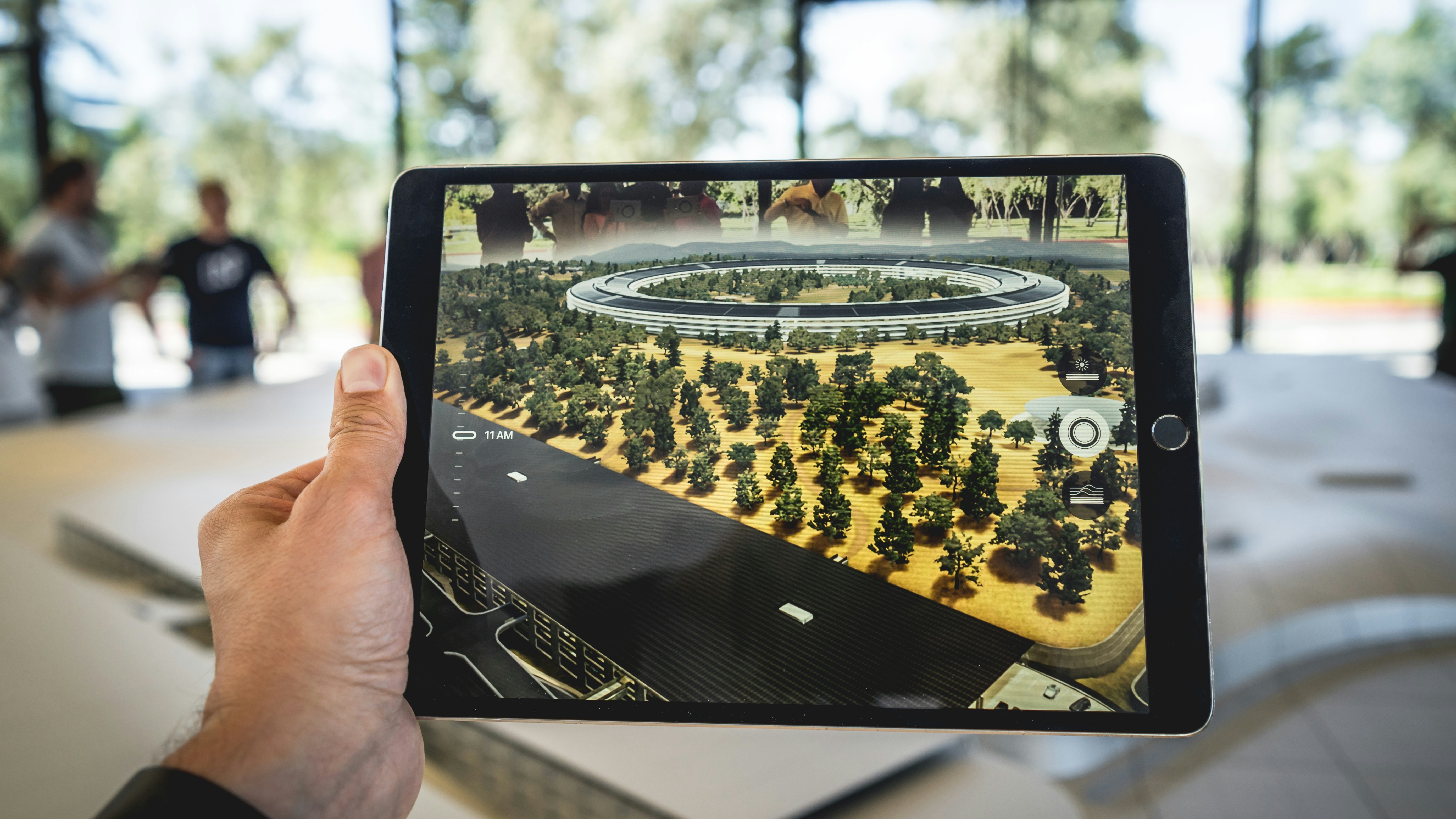
Immersive visualization helps:
Improve client communication
Reduce design misunderstandings
Accelerate approvals
Present concepts more clearly
Retail brands can create:
Virtual showrooms
Interactive product experiences
Digital store walkthroughs
This blends online convenience with physical shopping experiences.
Place tours:
On landing pages
Inside property listings
Within service pages
Along the booking funnel
This increases dwell time and improves user engagement.
Create teaser clips or previews for:
TikTok
Short immersive previews drive traffic to full experiences.
Interactive tours work well in:
Property launch campaigns
Client presentations
Hotel promotions
Product announcements
Adding immersive content can improve click-through rates significantly.
As technologies like VR, AR, and real-time rendering continue to evolve, interactive virtual tours are becoming more immersive and accessible than ever.
Businesses that adopt immersive experiences today will gain a competitive advantage by:
Improving customer engagement
Building trust faster
Delivering memorable digital experiences
In a digital-first world, interactive 360 virtual tours are no longer just a trend—they are becoming an essential marketing and communication tool.Source

Let's collaborate to turn your vision into an impactful digital success story.
Contact Expert