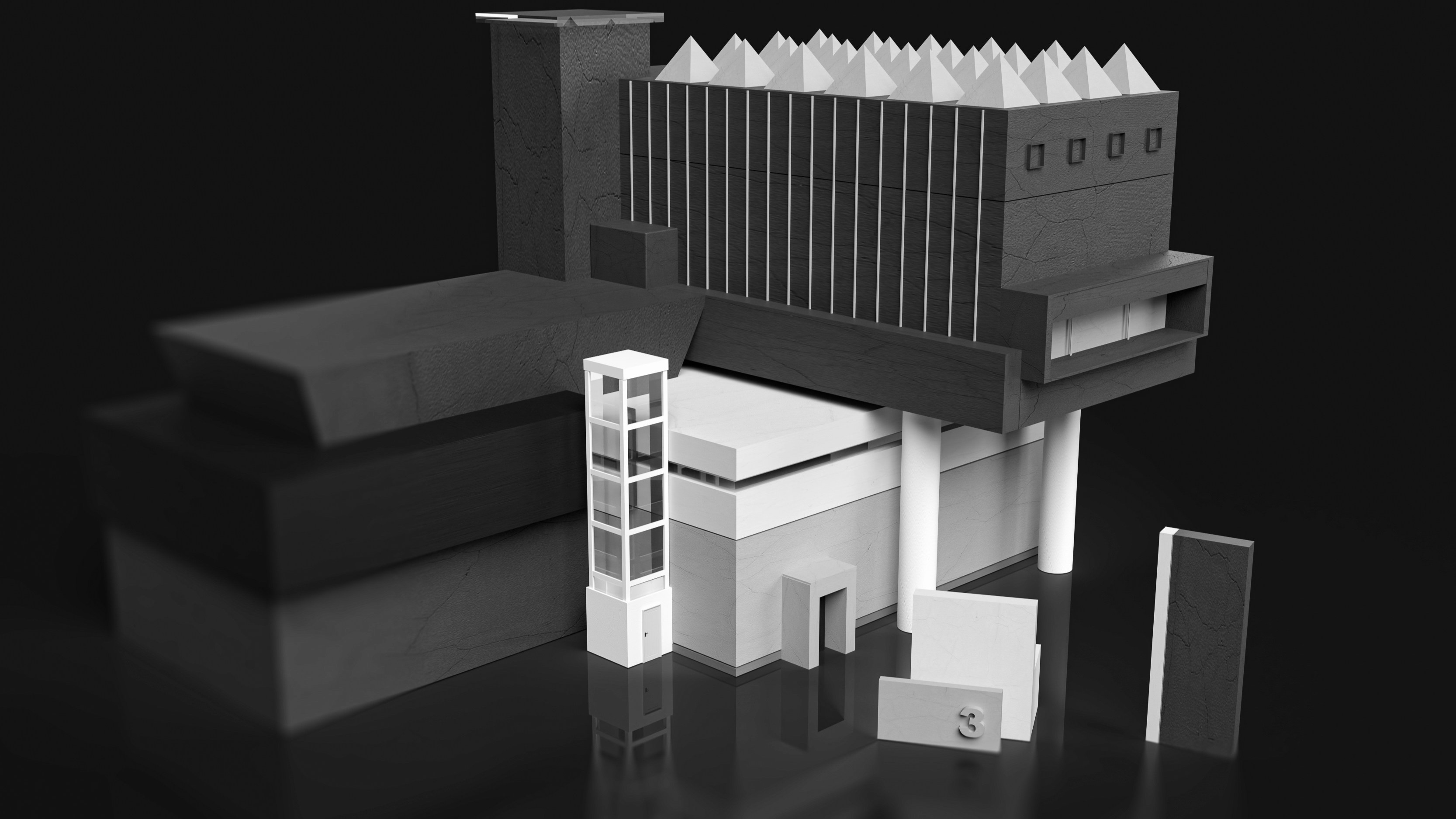
Before the invention of perspective during the Renaissance, architectural drawings were flat and symbolic. The development of linear perspective transformed architectural visualization by allowing architects to represent depth, realism, and spatial experience — laying the foundation for modern rendering, 3D visualization, and virtual reality.

Source: Unsplash/Lance Anderson
Before perspective was invented, architecture was difficult to visualize realistically. Architects relied on flat drawings, diagrams, and symbolic sketches to communicate ideas. While these methods helped explain structure and layout, they failed to capture how spaces actually felt to the human eye.
That changed during the Renaissance.
The invention of linear perspective revolutionized architectural visualization, allowing architects and artists to represent depth, scale, and spatial realism for the first time. It transformed architecture from technical drafting into immersive visual storytelling — a principle that still shapes modern architectural rendering, 3D visualization, and virtual reality today.
Before the 15th century, architectural drawings lacked realistic depth. Ancient and medieval artists typically used flat representations where scale was based on importance rather than distance.
Buildings were often shown through:
Orthographic drawings
Symbolic illustrations
Plans and elevations
Two-dimensional sketches
Although functional, these methods struggled to communicate the true experience of space.
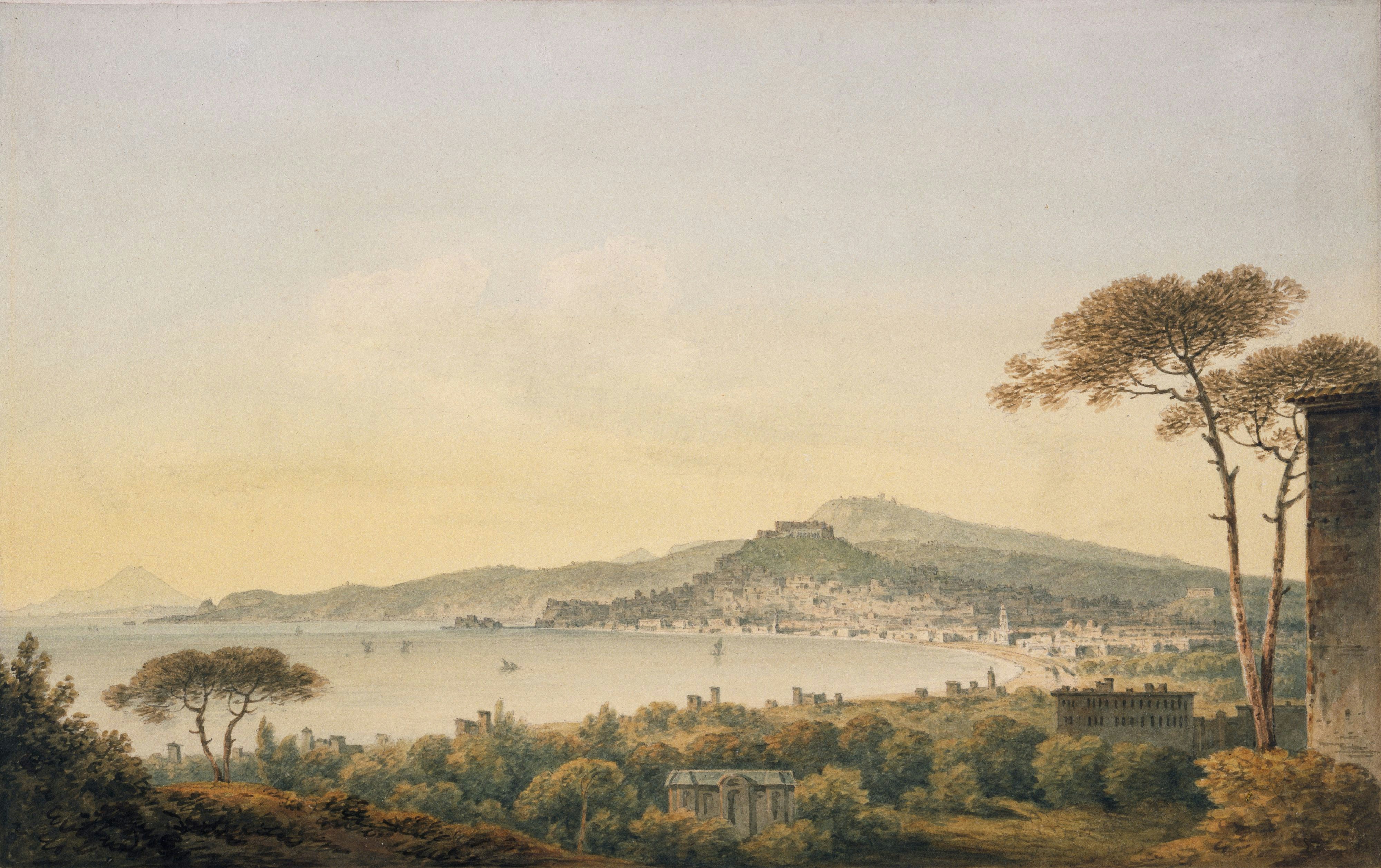
Source: Unsplash/Birmingham Museums Trust
In Renaissance Italy, architect Filippo Brunelleschi introduced linear perspective around 1415. His system used mathematical principles to recreate how the human eye perceives space.
The technique introduced the concept of the vanishing point, where parallel lines appear to converge in the distance.
This breakthrough allowed architects to create realistic visual representations of buildings and environments for the first time.
Later, Leon Battista Alberti formalized these principles in his influential writings, helping perspective become a foundational tool in architecture and art.
The invention of perspective transformed architecture in several ways:
Architects could finally visualize how unbuilt spaces would feel in real life, not just how they functioned technically.
Perspective drawings made architecture easier for clients and the public to understand, even without technical knowledge.
Architectural visualization became more than documentation — it became storytelling that captured atmosphere, scale, and human experience.
The principles of Renaissance perspective still influence modern visualization technologies today, including:
Architectural rendering
3D visualization
CGI environments
Virtual reality (VR)
Augmented reality (AR)
Digital architectural walkthroughs
Whether using advanced rendering software or immersive VR headsets, modern visualization still relies on the same spatial principles discovered over 600 years ago.
The invention of perspective fundamentally changed how architecture is imagined, communicated, and experienced. What began as a Renaissance artistic breakthrough became the foundation of modern architectural visualization.
From hand-drawn perspective sketches to photorealistic 3D renders and virtual reality experiences, perspective continues to shape the way we explore unbuilt spaces — turning architectural ideas into immersive visual experiences.

Let's collaborate to turn your vision into an impactful digital success story.
Contact Expert