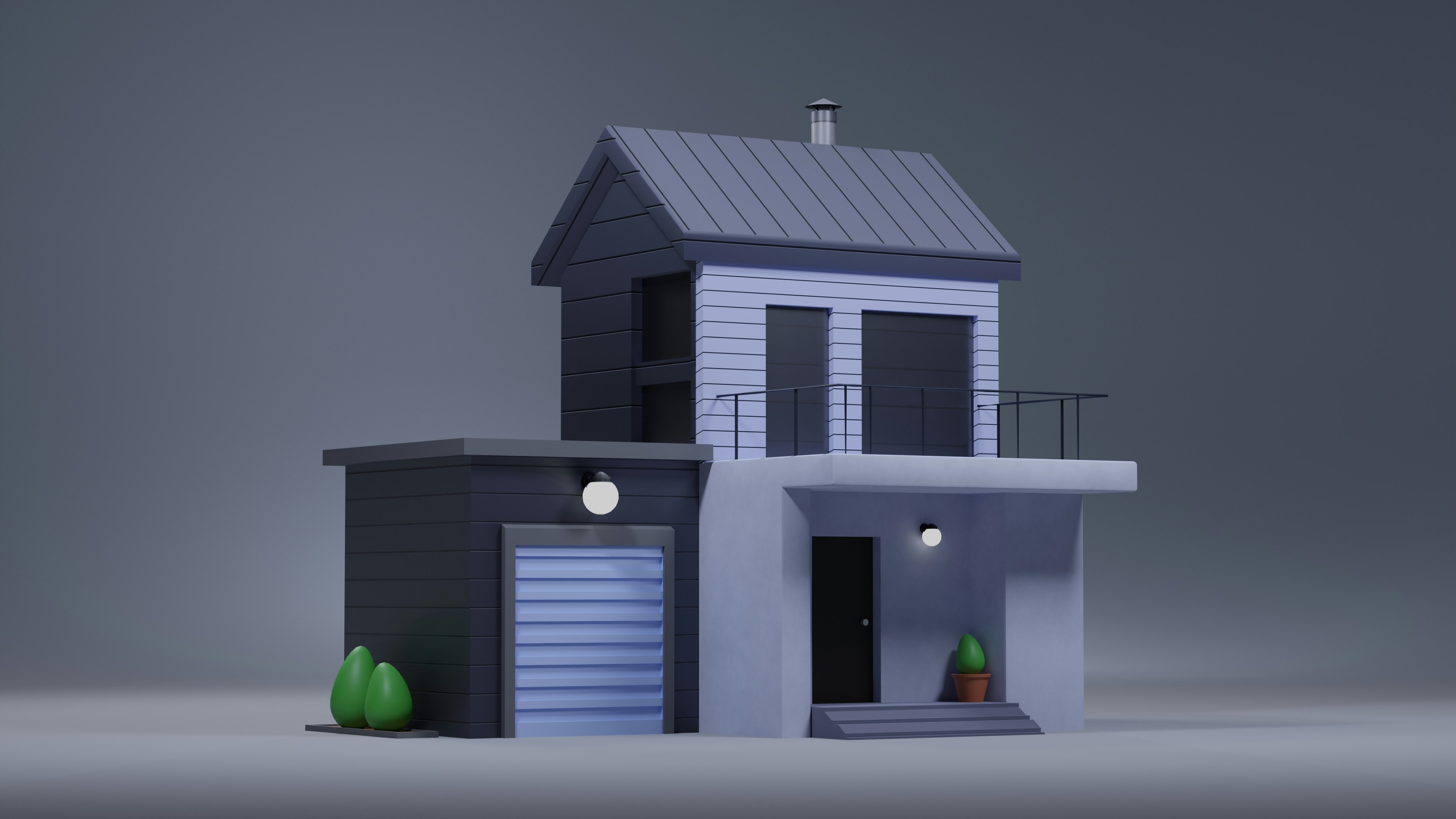
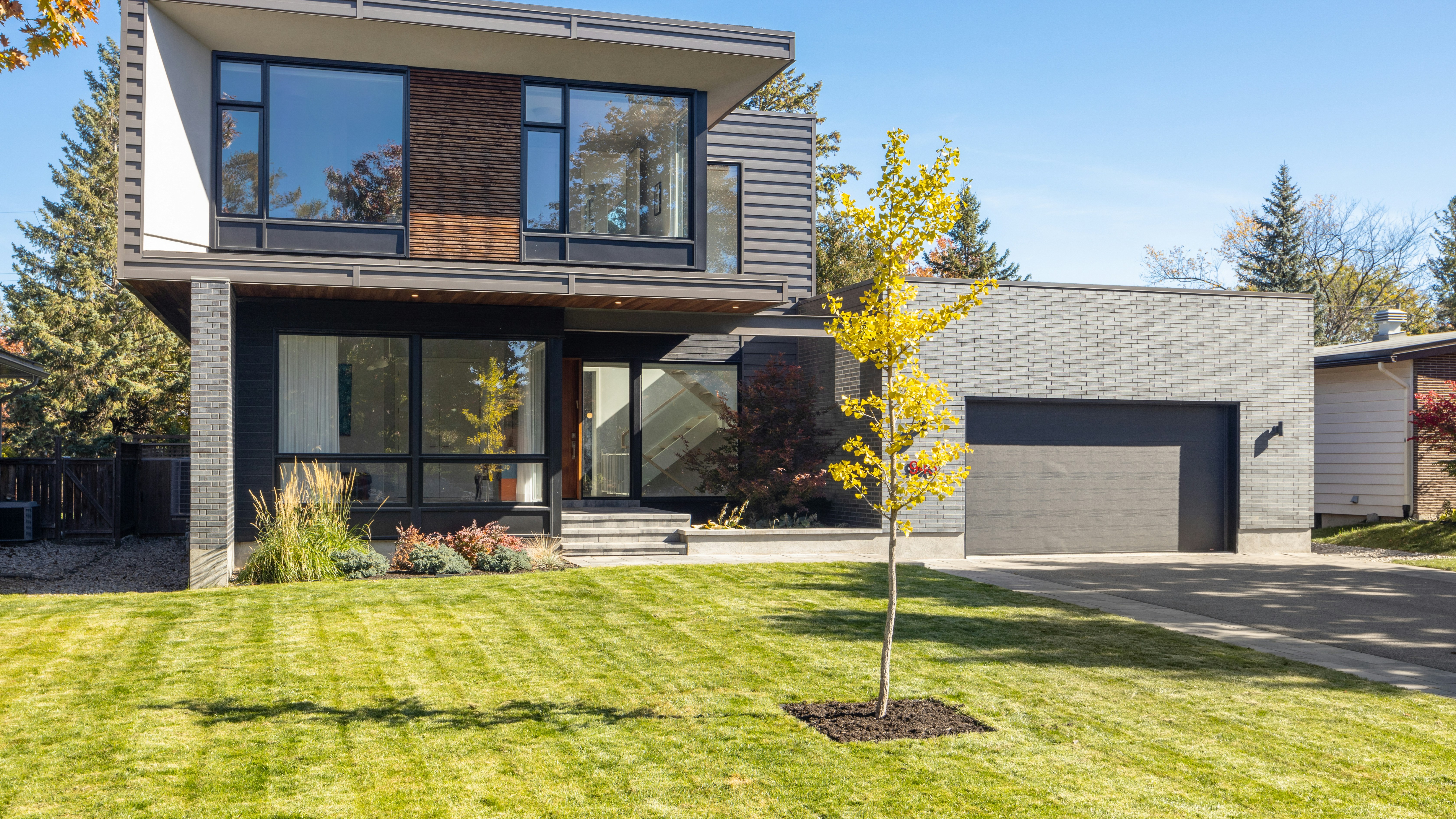
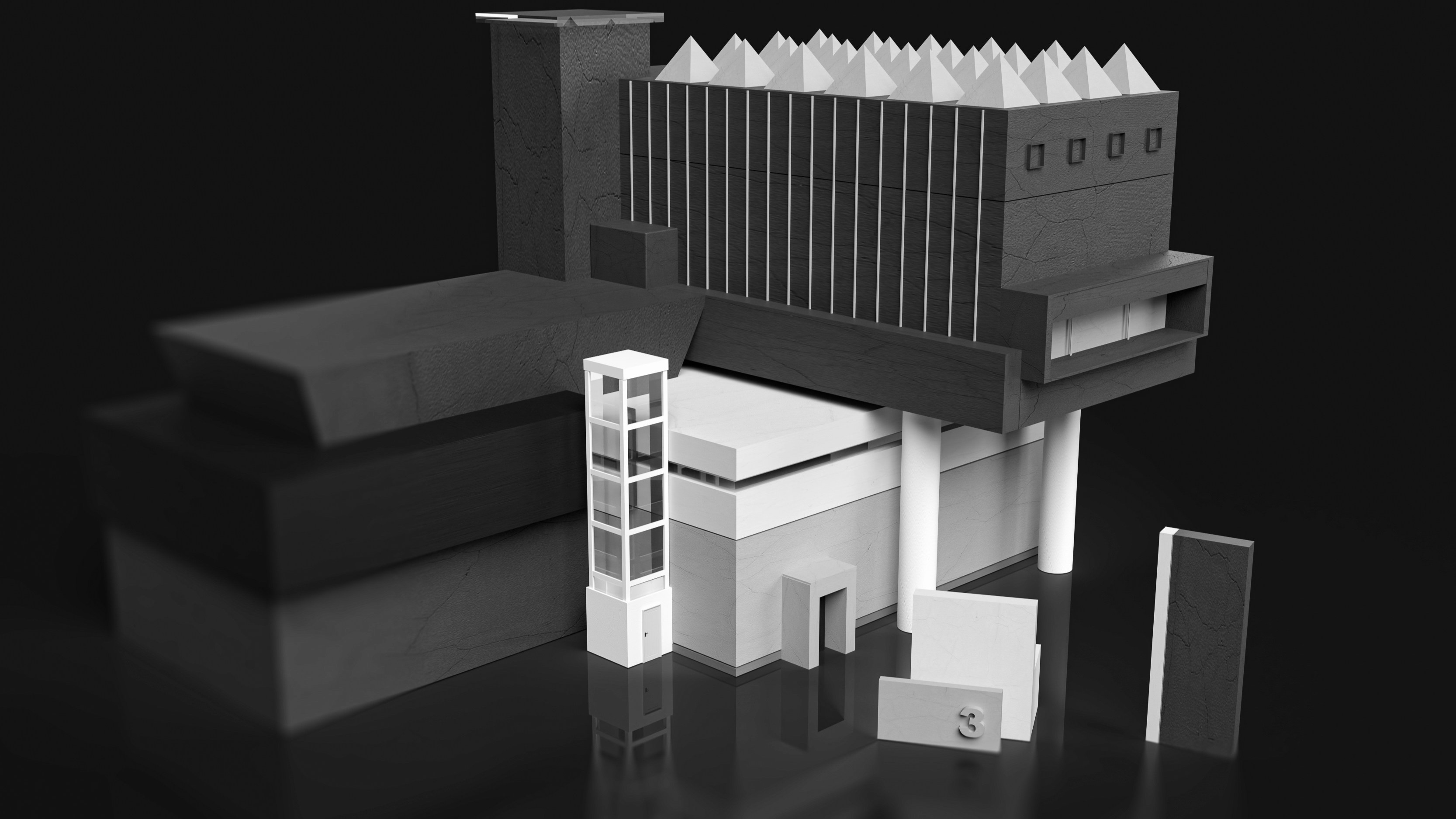
Artificial intelligence is transforming architectural visualization from a traditional rendering process into a continuous, integrated design workflow. From rapid concept generation to AI-assisted post-production, architects can now iterate faster, communicate ideas more clearly, and create photorealistic visuals with greater efficiency than ever before.

Source: Unsplash/Murat Demircan
Architectural visualization has always been an essential part of the design process. Long before a building is constructed, architects rely on visual representations to communicate ideas, test concepts, and help clients understand spatial experiences. Today, that process is evolving rapidly with the integration of artificial intelligence.
AI is no longer just an experimental add-on in architecture. It is becoming deeply embedded into the visualization workflow itself, allowing architects and designers to move from concept exploration to photorealistic imagery faster than ever before.
According to Vlado Koylazov, Chief Technology Officer of Chaos, visualization is becoming more continuous and integrated throughout the design process. With AI-powered tools, architects can now iterate concepts in minutes while still maintaining creative direction and design intent.
As projects become increasingly complex and timelines grow tighter, design teams face mounting pressure to produce more options, communicate ideas earlier, and accelerate decision-making. AI is helping solve these challenges by transforming how visual content is generated, refined, and presented.
Traditional architectural visualization workflows have often been linear and time-consuming. Designers would move from concept sketches to modeling, rendering, and post-production through separate stages that required significant manual effort.
AI is changing this process into a more fluid and connected ecosystem.
In the early conceptual phase, architects can now generate visual ideas using prompts, rough sketches, or simple massing models. AI tools allow multiple design directions to be explored quickly, enabling broader experimentation before committing to a final concept.
What once took hours of modeling and rendering can now happen within minutes.
As the project develops, AI continues to support refinement by helping generate photorealistic imagery faster and more efficiently. Lighting conditions, materials, textures, and environmental settings can be adjusted dynamically, making it easier for architects to test different visual approaches in real time.
This accelerated iteration process improves communication not only within design teams but also with clients and stakeholders.
Post-production has traditionally been a separate stage that required extensive manual editing. Today, AI-powered tools are reducing that workload significantly.
Architects and visualization artists can now upscale images, enhance details, adjust mood lighting, refine compositions, and improve realism with minimal effort. AI-assisted editing tools help maintain visual consistency while dramatically reducing production time.
The result is a workflow where visualization is no longer treated as a final presentation step. Instead, it becomes an ongoing design tool that evolves alongside the project itself.
The impact of AI on architectural visualization is already becoming measurable across the industry.
A recent study by Chaos and Architizer found that 86% of architects reported improved efficiency from AI integration, with many professionals saving more than five hours per week.
These improvements are not only about speed. They are also changing how architects communicate design ideas.
Architectural designer Johnny English of Ewers Architecture explains that tasks which previously required hours of post-production can now be completed in minutes. This allows firms to create cinematic-quality visuals that help clients understand and approve projects more quickly.
In many cases, visualization itself becomes a competitive advantage.
Despite growing automation, AI is not replacing architects or visualization artists. Instead, it is acting as a creative assistant that removes friction from repetitive technical tasks.
By reducing time spent on rendering adjustments, manual editing, and repetitive setup work, designers can focus more energy on creative direction, storytelling, and decision-making.
As AI tools continue to evolve, architectural visualization is becoming more collaborative, iterative, and deeply integrated into the entire design process.
The future of architectural visualization is not simply about producing faster renders. It is about creating a more intelligent workflow where design ideas can be explored, tested, refined, and communicated with greater speed and clarity than ever before.
Let's collaborate to turn your vision into an impactful digital success story.
Contact Expert