Discover how 360° virtual tours are transforming real estate marketing for completed and off-plan properties. Explore the differences between photo tours, 3D scan tours, and rendered virtual tours, and learn how each approach helps buyers experience properties through interactive digital environments.
The way people explore properties has changed. Buyers and potential tenants increasingly want to understand a space before arranging an in-person visit. Traditional photographs provide selected views, but they cannot always communicate how rooms connect or what a property feels like from different angles.
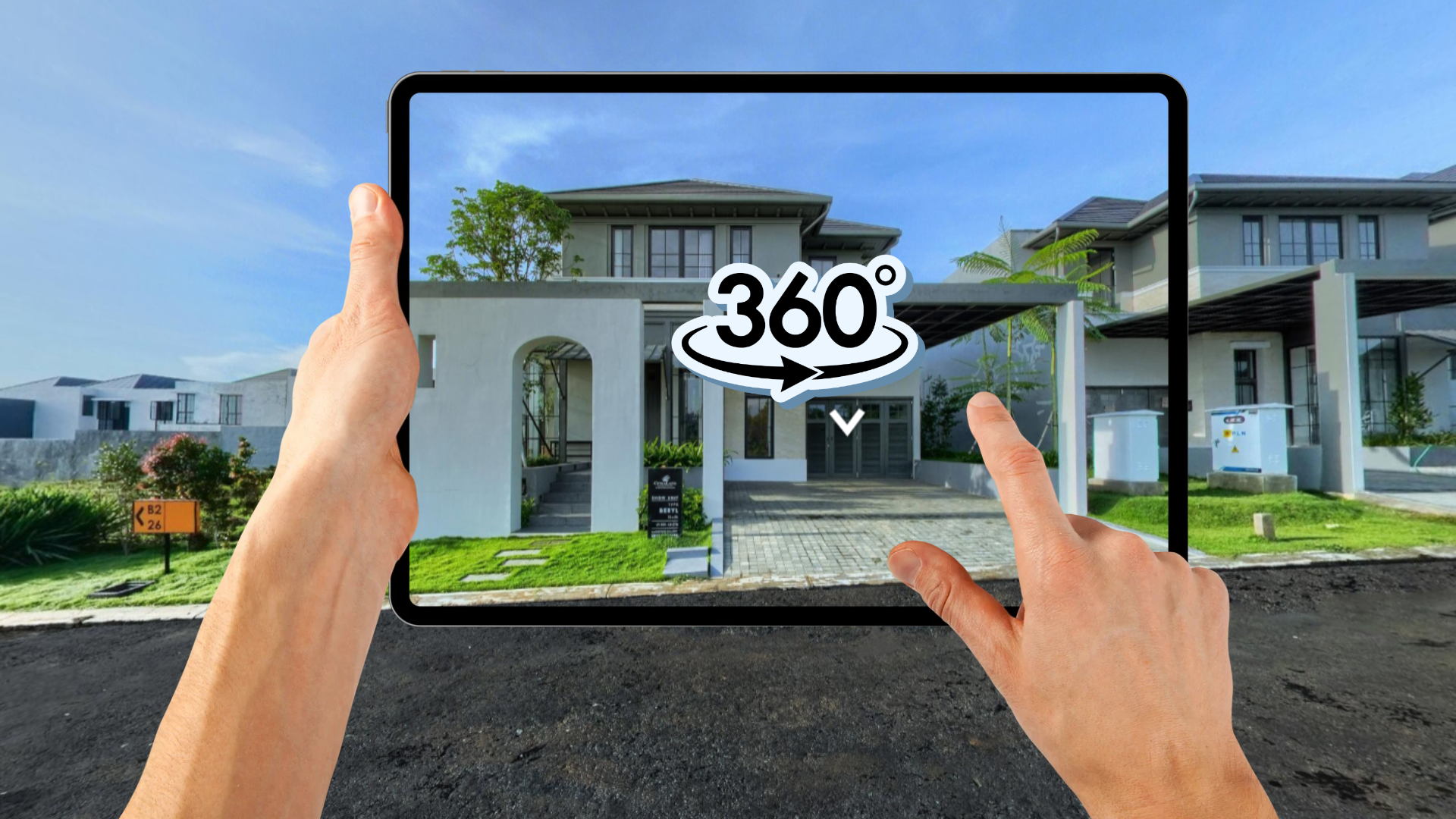
A 360° virtual tour offers a more interactive way to explore a property. By connecting panoramic views of different rooms, it allows viewers to look around and move through a space directly from their browser.
For real estate businesses, this technology can be used for both completed properties and developments that are still under construction. However, the way a virtual tour is created depends on whether the building already exists.
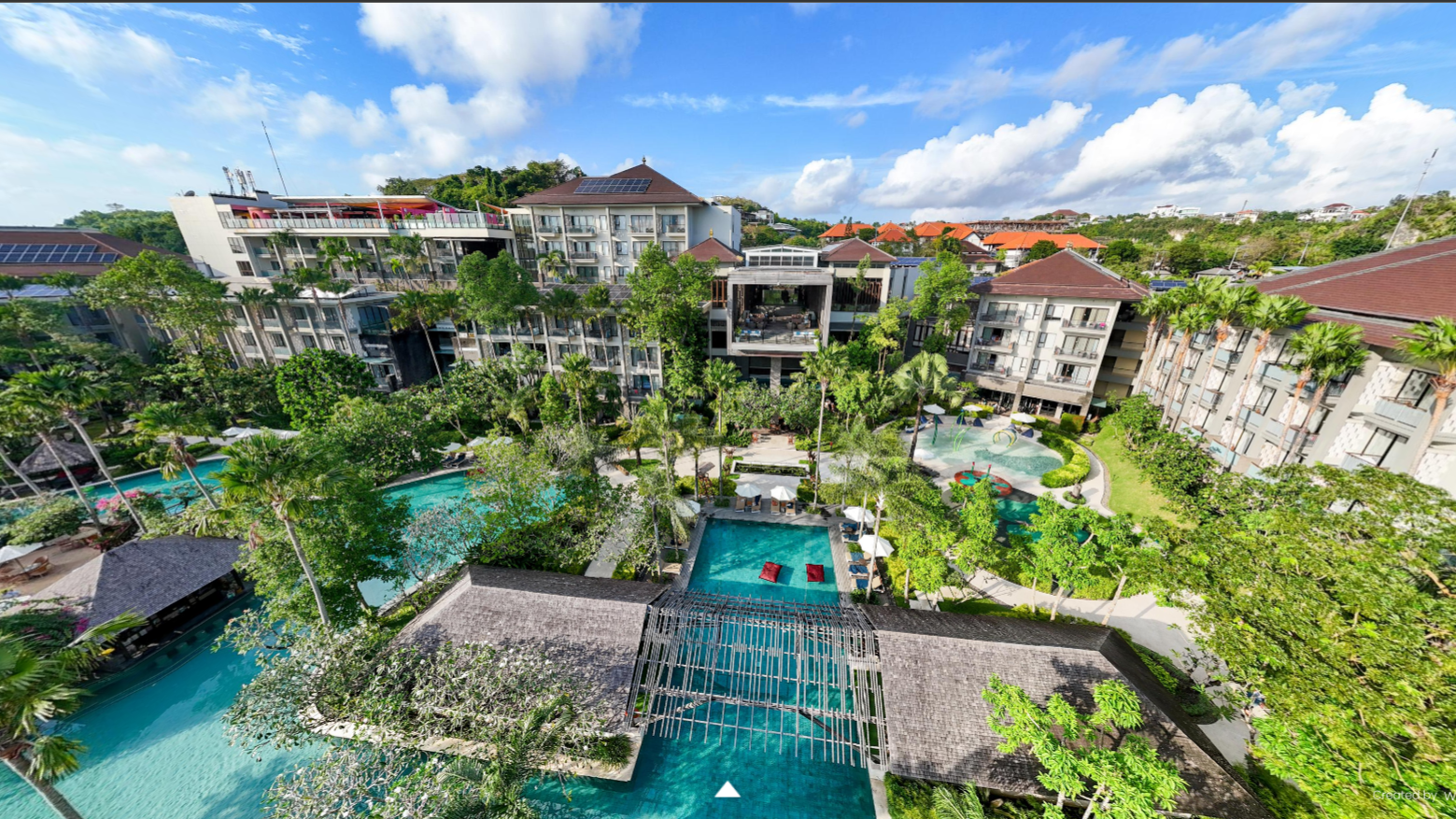
A 360° virtual tour is a collection of panoramic images connected to create an interactive viewing experience. Each panorama represents a specific camera position, allowing viewers to look in every direction, including toward the ceiling and floor.
Unlike a conventional property photograph, which captures one fixed composition, a 360° panorama lets viewers control the perspective themselves. They can explore the room, examine its surroundings, and navigate to other areas through interactive hotspots.
These tours are generally accessed through a web browser, using a link or an embedded viewer on a website. This makes them suitable for property listings, developer websites, digital brochures, and other online marketing channels.
Not every virtual tour is created in the same way. The most suitable method depends on the property's condition and the information that needs to be presented.
A 360° photo tour is captured inside an existing property using a 360-degree camera. The camera records the surrounding environment from a fixed position, producing a panoramic image of the actual room.
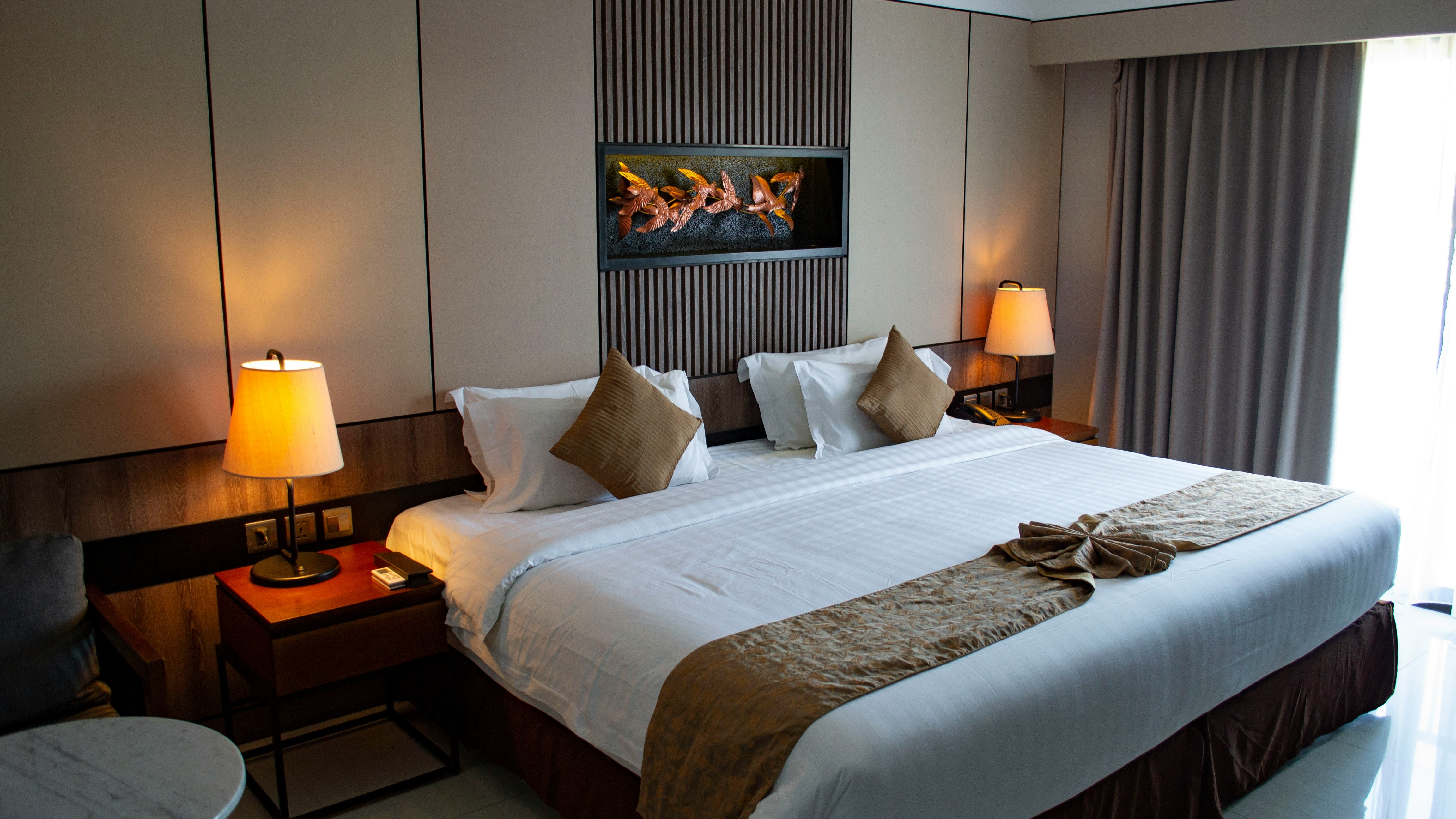
This approach is suitable for completed houses, apartments, hotels, and commercial spaces that need to be presented as they currently look.
A 3D scan tour also captures an existing building, but it goes beyond panoramic photography. Scanning systems such as Matterport can combine multiple capture points to create a navigable 3D model of the property.
Depending on the platform and scanning system, viewers may also access a dollhouse-style overview and room measurements. This makes the format useful when spatial understanding is an important part of the property presentation.
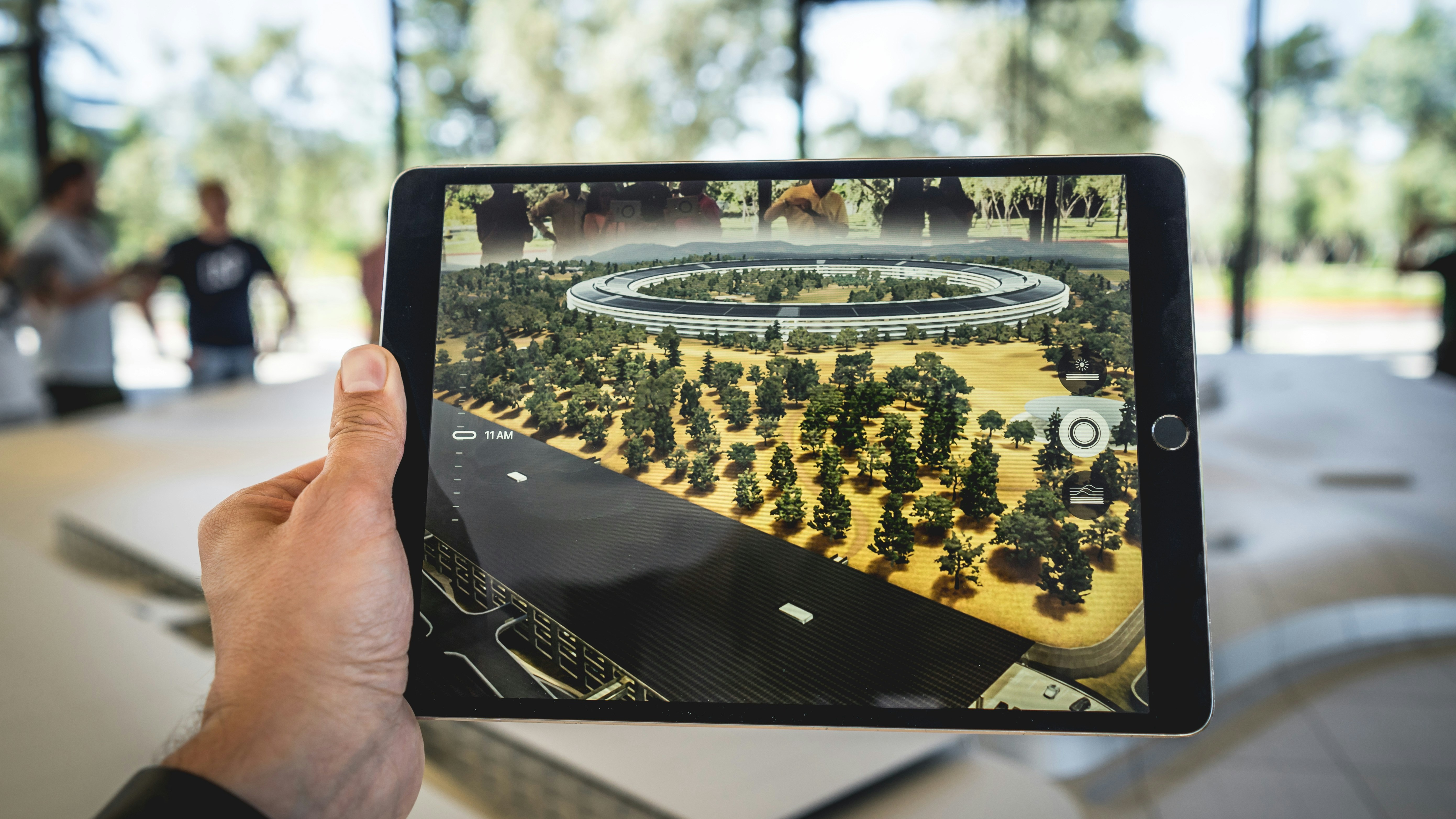
A rendered 360° virtual tour is created using 3D visualization rather than photographs taken inside a finished building.
The process begins with architectural drawings, floor plans, material specifications, and other design references. A 3D model is then developed, furnished, illuminated, and rendered into panoramic views.
This approach is particularly useful for off-plan properties, refurbishment projects, and hotels or buildings that have not yet opened. It allows prospective buyers or guests to explore the intended design before the physical space is available.
The main difference between a captured tour and a rendered tour is the stage of development.
For a completed property, a 360° camera or scanning system records the existing space. The result represents the building as it is at the time of capture.
For an off-plan property, a rendered tour presents the planned design. Developers can show proposed room layouts, interior finishes, furniture, lighting, and views based on the available project information.
This distinction is important: a rendered tour communicates the designed environment, not a completed physical space. Its accuracy therefore depends on the architectural drawings and specifications used during production.
A virtual tour gives prospective buyers and tenants more control over how they explore a property. Instead of relying only on selected photographs, they can look around individual rooms and move between connected spaces.
For developers marketing properties before construction is complete, rendered tours also provide a way to communicate the planned environment at an earlier stage.
Virtual tours can be used alongside conventional property photographs, floor plans, and 3D visualizations. Each format serves a different purpose: photographs highlight selected views, floor plans explain the layout, and interactive panoramas let viewers explore the space from different standing points.
Before producing a virtual tour, consider the property's current condition and the intended viewing experience.
Completed property: A 360° photo tour can present the actual space.
Completed property requiring spatial scanning: A 3D scan tour can provide panoramas alongside a navigable model.
Property still in development: A rendered 360° tour can communicate the planned design before construction is finished.
Refurbishment project: A rendered tour can help present the proposed result based on the existing building and planned changes.
The right approach helps ensure that the virtual experience reflects the property's real condition or intended design.
360° virtual tours offer real estate businesses an interactive way to present properties beyond traditional photography. Whether a building is already completed or still in the planning stage, the right approach can help audiences explore its spaces and understand the design.
By combining panoramic experiences with photographs, floor plans, and other visual materials, property businesses can create a more informative and engaging digital presentation.

Let's collaborate to turn your vision into an impactful digital success story.
Contact Expert