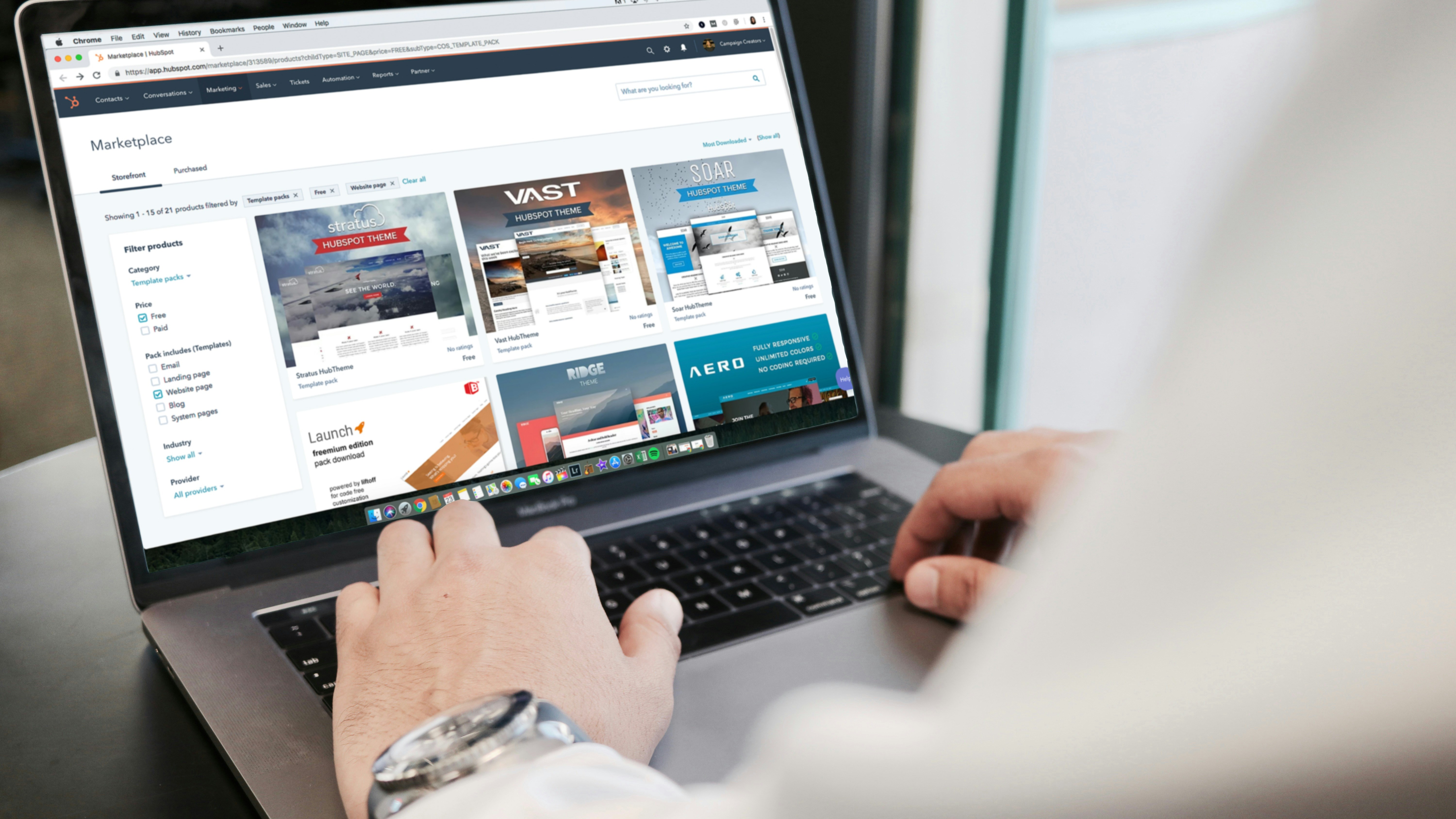
Responsive and Adaptive Web Design both help websites deliver better experiences across different devices, but they take different approaches. Understanding their key differences can help businesses choose the right solution to improve performance, user experience, and long-term website scalability.

Source: Unsplash/UX Indonesia
As mobile browsing continues to dominate the digital landscape, businesses need websites that deliver a seamless experience across all devices. Two popular approaches to achieving this are Responsive Web Design and Adaptive Web Design.
While both aim to improve usability on different screen sizes, they work in different ways and offer unique advantages.
Responsive Web Design (RWD) uses flexible layouts, images, and CSS media queries to automatically adjust a website to any screen size. Whether users visit from a smartphone, tablet, or desktop, the layout adapts dynamically without requiring separate versions.
Mobile-friendly and SEO-friendly
Easier to maintain with a single layout
Consistent user experience across devices
Future-proof for new screen sizes
The main challenge is that larger assets may still load on smaller devices if not properly optimized.
Adaptive Web Design (AWD) uses multiple fixed layouts designed for specific screen sizes. When a user visits the website, the system detects their device and serves the most suitable version.
Optimized performance for specific devices
Greater control over the user experience
Better support for older devices and browsers
However, adaptive websites require more development time and ongoing maintenance because multiple layouts need to be managed.
The biggest difference is flexibility. Responsive design uses a single layout that adjusts fluidly to any screen size, while adaptive design relies on multiple predefined layouts.
Responsive websites are generally easier to maintain and are Google's preferred approach for SEO. Adaptive websites can provide more customized experiences but require additional resources to develop and update.
For most businesses, Responsive Web Design is the preferred choice because it is scalable, cost-effective, and SEO-friendly. It works well for content-driven websites and businesses looking for a future-ready solution.
Adaptive Design may be a better fit for websites that require highly customized experiences across different devices, such as complex e-commerce platforms or web applications.
Both Responsive and Adaptive Web Design aim to create better user experiences across devices. The right choice depends on your business goals, budget, and technical requirements. Regardless of the approach, a well-optimized website remains essential for improving engagement, search visibility, and conversions in today's mobile-first world.Sou

Let's collaborate to turn your vision into an impactful digital success story.
Contact Expert