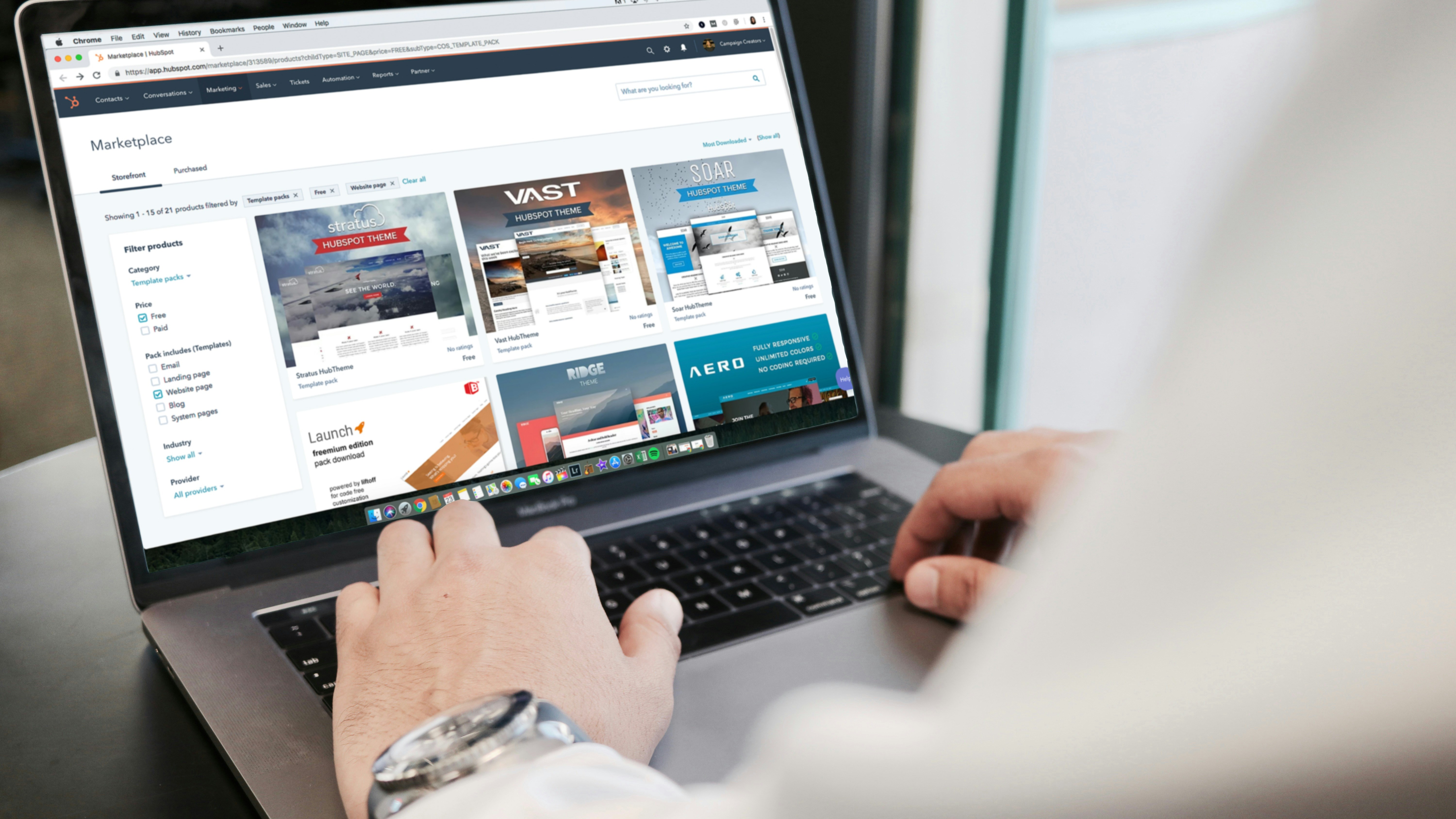
Web development is the process of building and maintaining websites and web applications—combining design, functionality, and performance to create powerful digital experiences that support business growth.

Source: Unsplash/Fotis Fotopoulos
In today’s digital-first world, a website is more than just an online presence—it’s the core of your brand’s identity. Whether you’re running a startup or scaling an established business, your website plays a crucial role in how customers perceive, interact with, and trust your brand.
Web development refers to the process of building, maintaining, and optimizing websites or web applications. It covers everything from simple landing pages to complex platforms like e-commerce systems, booking tools, or customer portals.
At its essence, web development turns ideas and designs into fully functional digital experiences.

Source: Unsplash/Andy Holmes
To better understand how web development works, it’s helpful to break it down into three main components:
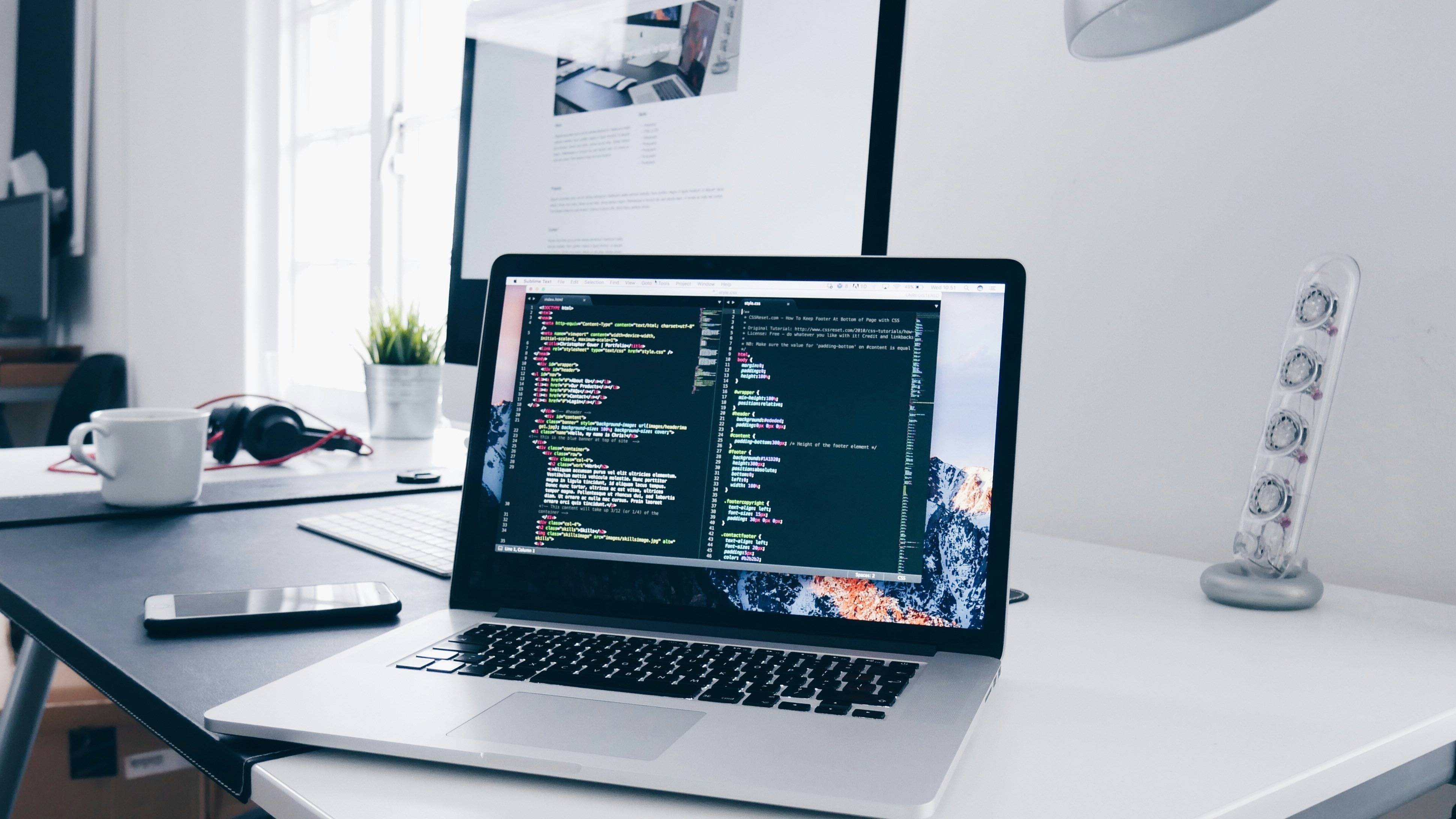
Front-end development focuses on everything users see and interact with on a website. This includes layout, navigation, buttons, animations, and overall visual presentation.
Developers use technologies like HTML, CSS, and JavaScript to create responsive, user-friendly interfaces that work seamlessly across devices.
Back-end development powers everything behind the scenes. It handles server logic, databases, authentication systems, and integrations with other platforms.
Using technologies such as PHP, Python, or Node.js, back-end developers ensure that websites run smoothly, securely, and efficiently.
Full-stack development combines both front-end and back-end expertise. A full-stack developer can manage the entire development process—from building the interface to handling server-side functionality.
This approach is especially valuable for businesses looking for end-to-end solutions.

Source: Unsplash/Le Buzz Studio
Different business goals require different types of websites. Here are some of the most common:
Static Websites
Simple, fast-loading websites that display fixed content—ideal for small businesses or landing pages.
Dynamic Websites
Websites with interactive features and frequently updated content, such as blogs or company portals.
E-commerce Websites
Online stores where users can browse products, make purchases, and complete transactions.
Portfolio or Service Websites
Perfect for agencies, freelancers, and professionals to showcase their work and services.
Web Applications
Custom-built platforms designed for specific functions like booking systems, CRM tools, or client dashboards.
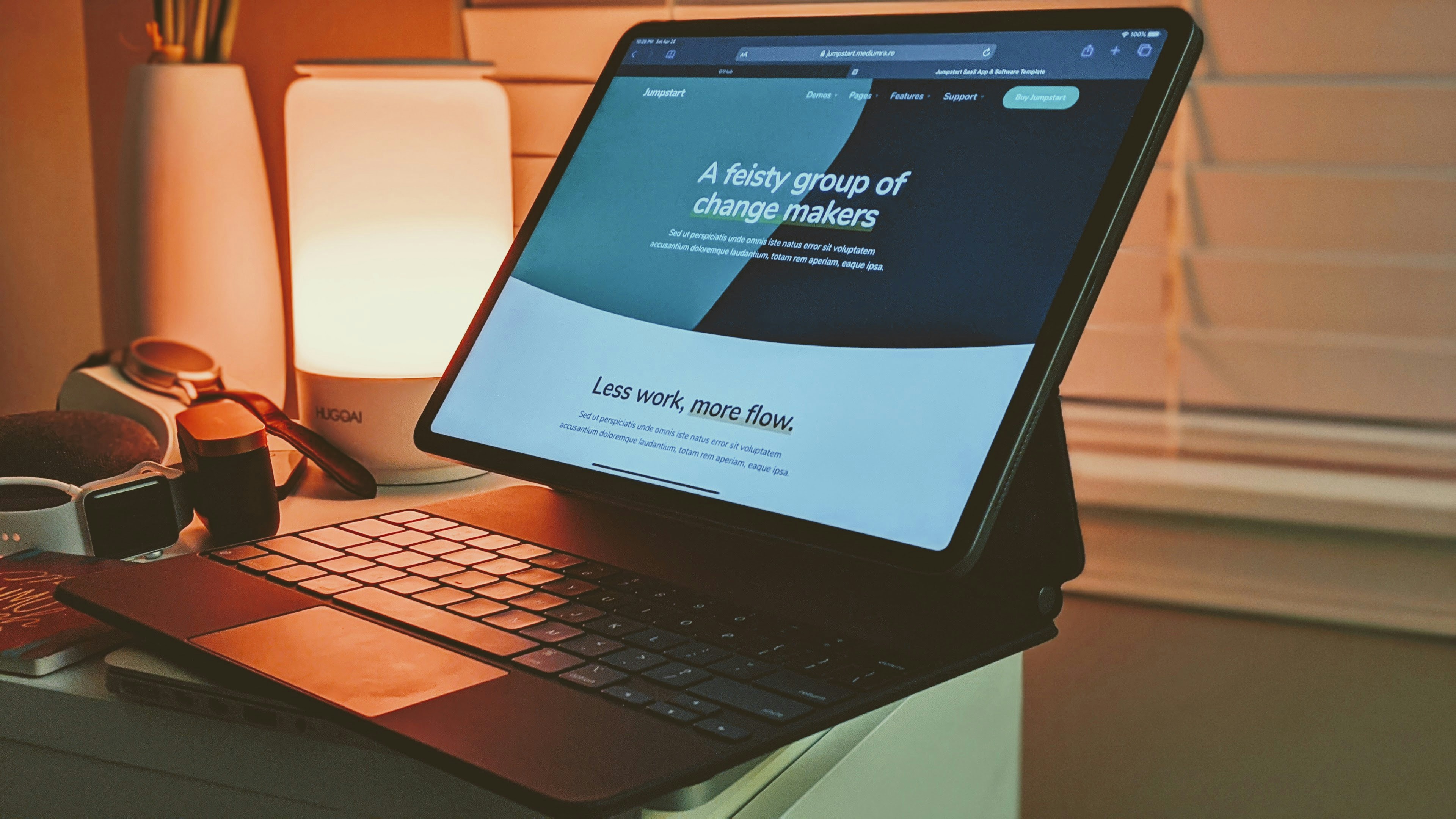
Source: UnsplashGigin Khrisnan
Although often mentioned together, web development and web design serve different roles.
Web Design focuses on how a website looks and feels—its layout, colors, typography, and user experience (UI/UX).
Web Development focuses on how a website works—its functionality, performance, and technical structure.
A successful website requires both. Great design attracts users, while strong development ensures everything runs smoothly.
Web development is the backbone of any successful online presence. It goes beyond simply creating a website—it’s about building a platform that supports your business goals, engages your audience, and adapts as you grow.
By investing in professional web development, you’re not just creating a website—you’re building a powerful digital asset that can drive credibility, visibility, and long-term success.

Let's collaborate to turn your vision into an impactful digital success story.
Contact Expert