Starting a videography business requires more than just a camera—it takes the right mix of storytelling skills, professional equipment, and business strategy to create high-quality content and build a successful, scalable creative career.
Source: Unsplash/Sam McGhee
Starting a videography business can be both exciting and challenging. With the rise of digital content, video has become one of the most powerful tools for marketing, storytelling, and branding. This means there’s never been a better time to turn your passion for videography into a profitable business.
But success doesn’t just come from owning a camera—it requires the right strategy, skills, and equipment.
Here’s everything you need to start a videography business the right way.
In today’s content-driven world, businesses are constantly looking for high-quality video content—whether for social media, advertising, corporate branding, or events.
As an independent videographer, you have the freedom to:
Choose your projects and niche
Work with different industries
Build your own creative direction
You’re not just a videographer—you’re a visual storyteller and problem solver.
To run a successful videography business, you need to master the script-to-screen workflow, which includes:
Pre-production (concept, scripting, planning)
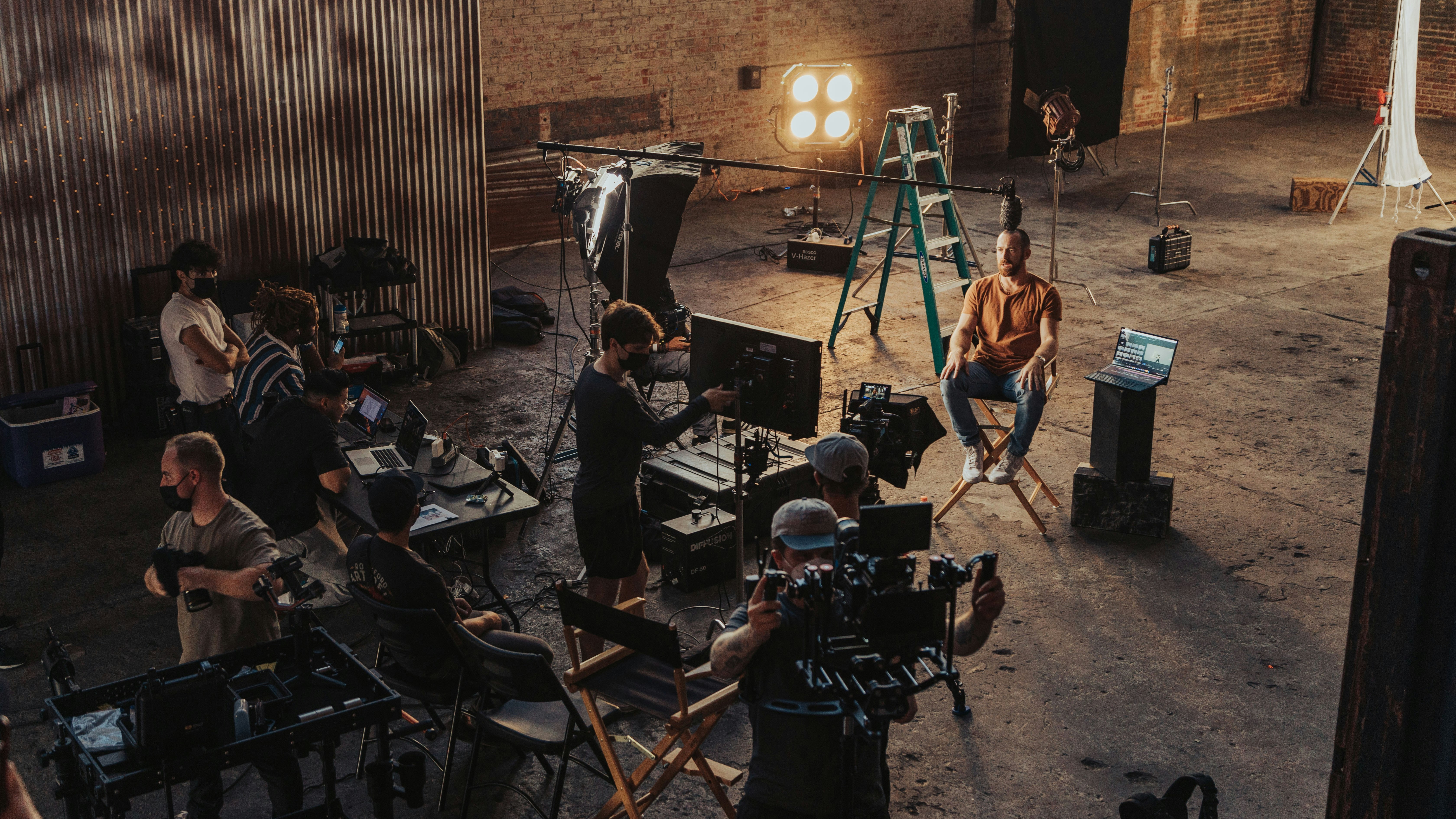
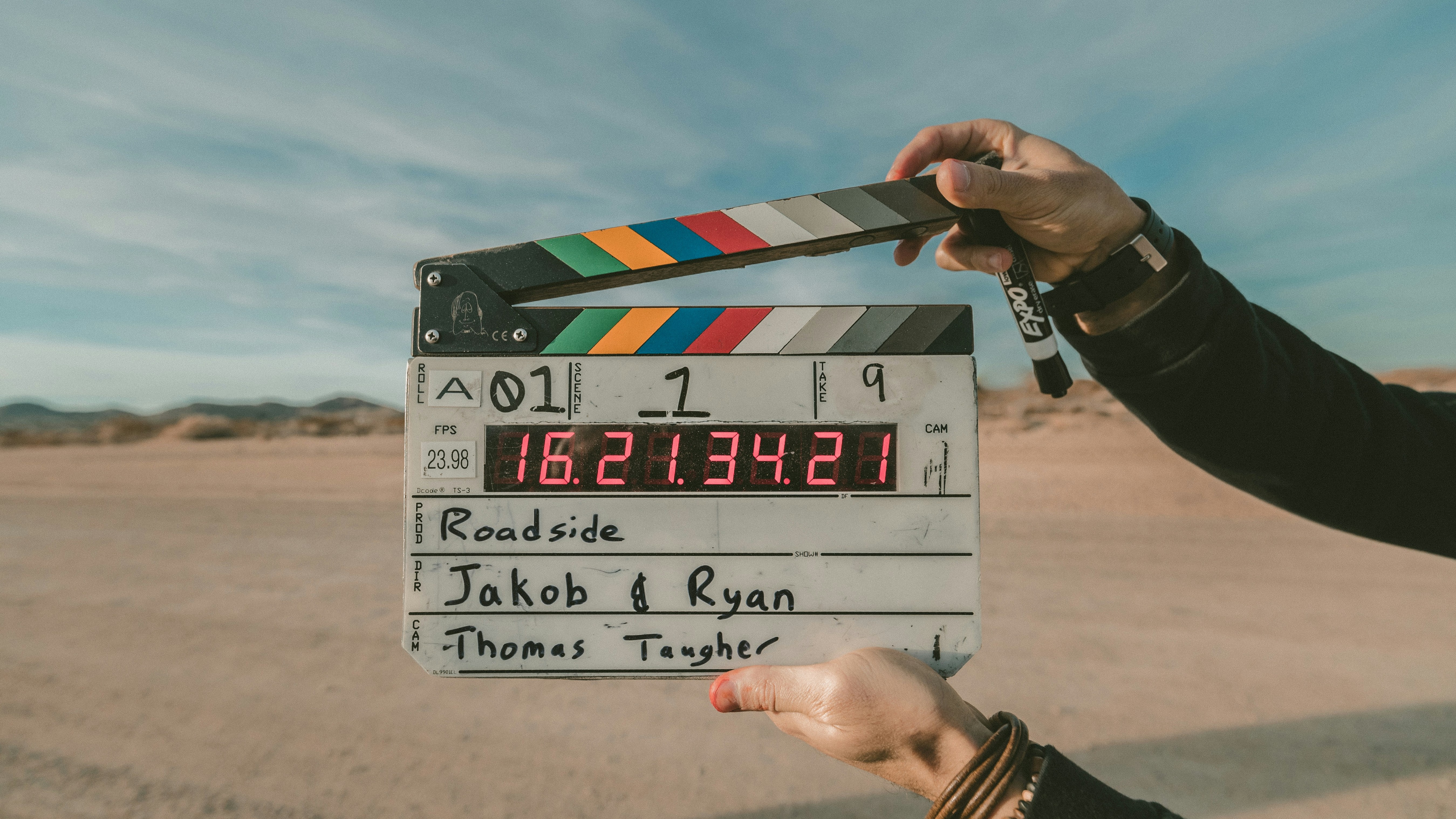
Production (filming, directing, lighting)
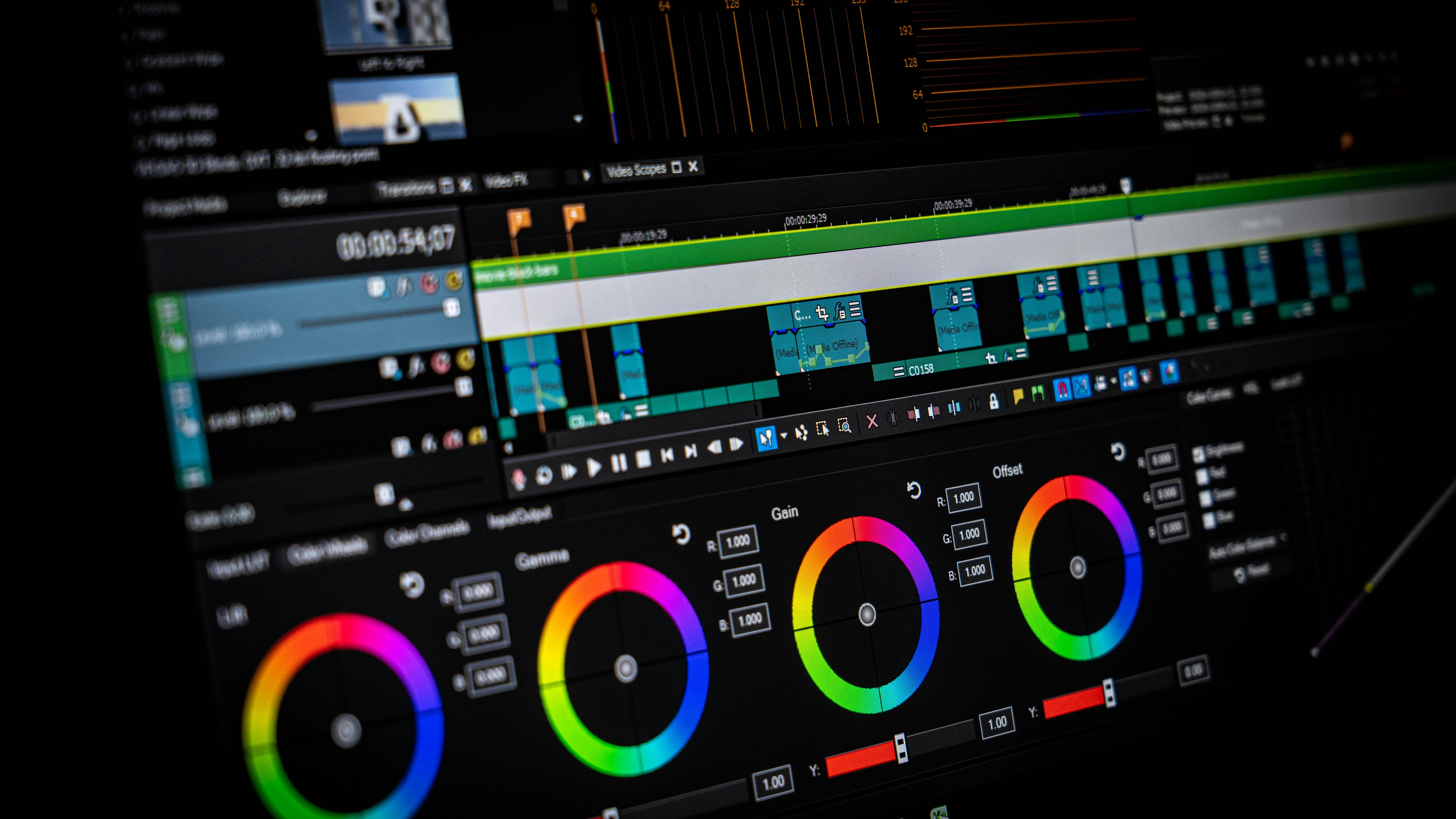
Post-production (editing, color grading, sound design)
Using tools like shot lists, scripts, and production templates will help you stay organized and deliver professional results efficiently.
While equipment matters, how you use it matters more.
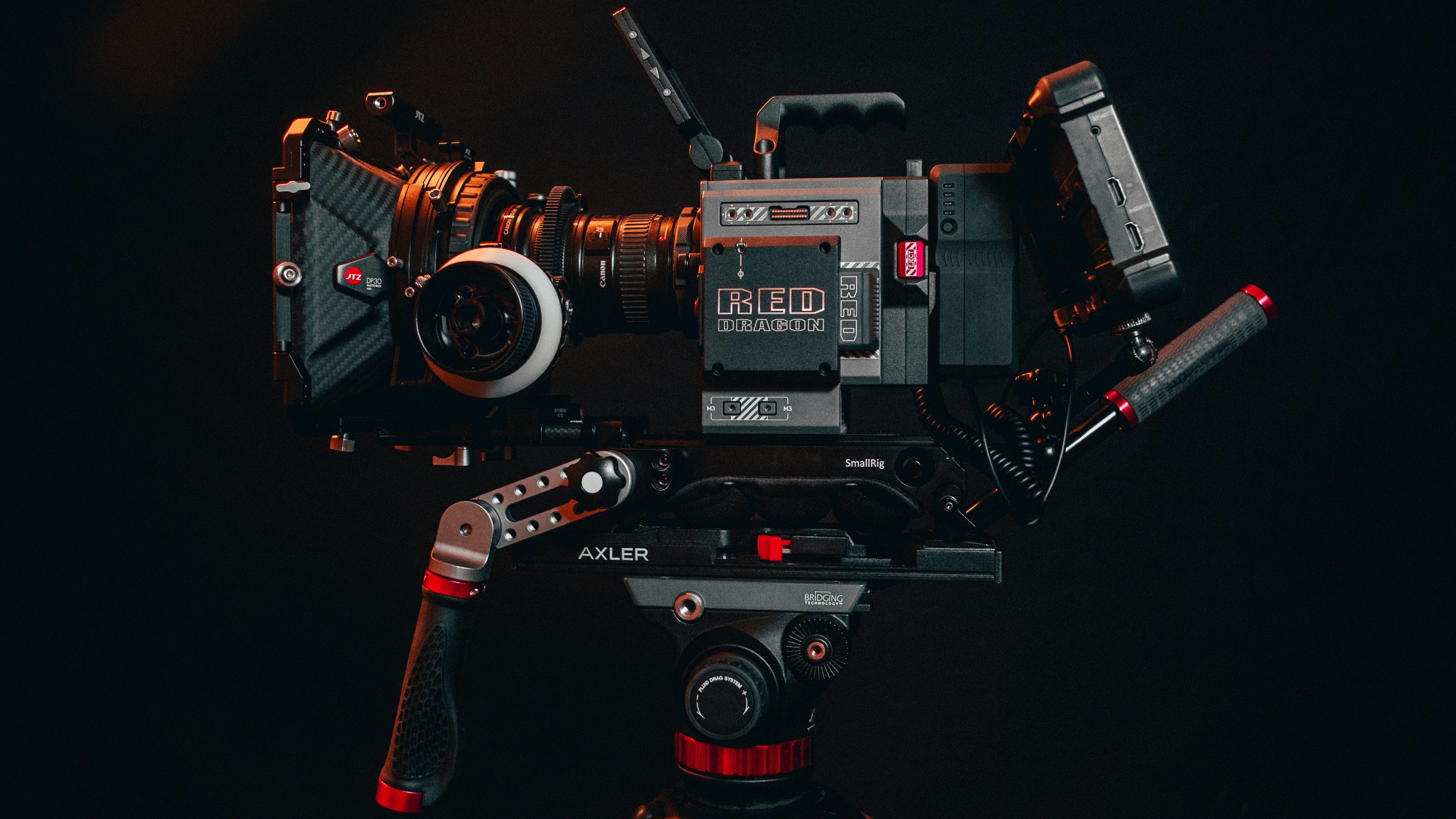
At a minimum, you’ll need:
A camera with manual controls
A stable tripod
Basic lighting equipment
Editing software
You don’t need to buy everything upfront—rent before you invest to test what works best for your style and projects.
One of the most common mistakes beginners make is neglecting audio quality.
Poor sound can ruin even the best visuals. That’s why investing in professional audio gear is essential.
Key audio equipment includes:
Wireless lavalier microphone (for interviews)
Shotgun microphone (for directional sound)
Headphones (to monitor audio quality)
XLR cables and adapters
Clean, clear audio instantly elevates your production value.
Before clients trust you, they need to see what you can do.
Create a showreel (sizzle reel) that highlights:
Your best shots
Different styles (corporate, cinematic, social media, etc.)
Your storytelling ability
If you don’t have client work yet, create your own projects. This shows initiative and creativity.
Anyone can record video—but not everyone can tell a story.
Strong storytelling includes:
Understanding your audience
Crafting compelling narratives
Delivering clear messages
This is what separates average videographers from high-value professionals.
As a solo videographer, mobility is key. You should be able to carry and set up your gear quickly.
Keep your setup simple:
Lightweight equipment
Organized gear bags
Minimal but effective tools
Efficiency allows you to work faster and take on more projects.
To grow your videography business, you need to think beyond production:
Identify your target market (real estate, corporate, events, etc.)
Create service packages and pricing
Build an online presence (website + social media)
Network and pitch your services
Look for opportunities in:
Marketing campaigns
Training videos
Company profiles
Social media content
The videography industry evolves quickly. Stay updated by:
Taking workshops or online courses
Learning new editing techniques
Following industry trends
Your skills are your biggest asset—keep investing in them.
Source: Unsplash/Seth Doyle
Starting a videography business isn’t just about having the right equipment—it’s about combining technical skills, storytelling, and business strategy.
By focusing on quality, investing in the right tools (especially audio), and building a strong portfolio, you can position yourself as a professional in a growing industry.
With consistency and creativity, your videography business can evolve from a side hustle into a sustainable and profitable career.

Let's collaborate to turn your vision into an impactful digital success story.
Contact Expert