Learn how the cinematic video production process brings a business's story to life, from creative planning and filming to editing and distribution. Discover how a structured workflow helps brands create consistent promotional videos that communicate their message across digital platforms.
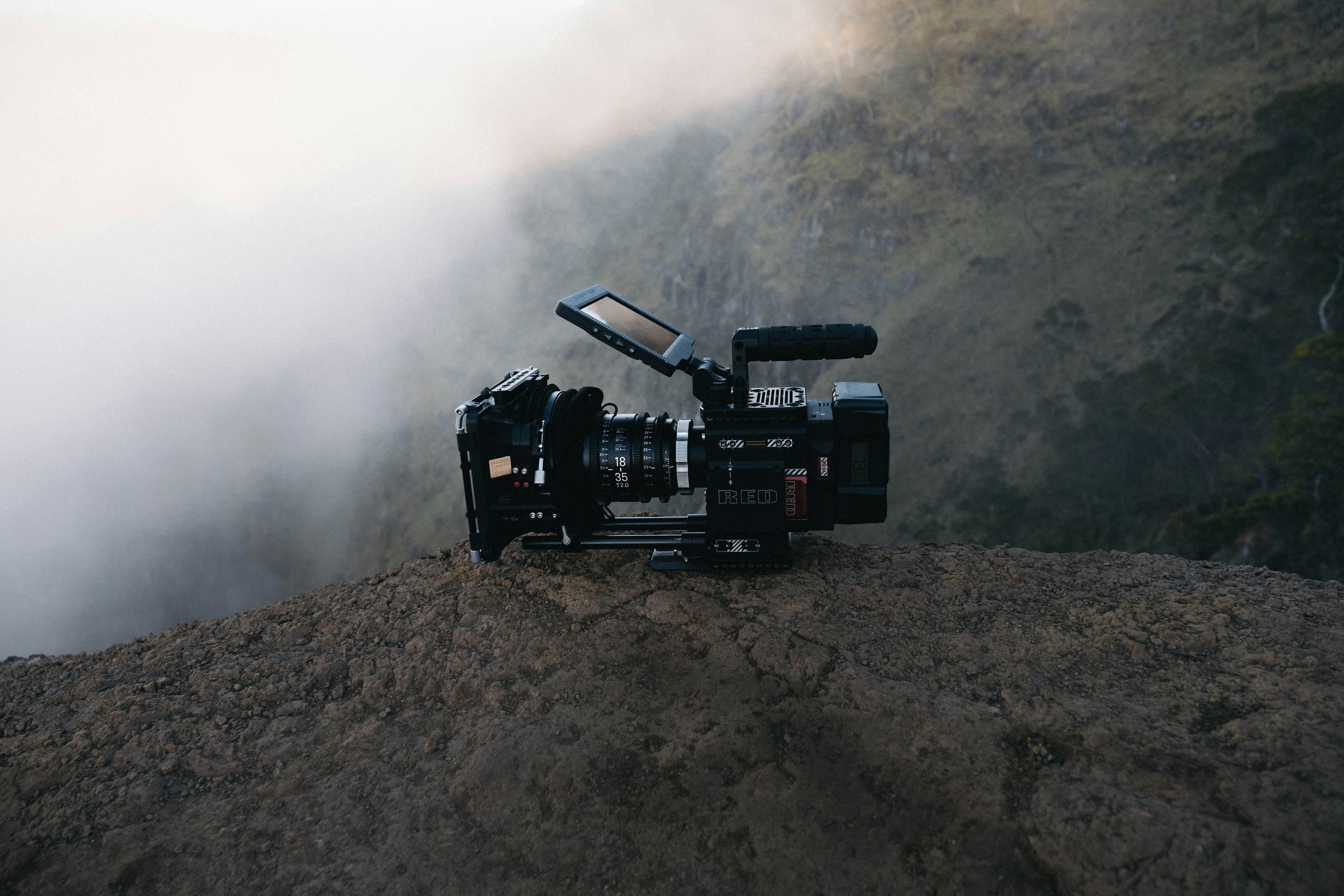
Source: Unsplash/Jakob Owens
Creating a professional promotional video involves more than capturing attractive footage. Behind every effective video is a process that connects creative ideas with business objectives.
From defining the message to selecting the right shots, editing the footage, and preparing it for publication, each stage contributes to the final result. A structured production process helps businesses communicate their offerings clearly while maintaining a consistent visual identity.
Cinematic videography combines visual composition, lighting, camera movement, and storytelling. However, these techniques are most effective when guided by a clear plan.
Without a defined objective, even visually impressive footage may fail to communicate the intended message. A production workflow helps align the creative concept with the audience, the brand, and the purpose of the video.
The process typically includes four stages: pre production, production, post production, and distribution.
Pre production establishes the direction of the video before filming begins.
The first step is identifying what the business wants to communicate. A video might introduce a company, showcase a product, highlight a property, or present a customer experience.
Understanding the target audience helps determine which information and visuals deserve the most attention.
Once the objective is clear, the team develops a concept that translates the message into a visual story.
This may include the narrative structure, visual style, mood, shot composition, and key scenes. For hospitality and property brands, the concept might focus on architecture, interior details, facilities, or the atmosphere of a destination.
The team then prepares the script, shot list, production schedule, and visual direction. Planning helps identify the locations, people, equipment, and footage required for the project.
A clear plan also reduces the risk of missing important shots during filming.
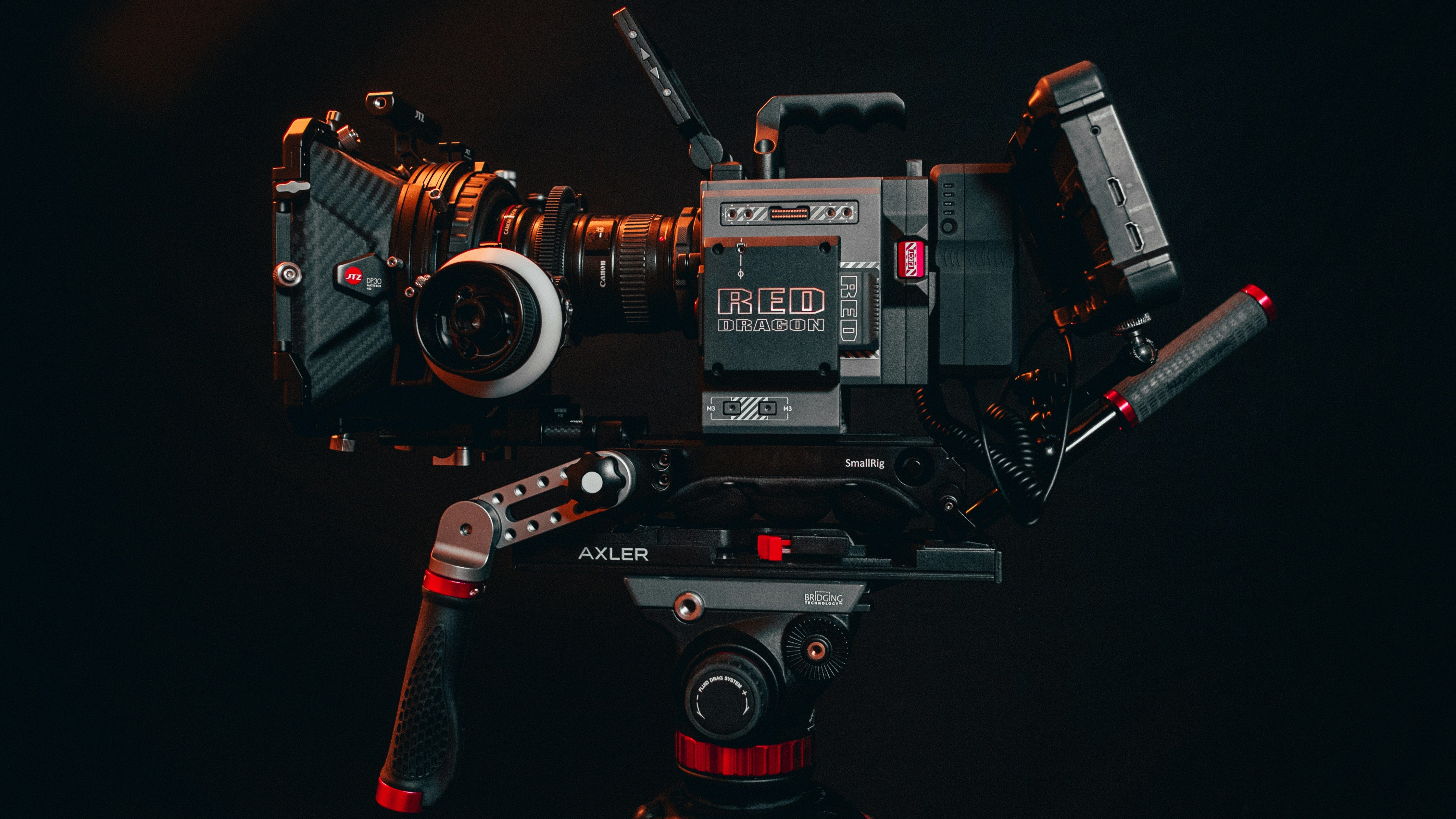
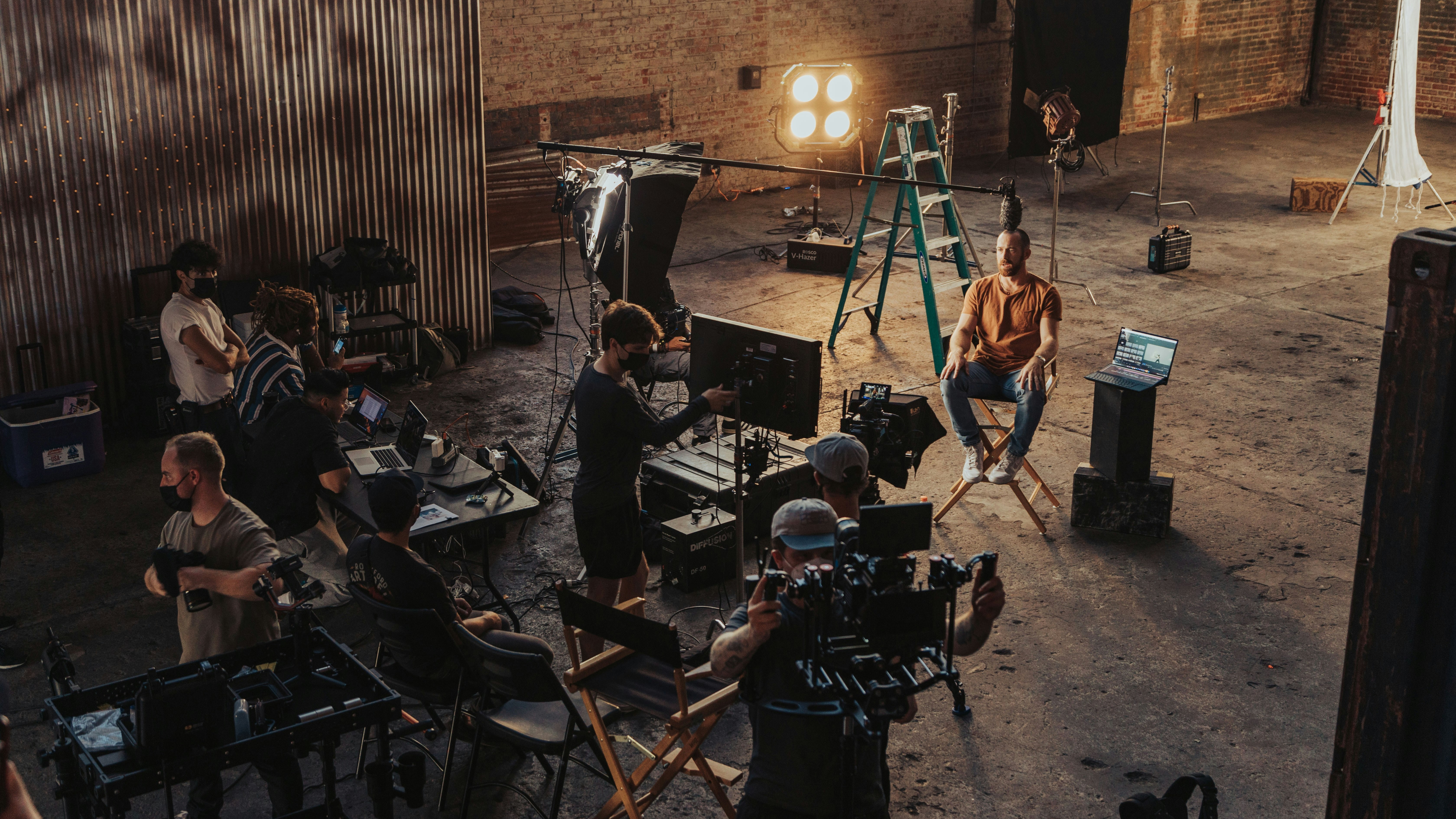
Production is the stage where the planned concept becomes footage.
Different shots serve different purposes. Wide shots establish a location, medium shots show people and activities, and closeups highlight specific details.
For a property video, this might mean combining exterior views, interior walkthroughs, architectural features, and carefully selected details to communicate the character of the space.
Lighting influences the mood and visibility of a scene, while composition determines how the subject appears within the frame.
Consistent attention to these elements helps create footage that feels cohesive and supports the intended brand image.
Tracking, pan, tilt, and other camera movements can guide viewers through a scene or reveal important details. Each movement should serve the story rather than exist solely for visual effect.
A well planned production captures footage that is useful for the intended narrative and flexible enough for editing.
Once filming is complete, post production brings the footage together into a finished video.
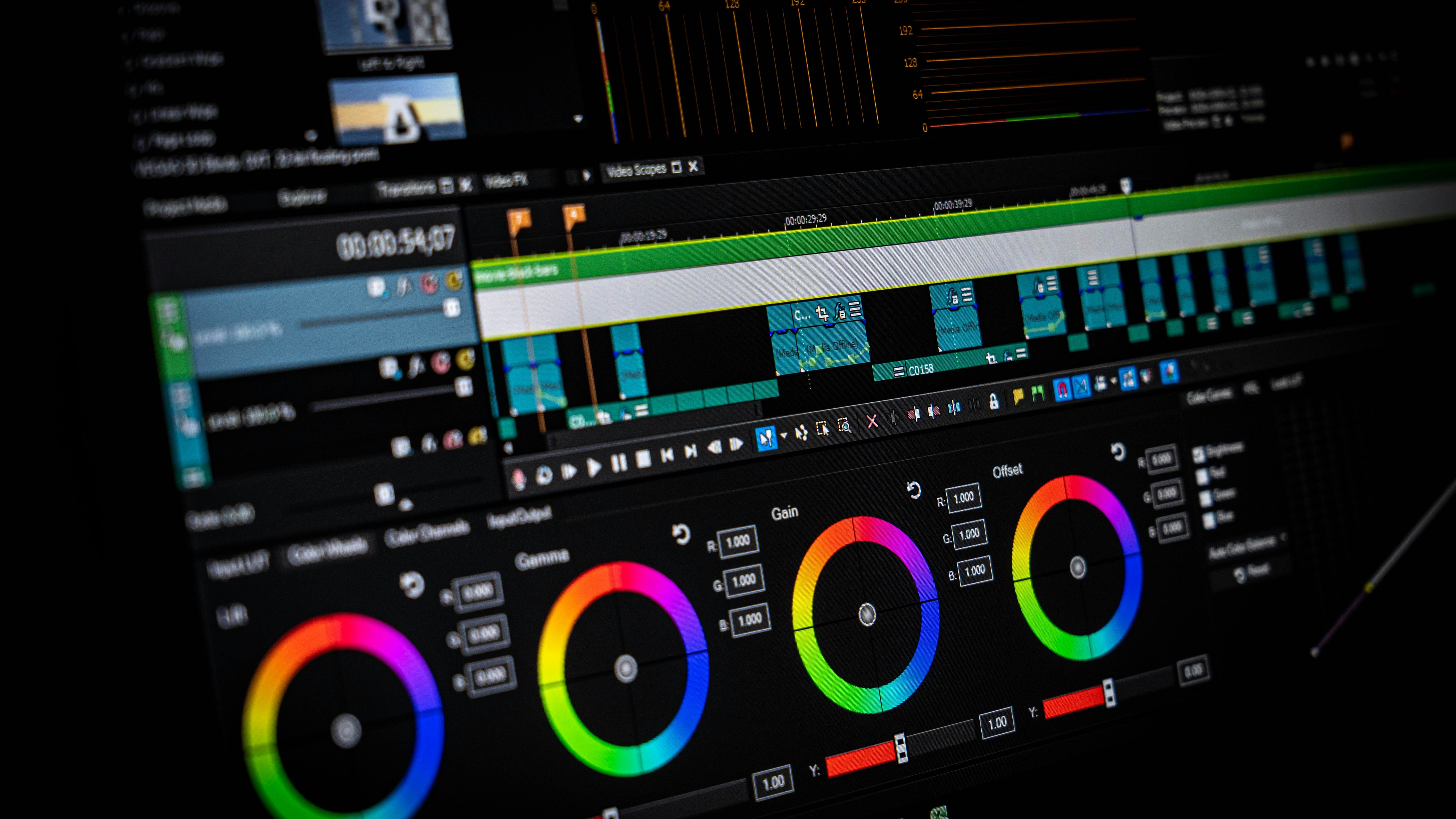
Editing determines the sequence and rhythm of the video. The editor selects the strongest shots, removes unnecessary footage, and connects scenes so that the story flows naturally.
The final sequence should prioritize the information that matters most to the intended audience.
Color grading helps establish a consistent visual appearance across scenes. Music, ambient sound, and voice over can add atmosphere, provide context, and support the message.
When used appropriately, these elements make the final video feel more cohesive without distracting from the subject.
Titles, captions, logos, and other graphics can reinforce important information. They should be clear, consistent with the brand, and used only where they improve understanding.
Before delivery, the video should be reviewed to ensure that the visuals, messaging, and final presentation accurately represent the business.
Completing the video is only part of the process. The content also needs to be prepared for the platforms where the intended audience will encounter it.
A website may benefit from a longer video that provides a comprehensive overview, while social media may require shorter edits that communicate the main message quickly.
Aspect ratio, video length, captions, and opening scenes can be adjusted to suit each channel.
Businesses should consider where their audiences are most likely to discover and watch the content. A promotional video may be used on a website, social media account, digital advertisement, or sales presentation.
Planning distribution early can also help the production team capture footage that can be repurposed across several relevant formats.
After publication, businesses can review available indicators such as views, watch time, audience retention, and interactions. These signals can help inform future content decisions.
Performance should be evaluated in relation to the video's purpose. A brand awareness video, for example, may have different objectives from a video designed to encourage enquiries.
Cinematic video can also complement other digital presentation formats, including interactive websites, architectural visualization, and 360° virtual tours.
For property and hospitality businesses, each format offers a different way to present a space. Cinematic footage can establish atmosphere and highlight selected features, while architectural visualization can present design concepts and virtual tours can allow audiences to explore environments interactively.
When combined thoughtfully, these formats create a more comprehensive digital presentation and help businesses communicate with audiences at different stages of their decision making journey.
As digital marketing evolves, businesses continue to explore more flexible and story driven ways to communicate.
Short form video provides opportunities to deliver focused messages quickly, while storytelling driven content can demonstrate how a product, service, or environment fits into real experiences.
The integration of video with interactive digital experiences also creates opportunities for businesses to present their offerings through multiple formats rather than relying on a single type of content.
Regardless of the format, effective video communication still depends on a clear objective, relevant messaging, and thoughtful execution.
The cinematic video production process connects creative planning, filming, editing, and distribution to produce content that supports a business's communication goals. Each stage helps ensure that the final video is not only visually appealing but also relevant, consistent, and suited to its intended audience.
For hospitality and property brands, a structured production approach can help present spaces, services, and experiences with greater clarity across digital channels.
At weFinite, photography and cinematography are part of a broader digital storytelling approach that helps brands communicate their value through carefully planned visual content. By aligning creative execution with each project's objectives, businesses can build stronger and more consistent digital presentations.
Great video content begins with a clear plan—and becomes meaningful when every frame serves a purpose.

Let's collaborate to turn your vision into an impactful digital success story.
Contact Expert