Discover the difference between videography and cinematography and learn how cinematic storytelling helps businesses build stronger brand identity, increase audience engagement, and compete at a higher level in today’s digital landscape.
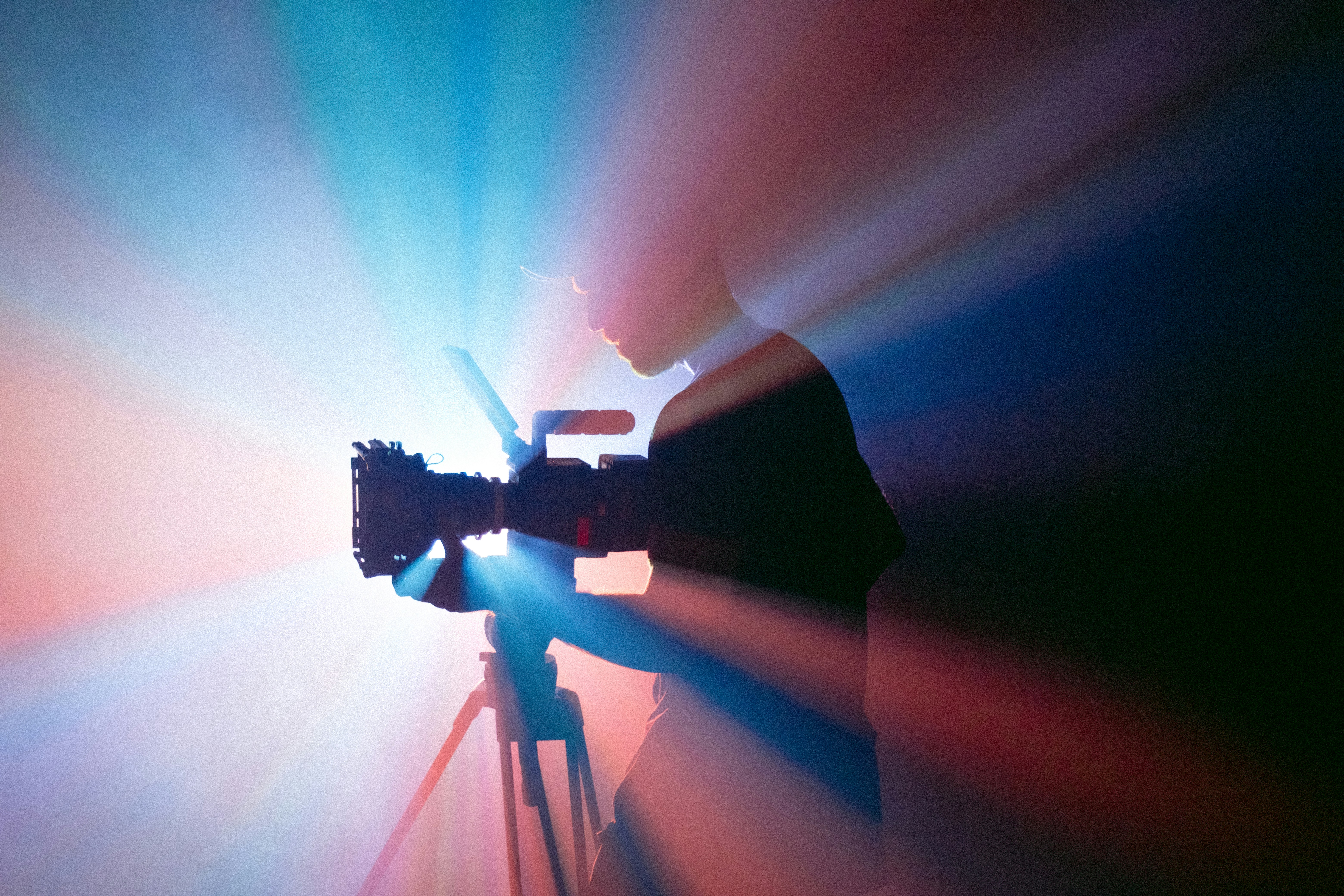
Source: Unsplash/Jakob Owens
In today’s fast-moving digital world, video content has become one of the most powerful marketing tools for businesses. Whether promoting a product, building brand awareness, or sharing a company story, video is often far more engaging than written content alone. Audiences are naturally drawn to motion, sound, and storytelling, making video an essential part of modern communication.
However, not all videos create the same impact.
The difference between a basic video and a cinematic production can determine whether content gets ignored or shared across social media platforms. Understanding the distinction between videography and cinematography helps businesses choose the right approach based on their goals, audience, and brand image.
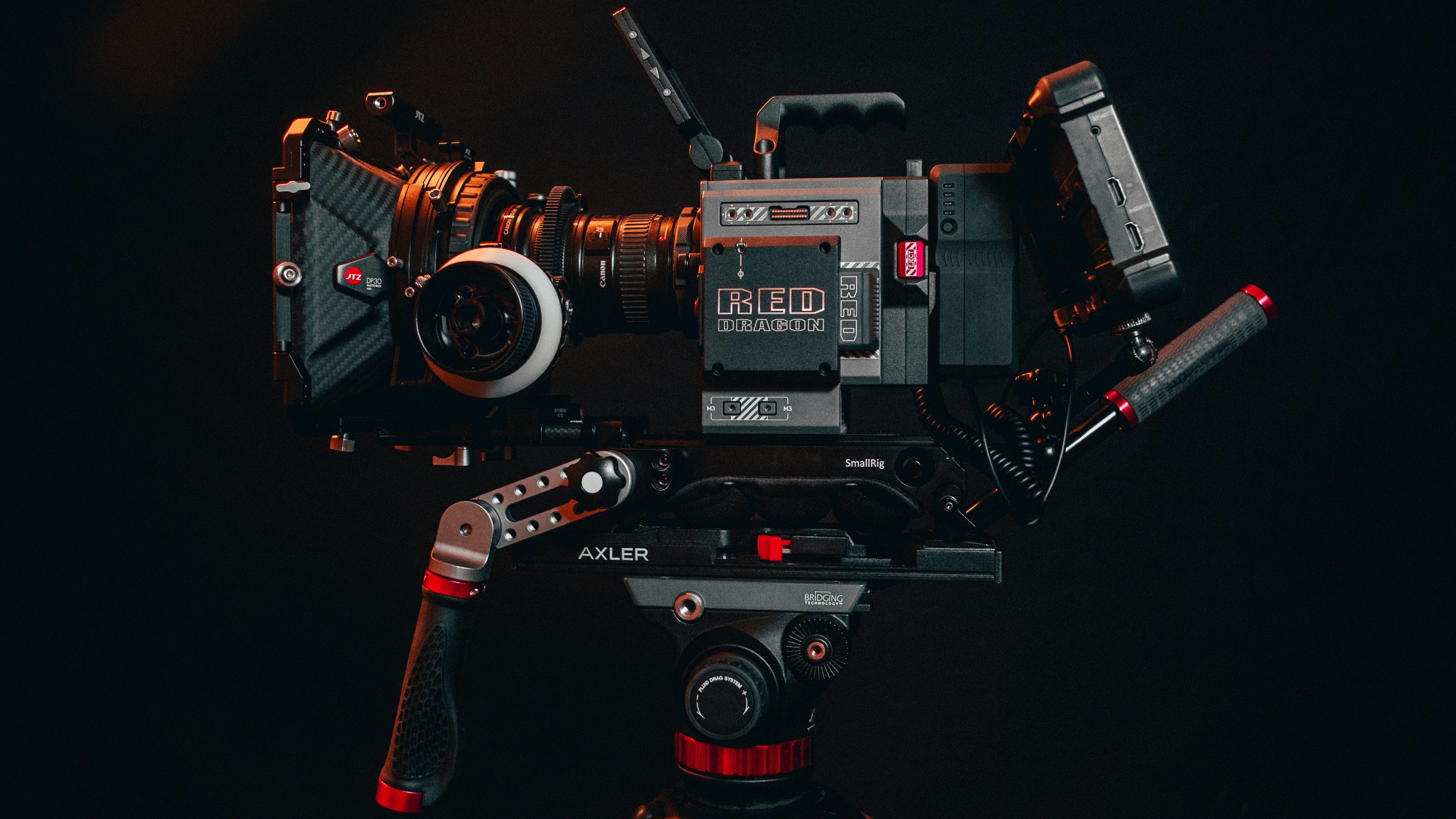
Videography refers to the process of recording video content. Today, almost anyone with a camera or smartphone can create videos, upload them online, and share them with audiences. While many videographers use professional equipment and editing software, the final product often focuses on capturing footage rather than creating a fully immersive experience.
For businesses, videography can be a practical and affordable solution for documenting events, recording interviews, or creating straightforward promotional content. These videos usually look polished enough to communicate professionalism, especially compared to low-quality smartphone recordings.
However, videography often prioritizes efficiency and simplicity over emotional storytelling. Important cinematic elements such as advanced lighting setups, lens selection, scene composition, and narrative development may not receive the same level of attention.
As a result, even professionally shot videography projects can sometimes feel standard or forgettable in an increasingly competitive online environment.
Cinematography goes beyond simply recording footage. It transforms video production into a carefully crafted visual experience designed to create emotion, atmosphere, and connection.
Instead of focusing solely on showing a product or service, cinematography emphasizes storytelling.
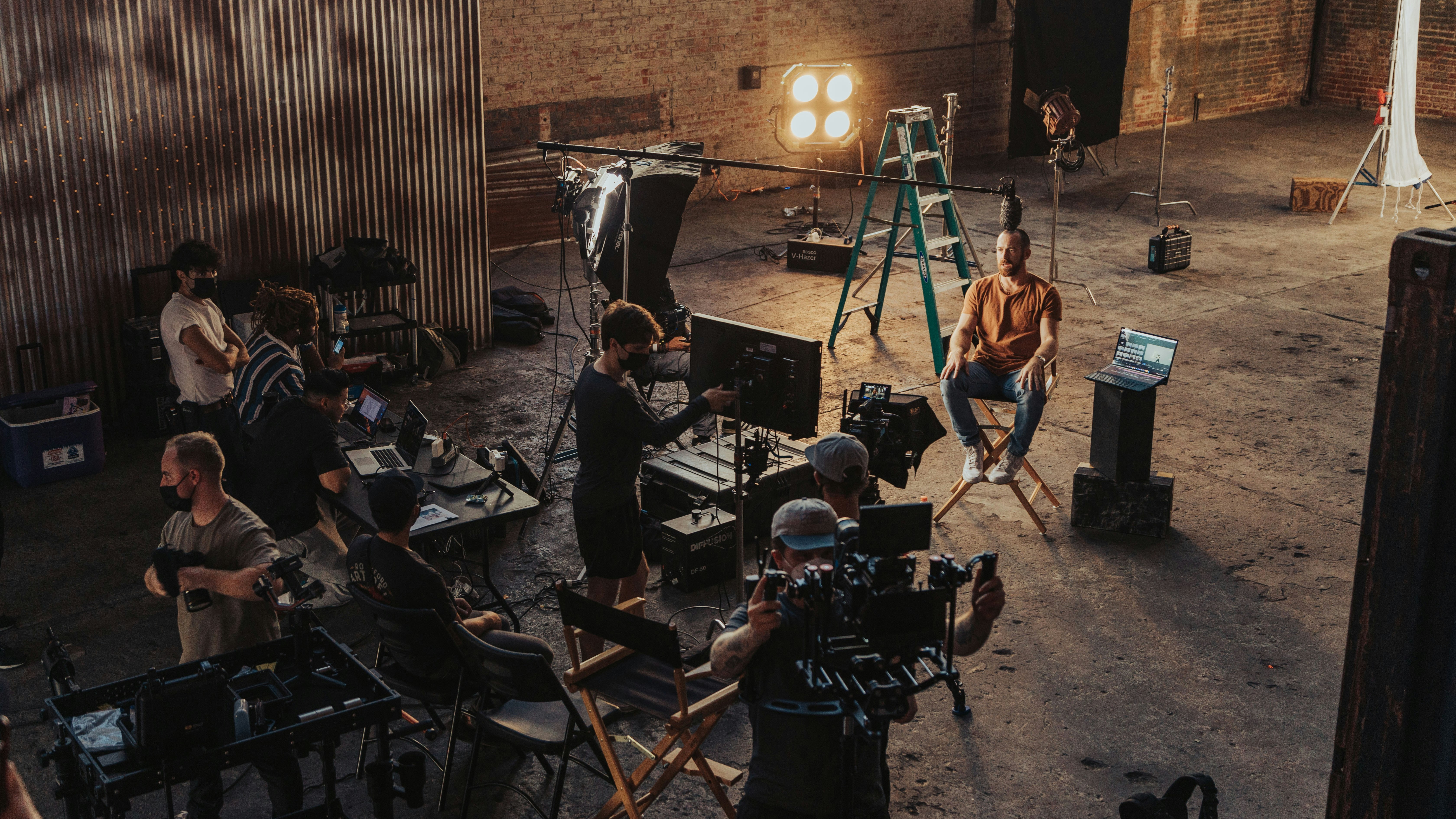
A cinematic production typically involves a full creative team, including directors, camera operators, lighting specialists, editors, and scriptwriters. Every detail is intentionally designed to support the mood and message of the project.
The process often begins long before filming starts. Script development, creative direction, shot planning, and production design all play a major role in shaping the final result.
For businesses, this means creating videos that feel less like advertisements and more like short films or branded stories.
Modern audiences are constantly exposed to advertisements online. Because of this, traditional promotional videos are often skipped or ignored within seconds.
Cinematography takes a different approach by focusing on emotional storytelling rather than direct selling.
Instead of saying, “Buy this product,” cinematic content shows how a brand solves problems, creates experiences, or impacts people’s lives. It invites viewers to connect emotionally with the company behind the message.
This emotional engagement is one of the main reasons cinematic videos are more likely to be watched completely, remembered longer, and shared across platforms.
A strong story can make audiences feel inspired, excited, nostalgic, or motivated — and those emotional reactions often drive stronger customer relationships.
For companies looking to position themselves at a higher level, production quality matters.
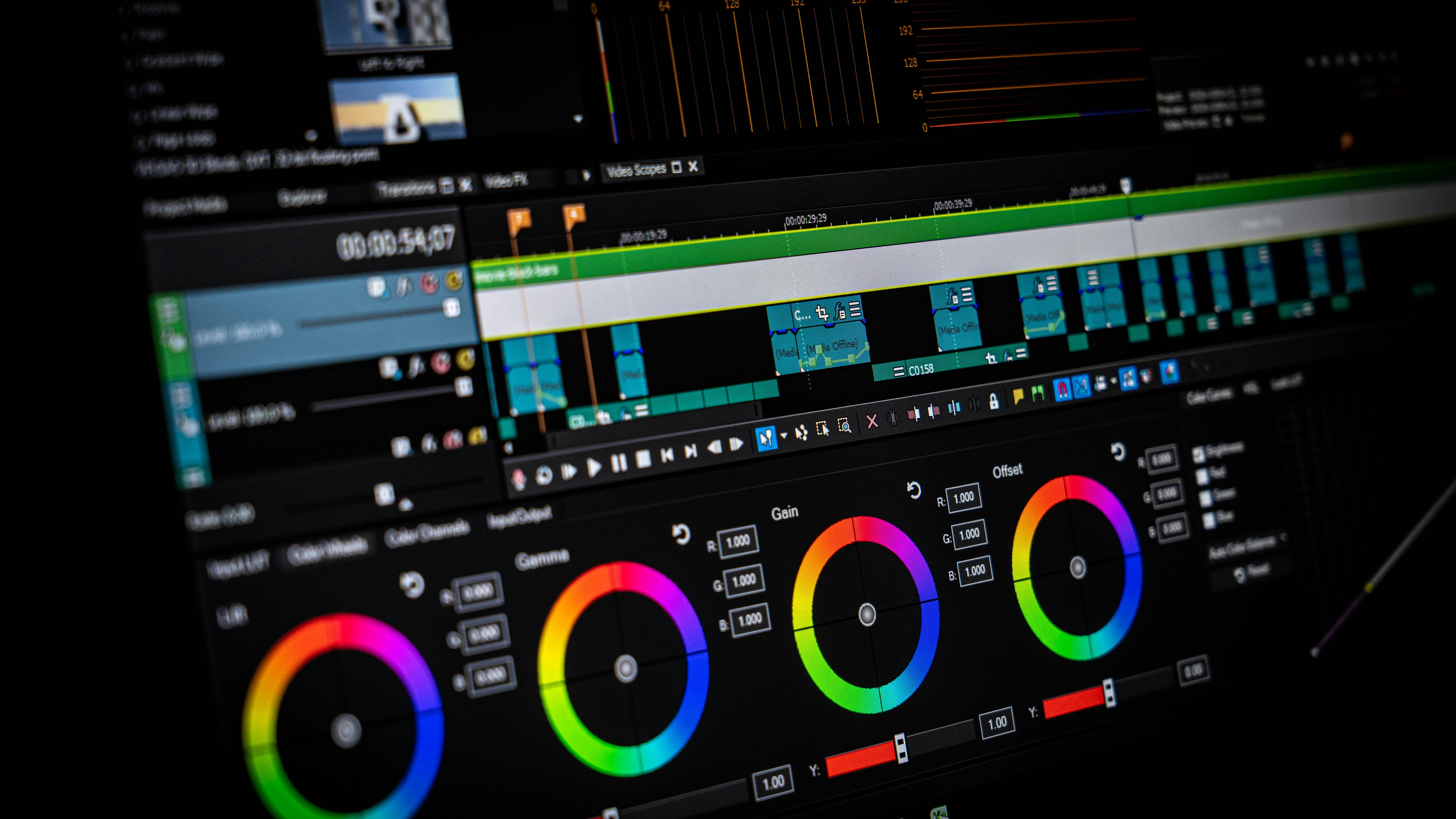
A cinematic video communicates professionalism, attention to detail, and brand value from the very first frame. High-end visuals, carefully designed lighting, professional audio, and intentional editing all contribute to how audiences perceive a business.
Cinematography also creates a more immersive experience for viewers. Instead of simply watching someone speak on camera, audiences experience a mood, atmosphere, and visual journey that keeps them engaged.
This type of content is especially valuable for:
Luxury brands
Hospitality businesses
Real estate companies
Creative agencies
Established businesses building stronger brand identity
Companies launching premium products or services
In highly competitive industries, cinematic storytelling can help businesses stand out and leave a stronger impression than traditional marketing content.
Anyone can record a video, but cinematic production requires creative vision, technical expertise, and collaboration.
Professional cinematography combines visual artistry with strategic communication. Every scene, camera movement, lighting setup, and editing decision is carefully designed to support the overall story and feeling of the production.
The result is content that feels intentional, emotional, and memorable.
Businesses investing in cinematic production are not simply creating videos — they are creating brand experiences that audiences connect with on a deeper level.
Not every company requires a large cinematic production. Smaller businesses, startups, or brands working with limited budgets may find videography sufficient for their needs.
However, companies aiming to elevate their brand image, increase audience engagement, and compete more aggressively in digital spaces often benefit significantly from cinematography.
A professionally produced cinematic video can:
Increase brand credibility
Improve customer perception
Create stronger emotional engagement
Encourage social sharing
Differentiate a business from competitors
In a world where audiences consume massive amounts of content every day, businesses only have a few seconds to make an impression. Cinematic storytelling helps ensure that impression is powerful, memorable, and impactful.

Let's collaborate to turn your vision into an impactful digital success story.
Contact Expert