Explore how camera angles, shot composition, and camera movement shape cinematic storytelling. Learn how businesses can use wide shots, close-ups, tracking movements, and other techniques to showcase products, highlight spaces, and create more engaging promotional videos.
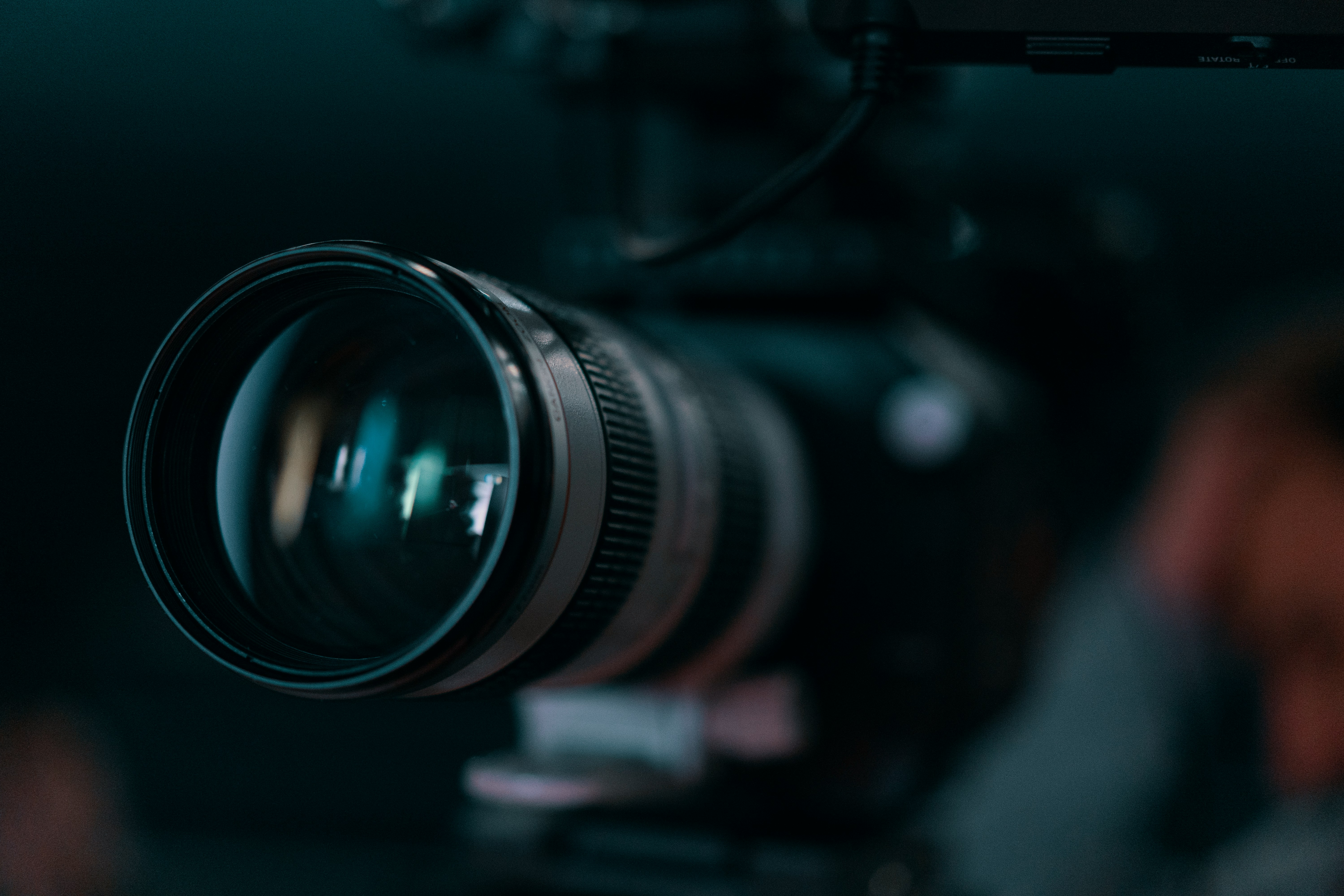
Source: Unsplash/Ross Sneddon
A compelling video is not simply a collection of attractive images. Each shot has a purpose: introducing a location, highlighting a detail, showing an interaction, or guiding the viewer's attention.
In cinematic videography, camera techniques help turn these individual shots into a cohesive visual story. For businesses, understanding these techniques can make promotional videos more informative, dynamic, and consistent with their brand identity.
Camera techniques influence how audiences perceive a subject and understand its surroundings. A wide shot can communicate the scale of a space, while a close-up draws attention to a specific feature.
Camera movement also affects the viewing experience. A smooth tracking shot can guide viewers through an environment, while a carefully planned pan can reveal details across a wider scene.
The key is to select each technique based on what the video needs to communicate.
Wide shots capture a subject within its broader surroundings. They help audiences understand the setting, scale, and layout of a location.
For businesses, wide shots can introduce a hotel lobby, property development, showroom, office, storefront, or production facility. They are especially useful at the beginning of a video to establish context before moving into more detailed scenes.
Medium shots focus on a person or subject while retaining some surrounding context. They are useful for capturing interactions, demonstrations, and daily business activities.
For example, a video might show staff assisting guests, presenting products, or explaining a service. These scenes can help audiences understand how a business operates and make the content feel more relatable.
Close-up shots emphasize a particular subject or feature. Extreme close-ups bring attention to even smaller details, such as a product label, logo, material texture, or distinctive design element.
These shots are valuable when details contribute to the product's appeal or the brand's identity. In hospitality and property videos, close-ups can highlight interior finishes, furniture, decorative elements, and other features that help define the overall experience.
Different camera angles provide different perspectives.
High-angle shots show a subject from above and can help reveal layouts or activities.
Low-angle shots capture a subject from below, potentially emphasizing its height or presence.
Bird's-eye views provide a top-down perspective that can communicate the arrangement of a space or its surrounding environment.
When used intentionally, these angles add visual variety and help audiences see a location from perspectives that ordinary footage might not provide.
Dolly and tracking shots involve moving the camera through a scene or following a subject. In a showroom or hotel, these movements can guide viewers through the environment and create a sense of continuity.
They are particularly useful when the goal is to make the audience feel as though they are moving through a physical space.
A pan moves the camera horizontally from one side to another. It can reveal a room, introduce a product display, or connect different elements within the same environment.
A controlled pan helps viewers explore the scene without overwhelming them with unnecessary movement.
A tilt moves the camera vertically, either upward or downward. This technique can reveal a building's height, show an interior from floor to ceiling, or draw attention to specific architectural details.
For property and hospitality videos, tilt shots can help communicate the scale and design of a space.
Handheld footage can create a natural, immediate perspective when used with intention. Crane shots allow the camera to move vertically or across a broader area, creating a dramatic reveal or establishing view. Suitable aerial footage captured with a drone can also introduce a location and its surroundings.
Each movement should contribute to the story. Excessive or unnecessary movement can distract from the subject instead of improving the video.
The strongest promotional videos combine different shot types and movements to create a clear visual sequence.
For example, a hotel video could begin with a wide exterior shot, move into a tracking shot through the lobby, and then use close-ups to highlight interior finishes and amenities. Medium shots of staff assisting guests could add a human element before the video concludes with a broader view of the property.
This sequence helps the audience understand the location while experiencing its key features.
The approach should always reflect the project's purpose, target audience, and brand identity.
Not every technique is suitable for every scene. Before filming, consider:
The objective: What should viewers notice or understand?
The subject: Is the focus a person, product, building, or environment?
The atmosphere: Should the video feel calm, energetic, intimate, or expansive?
The platform: Will the footage appear on a website, a social media feed, or another digital channel?
The overall story: Does the shot help the video progress naturally?
These considerations help ensure that technical decisions support the message instead of becoming visual decoration.
Camera angles, shot composition, and movement are essential tools for cinematic storytelling. When selected with purpose, they help businesses showcase their products, highlight their environments, and communicate their value through more engaging visual content.
For hospitality and property brands, thoughtful videography can make architectural details, interiors, facilities, and guest experiences easier to appreciate.
At weFinite, photography and cinematography combine visual storytelling with project-specific creative direction to help brands present their spaces and services with clarity and impact.
Every shot has a purpose. The right combination turns footage into a story.

Let's collaborate to turn your vision into an impactful digital success story.
Contact Expert